




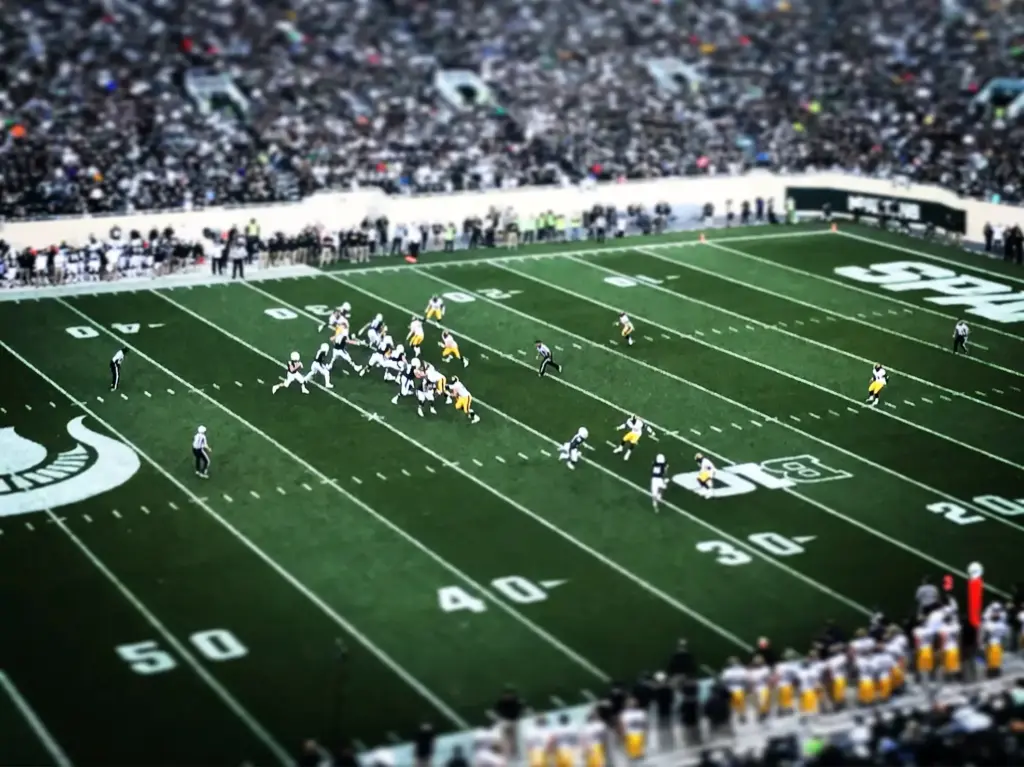
A well-designed athletic training facility gives athletes the equipment, space, and support they need to improve performance. Beyond weights and cardio machines, an effective training environment includes recovery areas, hygienic amenities, reliable ventilation, and safety measures that support daily use.
Whether serving competitive teams or recreational athletes, facility managers should prioritize these seven essentials.
1. Sport-Specific Training Equipment
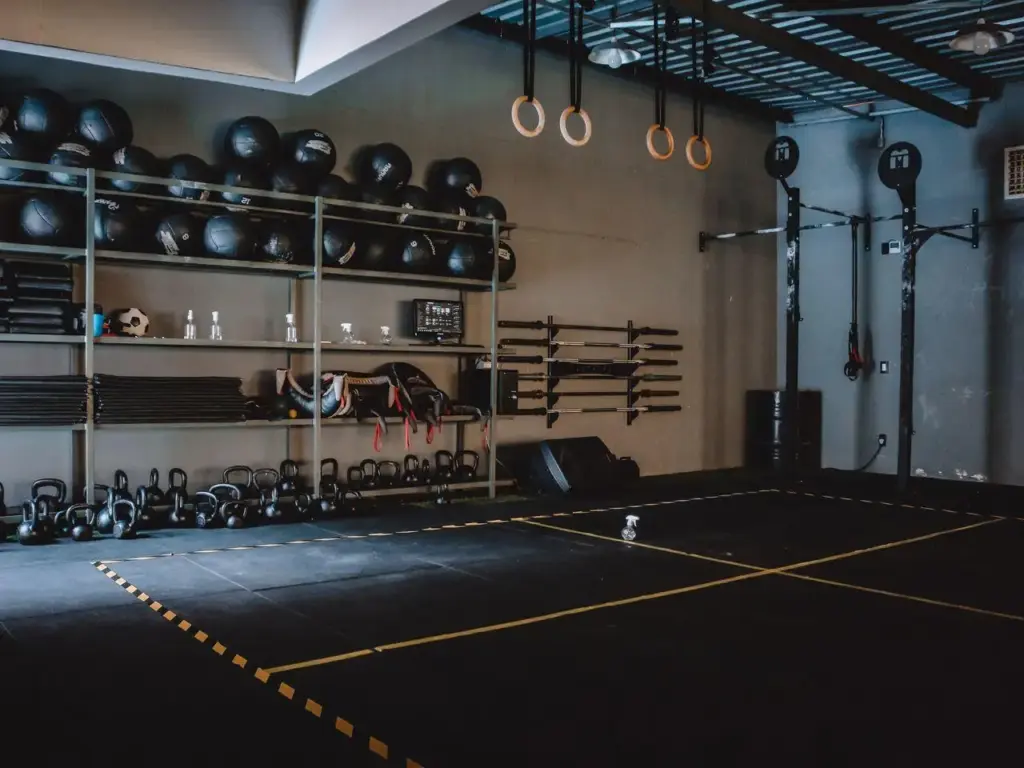
Training equipment should match its users’ physical demands. Strength programs require power racks, barbells, and lifting platforms, while soccer and basketball players benefit from resistance bands, medicine balls, agility ladders, and sprint-training tools.
Before purchasing equipment, evaluate training goals, durability, and available space. Commercial-grade products can withstand frequent use, while versatile tools accommodate different exercises without overcrowding the floor.
A carefully selected equipment lineup helps athletes train efficiently and allows coaches to structure sessions around measurable objectives.
2. An Efficient Training Layout
A functional floor plan separates strength training, conditioning, mobility, and rehabilitation into designated zones. This arrangement reduces congestion and allows athletes to move between activities without disrupting other sessions.
Flooring should match each area’s purpose. Rubber flooring suits weight rooms, while artificial turf accommodates sled pushes, acceleration drills, and agility exercises.
Organized storage, clear walkways, and adequate clearance around equipment also improve movement throughout the facility. Planning these details before installation helps owners use available space more effectively and create a safer, more organized training environment.
3. Hygienic Locker Rooms and Restrooms
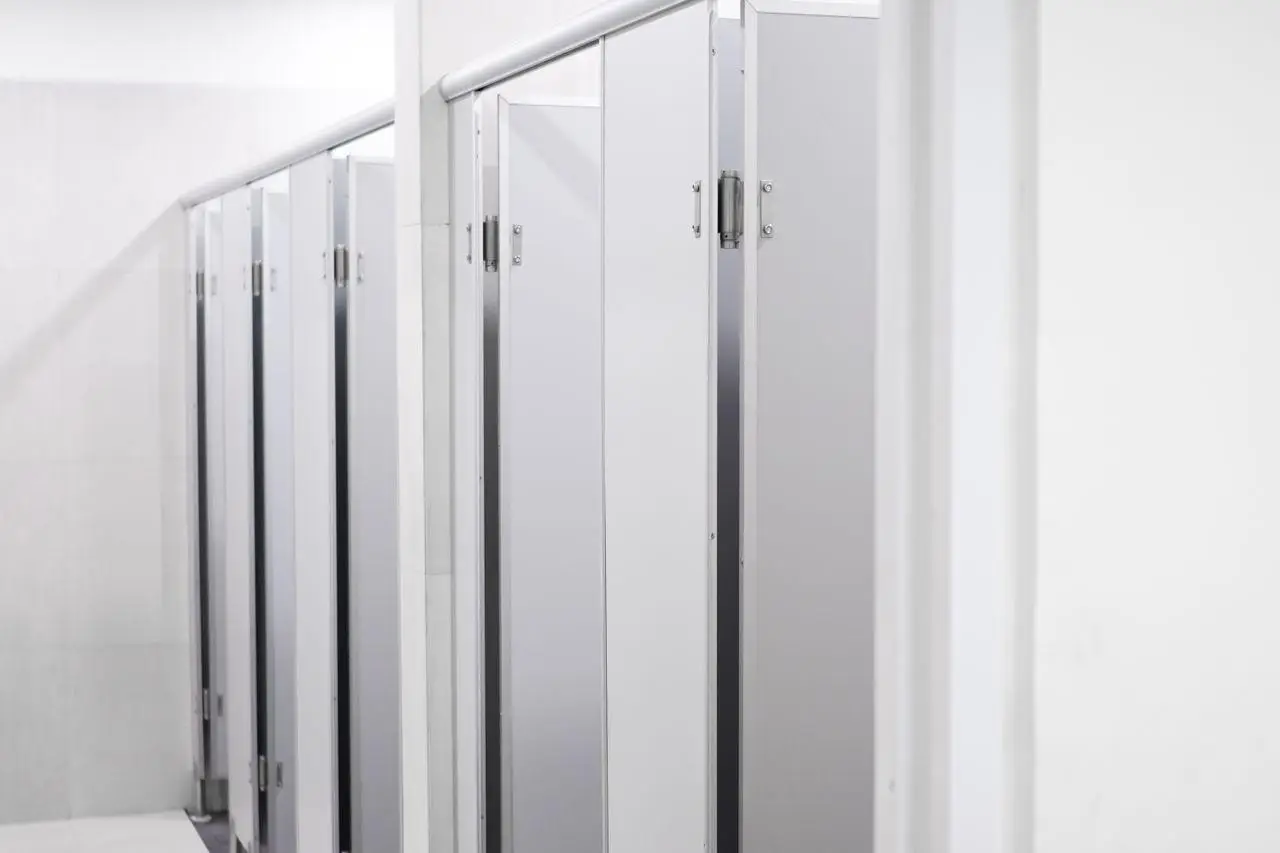
Clean locker rooms and dependable restroom facilities support athlete comfort, hygiene, and the overall training experience. High-traffic gyms need moisture-resistant materials, effective ventilation, durable fixtures, and surfaces that withstand frequent cleaning.
Commercial bathroom partitions are a key consideration in restroom construction or renovation. Solid plastic, phenolic panels, and high-pressure laminate each offer different advantages in moisture resistance, durability, and maintenance.
One Point Partitions offers commercial restroom partition solutions that facility managers can consider when upgrading these spaces. Selecting suitable materials and reliable hardware helps maintain privacy while managing long-term maintenance demands.
Restroom layouts should also meet applicable accessibility requirements and provide sufficient space for users during peak hours.
4. Dedicated Recovery Areas
Recovery areas give athletes space to work on mobility and rehabilitation without competing for room on the main training floor. Useful essentials include stretching mats, foam rollers, massage tools, and space for controlled movement exercises.
Larger facilities can incorporate physical therapy rooms or specialized recovery equipment based on their athletes’ needs and the availability of qualified professionals.
Keeping these areas separate from heavy lifting and high-speed drills creates a calmer environment for post-workout routines and supervised rehabilitation. A dedicated recovery space can also help athletes make mobility work a consistent part of their training programs.
5. Reliable Ventilation and Lighting
Ventilation and lighting affect comfort, visibility, and how usable indoor training spaces are. Intense exercise generates heat and moisture, so HVAC systems must accommodate occupancy levels, activity intensity, and local climate conditions.
Lighting should provide consistent visibility across weight rooms, turf lanes, and exercise areas without excessive glare. Regular HVAC inspections and prompt attention to humidity or temperature problems help maintain comfortable conditions.
These systems deserve attention during initial facility planning, when selecting the right capacity is easier than correcting an unsuitable installation later. Proper maintenance also helps keep indoor conditions consistent as facility usage changes.
6. Performance Tracking Technology
Performance tracking helps coaches evaluate progress using measurable data. Depending on the sport, useful tools include timing gates, heart-rate monitors, velocity trackers, and video analysis systems.
For example, comparing sprint times across a six-week training block provides objective information about changes in speed and athletic performance.
Facility management software can also simplify class scheduling, session bookings, and access to shared equipment. Managers should choose technology that addresses specific needs rather than investing in systems that add complexity without improving coaching or daily operations.
7. Safety and Preventive Maintenance
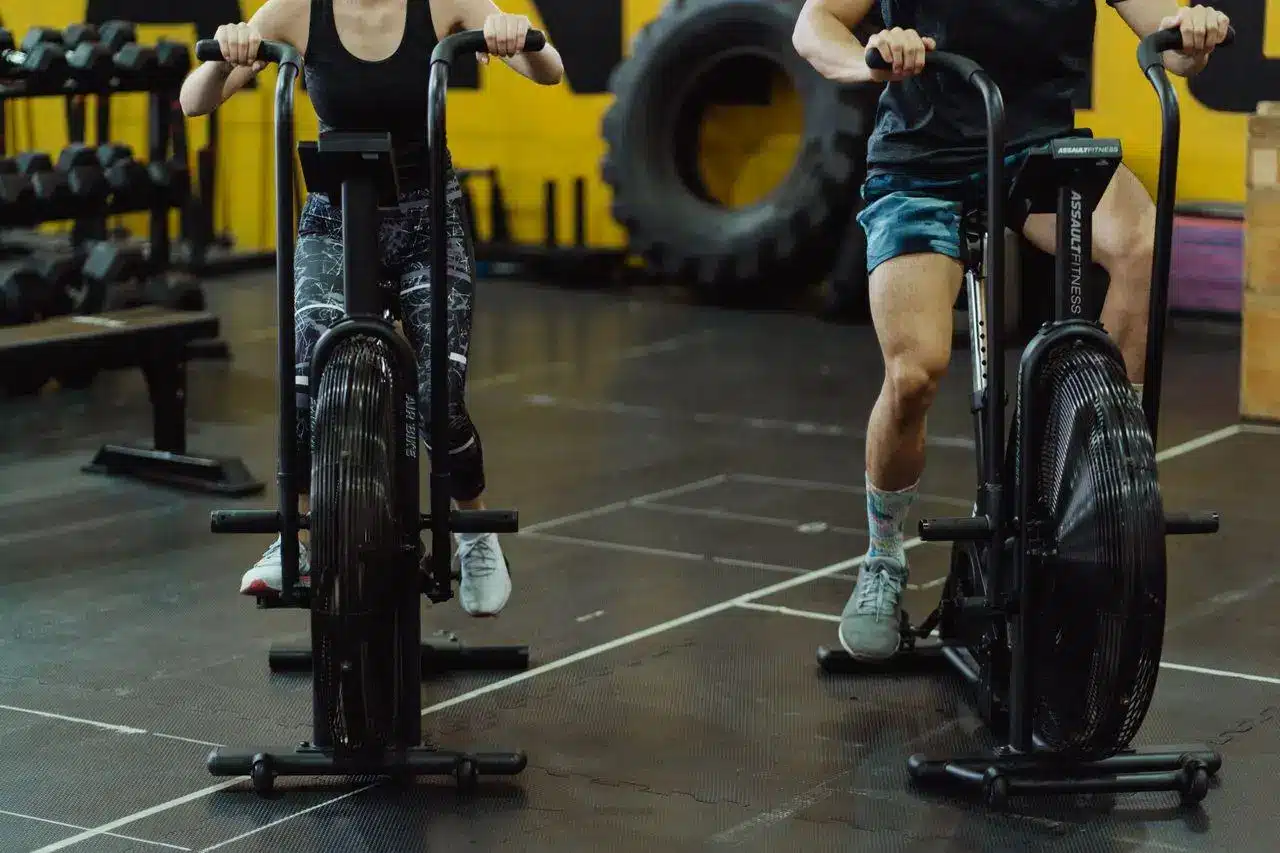
Routine inspections and clear operating procedures help keep training equipment and facilities safe and serviceable. Staff should know how to identify damaged equipment, report hazards, and respond to emergencies.
A practical maintenance schedule should include:
- Inspecting racks, benches, cables, and weight-storage systems.
- Checking floors for damage, loose seams, and uneven surfaces.
- Cleaning shared equipment and high-touch areas.
- Recording repairs and removing defective equipment from service.
Facility owners should also address applicable building codes, fire safety rules, and accessibility standards, including relevant Americans with Disabilities Act (ADA) requirements, where applicable.
Assigning responsibility for inspections helps prevent overlooked problems and unnecessary interruptions to training. Maintenance records also make it easier to spot recurring issues and plan repairs before they affect daily operations.
Creating a Facility That Supports Athletic Performance
A modern athletic training facility succeeds when its equipment, layout, recovery resources, and supporting infrastructure work together. Facility managers who prioritize athlete needs, appropriate materials, and consistent maintenance can create a more functional environment while managing long-term operating costs.
Regular feedback from athletes and coaching staff can also help identify areas for improvement. Reviewing equipment use, maintenance records, and training schedules lets facility managers make informed decisions as needs change. This ongoing evaluation helps ensure the facility remains practical, safe, and adaptable as programs grow and training demands evolve.
The goal is not simply to build a larger gym. It is to create a space where athletes can train safely, coaches can work efficiently, and essential facilities remain dependable under daily use.


