November 3, 2026
Eating more protein is one of the most common goals for people who train. It helps muscles repair, keeps hunger under control, and makes tough sessions easier to bounce back from. It’s also usually the most expensive part of the grocery list, and that cost tends to rise without anyone noticing. Very few people ever add it up. They glance at the total at checkout, feel a brief sting, and move on. That habit costs more than it seems. Without a clear number, there’s no way to tell whether you’re paying a fair price for your nutrition or overpaying for convenience. This article puts a realistic figure on a high-protein month, shows where the money actually goes, and lays out a plan to cut that cost roughly in half without eating any less protein. How Much Protein You Actually Need Before you can price your protein, you need a target. Many active people guess high, shop accordingly, and end up paying for protein their bodies don’t use. The International Society of Sports Nutrition position stand on protein and exercise recommends 1.4 to 2.0 grams per kilogram of body weight per day for most people who exercise. For someone who weighs 80 kilograms (about 176 pounds), that comes to roughly 110 to 160 grams a day. Turning Grams Into a Monthly Number Say your target is 150 grams a day. Over a 30-day month, that adds up to 4,500 grams. Divide it into 25-gram servings, about what you’d get from a scoop of whey or a small chicken breast, and you need 180 servings a month. That single figure makes everything else simpler. Once you think in servings rather than packages, comparing prices becomes quick and clear. The Real Monthly Cost of a High-Protein Diet With a target in place, the next question […]

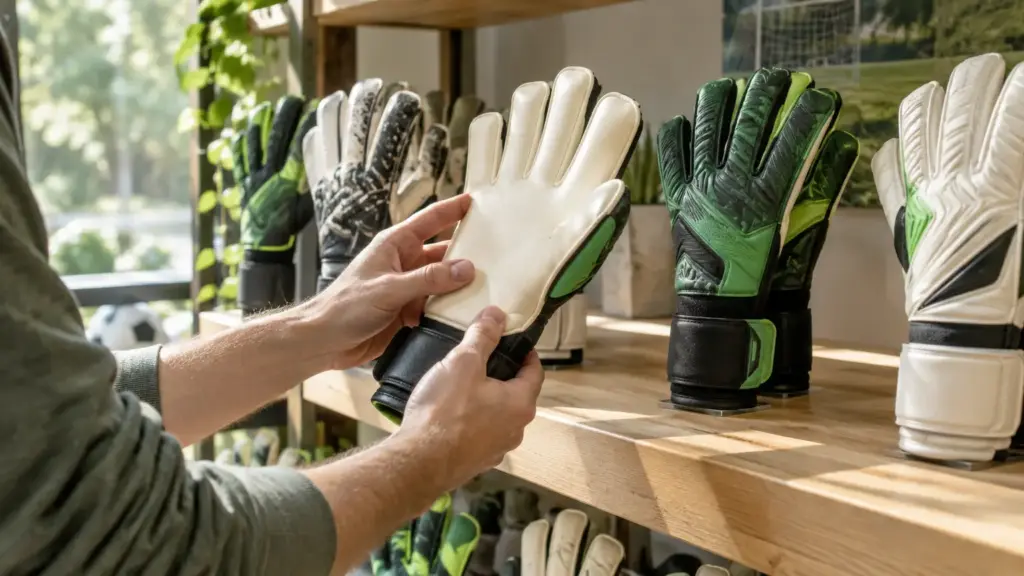
Goalkeeper gloves aren’t just equipment — they’re the link between a keeper’s technique and every save they make. The right pair can help you train, catch and control the ball with confidence. If you are researching adidas soccer goalkeeper gloves, compare fit and intended use before choosing. Understanding what beginners need compared with what experienced keepers look for makes it easier to compare models and find gloves that suit your playing style. Where Can You Find Adidas Goalkeeper Gloves? These goalkeeper gloves are available through sports retailers, specialist goalkeeper shops and online stores. Specialist retailers allow players to compare different brands, sizes and glove designs in one place. Just Keepers stocks goalkeeper gloves from brands including Adidas, Nike, Reusch, Puma and Uhlsport. When comparing soccer goalkeeper gloves adidas with alternatives, check product descriptions for palm materials, glove cuts, sizing and intended use. Features can vary between models, even within the same brand. Before ordering online, check availability, delivery costs and the returns policy, particularly if you are unsure about sizing. What Should Beginners Look for in Goalkeeper Gloves? Beginners should prioritise fit, comfort and value rather than automatically choosing the most expensive pair. Premium match gloves may offer specialised features, but they are not always the most practical choice for regular training. Consider these factors before buying: Fit: Gloves should feel secure, with a little room at the fingertips but no excess material folding around them. Comfort: Fingers should move naturally, and the wrist closure should feel secure without restricting movement. Grip: Latex palms help with catching and ball control, although grip varies with the material, weather and wear. Durability: Frequent players should consider gloves designed for regular practice. Price: Compare useful features rather than paying extra for specifications you may not need. How often you play matters too. Occasional […]