




Introduction: The Missing Piece in Athletic Success
When improving performance, athletes and fitness buffs dedicate time to practices for strength and endurance, proper nutrition and recovery, and mental preparation. Training programs, biochemical analyses, and nutrition plans create individualized customs for optimal performance. There is one aspect of health, though, that is often neglected, despite its importance. That is the health of the circulatory system.
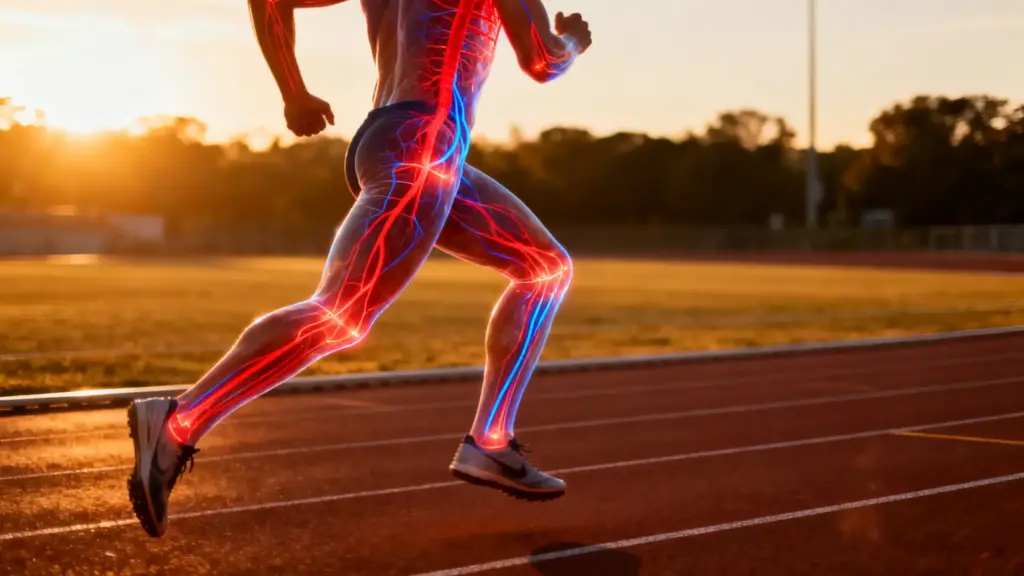
The body’s ability to deliver oxygen and nutrition to muscles is critical to the performance of every movement from sprinters leaving the blocks, to cyclists on climbs. This is accomplished by the circulatory system.
When the circulatory system runs at optimal performance, so do muscles. Circulation that is compromised can lead to decreased endurance and performance, increased fatigue, and longer recovery times. Although circulation health is critical, it is often neglected and only considered when symptoms are apparent.
The performance of athletes can be optimized if the relationship between circulation health and athletic ability is understood by athletes, trainers, and health care practitioners.
Understanding the Role of Circulation in Athletic Performance
The circulatory system is the transportation system of the body. Arteries, which are responsible for oxygenated blood, carry blood to the body and veins are responsible for carrying deoxygenated blood to the lungs and back to the heart.
The need for oxygen and nutrients skyrockets during physical activity. Muscles need a steady fuel supply for proper function and to sustain contraction. Likewise, for optimal performance, waste byproducts need to exit the body to control fatigue and remove waste.
Good circulation means your body has the ability to transport the required elements for and remove the byproducts of physical activity. During exercise, blood flow begins to increase to supply the fuel required to help the body support the activity while also helping normalize the body temperature.
Without good circulation, the ability to perform physical activity will eventually diminish, regardless of how good a person’s fitness, skill, or effort level is.
Why Is Oxygen Delivery Important?
A vital component to good circulation is the transport of oxygen. Oxygen is crucial for generating the majority of the energy required for activity, especially endurance type exercise.
While the circulation system is working well, the delivery of oxygen to your muscles is timely and consistent. This directly correlates with the ability of an athlete to sustain a high level of performance and to reduce the time required to recover from the fatigue of a previous exertion.
Minor problems with circulation can lead to the muscles relying more on energy generation in a less efficient manner. This will lead to a decrease in exercise performance and endurance.
Most athletes focus on the development of lung and cardiovascular fitness, but a healthy circulation system is also required to improve the delivery of oxygen.
Circulation and Recovery

Recovery is a critical and sometimes neglected component of good performance in exercise. Regular training causes a gradual build up of small injuries to a body’s muscles. Recovery allows the body to repair and strengthen the body to a better level than before the training.
Circulation is central to this process. Blood carries the nutrients, amino acids, hormones, and immune cells necessary for tissue repair and adaptation. Blood also helps clear the byproducts of inflammation after intense exercise.
When circulation is operating properly, recovery is more likely to happen efficiently. Athletes may notice decreased soreness, faster repair, and a greater sense of readiness for the next workout.
Without proper circulation, recovery is slower and fatigue and soreness are likely to be prolonged.
How Vein Health Supports Physical Performance
Arteries receive the most focus in discussions about performance, but veins are just as important. Veins return blood to the heart after it has delivered oxygen to the body.
Veins also face a tough challenge in the legs, as they must travel blood upwards against the force of gravity. They are assisted by one-way valves and muscle contractions to maintain blood flow.
Factors like muscle contractions, which help improve circulation by pumping blood through veins, also mitigate the risk of blood pooling in the lower legs.
When circulation, and consequently, vein function is healthy, it improves circulation and reduces swelling. In the case of impaired vein function, athletes may experience negative performance-affecting symptoms.
Common Circulation Problems Athletes May Face
While athletes tend to be healthier than the general population, they are certainly not immune to circulation issues. Some sports and particular ways of training may place special demands on the vascular system.
Athletes are at high risk for prolonged stress on the body, especially on the legs. While runners, cyclists, and triathletes are at risk for causing venous pressure, traveling athletes can experience the same risk for prolonged sitting.
Some symptoms that can signal possible vascular issues are heaviness of the legs, swelling, visible veins, and chronic fatigue. These symptoms can be mistaken for “normal” symptoms experienced by athletes, leading to more serious vascular issues.
Common misconceptions about who can develop varicose veins can include athletes. While many believe varicose veins are only for the aging population or those who lead a sedentary lifestyle, athletes can develop them as well. Genetics, prolonged standing, and physical stress can be contributors.
Varicose veins can lead to pooling of blood due to damaged valves, and can become painful, heavy, and swollen for athletes. The discomfort can impair performance and training.
Maintaining vein health can lead to comfort for athletes and protecting well-being.
Endurance athletics can take a large toll on the cardiovascular system. Runners, cyclists, swimmers, and rowers are reliant on optimal blood flow and circulation.
Since endurance training relies heavily on cardiovascular stamina, small advances in overall circulation have beneficial effects on endurance and recovery. During extended sessions, circulation issues become more apparent.
Athletes suffering from performance decline, unexplained leg pain, and fatigue should evaluate vascular health, as it may be a contributor.
Circulation Health in Athletes
Movement is one of the best circulatory health strategies. This is even more the case, since muscle spasms assist in circulation.
Hydration also helps circulation. Blood volume and cardiovascular system efficiency depend on adequate hydration.
Active recovery, stretching, and mobility work can help vascular health, especially if circulation becomes stressed. Managing composition and restricting sedentary behavior help vascular health, as well.
In addition to the health of the vascular system, all these strategies also help athletic performance.
Vascular Medicine in Sports Health
Vascular health in athletes was addressed infrequently in the history of medicine. Even with the advancement of vascular diagnostics, sports medicine is slowly becoming more interested in vascular health.
A specialist can evaluate circulation with great accuracy due to advances in vascular diagnostics. Duplex ultrasound is one of many improvements which help to identify venous insufficiency, abnormal blood flow, and conditions of the vascular system which affect performance and recovery.
More athletes are realizing the significance of having extensive vascular evaluations as routine assessment when dealing with ongoing performance issues or other symptoms once they are made aware of persistent challenges during training or competing.
When Professional Evaluation Is Needed
Healthy lifestyle habits can support healthy circulation, but they can’t fully treat or prevent diseases of vascular systems. Varicose veins, swelling, heaviness, aching, and other symptoms of poor circulation warrant professional assessment to treat them.
There is a greater quality of life and improved training and competition the earlier issues are diagnosed. Most improvements to vascular systems can be done with little invasion and even less time to recover.
For peace of mind, or concerns about the health of your veins, athletes and active individuals may benefit from seeking specialized vascular care and can get treated by a board-certified vein surgeon in Alliance for a thorough circulatory assessment and personalized treatment recommendations.
Vascular Health in the Future of Performance
Integration between sports and vascular science will become even closer, with vascular health as a focus of the optimization of performance. Research will continue in the area of how blood circulation affects and even defines success in sports.
Imaging and other technology when paired with a more thorough and personalized approach to health care, will give athletes much more understanding of not just how vascular health affects performance and recovery, but how the systems interact.
It seems that the future of athletic development will shift to something that is more holistic, placing the role of circulation as a foundational piece in the pursuit of physical excellence.
Conclusion: Healthy Circulation, Healthy Performance
The performance of an athlete is dependent on their strength, their endurance, and the skill that they possess, but this is only part of the equation. Supporting this on a daily basis is a complex network of the body’s circulatory system that transports the oxygen and nutrients as well as the elements necessary for recovery to and from the sites in the system.
Healthy circulation mutually reinforces both endurance and recovery, while also reducing fatigue and improving overall performance. If circulation is left unchecked, it will have its impact on exercise potential while negatively affecting daily life.
When the athlete recognizes the importance of circulation, they can take the necessary steps to improve their circulation and increase their performance. Whether the athlete is elite and in the spotlight or simply pursuing personal health, the circulation system will be an important contributor to both their current and future performance.