
Health & Care
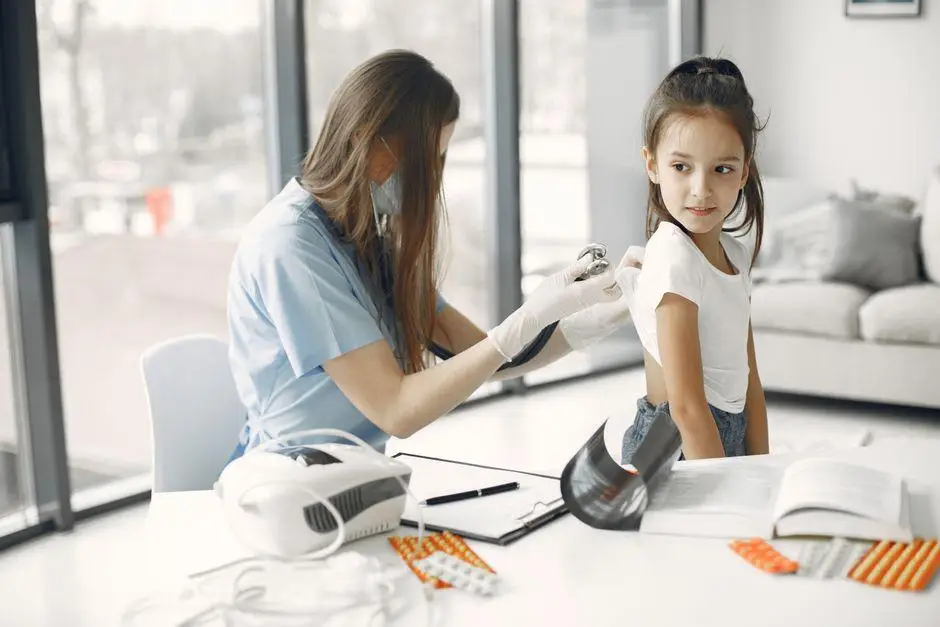
Children’s healthcare is becoming more complex for many families. Parents are juggling more appointments, more questions, and often longer waits for help with everything from common illnesses to chronic conditions and mental health concerns. In this environment, pediatric nurses are more essential than ever. Their role goes far beyond giving medication or assisting with routine treatment. Pediatric nurses help children feel safe, guide parents through stressful decisions, and make care more personal and effective. As demand for pediatric services rises, so does the need for highly trained nurses who understand children’s unique medical and emotional needs. Growing Care Needs Managing long-term wellness requires consistent adaptation across the entire medical landscape. Young patients still need treatment for everyday illnesses and injuries, but many also need long-term support for asthma, diabetes, severe allergies, developmental disorders, anxiety, and depression. These expanding clinical needs place immense structural pressure on specialized hospital clinics and local practitioners, often resulting in delayed appointment times or forcing rural families to travel long distances to find appropriate providers. Analyzing regional medical staffing trends reveals critical vacancies across specialized healthcare systems. Expanding clinical pipelines depends heavily on evaluating where specialized pediatric nursing shortages impact patient care timelines. Investigating why are pediatric nurses in high demand highlights the broad systemic necessity for advanced training pathways that prepare doctoral-level clinical leaders to fill urgent workforce shortages. Leaving these specialized clinical roles unfilled causes extended emergency room wait times and compromises long-term pediatric wellness outcomes. What Pediatric Nurses Do Pediatric nurses care for infants, children, and adolescents based on each patient’s age, developmental stage, and medical condition. That requires specialized skill. A baby cannot explain pain, a toddler may resist an exam, and a teenager may minimize symptoms or emotional distress. These nurses work in hospitals, pediatric offices, urgent care centers, schools, and […]
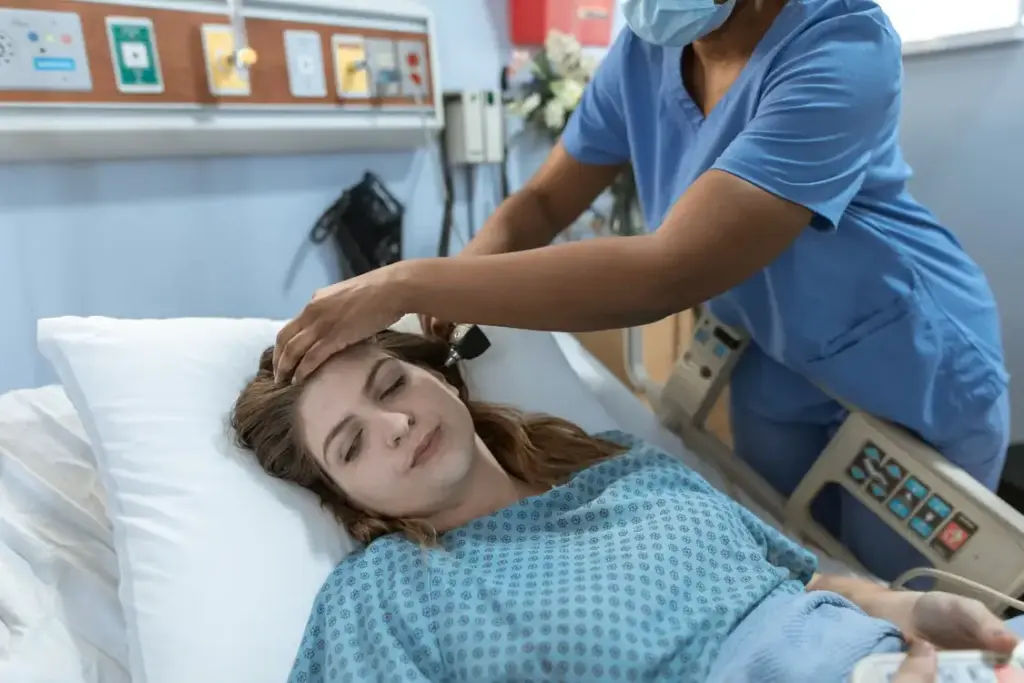
For nurses choosing where to build a career, salary is only part of the decision. Daily life matters just as much. A strong job can lose its value if high housing costs, exhausting commutes, and constant stress leave little time for rest, family, or personal interests. That is one reason Ohio continues to attract attention from nurses who want both career stability and a manageable lifestyle. Ohio offers a practical mix of professional opportunity, affordability, and flexibility. Nurses can find work in major cities, suburbs, and smaller communities without facing the same level of cost and pressure found in some larger states. For people looking for a sustainable long-term career, Ohio is worth serious consideration. Why Ohio Stands Out Many people exploring nursing in Ohio are searching for more than a paycheck. They want dependable employment, reasonable living expenses, and a place where life feels balanced rather than overwhelming. Ohio offers that combination in a way that is easy to overlook but hard to dismiss. One of Ohio’s biggest advantages is variety. Nurses can pursue careers in large metropolitan areas such as Columbus, Cleveland, and Cincinnati, where major hospital systems and specialty care settings create broad professional options. At the same time, the state includes suburbs and smaller towns that may offer a quieter pace and a stronger sense of community. That range matters because nurses do not all want the same lifestyle. Some thrive in large healthcare systems with high patient volume and complex cases. Others prefer shorter drives, calmer neighborhoods, and more close-knit workplaces. Ohio supports both approaches. The state also offers a strong sense of job stability. Healthcare services are needed across urban, suburban, and rural regions, so nurses are not limited to one city or one employer. That wider demand can create more security and more […]
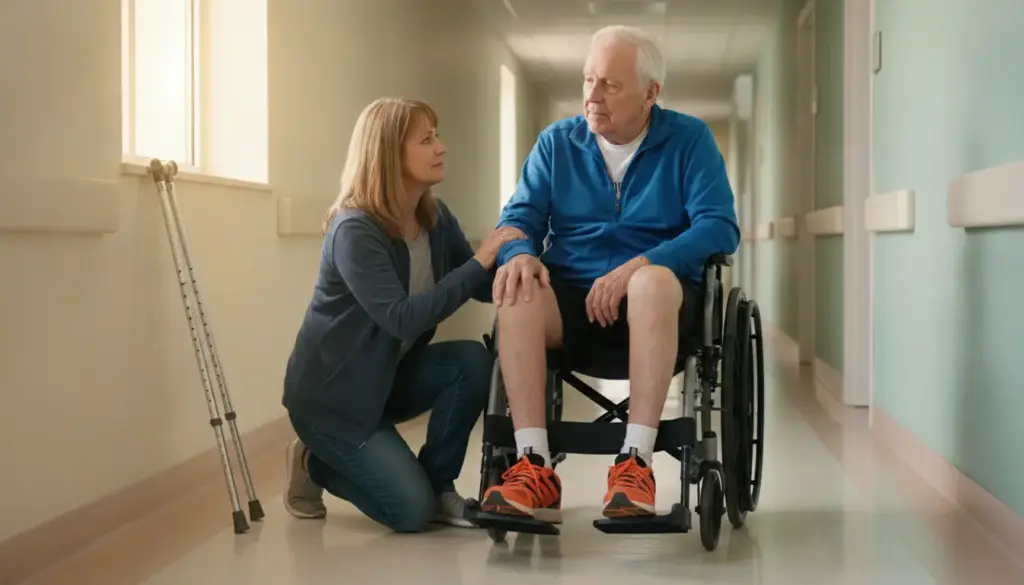
Why Recovery Can Become Complicated After an Active Life Many older adults stay active through walking, golf, pickleball, swimming, cycling, gardening, or regular fitness routines. That activity supports strength, balance, confidence, and social connection. Still, one serious fall, fracture, surgery, or mobility setback can quickly change what daily life requires. After an injury, an older athlete may need more support than family members can safely provide at home. A short-term rehabilitation center, skilled nursing facility, or long-term care setting may become part of the recovery plan. Families usually expect that stay to help their loved one regain strength, rebuild confidence, and return to a safer level of independence. Recovery can be slow. Pain, fatigue, frustration, limited movement, and emotional changes may all occur during the healing process. At the same time, families should know when a difficult recovery begins to look like unsafe care. Older adults healing from injuries can be more vulnerable to neglect, poor supervision, medication errors, dehydration, and preventable harm. The goal is not to assume every setback is mistreatment. The goal is to recognize concerning patterns early, ask direct questions, and protect an older loved one before a small issue becomes a serious injury. When Recovery Problems May Point to Unsafe Care Families often struggle to separate normal recovery challenges from signs that something is wrong. A loved one may already be dealing with pain, weakness, limited mobility, or fear of falling again. Those issues can make neglect or abuse harder to recognize in a care setting. Repeated falls, unexplained bruises, sudden weight loss, poor hygiene, untreated pain, missed meals, dehydration, and unclear explanations from staff all deserve closer attention. Emotional changes matter as well. If an older adult becomes unusually quiet, anxious, withdrawn, or fearful around certain staff members, families should take that change seriously. […]
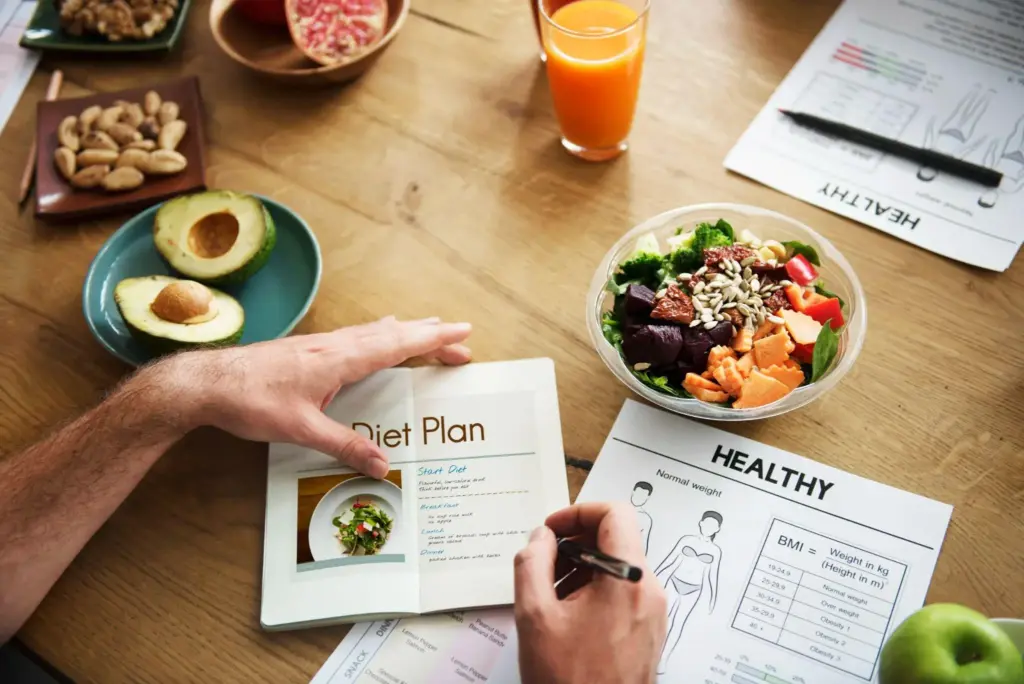
Let’s be honest, staying healthy is easy when motivation is high. The real challenge begins when life gets busy, your schedule changes, or you simply don’t feel like putting in the effort. What do you gotta do at such a time? Being consistent, and this is not about having endless motivation. It’s possible to do so by creating habits that you can follow easily, day after day. If staying consistent has been a challenge, we are unveiling five secrets here to build habits that actually last: 1. Start Small Instead of Going All In To change your lifestyle, it doesn’t take just one night. Instead, begin with a few simple habits and let them grow naturally. A few easy wins include: Drinking an extra glass of water every morning Walking for 20 minutes after work Sleeping 30 minutes earlier Adding one healthy meal to your day These small habits are easier to maintain and are much more likely to become permanent. 2. Make Healthy Choices the Easy Choice The less effort you need to put in, the more likely you’ll stick to that habit. You can try these simple tricks: Meal prep once or twice a week Keep healthy snacks within reach Carry a reusable water bottle Avoid skipping meals You may also prefer adding supplements like fish oil capsules to your routine for your overall wellness. It shouldn’t replace a balanced diet, but complement healthy and nutritious meals. 3. Don’t Run After Perfection Even if your one meal skips or you miss a workout, it won’t undo your progress. Don’t think of giving up at this stage. Keep these things in mind: Progress matters more than perfection Every healthy choice counts Getting back on track is more important than never slipping up 4. Give Your Body the Right Fuel We […]

When aiming for a leaner, stronger body, the scale can be misleading. Weight might stay the

Sports can be exciting, but some take danger to a whole new level. From jumping off

Runner’s knee has a sneaky way of turning simple stuff, stairs, squats, even sitting through a

Ever walked into practice feeling tired, grabbed a random snack, and hoped for the best? For

Picture this: the big game (or leg day) starts in 10 minutes—and someone is calmly wrapping

Ever wonder why playing sports makes you feel so good? It’s not just about winning games

Ever felt a sudden, sharp pain in your arm while lifting something or playing sports? Maybe

Ever looked at your local track and thought, “That’s just for sprinters and high school kids”?

Ever notice how some everyday tasks feel harder than they should, like carrying groceries, lifting a
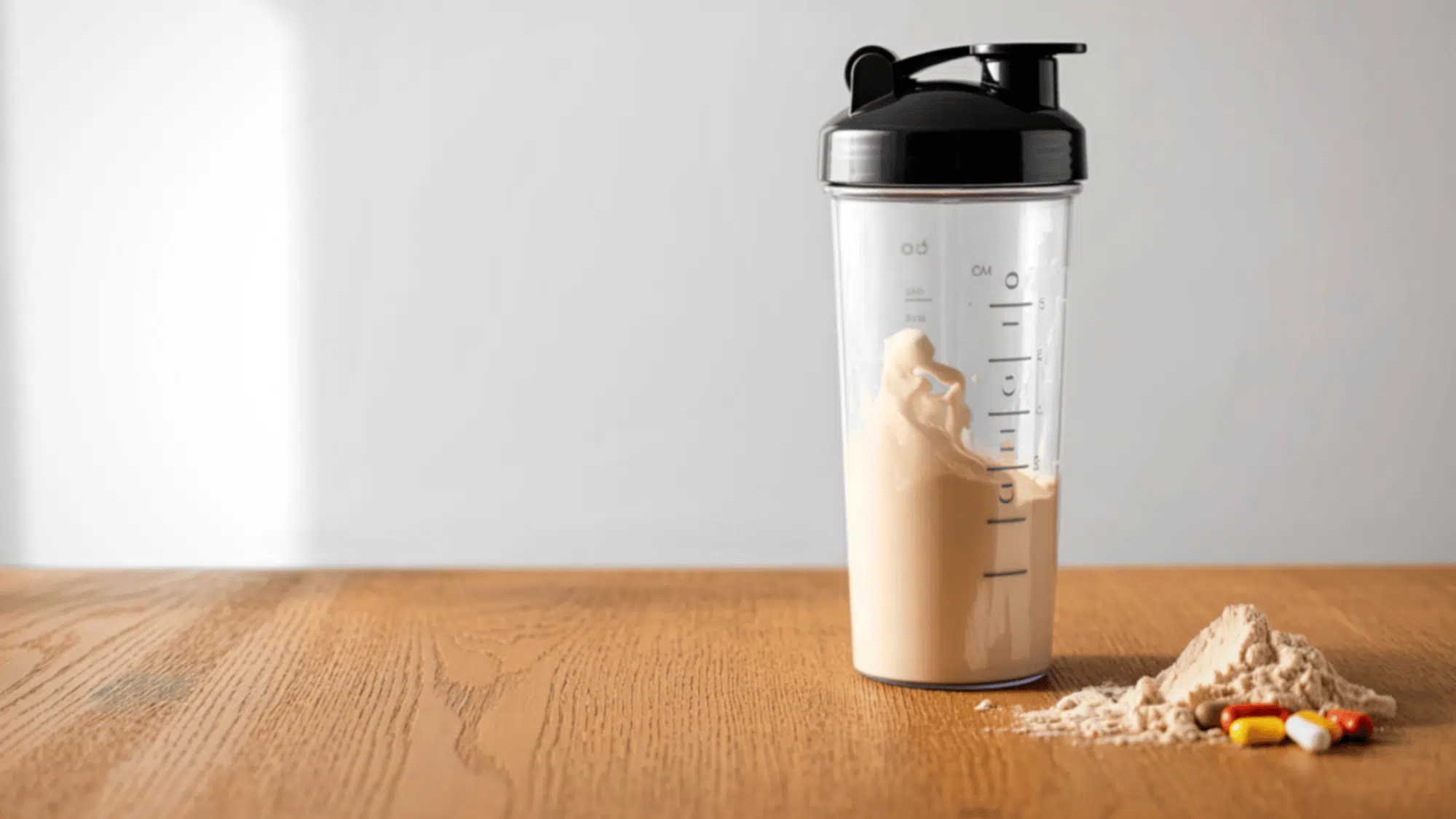
Want stronger last reps, a faster finishing kick, and less “dead legs” between hard workouts, without
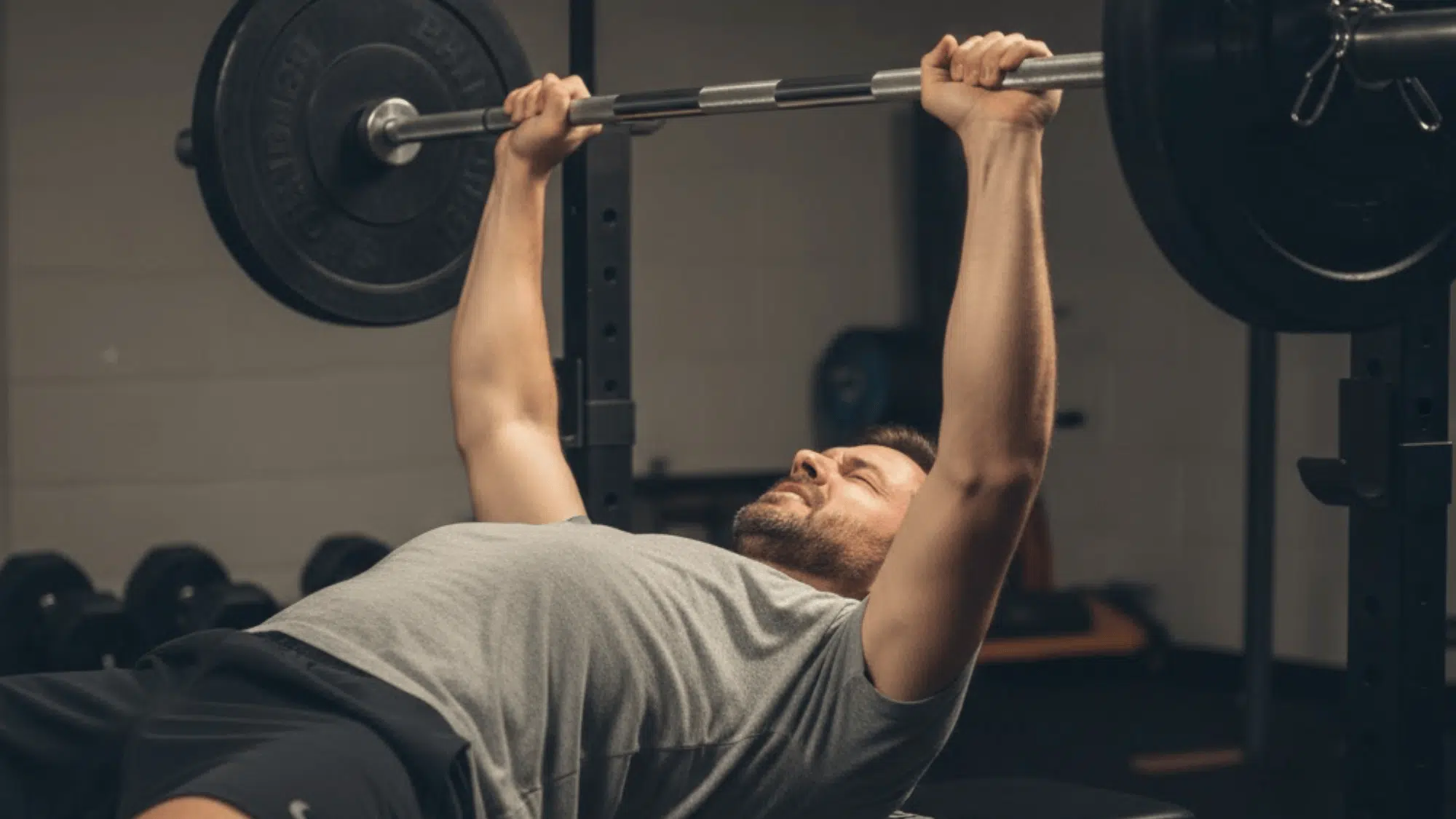
Bench pressing is supposed to build a strong chest, not wreck the shoulders. Yet many lifters

A lean athletic physique is more than just looking fit in the mirror. It means having