



It’s 2 AM, and an elderly father wakes up dizzy on the way to the bathroom. He grips the door frame. He misses. He falls on the tile floor, alone, his phone charging in the adjoining room. Such an incident occurs in households all over the nation on a daily basis.
This is precisely the reason why there are medical alert devices. It is activated by a small button or pendant that is worn. It takes a two-minute reaction to trained assistance out of a frightening, silent fall, rather than hours on the cold tile. So how does that little device pull off something so critical? These are the five things that occur behind the scenes, sequentially, since it is put on until help arrives.
A Wearable Button Sits Ready At All Times

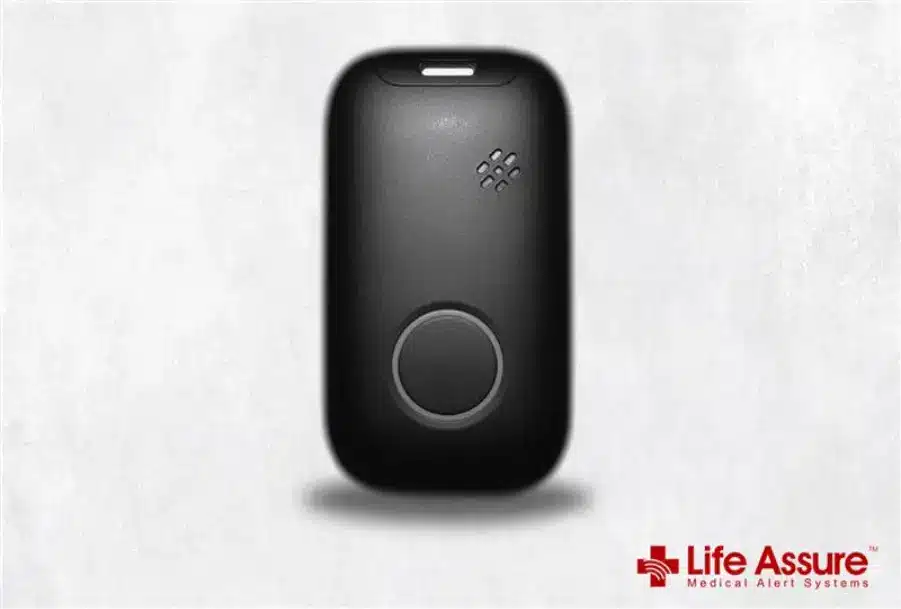
Learning how medical alert device works begins with the item that a senior carries: in fact, a pendant, wristband, or clip-on device, which is kept in easy reach around the clock. A mobile phone may be left on a nightstand or even lost in a wallet. This button does not; it remains on the body, in the shower, in the garden, on a walk around the block. A small radio transmitter, matched to a base unit or a cellular chip, is located inside. Pushing the button does not call 911. Rather, it transmits a message to an emergency-constructed monitoring center. A few features make this reliable:
- Shower and outdoor casing that is water-resistant.
- Several months of stand-by battery life.
- Signal range that reaches every room in a typical home
The Signal Travels To A Monitoring Center Within Seconds
When the button is pressed, the transmitter transmits a signal. A base station at a landline or cellular network is used to route home units. Mobile units are directly connected to a cell tower. The call is then sent to a live monitoring center, which is available 24 hours a day because there are no emergencies that will wait until business hours.
CDC fall data also show that older adults report more than 14 million falls annually, and most of them occur at home, when no one is around to help. After connecting, a trained operator goes through a couple of actions:
- Speaks through the two-way speaker on the pendant or base unit
- Confirms what happened and how the person feels right now
- Reviews account details before deciding on next steps.
Fall Detection Sensors Step In When A Person Cannot Press The Button
Not all falls leave a person aware or capable of pressing a button, and that is the hole that fall-detection technology fills. Inbuilt accelerometers monitor abrupt shifts in movements, velocity, and body position, differentiating a hard fall and normal movements such as sitting down in haste. As soon as such sensors detect a fall pattern, the device makes the call automatically, without pressing a button.
The 2024 study published by the National Institutes of Health in a hospital indicates that previous falls and joint problems are strong predictors of future falls.
Operators Assess The Situation And Send Real Help

After connecting, the operator does more than forward a generic alert. They ask questions, listen for distress signals, and have a profile in their system that shows medications, allergies and emergency contacts. Depending on what they hear, the response might look like this:
- Check with a family member or neighbor in the immediate area first.
- Call EMS if the fall or medical incident is serious.
- Stay on the line, guiding the person through next steps.
GPS And Home Sensors Extend Protection Beyond The Living Room
Mobile alert units also introduce GPS, so a senior who is gardening in the yard or taking a walk with the dog is covered as well as one sitting in a recliner. Other systems are compatible with home sensors, which indicate abnormal inactivity, such as a bathroom door that has not been opened in the morning. This stratified cover addresses a more general trend.
In a survey on aging in place by Pew Research in 2026, most older adults indicated they would prefer to remain at their current residence even when not sure they are safe doing so independently.
Conclusion
When all five pieces fit in place, what seemed to have been an easy device on the surface turns out to be a complete safety chain. There is a chain of events between the time when one notices something was wrong. Selecting the appropriate system all boils down to some practical questions: battery life, response time, and coverage.
The way that a device responds to the first ten seconds following a fall speaks louder than any brochure. A system that is in place to prevent a bad night before it can get worse results in peace of mind.