August 26, 2026
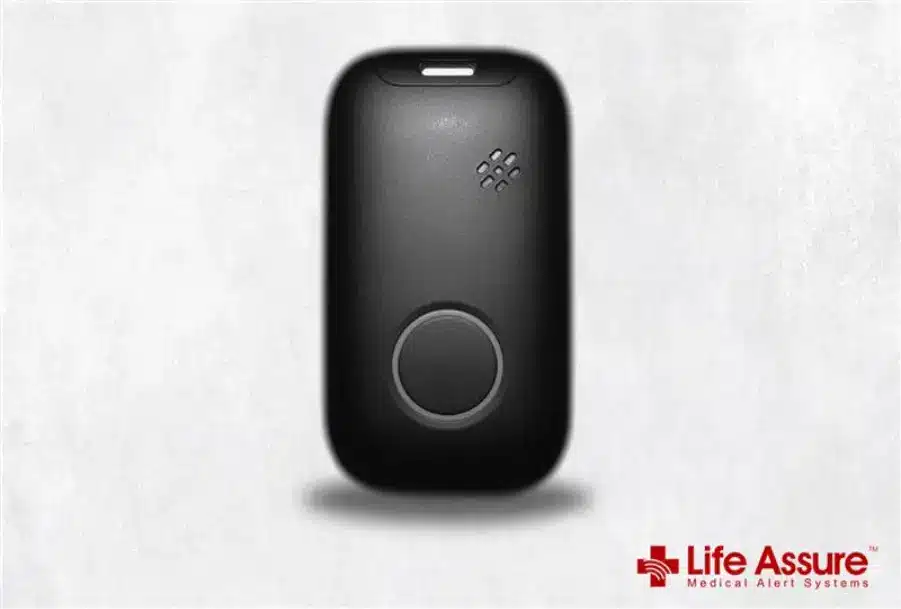
It’s 2 AM, and an elderly father wakes up dizzy on the way to the bathroom. He grips the door frame. He misses. He falls on the tile floor, alone, his phone charging in the adjoining room. Such an incident occurs in households all over the nation on a daily basis. This is precisely the reason why there are medical alert devices. It is activated by a small button or pendant that is worn. It takes a two-minute reaction to trained assistance out of a frightening, silent fall, rather than hours on the cold tile. So how does that little device pull off something so critical? These are the five things that occur behind the scenes, sequentially, since it is put on until help arrives. A Wearable Button Sits Ready At All Times Learning how medical alert device works begins with the item that a senior carries: in fact, a pendant, wristband, or clip-on device, which is kept in easy reach around the clock. A mobile phone may be left on a nightstand or even lost in a wallet. This button does not; it remains on the body, in the shower, in the garden, on a walk around the block. A small radio transmitter, matched to a base unit or a cellular chip, is located inside. Pushing the button does not call 911. Rather, it transmits a message to an emergency-constructed monitoring center. A few features make this reliable: Shower and outdoor casing that is water-resistant. Several months of stand-by battery life. Signal range that reaches every room in a typical home The Signal Travels To A Monitoring Center Within Seconds When the button is pressed, the transmitter transmits a signal. A base station at a landline or cellular network is used to route home units. Mobile units are directly […]