
Health & Care
Adult fitness is shifting away from repetitive pavement pounding in favor of smoother cardiovascular conditioning. Success in outdoor skating relies heavily on choosing the right introductory equipment to build foundational balance and prevent early injuries. Stabilizing boot structures paired with shock-absorbing wheels characterize USA Skate Shop’s roller skates for beginners, providing essential support for adults returning to the sport. This growing movement highlights the measurable health advantages of gliding across the pavement rather than striking it with heavy running shoes. Why Cardiovascular Health Requires Less Joint Shock Running exacts a heavy toll on the body due to repetitive vertical force. Biomechanical studies indicate that skating produces up to fifty percent less impact shock on lower extremity joints compared to running. This significant reduction in vertical force makes it an ideal alternative for older adults or individuals managing early-stage knee deterioration from previous athletic pursuits. A skater relies on a lateral push-and-glide mechanism to move forward, which alleviates the downward pressure typically placed on the meniscus and ankle ligaments during a jog. Participants can still elevate their heart rates into the aerobic zones necessary for cardiovascular conditioning without the compounding micro-trauma associated with high-impact sports. Medical professionals frequently recommend this movement pattern as a way to maintain intense cardiovascular output while protecting the skeletal system from long-term damage. Muscle Activation and Core Engagement From Quad Skates Unlike stationary cycling or jogging, which operate primarily in a linear plane, outdoor skating demands constant engagement from multiple muscle groups to maintain momentum over varying terrain. Balancing on quad skates forces the body to recruit core stabilizing muscles continuously. Every stride requires micro-adjustments from the erector spinae in the lower back and the transverse abdominis, turning a simple park loop into an effective postural workout. The biomechanics of self-propulsion target the abductors, gluteus maximus, […]

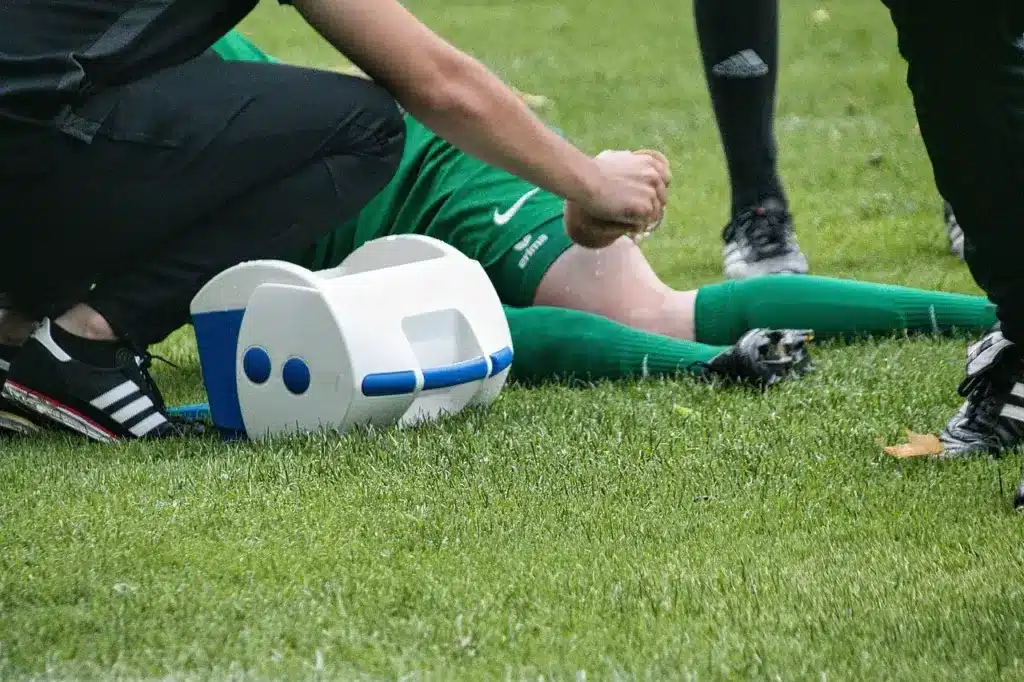
Torn ACL. Rotator cuff surgery. A cortisone shot for stubborn tennis elbow. Each year thousands of athletes and weekend warriors sign a consent form before they become somebody’s patient. Most people sign their name without even reading it. That’s a huge mistake. Informed consent isn’t paperwork. It’s conversation that safeguards your body, your rights and your future. Here’s the truth: In one study, more than 50% cited consent issues as the basis for lawsuits following cervical spinal surgery. Half?! Procedures following sports injuries sometimes have higher risk due to athletes needing to perform as well as heal. In This Guide: What Informed Consent Really Means Why Sports Injury Procedures Are Different The Risks You Should Be Told About What Happens When Consent Fails How to Protect Yourself Before Signing What Informed Consent Really Means Informed consent is a legal document. The doctor should explain the procedure, risks, alternatives, and prognosis. You should not sign anything until after this conversation. A proper informed consent process should cover: Your diagnosis in plain language The proposed treatment or procedure All material risks (including rare but serious ones) Alternative options (including doing nothing) Who will actually be performing the procedure Expected recovery and long-term impact Sounds simple, right? In practice though, it often gets abbreviated. Patients are handed a pile of forms right before surgery. A nurse enters the room, points to the signature spot and exits. That is not informed consent. That is a paperwork exercise. But when something DOES go wrong (you get an anesthesia error claim following a routine knee scope procedure) that conversation you had is at the heart of the matter. This is when many victims seek out a winning California medical malpractice lawyer to evaluate if they were informed of risks prior to the procedure. Why Sports Injury […]
Back and neck pain don’t discriminate — they hit office workers hunched over laptops, retirees who’ve thrown out their back gardening, and athletes pushing through old injuries alike. It’s one of the most common health complaints on the planet. Whatever’s driving it, whether that’s simple aging, a car accident, degenerative disc disease, or a herniated disc pressing on a nerve, the fallout tends to ripple outward: missed workdays, restless nights, a shrinking list of activities you’re willing to attempt. Spine treatment used to run on a fairly narrow playbook. Diagnose the condition, apply the standard fix, and move on. And to be fair, that worked well enough for plenty of patients. But doctors have gotten a lot more honest about something patients already knew instinctively: two people with the exact same MRI findings can need completely different treatment plans. Age, job demands, how much pain someone’s willing to tolerate, what they want their life to look like in five years — all of it matters. Medical technology has caught up with that reality, too. Patients walk into appointments now armed with more research and facing more choices than a decade ago would have offered. That combination — better tools, more informed patients — is pushing spine care toward something more tailored to the individual sitting in the exam room. No Two Spines Break Down the Same Way Even a shared diagnosis hides a lot of variation. One patient with a lumbar disc problem might be a weekend hiker desperate to stay active; another might just want to make it through a workday without wincing every time they stand up. Occupation, prior surgeries, general health, personal risk tolerance — these shape what “success” even looks like for a given patient. That’s part of why more surgeons are bringing up spinal fusion […]

If you train regularly, you know the small stuff adds up. Athlete’s foot that won’t quit, a UTI before a long run, swimmer’s ear after weeks in the pool, a skin infection from mat work. None of it is an emergency, but all of it can sideline you. The frustrating part is usually getting seen fast enough to keep your routine on track. Online urgent care has quietly become a useful tool for active people. You can reach a licensed clinician in minutes, handle the minor issue, and get back to training without burning a day in a waiting room. It is not a replacement for your doctor, but for the common stuff, it fits an athlete’s schedule. What Online Urgent Care Actually Does It is a virtual visit with a real clinician for minor, common conditions. You describe what is going on, share a photo if it helps, and get a treatment plan or a prescription sent to your pharmacy. No commute, no waiting room. A service like online urgent care from August runs around the clock at a flat, low cost, which suits people who train early, late, or on the road. You get a clear answer fast and keep your week intact. The Active-Life Issues That Suit a Virtual Visit Endurance and gym training come with a predictable set of minor problems, and most of them are exactly what virtual care handles well. These are the ones athletes deal with most: Athlete’s foot, jock itch, and ringworm, the classic locker-room trio Swimmer’s ear after heavy pool or open-water time Urinary tract infections, which can flare with long efforts and dehydration Skin issues from mat sports, like impetigo or irritated, infected scrapes Sore throat, seasonal allergies, and toenail fungus that nags for months Every one of these is […]


Running on a full stomach is the fastest way to turn an easy run into a

Ever wonder what makes an athletic body type different from other body types? If you’re naturally
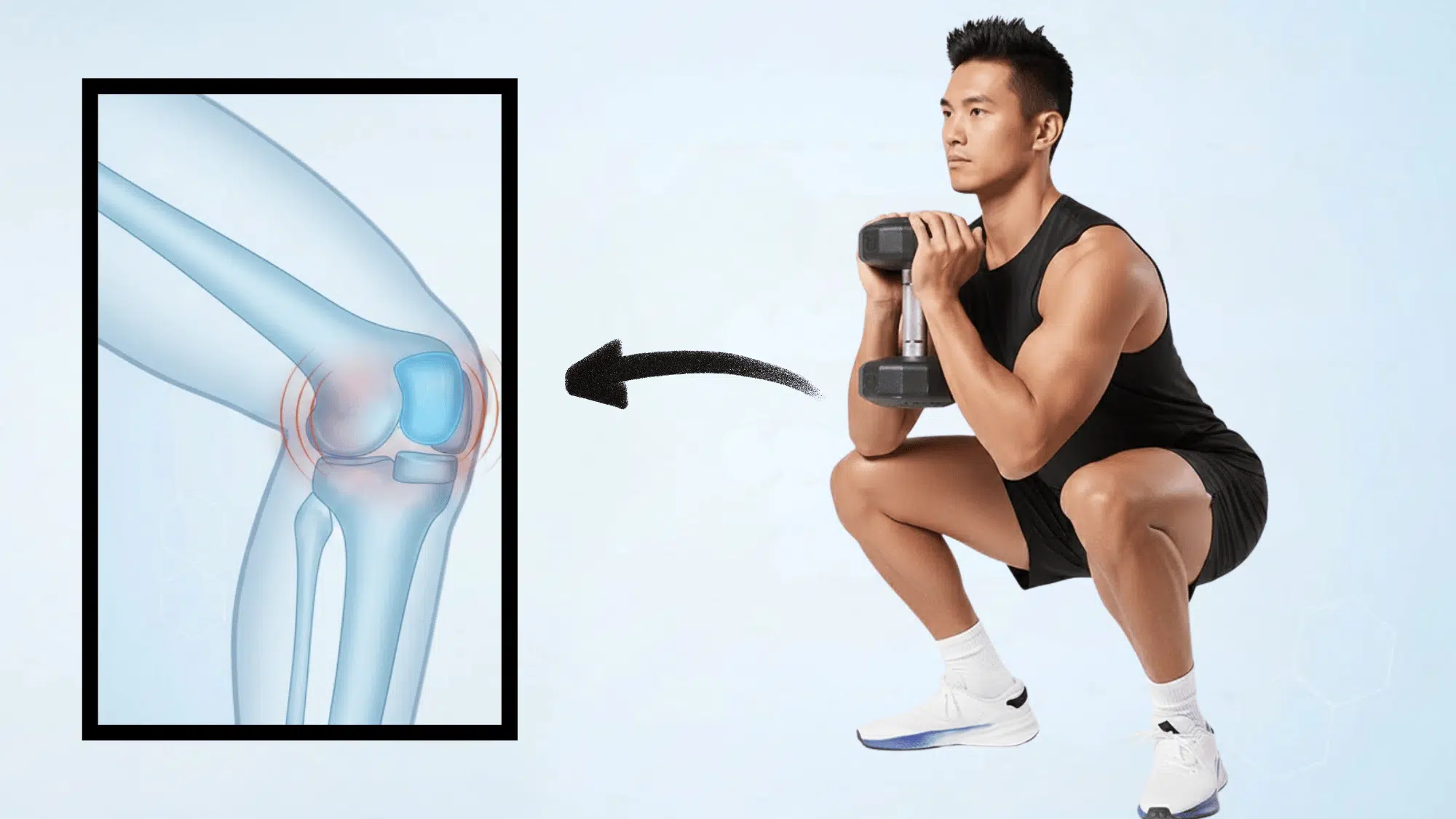
Ever drop into a squat and feel a sudden pinch in the knee that makes the