August 12, 2026
For a town of only 2,000, Cooperstown NY would normally be a quiet, quaint and charming travel stop for long drives through upstate NY. And for most of the year, that is mainly what the town is like. But, come the summer, Cooperstown becomes a beacon for baseball fans across the nation. Close to 300,000 visitors come to the town each year, and one of the reasons for this is the major 12U tournaments run by Cooperstown Dreams Park. The tournaments have been becoming even more popular in 2026, trending online as one of the most searched amateur baseball queries. So, what is Cooperstown Dreams Park? Opening in 1996, its tournament format has stayed remarkably stable, with a six-game guarantee going into elimination brackets. What’s been trending now? A travel baseball boom, a social media generation raised on highlight clips, and excitement about the big annual tournaments. Here’s the full breakdown. Travel Baseball Keeps Growing, Even Where Casual Play Doesn’t Where casual play of baseball has been on a decline, there has simultaneously been more of a focus and effort in the elite and pro-training levels of baseball. This has led to greater competition for destination tournaments and excitement around them. Generally, parents and coaches are looking for destination tournaments that provide an excellent competitive experience as well as double as great vacation spots for families, allowing for better justification of the expenses. One great marquee weekend with good video coverage and strong rival teams beats a hodgepodge of middling experiences. For Cooperstown Dreams Park in particular, we’re seeing most tournament weeks fill within 6 to 12 months in advance of the dates, with over 1,400 teams making the pilgrimage every summer. A Real Cooperstown, NY Address Another one of the benefits of Cooperstown Dreams Park is its proximity to […]

South Africa reached the World Cup knockout stage for the first time with a 1-0 win over South Korea in Guadalupe, Mexico. The Group A table, Thapelo Maseko’s 63rd-minute goal and late live markets on https://1xbet.ie/en all pointed to the same betting read: final-round prices must be checked against qualification needs, not reputation alone. South Korea began the match needing a draw to protect second place, while South Africa needed a win after taking one point from their first two games. The result moved Hugo Broos’s side to four points behind Mexico and sent Bafana Bafana into a Round of 32 match against Canada. A First That Came From One Clean Finish South Africa had played at the World Cup before, including as host in 2010, but they had never reached the knockout rounds. The 2026 breakthrough came after a rough start, not a smooth group run. The opening 2-0 defeat to Mexico left little room for mistakes. The 1-1 draw with Czechia kept the group alive through a late Teboho Mokoena penalty. Against South Korea, Tshepang Moremi came on in the 62nd minute and set up Maseko almost immediately. Maseko finished inside the near post in the 63rd minute, and South Africa protected the lead until full time. Group A detail South Africa’s path Match 1 Mexico 2-0 South Africa Match 2 South Africa 1-1 Czechia Match 3 South Africa 1-0 South Korea Final points 4 Final place 2nd behind Mexico Next match Canada in the Round of 32 The Table Changed the Price South Korea started strongly. Kim Min-jae had an early header blocked on the line by Aubrey Modiba, and Lee Kang-in also threatened before South Africa settled into the match. Son Heung-min came on at halftime as South Korea tried to change the attack, but the goal […]

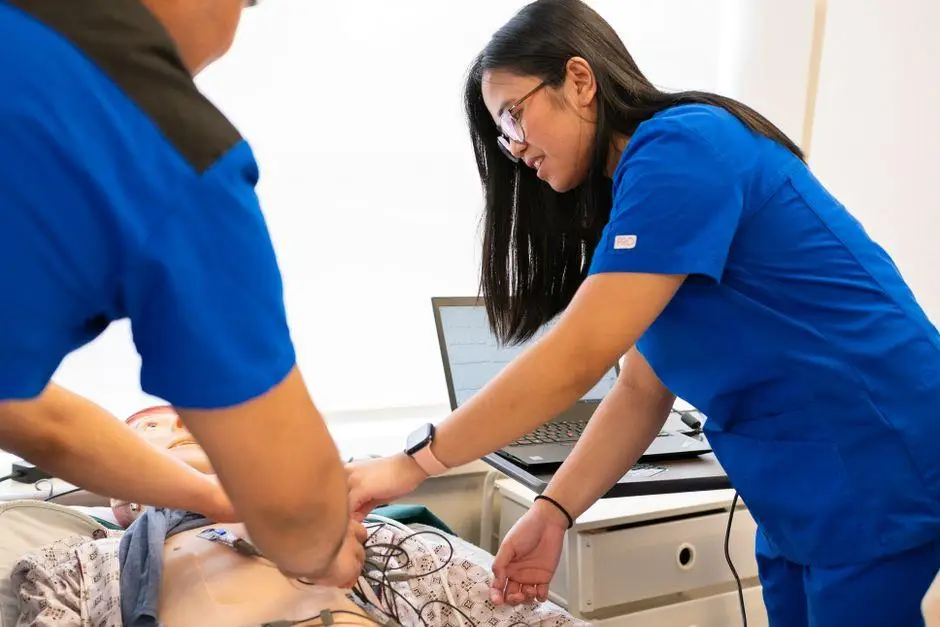
Most people enter nursing with a clear picture of the destination and a fuzzy one of the road there. They imagine the work itself, the patients, the sense of doing something that matters. What comes first is a stretch of school that is harder, faster, and more demanding than most expect going in. Nursing programs compress an enormous amount of clinical knowledge into a short window and ask students to apply it under real conditions while they are still learning it. Knowing what that actually looks like before you commit makes the difference between finishing and stalling out. Choosing the Right Path In Prospective students often pick a program based on what a friend did or what a school happened to advertise, without checking whether the structure matches their own background. That choice shapes the next two to four years of their life, along with how much they pay and how soon they start earning. Anyone weighing traditional vs accelerated BSN options should look at how prior education factors in first. A traditional program runs at least 120 credit hours across four years, while an accelerated route typically covers around 60 because general education requirements are already met. The Weekly Time Commitment The number that surprises people most is the hours. Full-time nursing study is not a class schedule with study time around it. It is closer to a demanding job, and in intensive formats it can consume most of the waking week once lectures, independent coursework, assignments, and clinical hours are counted. Students who plan to work through it frequently find that they cannot, or that their grades pay for the attempt. Working out honestly what your finances require before enrolling is one of the more important decisions in the whole process. Coursework That Builds on Itself Nursing content is cumulative […]