
Home & Gym
It is possible to set up a personal home gym using the right combination of functional equipment, efficient layouts and environmental controls. To turn a spare room, garage or basement into a high-performance training hub, it’s all about selecting elements that maximize energy levels, support airflow and make small spaces feel big. Strategic structural choices like high-efficiency glass installations create the ideal atmosphere for consistent, day-to-day fitness routines. Natural Lighting for Optimal Training Environments Light is a key factor in maintaining motivation, energy and focus during difficult exercise sessions. By incorporating sophisticated architectural features from Halifax Canadian Choice Windows and Doors, natural sunlight can flood interior spaces, instantly opening up compact layouts and banishing the dark, dingy feeling of closed-off rooms. Better daylight means less reliance on harsh artificial lights, and a warm, welcoming space where early morning workouts or late afternoon training feel refreshing and energizing. Temperature control and airflow control Indoor climate conditions are controlled to keep workout areas comfortable no matter what the outside weather conditions are. High-end multi-pane glass units and specialty door configurations provide superior thermal insulation eliminating drafty cold spots during the winter months and excess heat buildup during those intense summer sweat sessions. Fresh outdoor air can circulate freely through the space with dynamic ventilation options, helping to clear moisture, balance humidity levels and maintain fresh air during heavy lifting or high-intensity interval training. Compact and Versatile Exercise Equipment If you are designing a complete workout facility in a small footprint, you want to maximize physical floor space. With space-efficient strength training systems like adjustable dumbbell sets, heavy-duty resistance bands and space-saving kettlebells, full racks of traditional gear are replaced without sacrificing exercise options. Wall-mounted storage tracks keep gear off the floor, leaving the main training area completely clear for dynamic movement and […]

During a round, you may walk across wet fairways, firm links turf, steep banks and uneven, rough ground, sometimes within a few holes. Those changes affect how your feet grip the ground and how comfortable you feel after several hours of walking. Footwear that suits a dry, flat course may become frustrating when rain softens the ground or slopes test your stability. Choosing shoes around the courses you play gives you practical support, helping you move naturally and concentrate on your next shot rather than sore feet or uncertain footing. Why Course Conditions Matter When Choosing Golf Shoes Think about the ground you encounter most often. Soft parkland courses generally demand more traction, particularly after rain, while firm links courses may suit lighter shoes with less aggressive soles. Terrain matters too. If you regularly play hilly courses, a secure heel and supportive sole can stop your feet shifting inside the shoes as you cross slopes. On flatter layouts, you may prefer flexibility and lighter construction for easier walking. Grip and Traction for Different Surfaces Spiked shoes usually provide stronger traction on soft, wet ground because their cleats penetrate the turf. This can help when you swing from a damp lie, where a slipping back foot could disrupt your balance and change how you deliver the club. Spikeless models use moulded lugs or patterned rubber outsoles. They often work well on dry, firm courses and feel more natural when you move between grass and clubhouse areas. Check the outsole pattern before buying. Wider-spaced, deeper traction elements generally cope better with soft turf. Prioritising Comfort During Long Rounds Walking 18 holes can cover several miles, so minor fit problems can become painful. A loose heel may rub repeatedly, while a narrow toe box can become uncomfortable as your feet swell during a […]

Soccer players spend considerable time choosing cleats, yet the layer between the foot and the boot often receives far less attention. That layer can influence how closely the footwear fits, how moisture is managed and how much unwanted movement a player feels during stops, cuts and changes of direction. Grip socks have become common from youth academies through adult competition, but a silicone pattern alone does not make every pair perform the same way. Thickness, fiber selection, fit and construction all matter. The best choice is not necessarily the sock with the largest grip elements or the loudest performance claims. It is the one that works as part of the player’s complete foot–sock–cleat system. Why Movement Inside the Cleat Matters The studs on a soccer cleat are designed to interact with the playing surface. Inside the boot, however, another interface exists: the foot moves against the sock, and the sock can move against the insole. That does not mean a sock will make a player faster or prevent injury. Those outcomes depend on many factors, including strength, technique, footwear, field conditions and training. A well-designed performance sock has a narrower job: help create a secure, consistent fit without adding unnecessary bulk. This distinction is important. Grip should support the footwear setup, not compensate for cleats that are the wrong size or shape. If the toes are compressed, the heel lifts significantly or the upper does not match the foot, changing socks will not solve the underlying fit problem. What Should Players Evaluate? When comparing soccer grip socks, players should look beyond the sole pattern and consider the complete construction. 1. Grip Placement External grip elements are intended to increase friction between the sock and the cleat’s insole. Placement matters as much as visual size. Traction should cover the areas used […]

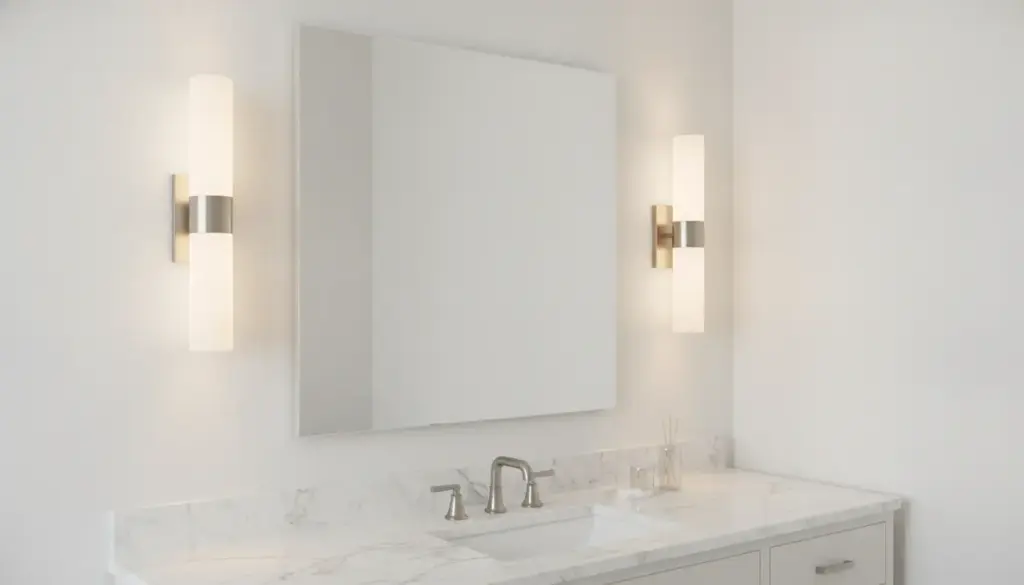
A bathroom can have magnificent light fixtures but still leave a face poorly lit at the mirror. Even with exquisite lighting settings, a face in the mirror may not be well-lit. The position of each sconce influences shadows, glare, and how well a person sees their own reflection. Mirror sizes, vanity widths, ceiling heights, and fixture styles vary, so there isn’t a single dimension that fits for every bathroom. This article discusses the crucial location choices that enable a homeowner to provide optimal lighting at the bathroom mirror. Mirror Size Determines Sconce Position The mirror should guide every placement decision before a homeowner purchases any light fixture. A person must measure the mirror and the vanity separately because these two elements have completely different widths from one another. Bathroom wall sconces should never be chosen before these measurements are taken and recorded properly. A careful measuring process prevents buying a fixture that simply will not fit the vanity wall at all. Flank the Mirror With Side Sconces Side placement works best for most vanities used for shaving, makeup application, grooming, and other close-up tasks performed at the mirror. Light arriving from both sides illuminates the face more evenly than light coming primarily from a fixture above the head. This arrangement reduces shadows under the chin, around the nose, and beneath the eyes that make grooming tasks more difficult to complete. Find the Right Height The light source should sit roughly at eye level for the person who uses the vanity most throughout the day. Household height, mirror dimensions, and fixture design all affect the ideal mounting height for any given installation. A good starting point is sixty to sixty-five inches from the finished floor to the center of the fixture’s mounting plate. Decide How Far the Fixtures Should Sit From […]

Pickleball is easy to start, but paddle choice can quickly affect comfort, accuracy, and confidence on

Supportive Sneaker Features That Help Kids Stay Active Children need comfortable footwear that supports movement during
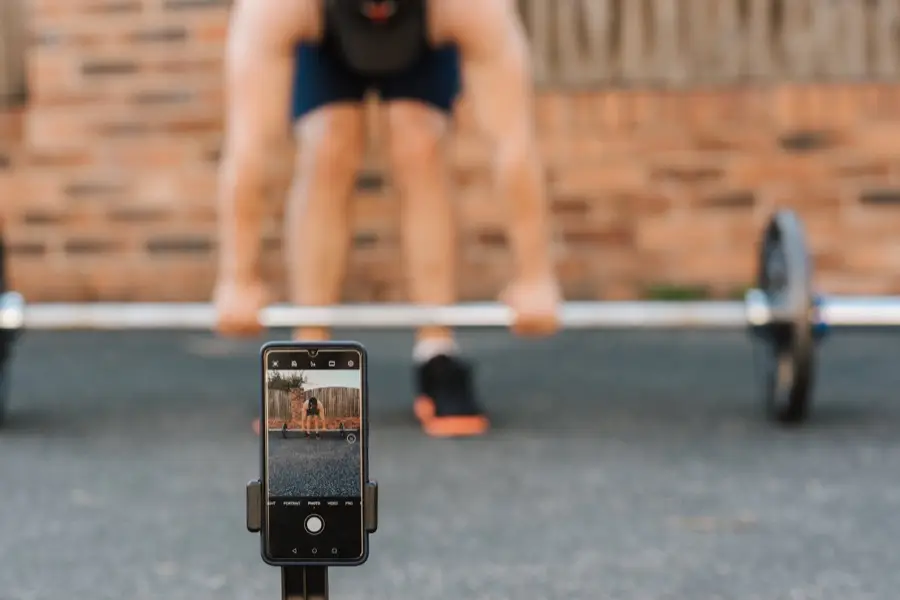
The fitness and sports world has undergone a dramatic transformation over the past decade. What once

A solar generator is now a serious backup option for U.S. homes, not just a camping
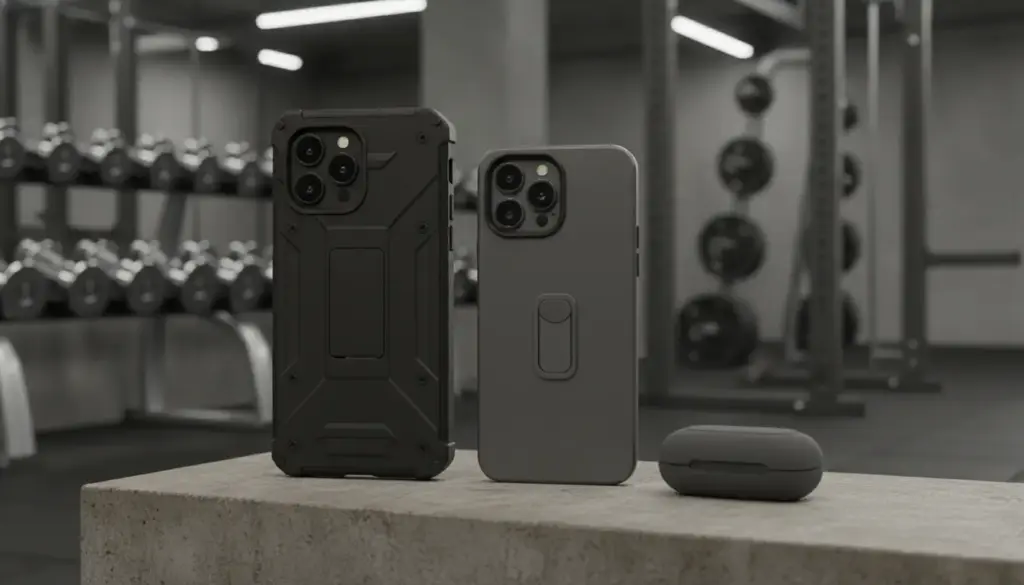
If you’re the kind of person who doesn’t put your phone away when you work out
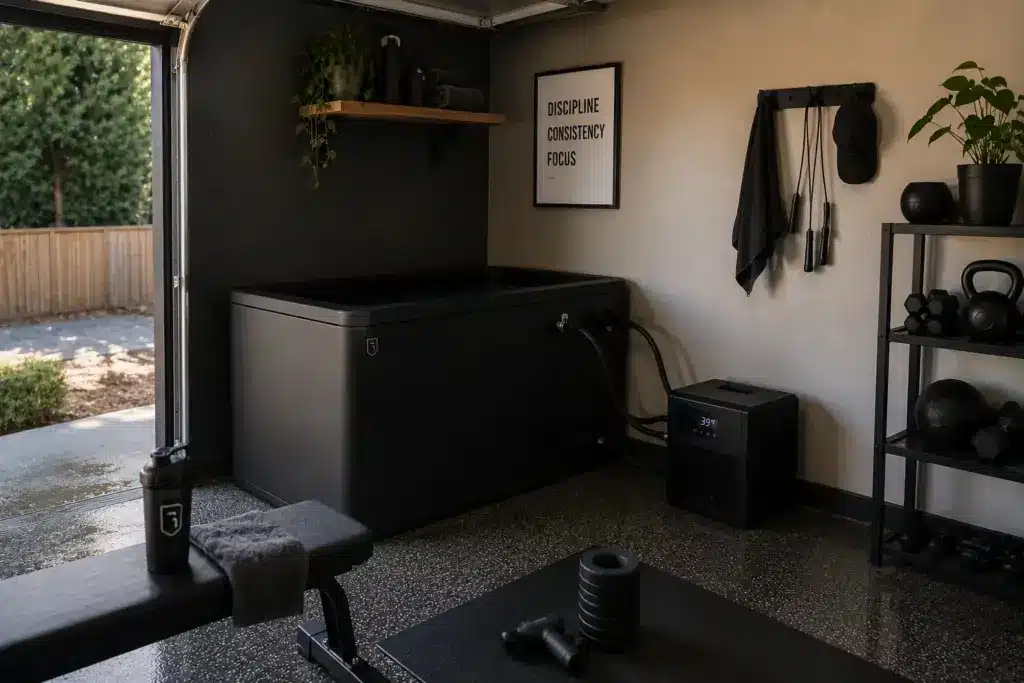
Recovery matters as much as the workout itself. Cold-water immersion has moved out of pro sports
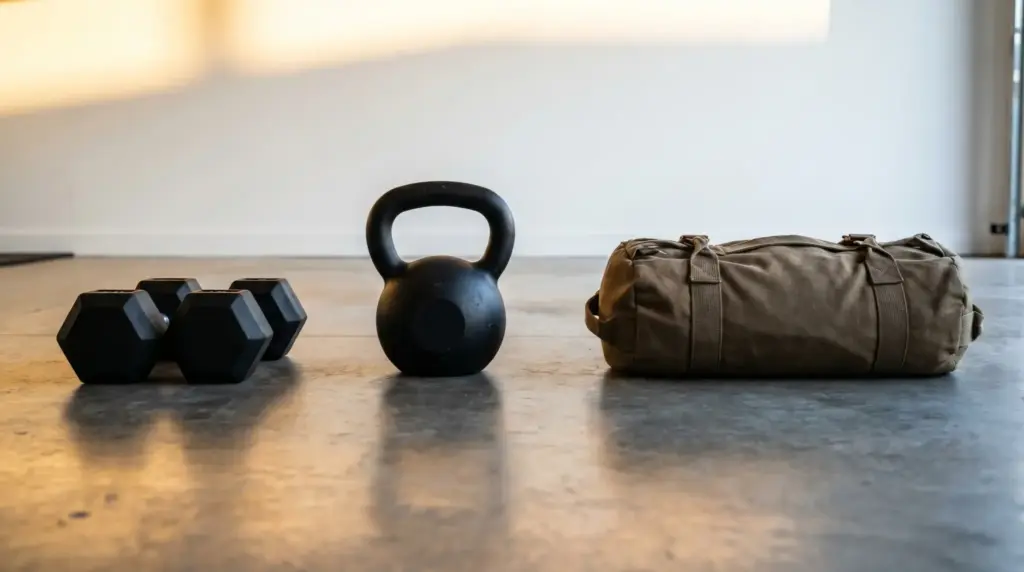
Setting up a home gym means making smart choices about which equipment will actually help you

The performance gap between athletes competing at the highest level has never been smaller. In almost
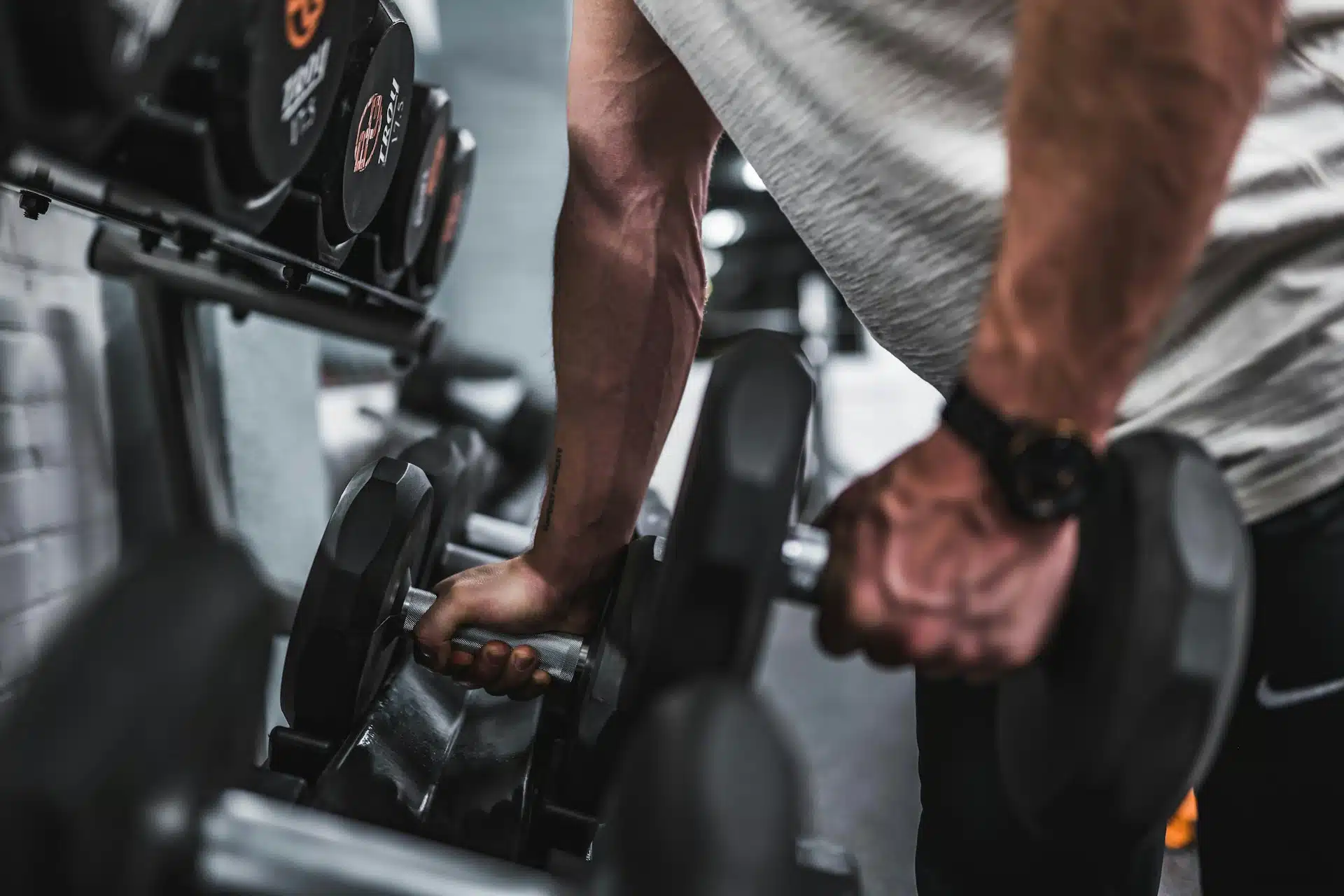
Trying to squeeze in a workout when your calendar’s already full? Yeah, it’s tough. Most of
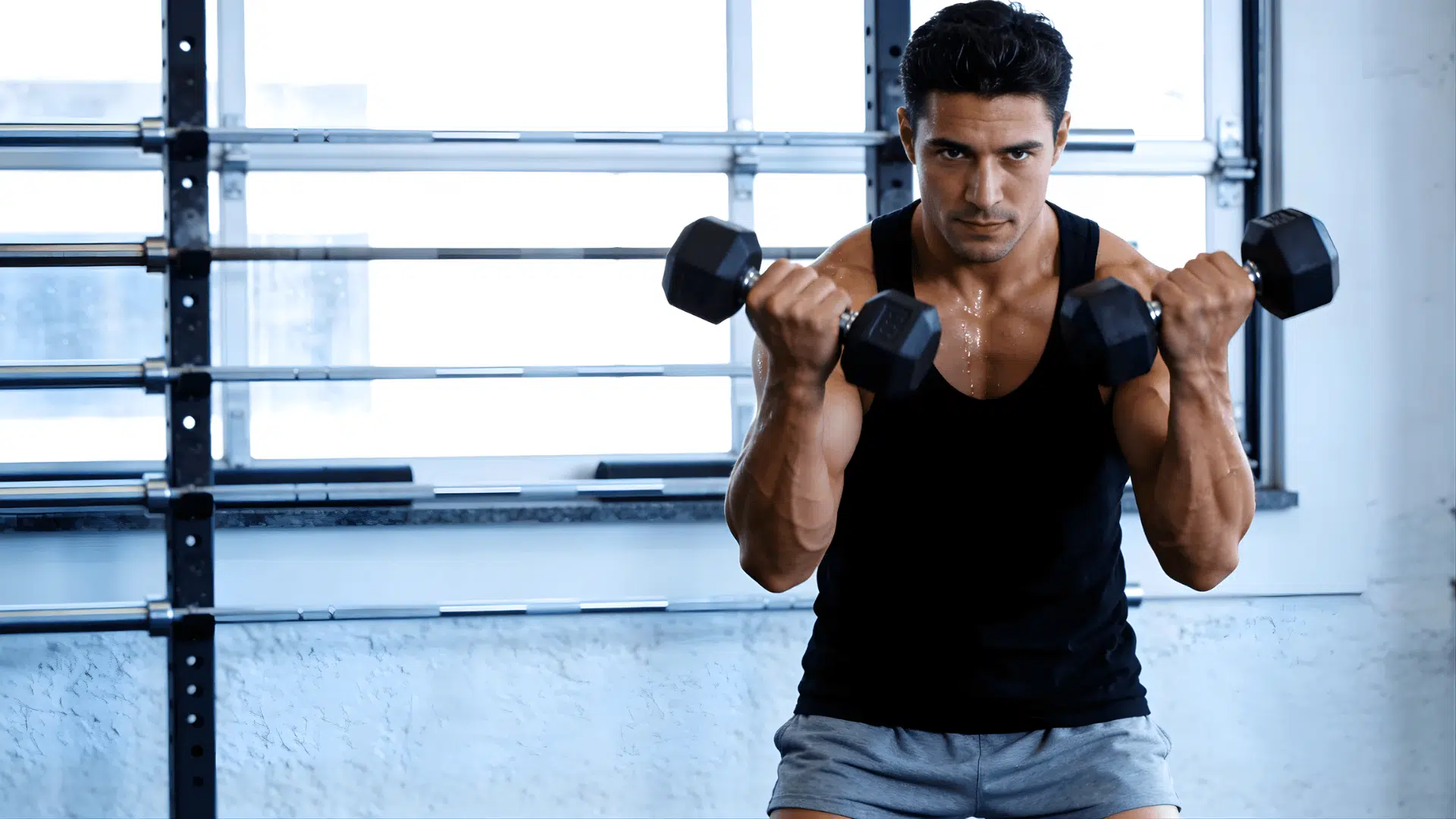
I’ve worked with many people who want stronger arms but feel unsure about where to begin.
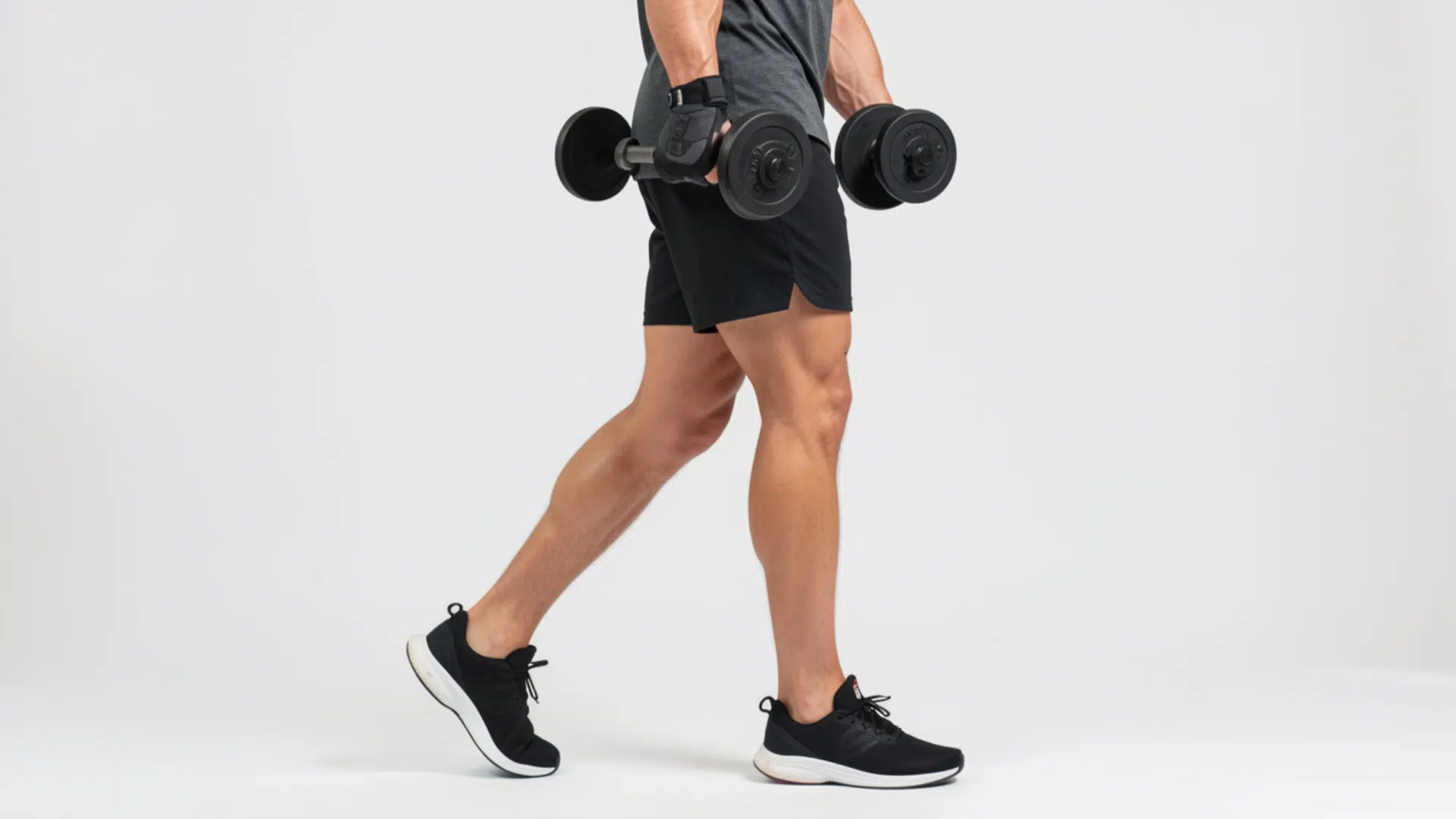
I know how frustrating it can feel when your legs look strong, but your calves don’t
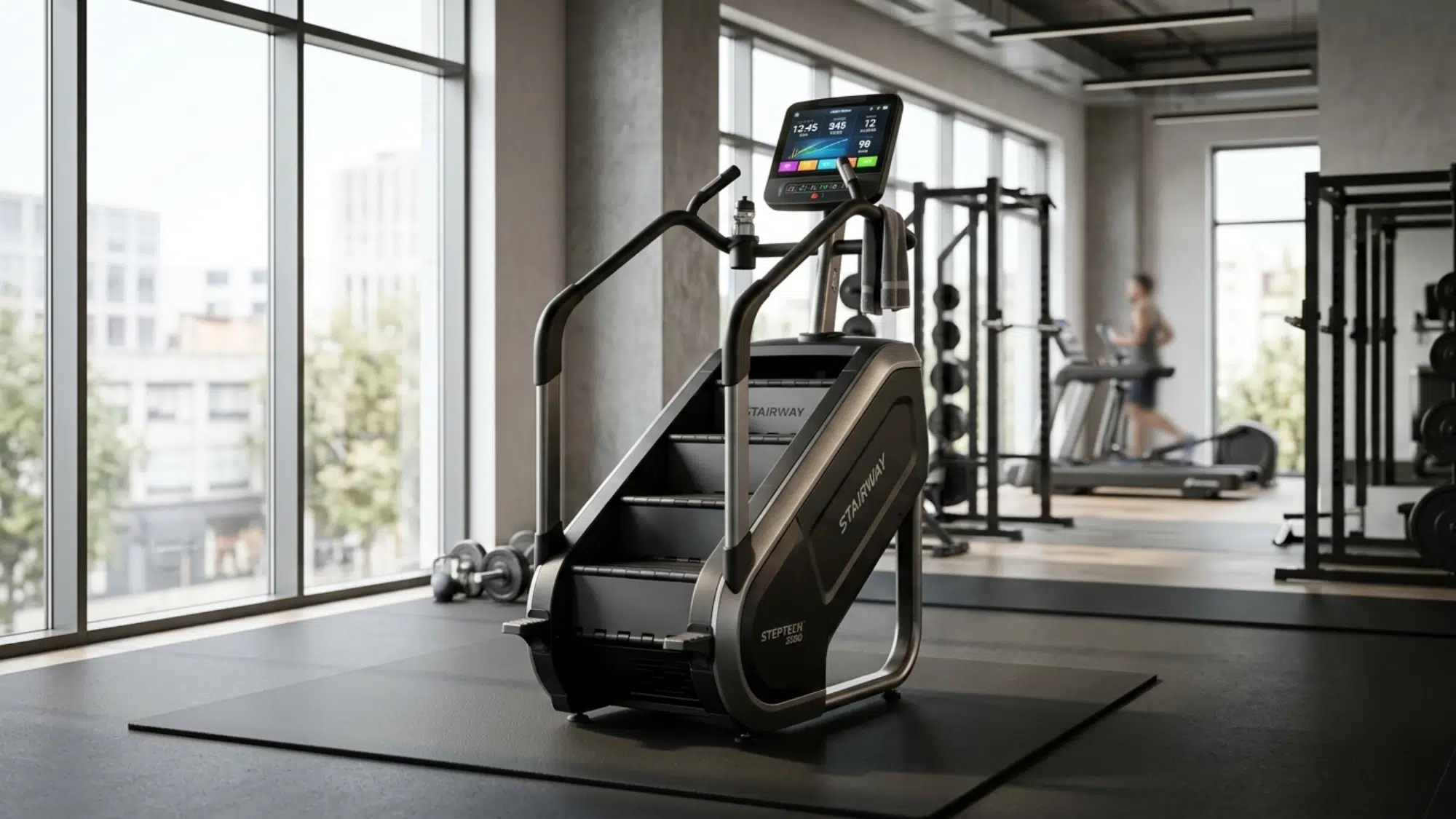
I used to think cardio had to be boring to work. Then I tried a stair