
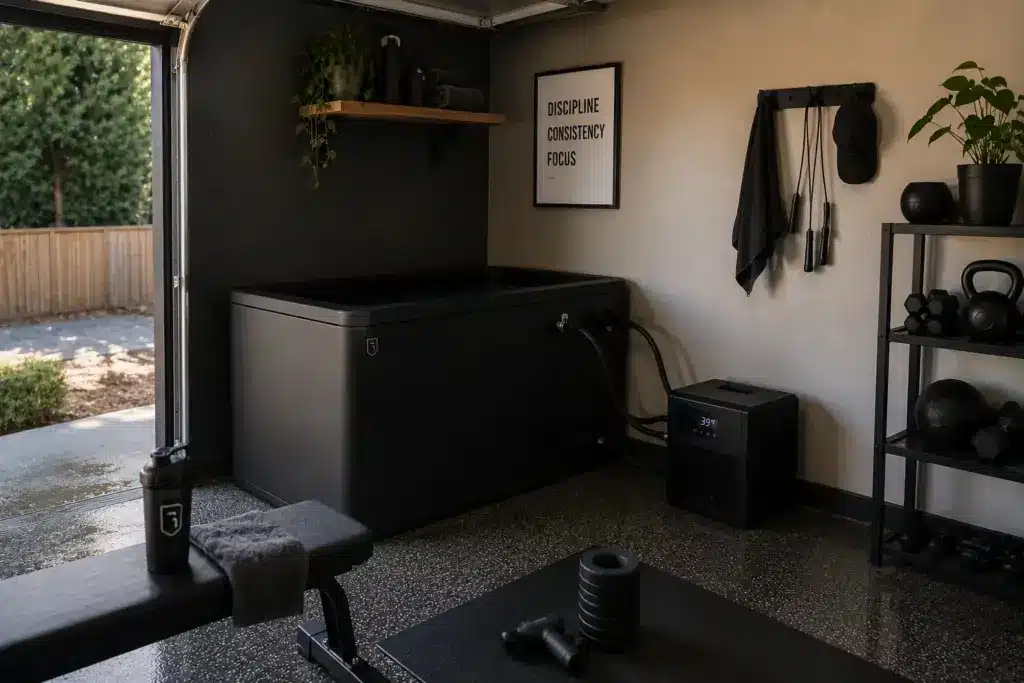


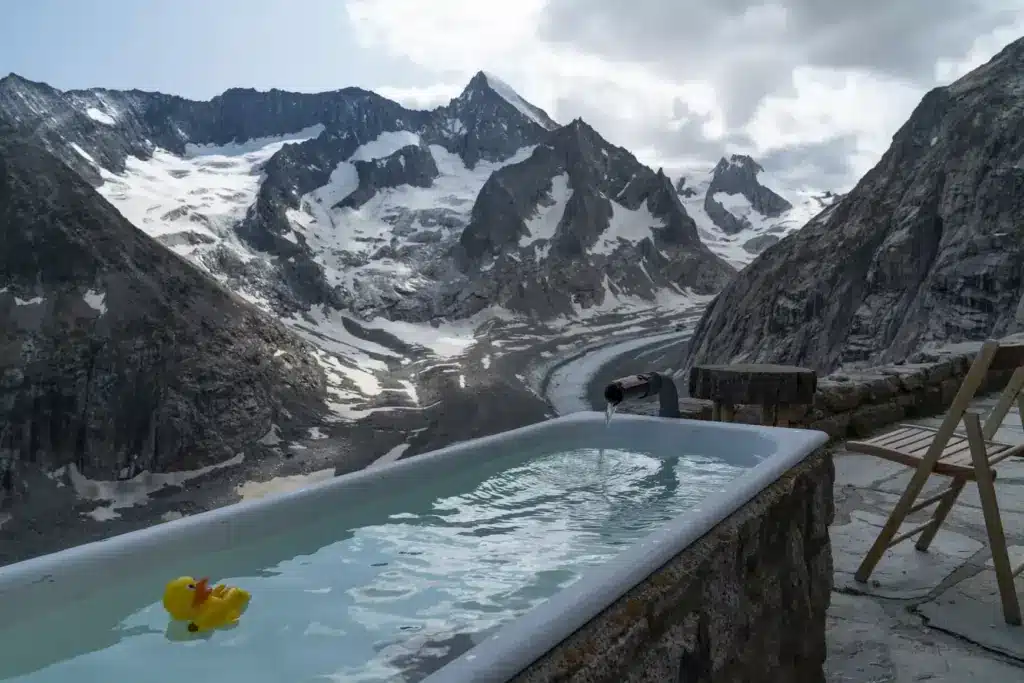
Recovery matters as much as the workout itself. Cold-water immersion has moved out of pro sports locker rooms and into home gyms across the country. Athletes at every level now use ice baths to bounce back faster, and the equipment to make that happen has evolved significantly.
The days of hauling 40-pound bags of ice from the gas station are fading. Modern cold plunge chillers plug into a standard outlet, hold a set temperature automatically, and run 24/7. Persistence Market Research projects the global cold plunge tub market at $512.9 million by 2026, with Grand View Research reporting the residential segment growing at 7.4 percent annually as more athletes build recovery stations at home.
This guide covers the six best cold plunge chillers for home recovery, the science behind why they work, and how to use them for the best results. Whether you’re a recreational runner or a competitive lifter, the right chiller makes consistent cold therapy possible.
Why Cold Plunge Therapy Works for Athlete Recovery
The science behind cold-water immersion keeps getting stronger. A 2025 network meta-analysis of 55 randomized controlled trials published in Frontiers in Physiology found that cold-water immersion at 11 to 15 degrees Celsius for 10 to 15 minutes significantly reduces delayed-onset muscle soreness and improves jump performance following exercise. The effect on DOMS was substantial, with a standardized mean difference of -1.45.
A 2026 soccer-specific meta-analysis in the Scandinavian Journal of Medicine and Science in Sports confirmed similar benefits. Cold-water immersion significantly improved muscle strength recovery in trained soccer players, with an SMD of 1.02, and reduced soreness with an SMD of -1.04.
Beyond muscle recovery, a 2025 PLOS One review covering 11 studies and roughly 3,200 participants found that regular cold exposure was associated with 29 percent fewer sick days and stress reduction that lasted roughly 12 hours after each session.
These findings explain why an estimated 70 percent of North American professional sports teams now use cold-water immersion for recovery. The same technology pro teams rely on is now available in home-sized chillers that fit in a garage or backyard.
Top Cold Plunge Chillers for Home Recovery
Not all cold plunge chillers are built the same. Cooling power, filtration systems, temperature range, and overall ease of use can vary significantly from one model to the next. The options below represent some of the strongest choices for home athletes in 2026, covering everything from budget-friendly entry points to premium recovery systems designed for daily use.
1. Warrior Willpower
Warrior Willpower’s water chiller collection covers every home setup scenario with horsepower options from 1/3 HP to 1 HP, so you can match cooling power to your tub size. Each cold plunge chiller uses a reusable metal filter that saves money compared to disposable cartridges, and the systems work with inflatable tubs, acrylic plunge pools, and stock tanks alike. For athletes who want a system that handles temperature control without fuss, this is the place to start.
2. 1stplunge
1stplunge sells everything in one box. The Ice Bath Chiller and Tub kit pairs a 1/3 HP chiller with a 148-gallon tub rated for outdoor use, and it can cool water to 42 degrees Fahrenheit. The smart touchscreen lets you dial in the temperature without guessing, and the chiller runs at roughly 40 decibels. If you want something that arrives and works the same day, this is the simplest path.
3. Ice Barrel
Ice Barrel focuses on a compact vertical design that takes up less floor space than traditional plunge tubs. The 500 bundle includes a Wi-Fi connected chiller that can reach 37 degrees Fahrenheit even when ambient temperatures hit 120 degrees, making it a strong choice for warm climates or garage setups. The companion app includes guided breathing exercises and cold exposure programming that directly supports your recovery routine.
4. Sun Home
Sun Home’s Cold Plunge Pro sits at the top of the market. The 1 HP chiller can push water temperatures down to 28 degrees Fahrenheit and even produce ice, which matters for athletes who want extreme cold exposure. Triple filtration using a 20-micron sediment filter, UV sterilization, and ozone sanitization keeps the water clean without heavy chemical dosing. The stainless steel interior stands up to years of use, and at this price point it competes with commercial-grade recovery equipment.
5. AS ColdPlunge
The AS ColdPlunge 1/3 HP chiller delivers solid performance without the premium price tag. It handles tubs up to 79 gallons, uses a reusable metal filter, and comes with insulated hoses and a submersible pump. At roughly $500 to $700, it’s the most affordable option in this list that still uses a real compressor-based chiller rather than a recirculating pump.
6. The Pod Company
The Pod Company’s Pro 0.5 HP chiller handles high ambient temperatures better than most units in its class. It chills water to 39 degrees Fahrenheit and cools roughly twice as fast as standard 1/3 HP models when the surrounding air is above 85 degrees. The 20-micron filtration catches sediment without expensive replacement cartridges, and the compact footprint fits into tight garage or patio corners. Hot-climate athletes who have watched standard chillers struggle in summer heat will appreciate the upgrade. For more on how cold therapy fits into a full recovery plan, check out our guide on managing muscle soreness after workouts.
How to Choose the Right Cold Plunge Chiller
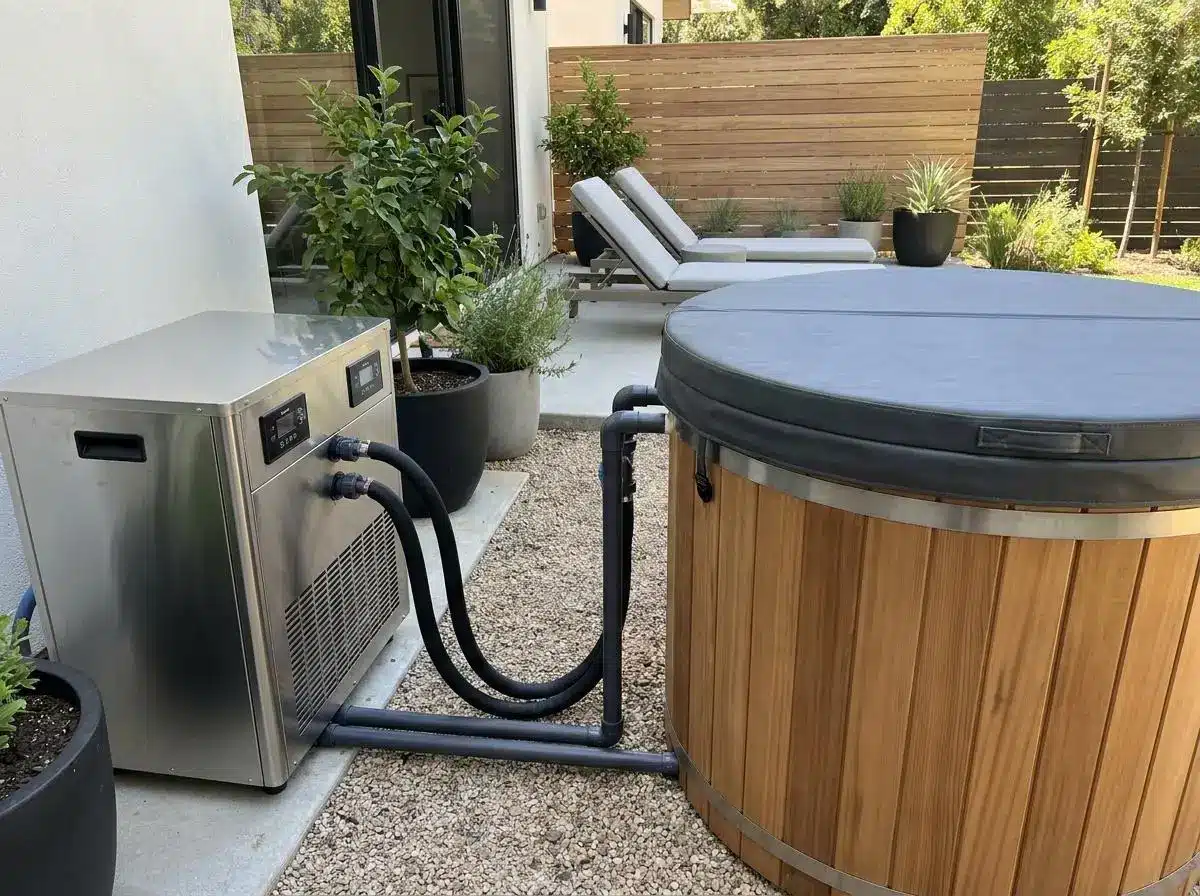
Not every chiller fits every athlete’s setup. Here are the factors that matter most.
- Horsepower sizing. A 1/3 HP chiller handles tubs under 100 gallons. For larger tubs or faster cooling, step up to 1/2 HP or 1 HP. The right size depends on your tub volume and your climate.
- Target temperature. The ideal cold plunge range for recovery sits between 37 and 42 degrees Fahrenheit. Any chiller you buy should reach and hold those temperatures without struggling.
- Filtration type. Reusable metal filters cost more upfront but save money over time compared to disposable cartridges. If you plan to use the chiller daily, the metal filter pays for itself within months.
- Noise level. Indoor chillers should stay under 50 decibels. Most 1/3 HP units are quiet enough for a bedroom or living area. Larger compressors get louder, so factor that in if the chiller sits near your training space.
- Electrical requirements. Most home chillers run on standard 110-volt outlets. Higher-horsepower models may need 220-volt circuits, which adds installation cost.
- Warranty. Look for at least one year of coverage. Two to five years is better and signals that the manufacturer stands behind the build quality.
Grand View Research reports the residential cold plunge segment is growing at 7.4 percent annually as more athletes build home recovery setups. Prices range from roughly $500 for a basic 1/3 HP unit to over $3,000 for a premium system with full filtration and smart controls. When shopping for a cold plunge chiller, pay attention to these specs instead of just the price tag. Runner’s World has reported on how endurance athletes use cold plunges for post-race recovery, and the same principles apply to home setups.
Cold Plunge Protocol Tips for Maximum Recovery
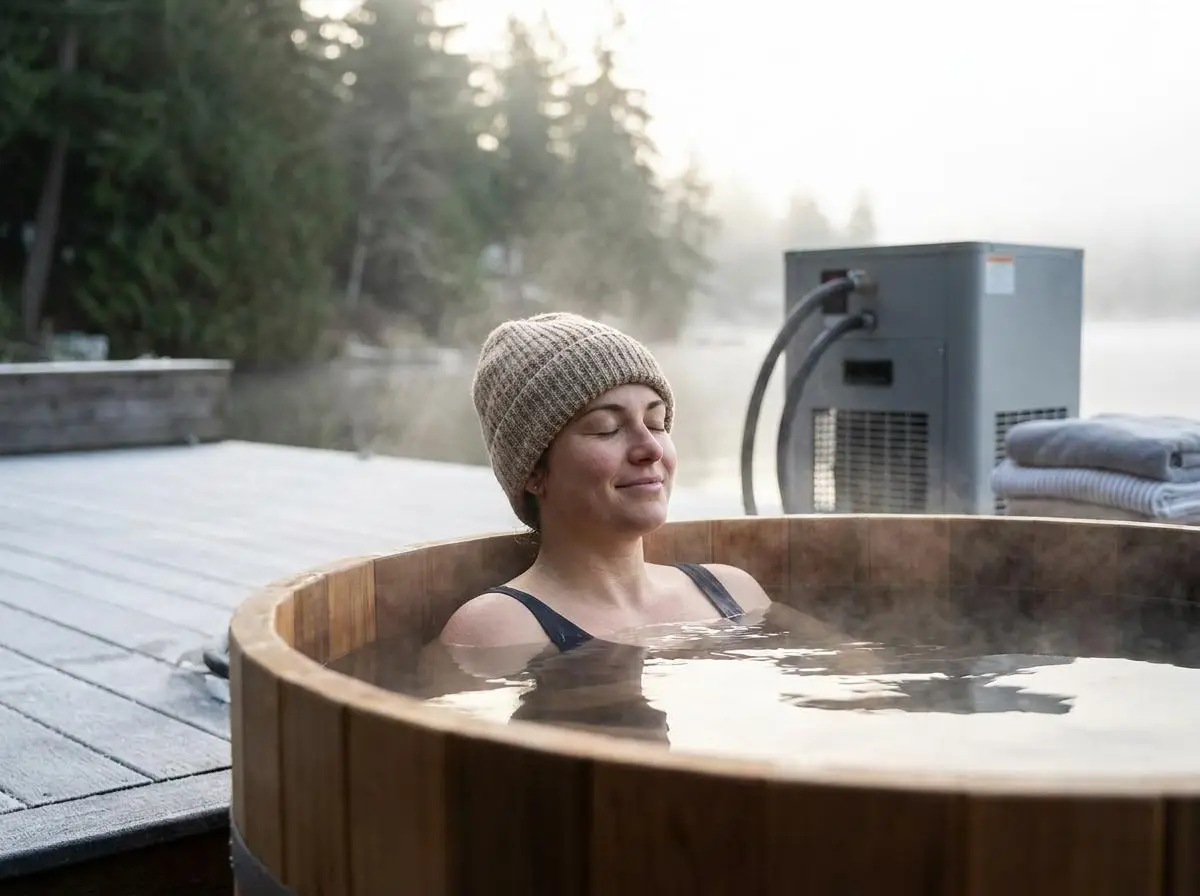
Person relaxing in a wooden cold plunge tub on an outdoor deck, with a water chiller visible in the background and steam rising from the water.
Getting the most out of a cold plunge means using the right protocol. Here’s what the research supports.
- Temperature and duration. For general soreness relief, aim for 10 to 15 minutes at 11 to 15 degrees Celsius, or roughly 52 to 59 degrees Fahrenheit. For muscle damage markers, colder water at 5 to 10 degrees Celsius, or 41 to 50 degrees Fahrenheit, is more effective but should be limited to shorter sessions.
- Timing. The best results come from plunging immediately after exercise. That’s when inflammation peaks and cold application has the most impact on recovery markers.
- One important caveat. Cold-water immersion after every strength session may blunt hypertrophy gains. The cold reduces the inflammatory response that signals muscle growth. If building size is your primary goal, limit ice baths to sessions where you prioritize soreness relief over maximum growth stimulus. Combine cold plunges with active recovery, proper nutrition, and adequate sleep for the best results.
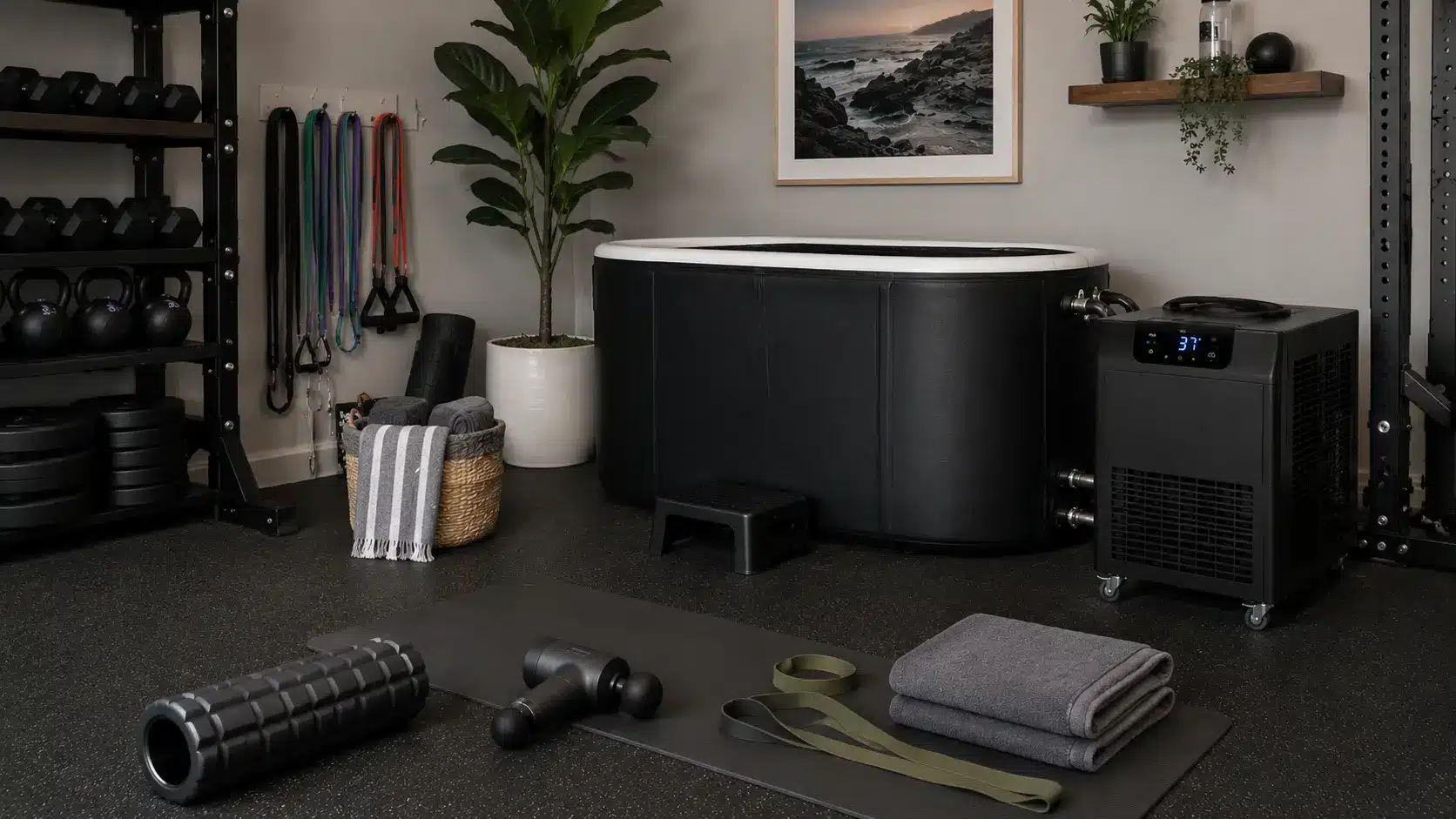
For a broader view of how cold plunge chillers fit into your overall recovery routine, read our guide on recovery between training sessions. And if you’re still building out your home recovery space, our roundup of home recovery equipment covers everything from foam rollers to percussion massagers.
Conclusion
Cold plunge chillers remove the biggest friction point for athletes who want consistent ice bath recovery. No more buying bags of ice. No more guessing whether the water is cold enough. Set the temperature, let the chiller do its work, and step in when the workout ends.
The science is clear that consistent cold-water immersion delivers measurable recovery benefits. The right chiller makes that consistency possible. Assess your space, budget, and training frequency, then pick a system that matches how you train. Your recovery setup deserves as much attention as your squat rack or your cardio machine.