
Athlete
Baseball pitch grips can make the difference between a predictable throw and a pitch that keeps hitters guessing. The way you place your fingers on the ball directly affects its speed, movement, spin, and control, making proper grip one of the most important skills for every pitcher to master. Even small adjustments can change how a fastball cuts through the strike zone or how sharply a curveball breaks. Understanding the purpose behind each grip also helps reduce unnecessary strain while improving consistency on the mound. In this article, you’ll learn the most common baseball pitch grips, how to hold each pitch correctly, when to use them during a game, and practical tips to develop better command and confidence. Quick Answer: What Are the Main Baseball Pitch Grips? The main types of baseball pitch grips are the four-seam fastball, two-seam fastball, sinker, cutter, changeup, curveball, slider, split-finger fastball, knuckleball, and screwball. What Are Baseball Pitch Grips? A baseball pitch grip is the way a pitcher places their fingers and thumb on the baseball before throwing. The grip directly affects how the ball spins, which influences its movement, velocity, and overall command. Even small changes in finger placement or grip pressure can produce a different pitch. Choosing the right grip depends on several factors, including hand size, the type of pitch being thrown, and the player’s experience level. Learning proper baseball pitch grips helps pitchers throw more consistently, improve accuracy, and develop a wider range of effective pitches over time. Types of Baseball Pitch Grips Baseball pitch grips determine the spin, movement, and velocity of each pitch, with specific finger placement and pressure essential for effective pitching. 1. Four-Seam Fastball Grip Source: wikihow.com The four-seam fastball grip is used to throw one of the fastest and straightest pitches in baseball. Place your […]

If you’ve watched a volleyball match, you’ve likely noticed a player making key digs, accurate passes, and smart defensive plays. This player is the Defensive Specialist (DS). DS has its own significance in a volleyball team. While the position rarely stands out on the scoreboard, it plays a crucial role in keeping rallies alive and helping the team transition from defense to offense. This guide explains the defensive specialist position, its responsibilities, key skills, how it differs from a libero, and its role at every level of play. What Is a DS in Volleyball? A Defensive Specialist (DS) is a back-row player whose primary job is to improve a team’s defense through passing, serve receive, and digging. Coaches usually substitute a DS for front-row players with weaker defensive skills. This improves ball control and creates better scoring opportunities. While a DS rarely scores points, their defensive consistency is often the foundation of successful rallies. Coaches use a DS to improve back-row defense, passing, and overall ball control without disrupting the offensive lineup. What Are the Key Responsibilities of a DS in Volleyball? A Defensive Specialist performs several defensive duties that help maintain ball control, improve team coordination, and create offensive opportunities. 1. Mastering Serve Receive A DS plays a major role in serve receive by controlling difficult serves and delivering accurate passes to the setter. Good serve-receive allows the team to build organized attacks rather than scrambling after poor passes. A DS must read the server, adjust positioning quickly, and maintain proper passing technique. Consistent serve-receive helps reduce errors, improves offensive flow, and it also gives hitters better chances to score during each rally. 2. Improving Digging Skills Digging is one of the most important responsibilities of a DS because it keeps powerful attacks from ending rallies. A DS must […]

Why does an offensive system created decades ago still influence football strategy today? While many formations have changed with faster offenses and new passing concepts, the Flexbone offense continues to prove its value at different levels of the game. Its continued success comes from adjusting to rule changes, coaching approaches, and player strengths while staying true to the core principles that made it effective. Some teams center their offense on the Flexbone, while others blend its option concepts into balanced systems. This guide explains how the Flexbone offense evolved, the key changes that shaped it, and the lasting impact it continues to have on modern football today. What Is the Flexbone Offense? The Flexbone offense is a run-first football system built around option plays, disciplined blocking, and multiple rushing threats. The quarterback reads defenders after the snap and selects the best ball carrier based on their reaction. Instead of depending on frequent passing, the Flexbone controls the pace through consistent rushing and extended drives. The system became well known through successful college programs, particularly the U.S. service academies, and its principles continue to influence football at both the college and high school levels. Many teams still use Flexbone option concepts, pre-snap motion, and disciplined rushing, proving its core ideas remain effective in modern football. What Are the Core Principles Behind the Offense? The Flexbone offense is built on disciplined execution, option-based decision-making, and ball control. Quarterback Reads: After the snap, the quarterback reads key defenders before deciding to hand off, keep the ball, or pitch it. Multiple Running Options: Each play forces defenders to commit, creating several rushing opportunities from the same formation. Ball Control: Long, methodical drives help control time of possession and limit the opponent’s scoring opportunities. Defined Player Roles: Every player has a specific assignment that supports […]

A strong tryout does more than show who can score. It reveals how players think, move, communicate, and respond under pressure. I know it can be difficult to assess every player fairly when time is limited, and skill levels vary. That is why the right soccer tryout drills matter. They give you clear ways to test ball control, passing, speed, shooting, defending, teamwork, and decision-making. This blog covers seven practical drills that fit different ages and team levels. Each section explains the setup, instructions, skills tested, and key details coaches should watch. You can expect clear drill steps and useful assessment points. By the end, you will have a structured way to compare players and make better selection decisions. How Do Soccer Tryout Drills Work? Soccer tryout drills work by placing players in structured activities that test their technical skills, physical ability, decision-making, and teamwork. Each drill focuses on a specific part of the game, such as dribbling, passing, shooting, defending, speed, or ball control. Coaches set clear tasks and observe how players perform under both pressure and no pressure. Some drills measure individual ability, while small-sided games show how players communicate, move into space, and respond to teammates. Players may receive scores based on accuracy, control, effort, awareness, and consistency. Coaches can also record notes to compare performances fairly after the session. Using several drills gives a more complete picture than judging players through a single match. This approach helps coaches identify strengths, weaknesses, suitable positions, and players who can contribute effectively to the team. Best Soccer Tryout Drills These soccer tryout drills help coaches assess technical ability, physical performance, decision-making, communication, and teamwork in realistic playing situations. 1. Cone Dribbling and Ball Control Drill The cone dribbling drill helps coaches assess close control, balance, coordination, and the ability […]

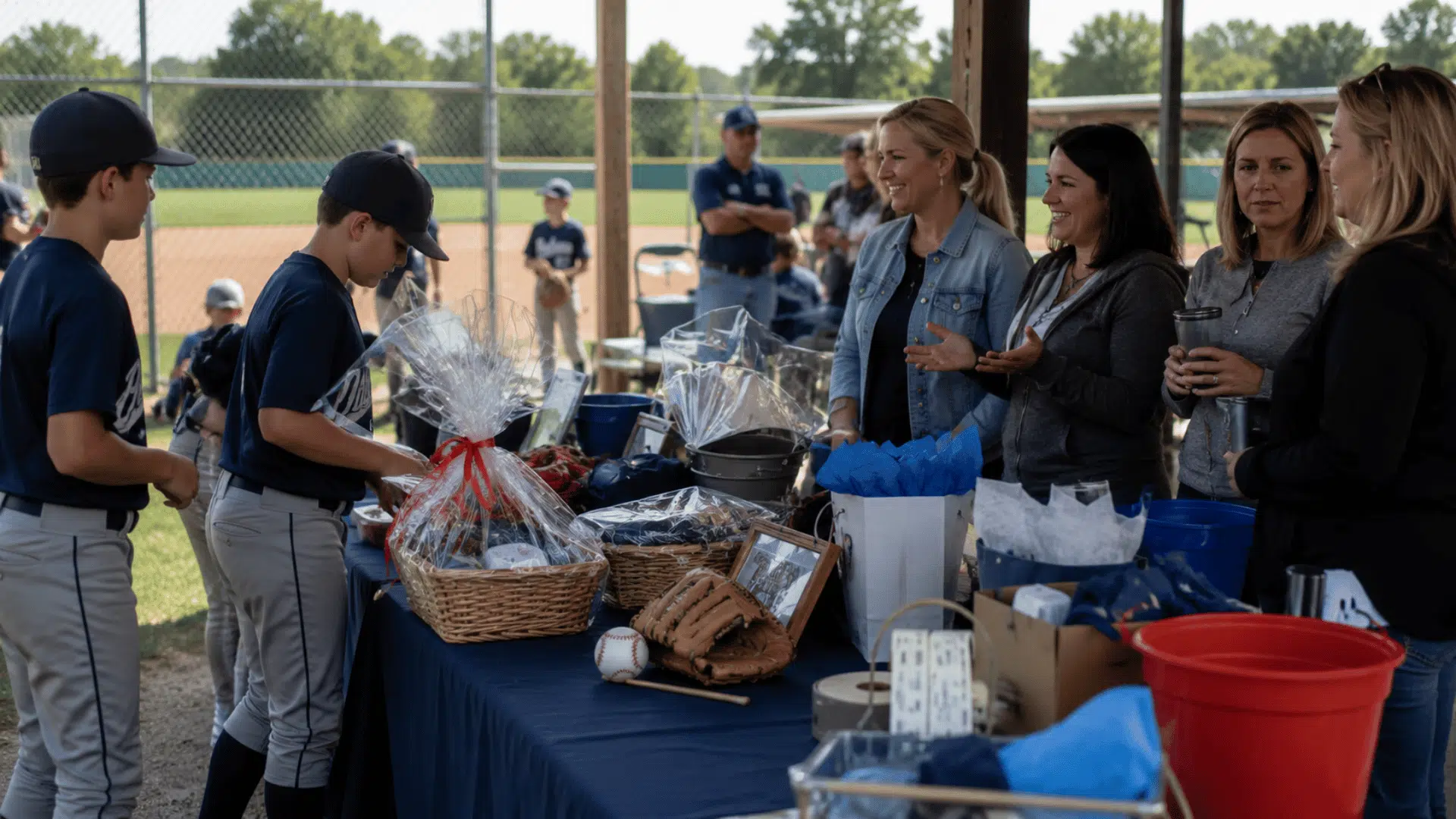
Running a baseball team can get expensive fast. Between uniforms, travel costs, tournament fees, equipment, and
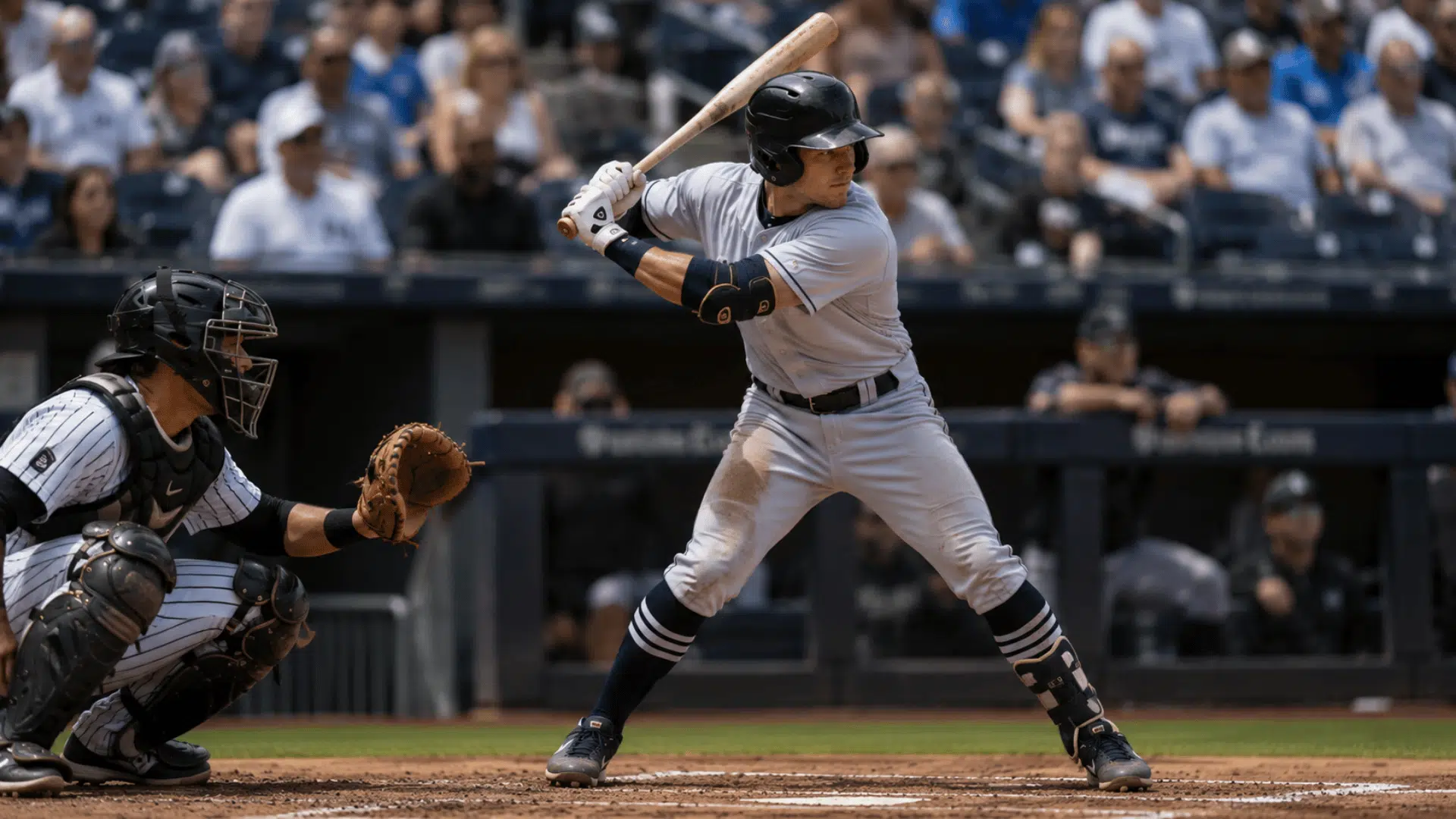
Choosing the right baseball equipment helps you play safely and with confidence. Bats, gloves, helmets, and

Sports supplement brands building athlete-facing products face a marketing agency question that goes beyond direct-to-consumer expertise.

There used to be an off-season. That seems almost quaint now. Between the WNBA’s expanded calendar,
Every MLB season produces surprise contenders, disappointing starts, and franchises that evolve dramatically once they’ve navigated

Soccer has always been a game of instincts, rhythm, and emotion. A well-timed run, a clever

World Cup 2026’s Fastest Soccer Players Bring More Than Just Raw Pace. Speed Matters More Than

Modern triathlon has become a numbers game. The same analytics revolution that reshaped endurance running and
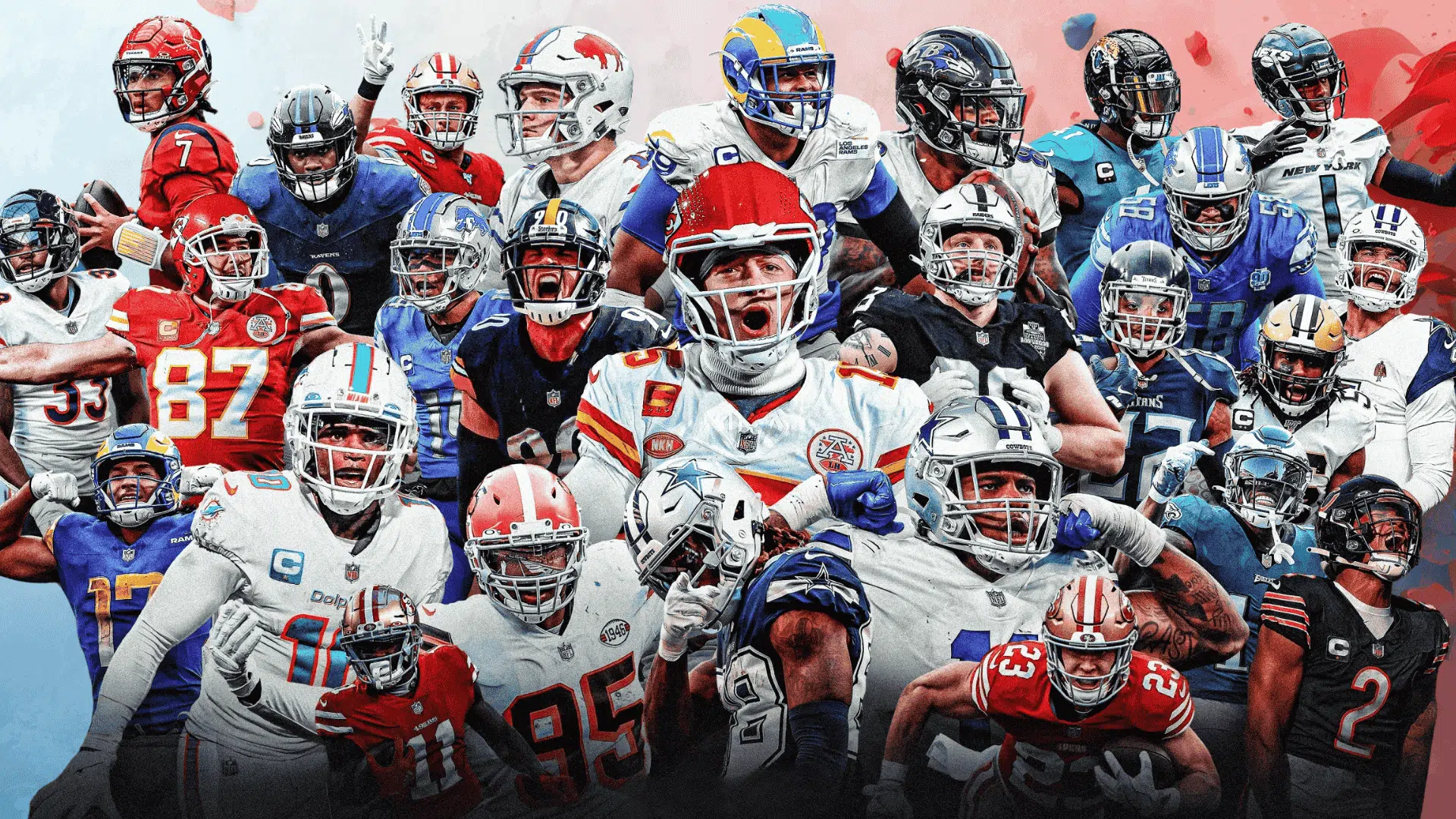
When I watch football, I’m always amazed by how strong some players really are. These athletes
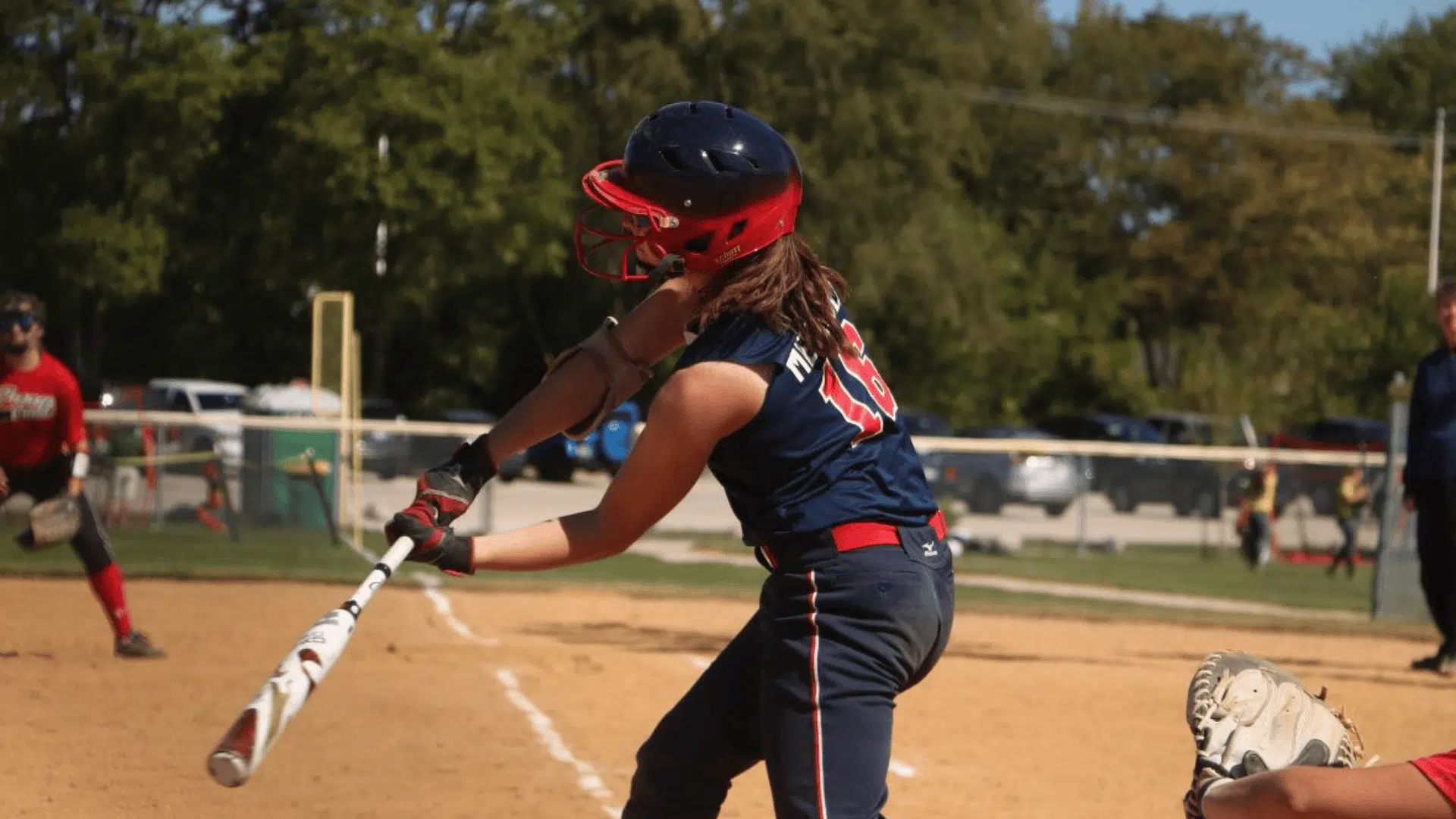
Practice time always feels shorter than it should. I’ve spent enough time around fields and dugouts
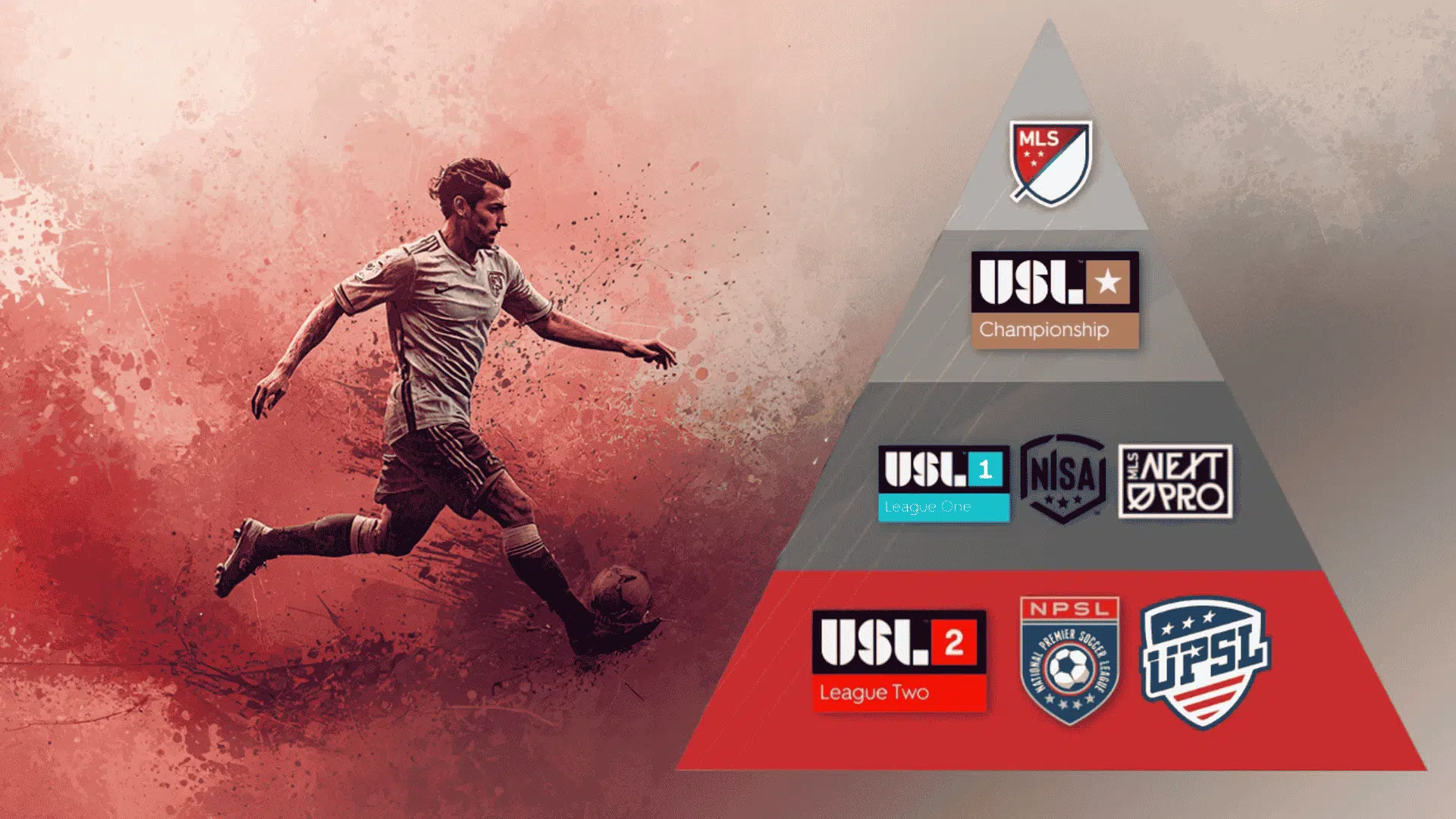
The US soccer pyramid is the framework that organizes every professional, amateur, and youth league in
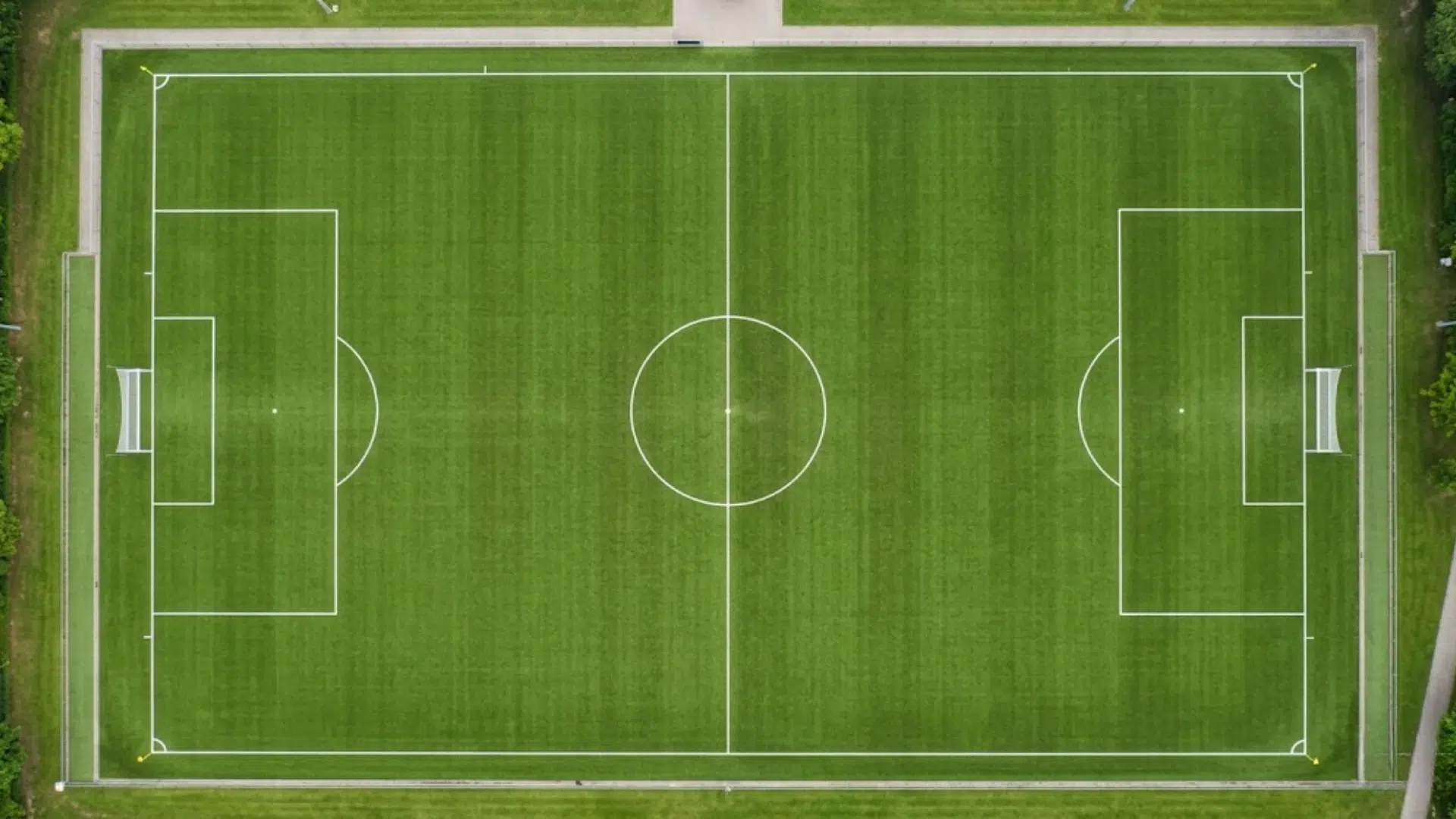
Watching soccer for the first time can feel a little confusing because the game clock works