




Practice time always feels shorter than it should. I’ve spent enough time around fields and dugouts to know that coaches rarely get the luxury of extra minutes.
You walk in with a plan, but what you really need are softball drills that truly move the needle.
The goal isn’t to fill time. It’s to build skills faster and make each rep matter. As someone who covers the game closely, I’ve seen how small practice details shape big game results.
In this article, I will share high-impact drills built around real game situations.
You’ll find ways to sharpen hitting, tighten defense, improve throwing and pitching control, and make smarter base running decisions.
Why High-Impact Softball Drills Matter?
High-impact drills focus on skills that help players improve during real games. These drills keep athletes active, focused, and ready for competitive situations.
1. They Create Game-Like Reps
High-impact drills are fast-paced and built around real game situations. Players stay active by reacting, moving, and making quick decisions instead of waiting in long lines.
Game-like practice helps athletes learn how to handle pressure and improve decision-making during live plays. Over time, these drills lead to smarter reactions and stronger on-field performance.
2. They Strengthen Fundamentals
Strong fundamentals are important at every level of softball. High-impact drills help players improve fielding, throwing, hitting, and base running while keeping practice intense and focused.
Youth drills that focus on the basics help build muscle memory early. Consistent practice reduces mistakes and creates habits that players can rely on during games.
3. They Build Confidence Through Skill Development
Confidence improves when players feel prepared and notice progress in their skills. Purpose-driven drills help athletes work toward clear goals during every practice.
As players improve, they become more confident in their abilities and perform with greater focus. Regular success during practice also strengthens team energy and overall morale.
4. They Maximize Practice Time
Effective practice is more important than long practice sessions. High-impact drills reduce downtime and give players more meaningful reps in less time.
Players stay focused and active instead of standing around waiting for turns. Well-planned practice sessions help teams improve faster without causing unnecessary fatigue before games.
High-Impact Softball Drills that Build Skills

These drills are designed to keep players moving and learning at the same time. Each one focuses on real game skills while building confidence, focus, and teamwork.
1. Rapid Fire Ground Ball Drill
The rapid-fire ground ball drill is designed to build quick reactions and clean fielding under pressure. I like using this drill to help infielders stay alert and ready for the next play.
Because the reps come one after another, players must reset fast and focus on proper technique every time.
Over time, this steady pace improves defensive consistency and helps athletes handle game-speed situations with more confidence.
- How To Run It: Line players up at shortstop. Hit or roll balls quickly, one after another. The player fields and throws to first, then rotates.
- Coaching Tips: Stress low stance, soft hands, and quick feet. Keep tempo high.
- Age Variation: For younger players, slow the pace and use rolled balls. For older teams, add a runner to increase pressure.
2. Tee to Live Transition Drill
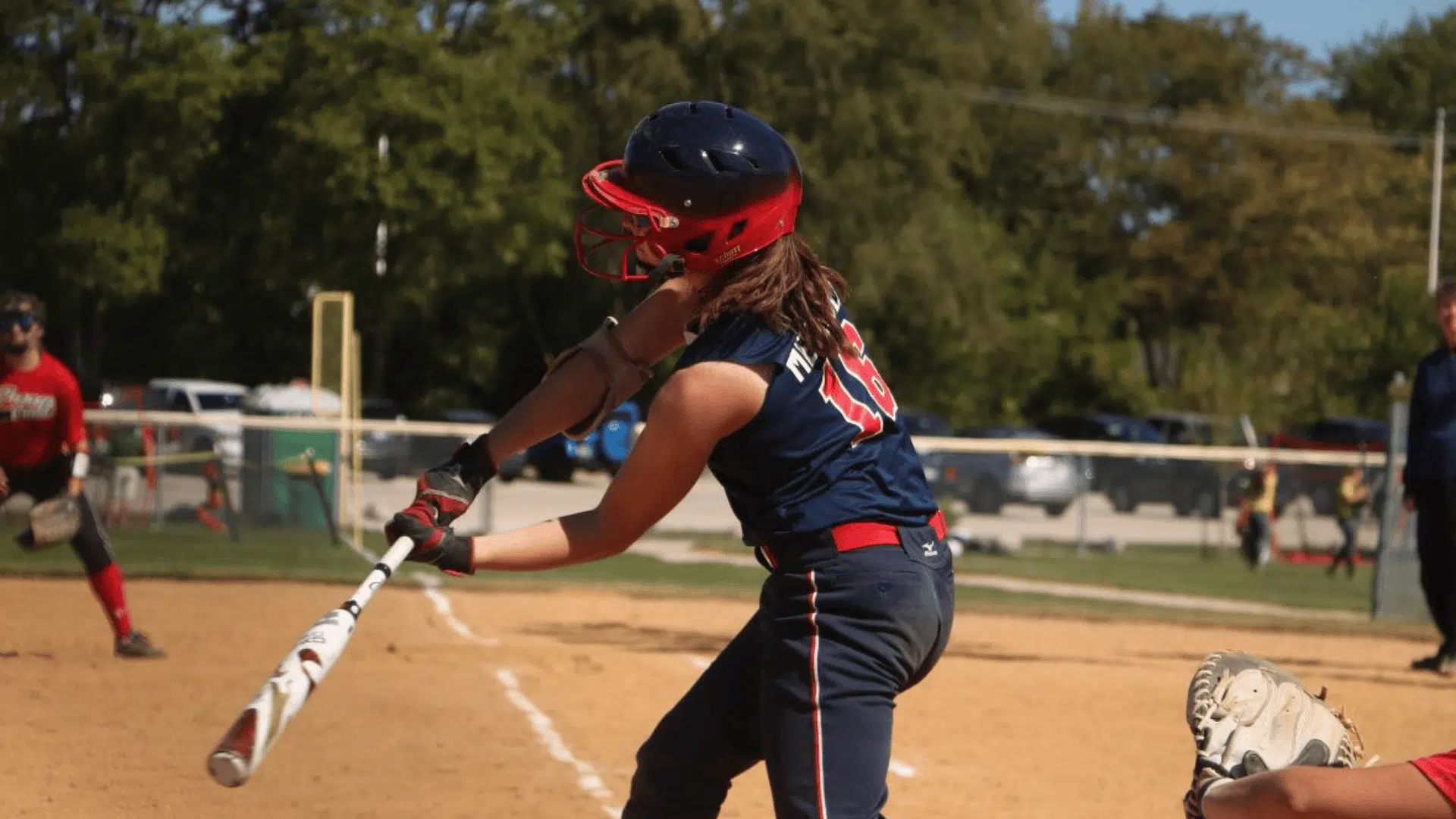
This drill helps hitters connect practice swings to real at-bats. This one bridges the gap between controlled mechanics and reacting to a moving ball.
Players often look sharp off a tee but struggle when timing comes into play. This setup helps them adjust their eyes, rhythm, and confidence in a smooth way.
Over time, hitters learn to trust their swing and stay composed when facing faster pitching.
- How To Run It: Players take five swings off a tee, then move directly to front toss or light live pitching.
- Coaching Tips: Focus on balance, strong hand path, and steady head position.
- Age Variation: Younger players spend more time on tee work. Older players reduce tee reps and increase live swings.
3. Quick Release Throwing Drill
The quick-release throwing drill trains infielders to move the ball efficiently during tight plays. In games, hesitation often leads to missed outs.
I use this drill to build smoother transitions and sharper defensive rhythm.
It encourages athletes to stay mentally engaged from the moment the ball enters the glove. With steady repetition, players gain confidence in their ability to complete plays quickly while staying under control.
- How To Run It: Field a ground ball and make a quick, controlled throw without extra steps.
- Coaching Tips: Emphasize clean transfers, stepping toward the target, and full follow-through.
- Age Variation: Beginners slow the pace for form. Advanced players add a timer or scoring system.
4. Around the Horn Drill
The Around the Horn drill reinforces steady teamwork and shared responsibility across the infield.
It helps athletes stay alert even when they are not directly involved in the first action. This drill also builds accountability, as every throw impacts the next teammate.
Over time, it strengthens trust and keeps defensive energy consistent from inning to inning.
- How To Run It: After a simulated out at first, players throw the ball around the bases in order.
- Coaching Tips: Encourage loud communication and accurate, firm throws.
- Age Variation: Youth teams walk through slowly. Older teams increase speed and add timed goals.
5. First-Step Explosion Drill
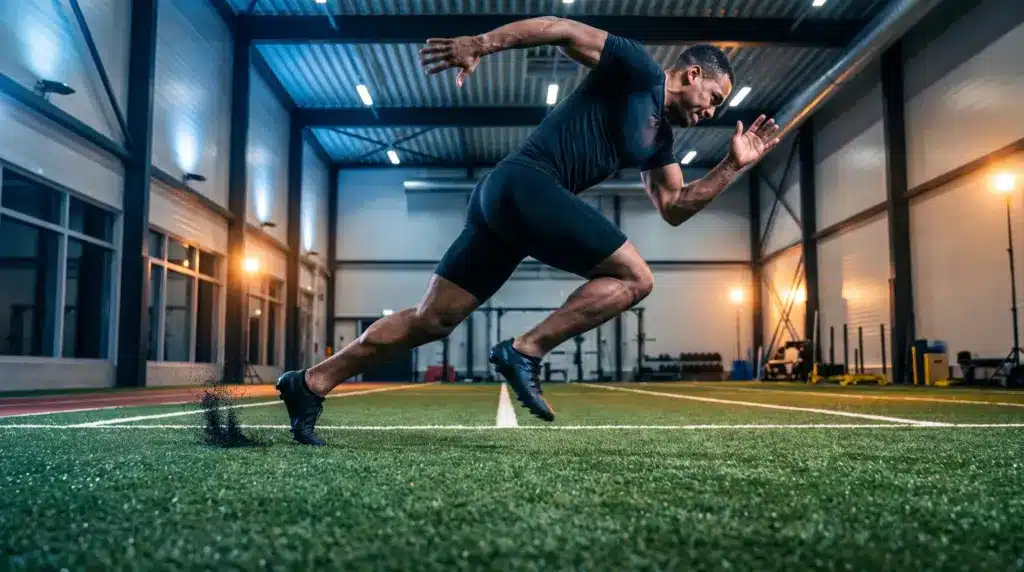
The first-step explosion drill focuses on sharpening reaction time off the base. Quick movement at the start of a play often makes the difference between advancing safely or getting tagged out.
Short, intense bursts of speed training improve overall confidence on the bases.
Players begin to read cues faster and commit with more authority. This drill also builds lower-body strength and helps athletes move with better balance and control.
- How To Run It: Players start in base stance and sprint on the coach’s signal for short distances.
- Coaching Tips: Focus on low-body position and powerful arm drive.
- Age Variation: Younger players practice shorter sprints. Older players add sliding at the finish.
6. Pop Fly Communication Drill
The pop fly communication drill improves awareness and builds trust between teammates. Miscommunication in the outfield can quickly turn into extra bases for opponents.
You can use this drill to encourage early decision-making and confident body language.
It teaches players to take ownership of the play while still supporting each other. With repetition, fielders grow more comfortable tracking the ball and handling shared space without hesitation.
- How To Run It: Hit pop flies between two fielders and require one to call for it loudly.
- Coaching Tips: Stress early calls and backing up teammates.
- Age Variation: Start with simple pop flies for youth. Add movement for older players.
7. Cutoff and Relay Drill
The Cutoff and relay drill builds smarter defensive coordination during deep hits. It teaches players how to connect as a unit instead of reacting individually.
It strengthens positioning awareness and timing between throws. When players understand spacing and angles, defensive plays feel smoother.
Practicing these sequences regularly reduces confusion and builds confidence when the pressure rises late in a game.
- How To Run It: Hit balls to the outfield and practice throws through cutoff players.
- Coaching Tips: Emphasize alignment and strong, accurate relay throws.
- Age Variation: Youth teams walk through slowly. Advanced teams add live runners.
8. Bunt Defense Drill
This one prepares teams for fast, high-pressure moments near the plate. It helps players think quickly and move with purpose.
I often use this drill to reinforce responsibility and awareness in tight situations.
When practiced consistently, players react more calmly and avoid rushed decisions.
It also strengthens communication between pitchers and infielders, creating smoother defensive coverage when it matters most.
- How To Run It: Simulate bunt situations and have players react based on assigned roles.
- Coaching Tips: Review coverage before starting and reinforce communication.
- Age Variation: Younger players practice without runners first. Older players increase speed.
9. Two-Ball Fielding Drill
The two-ball fielding drill challenges players to stay composed while handling unexpected movement. This sharpens mental focus and reinforces staying square to the play.
Players learn to control their bodies and track action without panicking. This drill also improves overall awareness and quick adjustments.
Over time, athletes become more reliable when plays do not unfold perfectly.
- How To Run It: Roll two balls in quick sequence. Player fields one and blocks the other.
- Coaching Tips: Keep eyes forward and body square to the ball.
- Age Variation: Increase spacing for beginners. Decrease spacing for advanced players.
10. Situational Hitting Drill
This one teaches players how to approach each at-bat with purpose.
This drill improves decision-making and patience at the plate. Instead of swinging freely, hitters begin to think about team goals and game context.
This mindset shift builds maturity and awareness.
Over time, players learn that smart execution can be just as valuable as power hitting.
- How To Run It: Create game scenarios and ask hitters to aim for a specific outcome.
- Coaching Tips: Reinforce strategy and controlled contact.
- Age Variation: Younger players focus on contact. Older players work on placement and execution.
11. Team Pressure Scrimmage Drill
The team pressure scrimmage drill brings everything together in a competitive setting. Finishing practice with this drill because it tests focus, teamwork, and resilience.
Players experience real-time decisions while staying accountable to their teammates. It encourages leadership and composure when the stakes feel higher.
Over time, these competitive reps help athletes carry practice lessons directly into live games with greater confidence.
- How To Run It: Play short scrimmage innings with specific goals and keep score.
- Coaching Tips: Set clear expectations and give quick feedback.
- Age Variation: Youth softball drills keep rules simple. Older teams add time or score pressure.
Tips for Running Effective Softball Practice Drills
A well-run practice keeps players active and focused from start to finish. Small adjustments in planning and communication can make a big difference.
- Plan With Purpose: Outline your softball practice drills before stepping on the field. Know the goal of each segment so time is spent on skill development, not guessing what comes next.
- Set Clear Time Limits: Keep drills short and focused. Rotating every 8–12 minutes maintains energy and prevents players from losing attention.
- Maximize Reps: Use small groups or stations so more athletes are moving at once. Fewer lines mean more touches and faster improvement.
- Reduce Downtime: Have equipment ready and explain instructions quickly. The smoother the transitions, the more productive the session becomes.
- Communicate Expectations Early: Clearly explain roles and goals before starting a drill. Players perform better when they understand what success looks like.
- Keep Energy High: Move with pace, offer quick feedback, and encourage hustle between reps. Energy from the coach often sets the tone for the team.
- Adjust For Skill Levels: Modify speed, distance, or complexity depending on age and ability. Younger or beginner players may need slower reps, while advanced athletes benefit from added pressure.
- Finish With Competition: End practice with a short, competitive activity. Game-like intensity helps reinforce skills and keeps players motivated.
Sample Practice Structure Using These Drills
One of the clearest gaps in most softball practice content is the absence of a full practice template. Drills are useful, but knowing how to sequence them turns a list into an actual session plan.
| Time Block | Activity | Duration |
|---|---|---|
| 0–10 min | Dynamic warm-up + partner throwing warm-up | 10 min |
| 10–20 min | Rapid Fire Ground Ball Drill + Quick Release Throwing Drill | 10 min |
| 20–32 min | Tee to Live Transition Drill (hitting stations) | 12 min |
| 32–42 min | Pop Fly Communication + Cutoff and Relay Drill | 10 min |
| 42–52 min | Situational Hitting + Bunt Defense Drill | 10 min |
| 52–62 min | First-Step Explosion + Around the Horn | 10 min |
| 62–75 min | Team Pressure Scrimmage (competitive finish) | 13 min |
Adjust time blocks based on your team’s age group and focus area for the week. For youth teams, extend the hitting station time. For competitive high school rosters, add more reps in the pressure scrimmage.
Different Types of Softball Drills
Softball drills come in many forms, and each one helps players improve a different skill. A good mix of drills creates balanced practice sessions that prepare teams for real game situations.
1. Hitting Drills
Hitting drills focus on timing, bat speed, and solid contact. These drills help players improve their stance, grip, and swing path step by step.
Tee work, soft toss, and front toss are great ways to build confidence before facing live pitching. Repetition helps build muscle memory and improves ball tracking and balance during swings.
Short lines and more reps help hitters improve faster and feel more comfortable at the plate.
2. Fielding Drills
Fielding drills help players react quickly and handle the ball cleanly under pressure. These drills often include ground balls, pop flies, short hops, and line drives.
Proper footwork, staying low, and using two hands help players field the ball more smoothly. Repeated practice teaches players to move their feet early and stay ready for every play.
Game-speed drills also improve communication between teammates and help reduce mistakes on the field.
3. Throwing Drills
Throwing drills build arm strength, accuracy, and safe throwing mechanics. Proper balance, grip, and follow-through help players make stronger and more controlled throws.
Partner throws, long toss, and quick-transfer drills teach players to step toward the target and release the ball smoothly.
Regular throwing practice improves both distance and accuracy. Players also become more confident and avoid rushed throws during games.
4. Pitching Drills
Pitching drills help players improve control, speed, and repeatable mechanics. Breaking the pitching motion into smaller steps makes it easier to fix small mistakes.
Target drills improve accuracy, while spin drills help pitchers work on ball movement. Pitchers should also practice fielding bunts and comebackers to stay prepared during games.
Consistent pitching practice helps players stay calm and focused in pressure situations.
5. Base Running Drills
Base running drills improve speed, awareness, and decision-making on the bases. These drills often focus on quick first steps, rounding bases correctly, and reading the ball off the bat.
Players should also practice sliding safely and returning quickly on pickoff attempts. Timed runs create friendly competition and encourage faster movement.
Strong base running skills help players stay aggressive while making smart choices during close games.
Different Types of Softball Drills at a Glance
Each type of softball drill serves a clear purpose during practice. When you understand the focus of each drill, you can plan smarter and build well-rounded players.
| Drill Type | Main Focus | Key Skills Developed | Why It Matters in Games |
|---|---|---|---|
| Hitting Drills | Swing mechanics and contact | Bat speed, timing, balance, confidence | Produces stronger hits and consistent offense |
| Fielding Drills | Clean ball handling | Footwork, glove control, reaction time | Reduces errors and improves team defense |
| Throwing Drills | Arm strength and accuracy | Proper mechanics, control, and distance | Prevents wild throws and supports solid plays |
| Pitching Drills | Control and consistency | Accuracy, pitch movement, and composure | Helps control the pace and limit runs |
| Base Running Drills | Speed and awareness | Quick starts, safe sliding, smart decisions | Creates scoring chances and pressures the defense |
How to Track Progress with Softball Drills?
Measuring growth keeps players motivated and focused on improvement. Simple tracking systems make development clear and easy to manage.
- Skill Checklists: Break skills into small parts like footwork, glove position, or swing balance. Mark progress weekly to see steady improvement over time.
- Timed Drill Records: Use a stopwatch for base running, relay throws, or quick-release drills. Record times and compare weekly to track measurable gains.
- Accuracy Charts: Track how many throws hit a target or how many solid contacts are made during hitting reps. Clear numbers help players focus on consistency.
- Individual Goal Sheets: Ask players to set one short-term skill goal each week. Review progress regularly to build accountability and ownership.
- Team Performance Goals: Set group targets like reducing errors or completing clean defensive sequences. Shared goals strengthen teamwork and focus.
- Quick Feedback Notes: Provide short, specific comments after drills. Written or verbal reminders help players understand what to adjust next.
- Video Review (Optional Tool): Record swings, pitching mechanics, or defensive plays. Watching short clips can improve awareness and correct small mistakes.
Conclusion
Strong teams are not built by chance. They are built through focused, high-impact softball drills that make every practice count.
When you choose drills that are game-like, fast-paced, and skill-driven, you help your players improve faster and compete with more confidence.
Consistent, purposeful work on fundamentals, teamwork, and situational play adds up over time.
You do not need to change everything at once. Try adding two or three new drills at your next practice and see how your team responds.
Pay attention to energy, reps, and execution. Small improvements each week lead to big results during games.
Now I’d love to hear from you. Which drills work best for your team?
Share your experience in the comments below and help other coaches grow. Start building stronger players today.
Frequently Asked Questions
How Long Should a Softball Practice Drill Session Last?
Most softball practice sessions last 60 to 90 minutes. Individual drills work best at 8 to 12 minutes to keep players focused and active.
What Softball Drills Are Best for Beginners?
Beginners improve with simple drills like tee work, partner throws, and slow ground balls. These drills help build strong basic skills and confidence.
How Often Should Softball Drills Be Repeated?
Core drills should be practiced during every session. Situational and communication drills can be repeated two to three times each week for consistency.
Can These Softball Drills Be Used for Travel Ball Teams?
Yes, these drills also work for travel ball teams. Coaches can increase speed, add live runners, and shorten rest time for advanced practice.
What Is the Most Important Softball Drill for Game-Day Performance?
Team pressure scrimmages help players handle real game situations. These drills improve decision-making, teamwork, confidence, and performance under pressure during games.