May 19, 2026
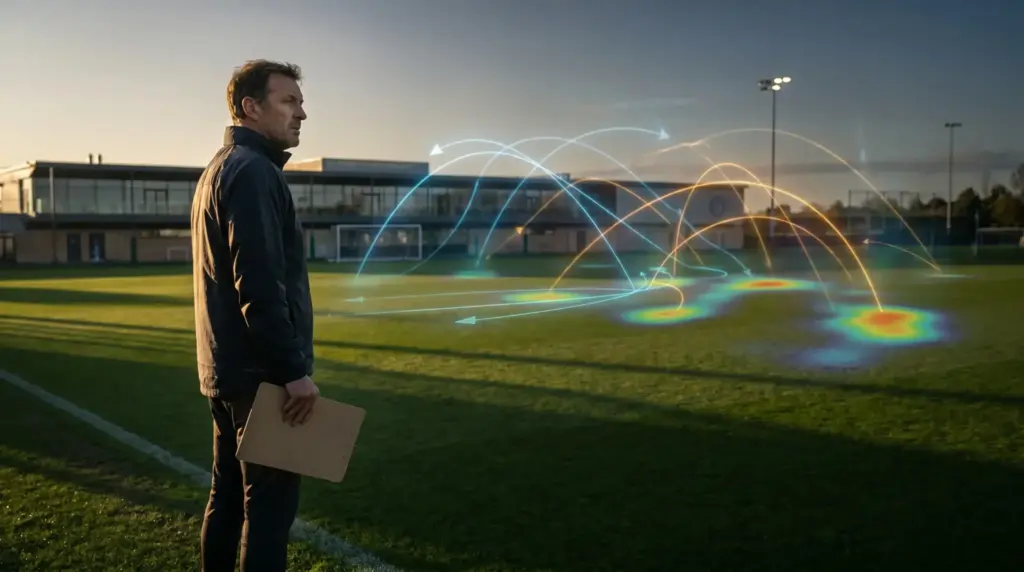
Soccer has always been a game of instincts, rhythm, and emotion. A well-timed run, a clever pass, or a sudden change of pace can decide a match in seconds. For decades, coaches trusted their eyes, players trusted their feel, and clubs relied heavily on experience when making important decisions. That has not disappeared. It never will. But the modern game now has another layer: data. Clubs, analysts, coaches, scouts, and even fans use numbers to understand what happens on the pitch with greater detail. Data analytics has changed how teams prepare, how players are judged, how tactics are shaped, and how decisions are made across the sport. This shift is not about replacing human judgment. It is about improving it. Why Data Has Become So Important in Soccer Soccer is a fluid sport. Unlike baseball or American football, it does not stop often. Many things happen away from the ball, and some of the most important actions are easy to miss in real time. A midfielder may create space without touching the ball. A defender may prevent danger by positioning himself correctly. A forward may press in a way that forces a poor pass. These moments matter, but they are not always visible in traditional statistics like goals, assists, or shots. That is where analytics helps. Modern data can measure pressing, passing patterns, expected goals, defensive positioning, chance quality, player workload, and much more. It gives clubs a fuller picture of performance. A player who looks quiet on television may be doing important tactical work. A team that loses a match may have created better chances and simply failed to finish them. The numbers help explain the story beneath the scoreline. Moving Beyond Basic Statistics For a long time, soccer analysis focused on simple figures. Goals. Assists. Saves. Yellow cards. […]
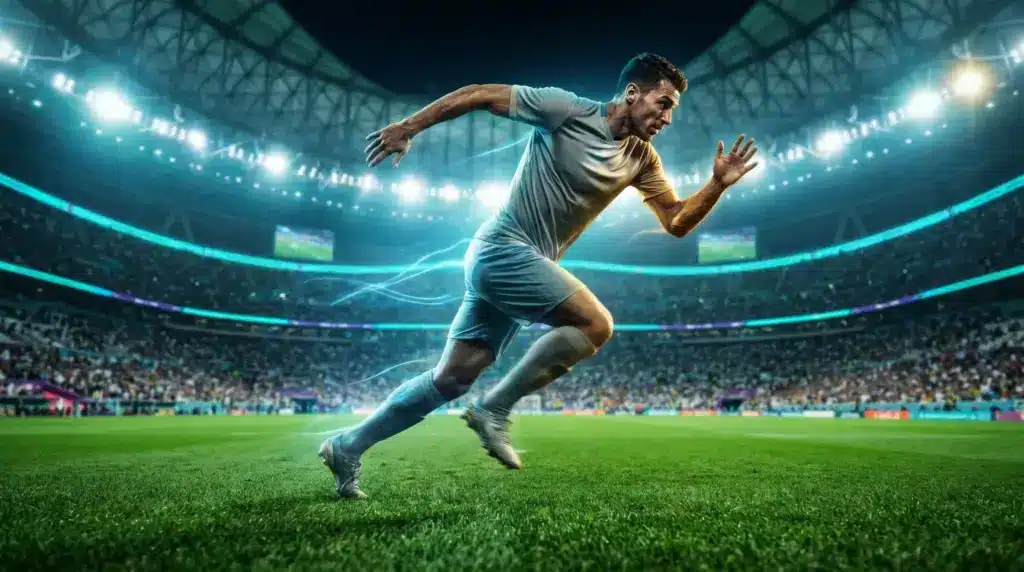
World Cup 2026’s Fastest Soccer Players Bring More Than Just Raw Pace. Speed Matters More Than Ever Speed has always appeared attractive on a highlight tape. However, with World Cup 2026, speed might be even more important than usual because the competition will take place in enormous stadiums, during the summer when it is hot, and in knockout matches where a single misplaced pass can cause chaos in any defense. The fastest soccer players in the world are not only the wingers running after a long ball anymore. This is precisely the reason that the fastest soccer players in the world cannot be judged based purely on speed. A soccer player must run fast, come to a halt, change directions, shield the ball, and make wise decisions in the process. Some of the fastest soccerers have not only speed but also technical skills, which is precisely what sets them apart from others who may simply be fast runners. The World Cup 2026 Sprint Kings to Watch Mbappé is the obvious starting point. EA Sports FC 26 lists him as the fastest player in the game with a 97 pace rating, which matches what viewers see on the pitch. He does not need much space. A defender can be level with him at the halfway line, then suddenly look beaten by the next touch. France uses that threat even when Mbappé does not receive the ball, because opponents drop deeper to avoid the race. Karim Adeyemi is another name built for open grass. His acceleration is vicious over the first few steps, which makes him dangerous in broken play. Germany can use him wide, central, or as a late-game runner against tired legs. He is not just quick once he is moving. The first burst is the part defenders hate. The speed […]