
pp
If there is a date on the calendar, something changes about the way training feels. The first 10K, a charity walk, a wedding, a hiking holiday… it sits on the fridge under a magnet, ticking away, and the nearer it gets, the more pressure you feel. Working online, a coach can take that pressure and make a plan from it, incorporating the sort of things that matter: how you plan to get around on event day, the gear you’ll have, old niggles, and the fact that life will happen and throw its spanners in the works. Start with your current fitness and constraints In the first week or two, a good coach wants to know where you are right now, not where you were in high school or that little burst of fitness you had last December. Online personal training Australia can make this initial assessment more practical by allowing your coach to understand your current fitness, available equipment, schedule, and specific goals before building your programme. So that can be a video of a few bodyweight squats next to the lounge room coffee table, or taking note of whether a particular activity causes your knees to start barking up the stairs, or seeing how your calves feel at the end of a 20-minute walk around the block. It’s also an opportunity to go through any previous injuries or issues (www.niams.nih.gov/health-topics). Maybe you’ve never done a race like the City2Surf before and you think you’re pretty fit – but you haven’t done much running down hills on tired legs. Or perhaps you and your partner are planning a walking trip in Tasmania, and you’re both fit enough to do the daily strolls – but neither of you has had a day where you’ve been carrying a pack and noticed how […]

Many lifters who train alone stall after their first year or two, with the same weights on the bar for months. The program still looks fine on paper, yet the numbers stop moving. The missing piece is often feedback, not effort. Pairing one-on-one coaching and strength training gives you a second set of eyes on every rep and a plan that adjusts each week. It also adds someone who notices fatigue before it turns into injury. For athletes and serious gym-goers, that combination can turn a stuck program into steady progress again. Why Do Self-Coached Lifters Hit Plateaus? Self-coached lifters plateau because they cannot see their own blind spots. A squat that feels deep may stop two inches short. A deadlift that feels strong may drift forward off the hips. Without outside feedback, small errors repeat thousands of times and cap how much weight the body can safely handle. A coach spots those faults in seconds, because watching from the outside is the whole job. Programming creates a second ceiling. Many people follow a generic plan built for someone else’s schedule, recovery, and sport. Athletes also need strength that carries over to the field. Athletic performance training blends strength with speed, power, and movement skill, and a copied spreadsheet rarely does that well. What Happens in the First Sessions With a Coach? The first sessions focus on assessment, not exhaustion. A good coach watches how you squat, hinge, push, and pull, then checks mobility, training history, and old injuries. Simple tests, such as a bodyweight squat or a plank hold, reveal how you move before real load goes on the bar. Those details shape every program decision that follows. Goal setting comes next, and it should be specific. “Get stronger” becomes a 20-kilogram increase on the deadlift in 16 weeks, […]

A modern sports team has far more information moving through it than people might realize. Coaches give tactical instructions, athletes report how they feel, medical staff discuss injuries, analysts share performance data, and managers coordinate schedules, travel, and other responsibilities. When those messages are unclear, even talented teams can run into avoidable problems. An athlete may misunderstand a training instruction. Medical information may not reach the right coach quickly enough. Players may also hesitate to raise concerns because they are unsure how the conversation will be received. Clear communication in sports is therefore not just about talking more. It is about getting the right information to the right people, in a form they can understand and act on. Clear Communication Helps Everyone Understand Their Role Every player needs to understand what is expected, but knowing a position on the field is only part of that. Athletes also need clarity about training responsibilities, tactical changes, recovery plans, meeting times, team standards, and how their role may change from one situation to another. Make Instructions Specific Enough to Act On Compare these two statements: “We need more intensity.” “Press immediately when their midfielder receives the ball facing his own goal.” The first expresses a general expectation. The second tells players what action to take and when to take it. Coaches can make instructions clearer by answering three simple questions: What does the athlete need to do? When should they do it? What should they look for before making the decision? That approach reduces the amount of interpretation required during training or competition. Feedback Works Better When It Becomes a Conversation Feedback is central to coaching, but athletes should not feel as though information only travels in one direction. Coaches also need to understand what players are seeing, feeling, and experiencing. In professional […]

You landed in Las Vegas, your home state medical card is in your wallet, and you assume that’s enough. It usually is, but the details matter more than most travelers realize. Nevada runs one of the more visitor-friendly medical cannabis systems in the country, and if you understand three things before you leave the airport, your whole trip gets easier: what reciprocity covers, where you’re allowed to carry, and which counter you walk up to once you’re inside. I’ve watched plenty of out-of-state patients get turned around at a register because they handed over the wrong card or didn’t know Nevada treats medical and recreational customers differently at checkout. That’s a twenty-minute mistake you can skip entirely. What Does Nevada Reciprocity Actually Cover? Nevada recognizes valid medical cannabis registry cards issued by other states. That’s the headline, and it’s genuinely good news for anyone driving in from California, Arizona, or Utah, or flying in from anywhere else with a current card. Show that card plus a matching government ID, and a dispensary can serve you as a medical patient rather than an adult-use customer. The reason that distinction matters isn’t philosophical. Medical patients in Nevada get access to certain products and, more importantly, a lower tax rate on their purchase than recreational buyers pay. That gap shows up on your receipt in a very real way, especially on bigger tickets. Budget matters, and this is one place where doing five minutes of homework saves you cash. Two caveats trip people up. First, your card has to be current, not expired, and the name has to match your ID. Second, not every product category is off-limits to recreational buyers, so don’t assume you’re unlocking a secret menu. What you’re really unlocking is the tax treatment and a slightly different consultation with […]


In competitive sports, the difference between a podium finish or an early exit often comes down

For a town of only 2,000, Cooperstown NY would normally be a quiet, quaint and charming
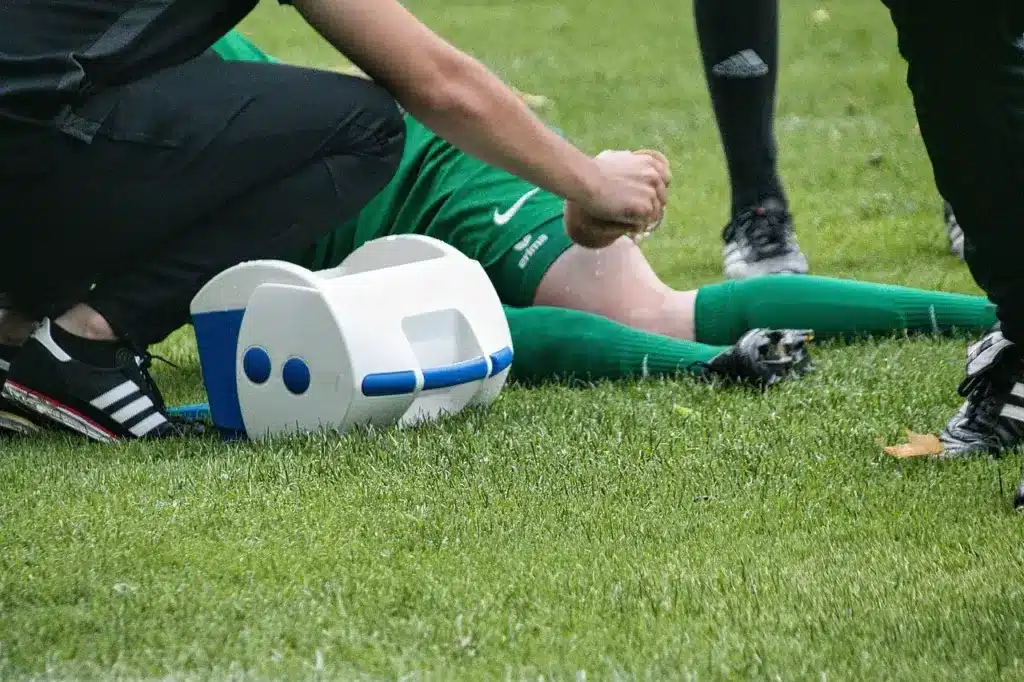
Torn ACL. Rotator cuff surgery. A cortisone shot for stubborn tennis elbow. Each year thousands of

While a player looks at the game screen, they also wonder what is happening behind it.

A solar generator is now a serious backup option for U.S. homes, not just a camping

What Is the Female “Nesting Instinct”? The female “nesting instinct” is a phenomenon that has intrigued

Think about the last time a visa delay cost an athlete a competition slot. It happens

The Major League Baseball season has reached an important checkpoint. With teams heading deeper into the

Here’s something most players never figure out: the best competitors aren’t grinding one game forever. They’re

Improving athletic performance usually means fine-tuning any number of aspects of training, from preparation and nutrition

Introduction: The Missing Piece in Athletic Success When improving performance, athletes and fitness buffs dedicate time

Key Takeaways Community support is vital for successful recovery, providing emotional stability and practical resources. Peer-led