
Sports News
A Canadian fan can follow one match through four doors before halftime. The broadcast carries the main feed. A phone shows clips and live stats. A group chat argues about the line-up. Another tab checks the next fixture. ESPN said its digital and social audience reached 598 million monthly users in Q3 FY26, up 45% year over year, across web and app. YouTube and social platforms were included in that count. The old problem was finding a game. The newer problem is understanding what you’ve found. A clip can tell you who scored. It may not tell you why the match changed or whether the result affects a table. For fans who watch soccer, hockey or basketball across several platforms, the best information now does more than report events. It joins the score to context and timing. Sports Viewing Now Moves Between Multiple Screens Casino comparison sites grew from a related habit in digital entertainment. People faced too many platforms and too many claims. They started looking for outside pages that sort choices by region and product type. Sports fans act in a similar way when they move from a short clip to a fixture page. You want one place that explains what you missed and what comes next. That research habit also explains why a list maintained by Covers can sit within a wider discussion of online gaming choices. Covers.com ranks and reviews platforms across categories, including bonuses, so readers can compare details before making a decision. In sports viewing, the same principle applies to schedules and market information. A labelled reference gives shape to a scattered session and reduces the chance that one fast post becomes the whole picture. A live broadcast still gives the match its spine. Streaming apps extend the audience beyond the living room. Short […]

America’s sporting identity is shifting, and it’s happening faster than most people realize. For decades, football and baseball have defined the U.S. sports landscape. But new data shows the balance is starting to change. Lucky Rebel set out to identify which sports have grown the most in popularity over the past 20 years, and which are beginning to plateau. Using data across all 50 states, we analyzed how eight major sports have evolved over the past two decades. The results highlight a clear shift in how Americans engage with sports, with emerging trends reshaping the national landscape. Key Insights Formula 1 is the fastest-growing sport in the U.S., with explosive growth in states such as Alaska (+600%) and Vermont (+400%) Basketball is the most consistently growing sport, with major increases across multiple states including Delaware (+228%) and North Dakota (+109%) American football remains the most dominant sport, but growth has slowed, with many states seeing only marginal increases over the past two decades Golf is experiencing one of the steepest declines nationwide, dropping by over 70% in states such as Georgia and Texas Soccer is declining across many U.S. states despite its global popularity, with significant drops in Florida (-59%) and Ohio (-57%) Formula 1 – 258% Increase in Popularity Over the Past 20 Years Formula 1 is the fastest-growing sport in the United States. Over the past two decades, interest has surged across the country, including in states with no historic connection to the sport. Alaska +600% Maine +400% Vermont +400% Nevada has also seen strong growth alongside the rise of the Las Vegas Grand Prix, but the broader trend shows this is not just event-driven. Three factors are driving this surge. Formula 1 has evolved into a cultural product built around storytelling and personalities. Its expansion into U.S. […]
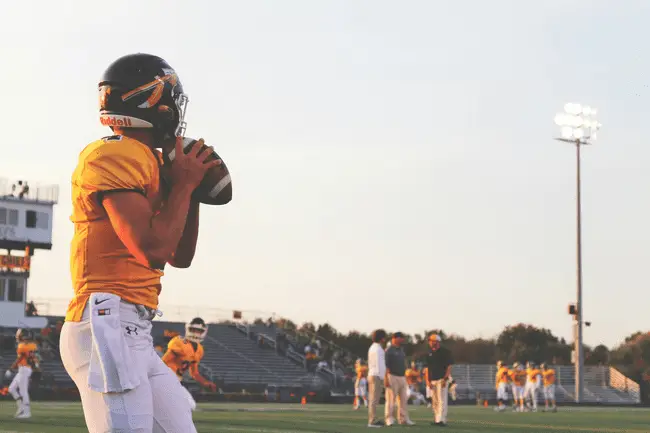
Advances in artificial intelligence (AI) have quietly redrawn the boundary lines between instinct and information in modern sport. Optical-tracking cameras now record every sprint, swing, or slide in granular detail, while machine-learning models convert raw footage into predictive metrics that help clubs refine tactics, reduce injuries, and engage audiences in fresh ways. Where scouts once relied on gut feeling, algorithms now reveal subtle patterns that humans alone rarely spot, turning data into a competitive edge that separates champions from the chasing pack. Second-paragraph assessments from a b2b online sport betting provider underscore how strongly AI-driven forecasts already influence both front-office decisions and fan conversations. Proprietary platforms simulate thousands of match scenarios per minute, quantifying win probabilities in real time and flagging momentum shifts before they appear on a scoreboard. The same probability curves guide television commentators, fantasy-league enthusiasts, and sponsorship planners who crave credible numbers rather than hunches. Continuous data collection produces an ever-expanding digital mirror of each athlete’s career. Video feeds pair with wearables that capture heart-rate variability, joint load, and hydration trends, then route those signals to cloud-based engines that evaluate risk and readiness. If fatigue scores spike, coaching staff receive alerts and can modify training drills long before overuse issues arise. AI transforms monitoring from periodic check-ups into an always-on safeguard that protects both performance and health. From Data Flood to Clear-Cut Insight Machine learning only thrives when fed well-labeled, high-quality information. Top clubs therefore invest heavily in sensor ecosystems that turn stadiums into research labs: High-Resolution Player TrackingMulti-camera arrays plot every movement at up to 120 frames per second, enabling heat maps that highlight positional gaps. Wearable BiometricsSmart vests and boot-embedded chips measure acceleration, deceleration, and muscle vibration to reveal hidden strain. Historical Performance LogsDecades of archived footage provide training material for neural networks that learn […]

Every rumor reshapes the playoff race, with the Milwaukee Brewers at the center of this year’s trade discussions. Milwaukee is targeting pitching depth and a right-handed bat without trading top prospects before the August 3 deadline. The Brewers already made one notable move when they acquired Lance McCullers Jr. and left-hander Colton Gordon from the Houston Astros on July 15, though that deal has since taken an unexpected turn. Recent reporting and insider chatter continue linking Milwaukee to realistic trade targets while marking other names as effectively untouchable. This tracker breaks down every confirmed transaction, the rumors carrying the most weight, and what each potential deal could mean for the Brewers’ push toward their first World Series appearance since 1982. Why Are the Brewers Active in Trade Rumors? The Brewers are active in MLB trade rumors because they are firmly positioned in the playoff race and have specific roster needs that the right addition could address before October. Despite Woodruff’s injury and rotation changes, Milwaukee remains a top NL team and may make another deadline move. True to their long-standing payroll approach, the Brewers typically avoid blockbuster spending and instead target cost-effective players who provide immediate value without sacrificing years of team control. Speculation centers on a reliable starter, a high-leverage reliever, and a right-handed power bat. Pitching injuries have raised the urgency, while Milwaukee’s deep farm system gives the front office room to negotiate without gutting its long-term outlook. Milwaukee Brewers Latest Trade Buzz Milwaukee is expected to remain active before the trade deadline, with starting pitching still the clearest priority. The Brewers’ first move already took an unusual turn. After acquiring Lance McCullers Jr. and left-hander Colton Gordon from the Astros on July 15, the club designated McCullers for assignment just eleven days later following two rocky bullpen […]

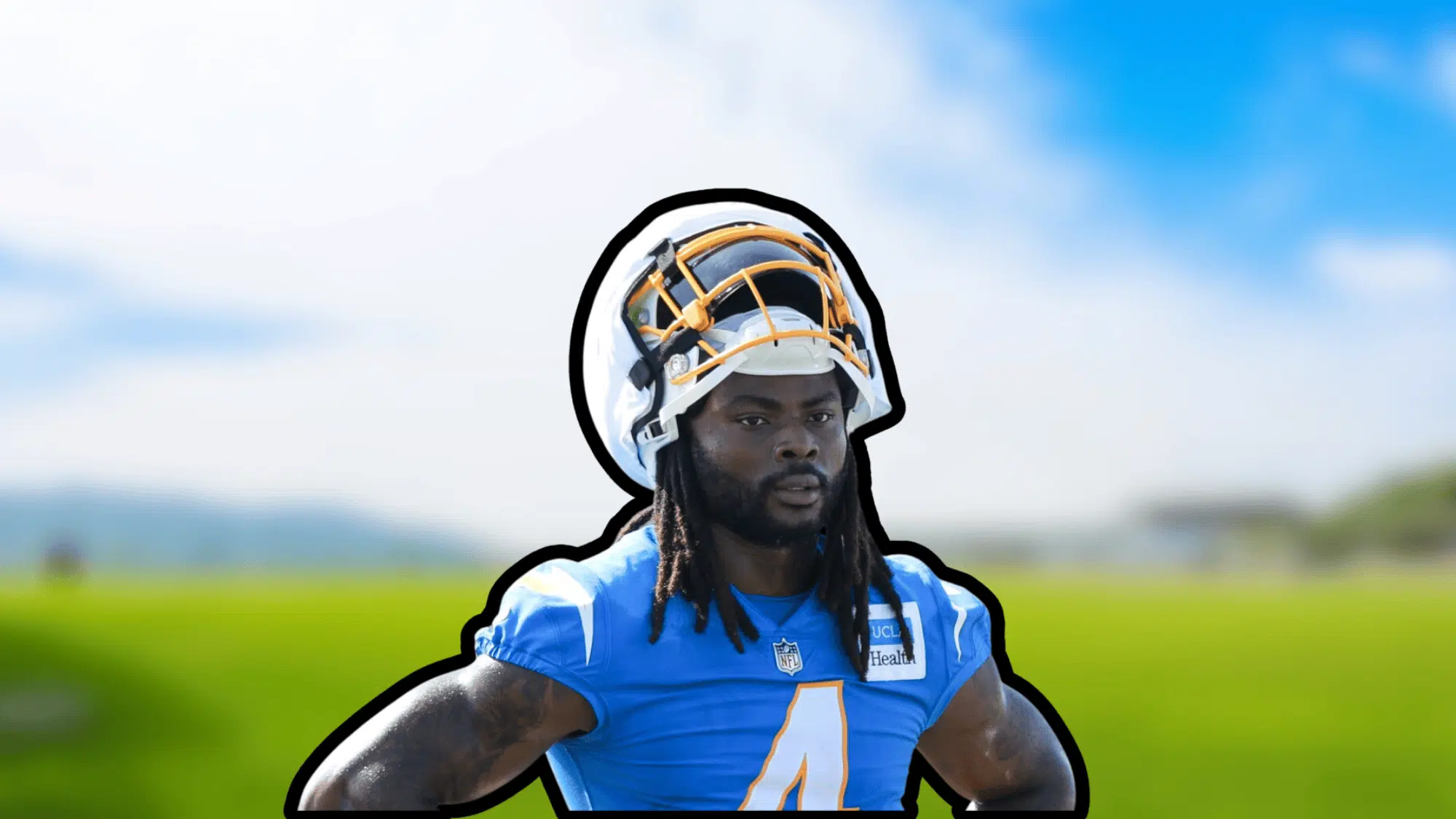
Gus Edwards has had a busy few years, and many fans want to know what’s going