
Sports News
Planning around a match is much easier when you know how long high school soccer games last. While many people expect every game to follow the same schedule, the total time can vary based on regulation periods, halftime, overtime rules, weather delays, and competition guidelines. These differences often leave players, parents, coaches, and spectators unsure of how much time they should set aside or what happens if the match ends in a tie. Understanding the timing rules also makes it easier to follow the action from kickoff to the final whistle. This guide explains how long high school soccer games last, breaks down each part of the match, covers overtime and halftime rules, and highlights the situations that can affect the total game time. Quick Answer: How Long are High School Soccer Games? A standard NFHS high school soccer game lasts 80 minutes, divided into two 40-minute halves. However, the total time at the field is usually longer because of halftime, possible overtime, stoppages, and state or tournament rules that may change the match format. Most regular-season high school soccer games follow National Federation of State High School Associations (NFHS) rules, but individual state associations can make certain modifications. Weather delays, injury stoppages, penalty shootouts in tournament play, and other match-specific situations can also extend the overall time. Knowing these rules helps players, parents, coaches, and spectators plan their schedules and understand why one game may last longer than another. High School Soccer Timing Rules Source: lostnationsports.com ©Rockford Park District – Photo by Jesse Fox High school soccer follows timing rules established by the NFHS. These rules define the length of each half, the halftime break, when the clock can stop, and how substitutions are managed. 1. Regulation Match Length Under National Federation of State High School Associations (NFHS) rules, […]

Many people assume every basketball half-court follows one standard size, but official dimensions vary across NBA, NCAA, FIBA, and high school play. If you are planning your own court, choosing between regulation measurements and a compact layout can feel confusing. You also need to consider court markings, hoop placement, surface materials, safety clearance, and construction costs. In this guide, I’ll break down official and residential half-court basketball sizes in feet, meters, and square footage. Compare the measurements, assess your space, and use the practical planning details below to start designing the right court for your needs. Quick Answer: Half Court Basketball Size A regulation half-court basketball size is 47 feet long by 50 feet wide, covering 2,350 square feet for NBA and NCAA play. High school half-courts measure 42 × 50 feet, while FIBA courts measure 14 × 15 meters. Residential setups commonly range from 20 × 20 feet to 30 × 50 feet. For safety, add 3 to 5 feet of clear space around the court. Half Court Basketball Size by Level Every level of organized basketball, whether it is professional, college, international, or scholastic, uses a slightly different half-court size. The differences usually come down to the sanctioning body’s rules for a full court, since a half-court is simply one end of that full layout. Level Length Width Length (Metric) Width (Metric) NBA / WNBA 47 ft 50 ft 14.33 m 15.24 m NCAA (College) 47 ft 50 ft 14.33 m 15.24 m FIBA (International) 14 m 15 m 14 m 15 m High School (NFHS) 42 ft 50 ft 12.8 m 15.24 m Junior High / Youth 37 ft 42 ft 11.3 m 12.8 m NBA and NCAA half-courts both measure 47 × 50 feet, although the leagues differ in rules such as the shot clock and […]

Fun basketball games for kids are a great way to build basketball skills, encourage teamwork, and keep children engaged without making practice feel like work. Whether you’re a parent, coach, or teacher, choosing the right games can make every session more exciting for players of all ages. This guide offers a variety of easy, enjoyable basketball games suitable for beginners and experienced young players alike. You’ll find options for small groups, large teams, indoor gyms, and outdoor courts, along with ideas that improve dribbling, passing, shooting, and coordination through play. Why Basketball Games are Great for Kids Basketball games help children stay active while developing important physical, mental, and social skills in a fun environment. Running, dribbling, passing, and shooting improve fitness, coordination, balance, and overall motor skills. Playing with others teaches teamwork, communication, leadership, and sportsmanship, while also helping children build friendships and confidence. Basketball also encourages quick decision-making, focus, and problem-solving as kids react to changing situations during play. Because the activities feel like games rather than drills, children stay motivated, enjoy learning new skills, and are more likely to develop a lifelong interest in physical activity and healthy habits. How to Choose the Right Basketball Game Choosing the right game helps keep children engaged while matching their abilities and the available playing environment. Consider Players’ Age: Pick games with rules and activities appropriate to the children’s age and attention spans. Match the Skill Level: Choose beginner-friendly games for new players and more challenging activities for experienced children. Think About Group Size: Some games work best with one or two players, while others are designed for larger teams. Use the Available Space: Select games that fit your location, whether it’s a full court, driveway, backyard, or indoor gym. Check the Equipment Needed: Most games require only basketballs and […]

Fun basketball games for kids are a great way to build basketball skills, encourage teamwork, and keep children engaged without making practice feel like work. Whether you’re a parent, coach, or teacher, choosing the right games can make every session more exciting for players of all ages. This guide offers a variety of easy, enjoyable basketball games suitable for beginners and experienced young players alike. You’ll find options for small groups, large teams, indoor gyms, and outdoor courts, along with ideas that improve dribbling, passing, shooting, and coordination through play. Why Basketball Games are Great for Kids Basketball games help children stay active while developing important physical, mental, and social skills in a fun environment. Running, dribbling, passing, and shooting improve fitness, coordination, balance, and overall motor skills. Playing with others teaches teamwork, communication, leadership, and sportsmanship, while also helping children build friendships and confidence. Basketball also encourages quick decision-making, focus, and problem-solving as kids react to changing situations during play. Because the activities feel like games rather than drills, children stay motivated, enjoy learning new skills, and are more likely to develop a lifelong interest in physical activity and healthy habits. How to Choose the Right Basketball Game Choosing the right game helps keep children engaged while matching their abilities and the available playing environment. Consider Players’ Age: Pick games with rules and activities appropriate to the children’s age and attention spans. Match the Skill Level: Choose beginner-friendly games for new players and more challenging activities for experienced children. Think About Group Size: Some games work best with one or two players, while others are designed for larger teams. Use the Available Space: Select games that fit your location, whether it’s a full court, driveway, backyard, or indoor gym. Check the Equipment Needed: Most games require only basketballs and […]


The group of death World Cup 2026 debate is already heating up as fans look at

The FIFA World Cup 2026 format is not hard to follow once you know what has

For football fans, seeing the FIFA World Cup Trophy in person is a rare and memorable

The FIFA Women’s World Cup has become one of the most celebrated sporting events worldwide, bringing

The FIFA World Cup 2026 is officially underway, and football fans around the world are getting

The biggest soccer match on earth is coming to the New York area. But do you
Cristiano Ronaldo’s sixth World Cup ended in familiar disappointment as Portugal were eliminated by Spain in
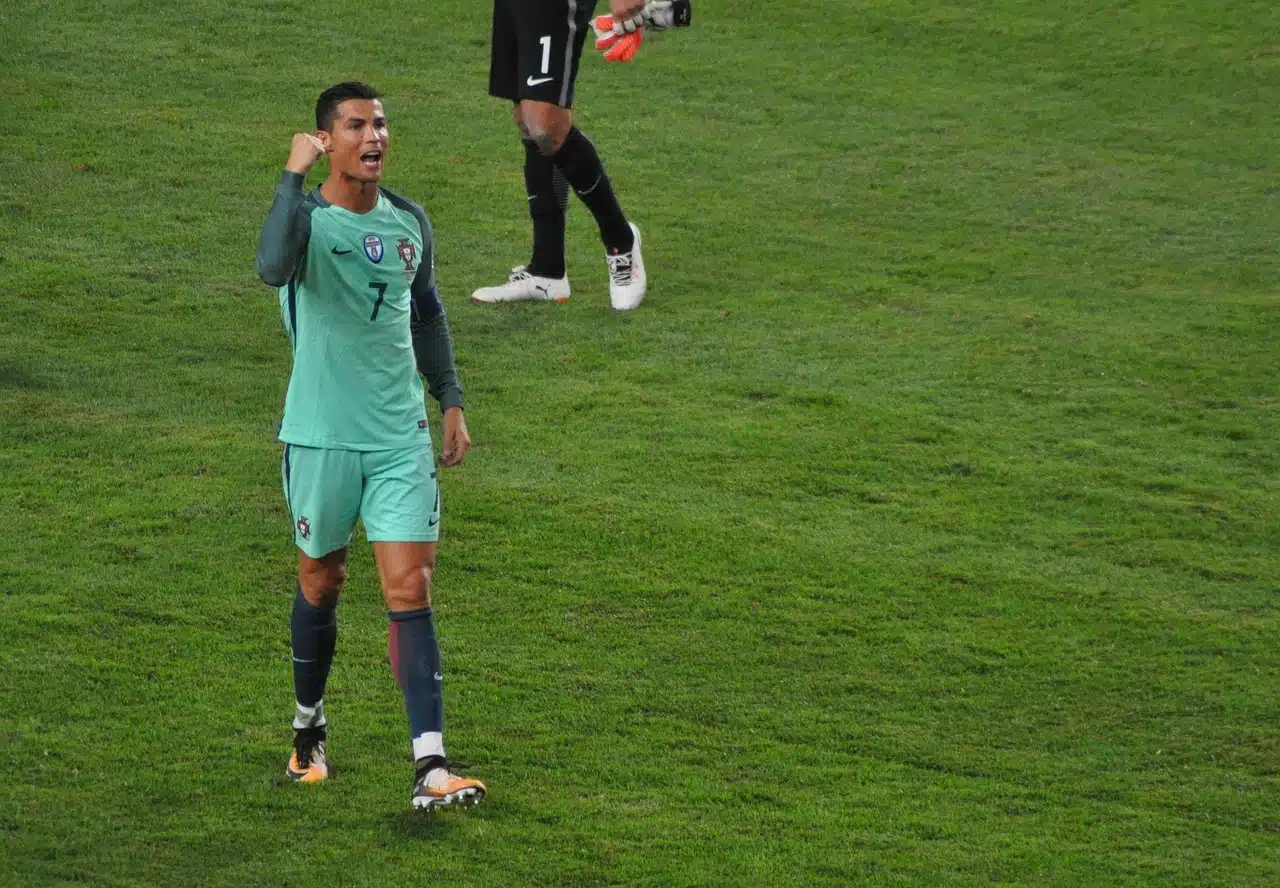
Cristiano Ronaldo is gearing up for a record-breaking sixth trip to the World Cup this
It sounds almost unreal, but I’ve always been curious about one big question in football: has
As someone who has followed the NBA for years, I’ve seen how rare true scoring greatness
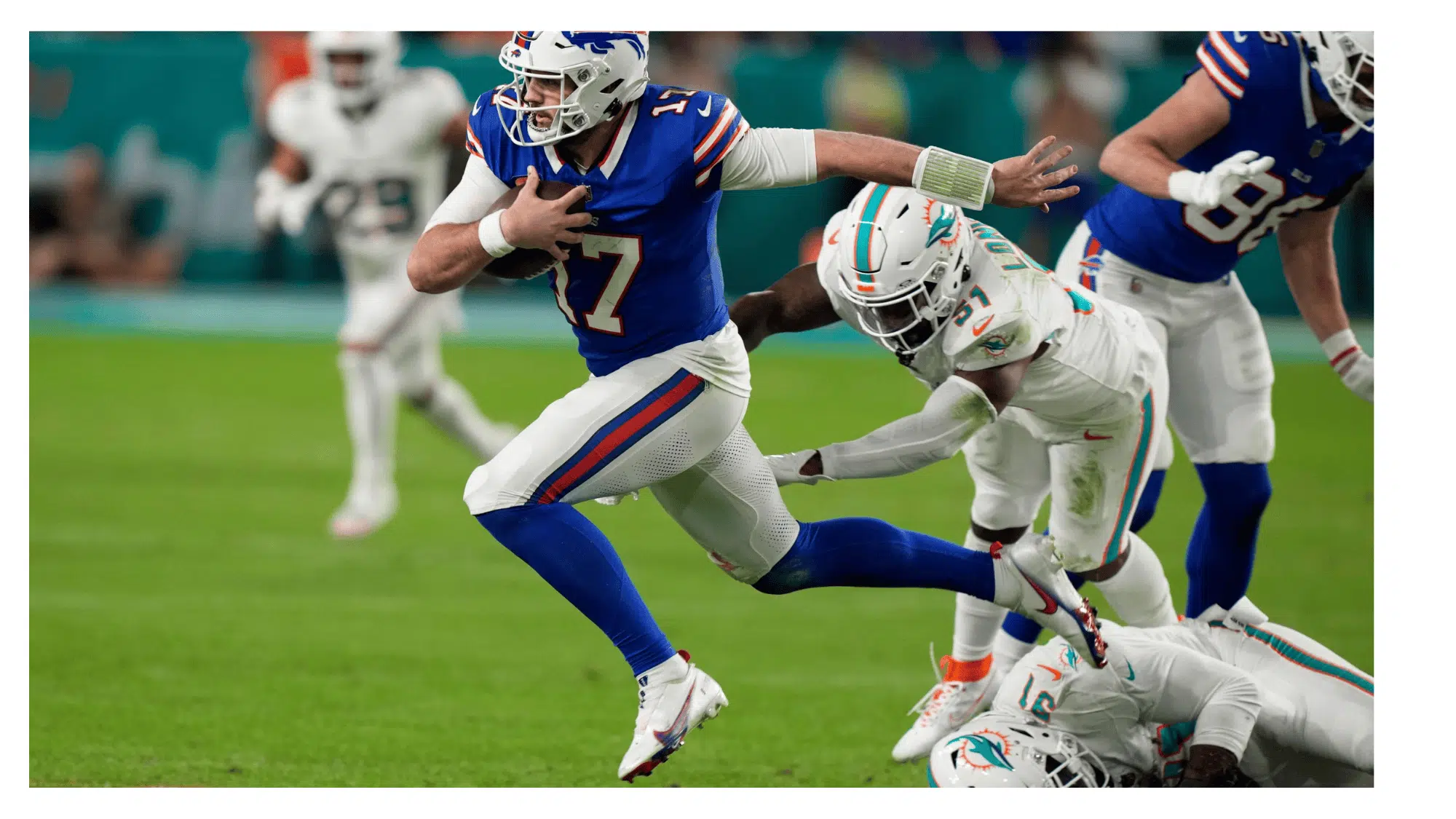
Building a winning team in a superflex dynasty league is not just about luck; I’ve learned
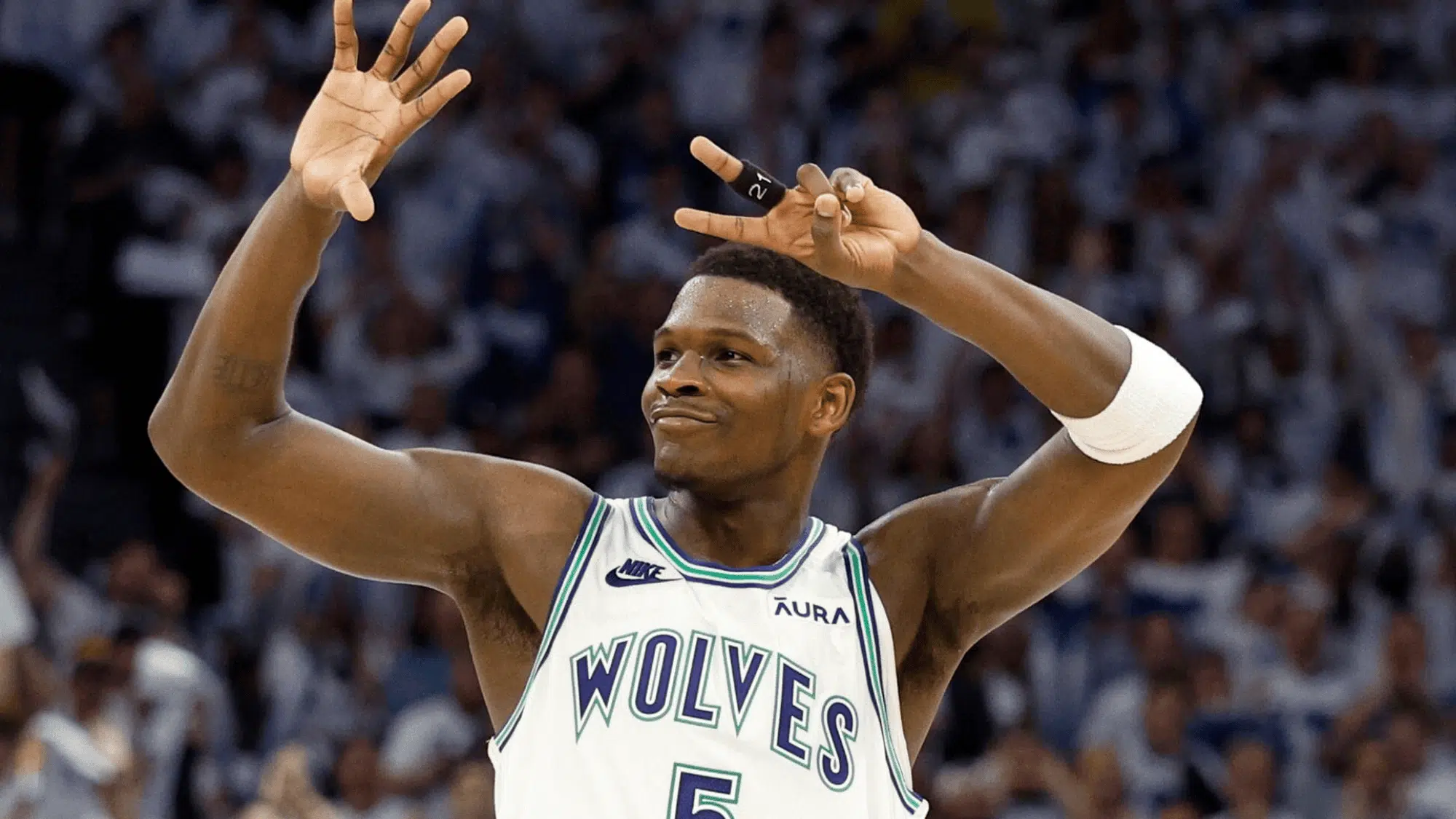
Anthony Edwards didn’t take a playoff loss and hide from it. He used it as a