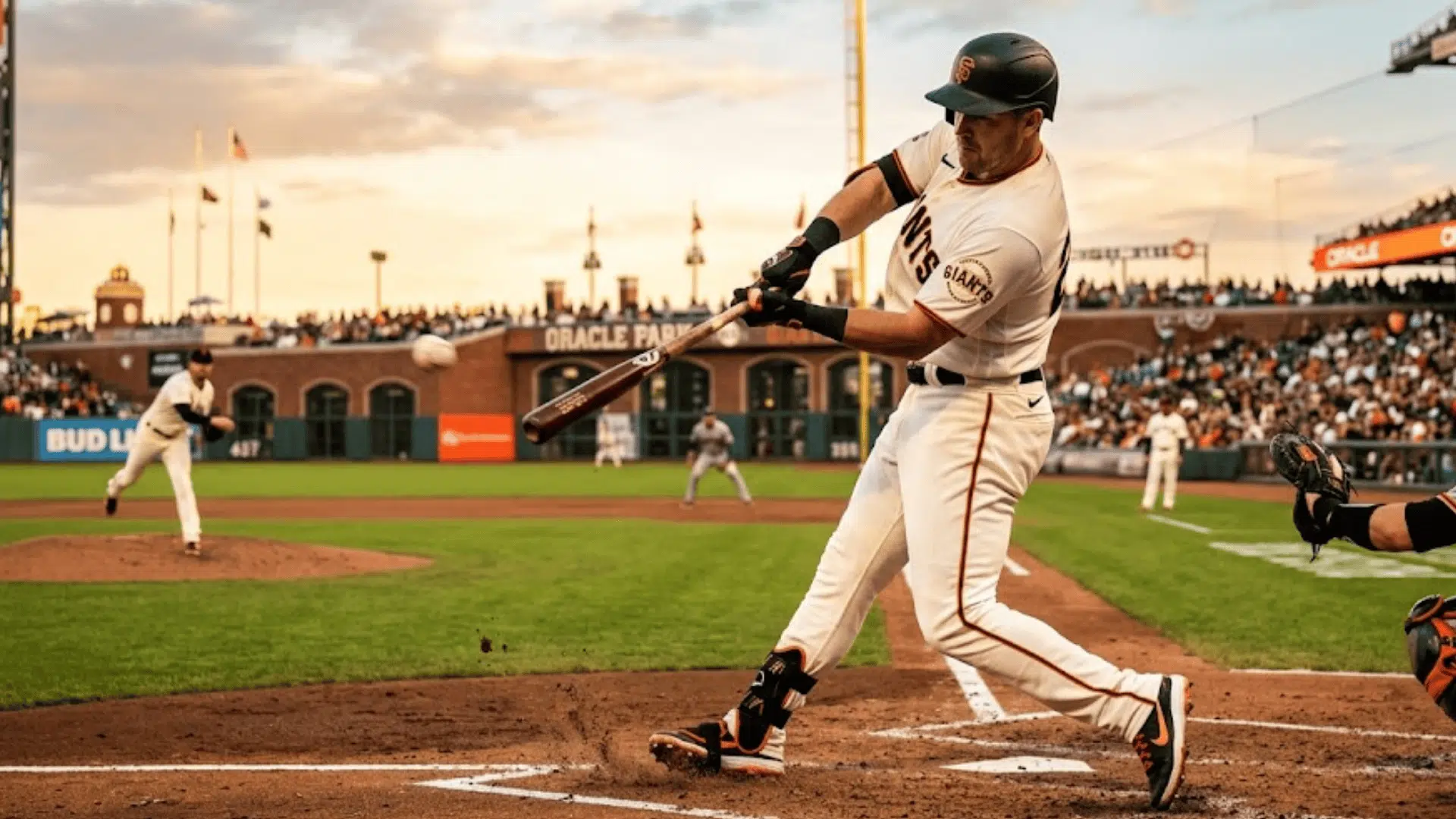
Not every player is fast, and not every player has a cannon for an arm. But the best players in baseball tend to do a little bit of everything well. That’s where the five tools come in. In this guide, you will learn what these 5 tools of baseball are and what it takes to build them. You’ll learn what coaches and scouts look for, how each skill is measured, and what you can do to improve. This five-tool guide to baseball covers speed, arm strength, fielding, hitting for average, and hitting for power, one tool at a time, with real tips you can actually use. If you play rec league or travel ball, understanding these skills gives you a clearer picture of where you stand and what to work on next. This will also help you train with purpose and take real steps toward becoming a complete player. What are the 5 Tools of Baseball? The 5 tools of baseball are speed, arm strength, fielding, hitting for average, and hitting for power. These are the five skills scouts and coaches use to measure a player’s overall ability on the field. Each tool represents a different part of the game. A player who excels in all five is called a five-tool player, and that’s one of the highest compliments in baseball. Most players are strong in one or two tools. That’s completely normal. But understanding all five helps players know where to focus their training. Scouts use these tools to grade players from youth leagues all the way up to the pros. The better a player scores across all five, the more valuable they are to a team. Why the 5 Tools Matter for Every Player? The 5 tools matter because they give players and coaches a clear way to […]
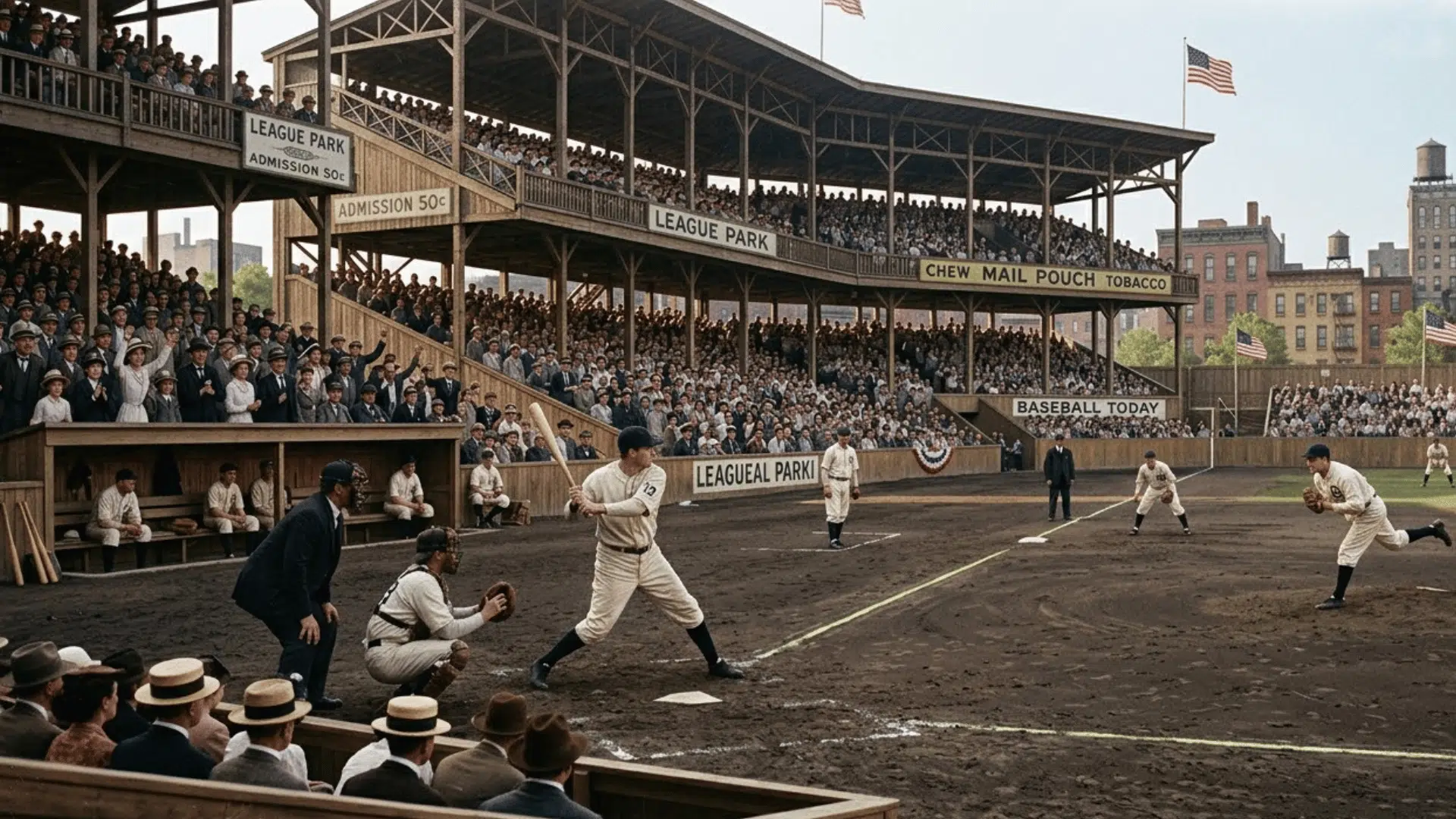
When I first starting watching baseball, I heard people saying “that’s a bit inside baseball” many times, and at first, I wasn’t sure what they meant. But once I looked into it, I realized it’s a phrase people use in everyday talk to describe something very detailed or hard to follow unless you already know the topic well. In this blog, I’ll walk you through where the phrase “inside baseball” came from, how it started in the game itself, and how its meaning changed over time. I’ll also share how people use it today in news, business, and daily conversations. By the end, you’ll clearly understand what it means and why it still shows up so often in real life. Where Did the Phrase ‘Inside Baseball’ Come From? The phrase goes back to the late 1800s and early 1900s, when baseball was the most popular sport in the country. Back then, “inside baseball” referred to a specific style of play. It was a strategy-heavy approach that focused on small moves like bunts, stolen bases, and hit-and-run plays rather than big swings and home runs. This style required players to think carefully, read the field, and make quick decisions. It was the kind of play that only someone who really understood the game could fully appreciate. A casual fan watching from the stands might miss what was happening, but a coach or experienced player would catch every detail. That gap between what insiders knew and what outsiders noticed is exactly where the phrase got its meaning. Over time, people began using it to describe situations where the details were too technical or specific for a general audience to follow easily. How the Meaning Shifted Over Time As baseball grew in popularity, so did its language. The phrase “inside baseball” slowly moved […]
I’ve always found it interesting how baseball is more than just a game. Over time, it has shaped the way we speak in everyday life. You may not even notice it, but phrases you use often actually started on a baseball field many years ago. In this blog, I’ll walk you through some of the most common baseball sayings, where they came from, and what they mean today. I’ll cover early phrases, popular sayings from batting and pitching, and the ones that people now use without even thinking about baseball. By the end, you’ll start to see how these simple words traveled from the field into daily conversation, and why they still make sense even now. Sayings From the Early Days of Baseball The earliest baseball sayings came from a time when the game was still finding its shape. Players, coaches, and fans needed quick ways to describe what was happening on the field, and the language they invented stuck around long after the era passed. “Out of left field” is one of the oldest. It described a throw coming from the left fielder that was unexpected or off-target. Today, it means something surprising or strange that nobody saw coming. If someone says your idea came out of left field, they mean it caught everyone off guard. “Cover all your bases” came straight from the field, too. In the game, it means making sure every base is defended. Outside the sport, it means thinking ahead and making sure nothing is missed before moving forward with a plan. “Ballpark figure” originated as a way to estimate how many people were in the stadium. Now people use it any time they want a rough number or a general guess rather than an exact answer. Batting and Pitching Sayings You Still Hear Some […]

I’ve seen many fans wonder if playing in the UFL can really lead to the NFL. It’s a fair question. If you’re watching spring football, you probably want to know if it actually helps players move forward. I had the same thought when I first started following the league closely. In this guide on UFL to NFL moves, I’ll explain how the path works in simple terms. You’ll learn how players get noticed, what teams look for, and how some players turn UFL opportunities into bigger chances. Exposure often depends on where teams play and how games are set up, which ties closely to the current UFL team structure and stadium choices. I’ll also share real examples and break down what gives players the best chance to move up and build a stronger football career. How Do UFL Players Get Noticed by NFL Teams? UFL players get noticed through game performance and visibility, as scouts review recorded games to find players who show consistent skill, discipline, and strong performance over time. Regular playing time is a big advantage. Unlike practice squads, UFL players are on the field often, giving them more chances to prove themselves in real game situations. Strong performances across multiple games help build trust and make players easier to evaluate. Scouts also look at decision-making, physical condition, and how players handle pressure situations. Players who stay calm, follow game plans, and perform well in key moments are more likely to attract serious attention. What is the Path from UFL to NFL? The path from the UFL to the NFL is not direct, but it follows a clear process. Players move step by step, building performance, visibility, and opportunities along the way. 1. Join a UFL Team The first step for most players is signing with a UFL […]

Golf can feel confusing at first, especially with all the unique scoring terms players use on
College football can feel confusing, especially when terms like FBS and FCS get tossed around like
Golf scoring can feel confusing at first, especially when everyone keeps talking about par. What Is
Ever wondered how long a soccer game really lasts? On paper, it seems pretty straightforward, but
MMA and boxing are two tough combat sports that often get compared, and it can be
If baseball season feels like it’s always on, that’s because it almost is. Games stack up
Watching a WNBA game is exciting, fast, and full of nonstop action, but many fans still
Why does a 60-minute football game take three hours to watch? If you’ve ever been confused
Ever heard someone confidently say they know exactly who “invented” bowling, and it just doesn’t sound
Ever watched an NFL game and heard the ref call “offside,” then saw everyone groan or
Categories