
Athlete
Before stepping onto the field, it helps to know what every player is expected to do. Flag football uses several positions, and each one plays a different part in moving the ball, protecting teammates, or stopping the opposing offense. Knowingflag football positions can help players choose the role that best matches their skills while making games easier to understand. Each position has a specific role, from passing and catching to rushing and defending. This guide explains the most common offensive and defensive positions, where players line up, what they do during a game, and how each role contributes to the team’s success. Key Takeaways Flag football positions are divided into offense and defense, and each player has a specific job. Offensive positions focus on moving the ball and scoring, while defensive positions work to stop the opposing team. The quarterback, center, wide receiver, and running back are the most common offensive positions. Defensive roles usually include the rusher, defensive back, safety, and sometimes a linebacker. Team size and league rules can change how positions are used and what each player is responsible for. Learning every position helps players improve teamwork, game awareness, and overall skills. Choosing the right position based on your strengths makes the game more enjoyable and easier to learn. Why Flag Football Positions Matter? Knowing where each player belongs on the field is one of the easiest ways to understand flag football. Choose the right role: Players can find a position that matches their speed, passing ability, hands, or defensive skills. Improve teamwork: Everyone knows their assignment, making plays run more smoothly. Learn the game faster: Understanding positions makes it easier to follow rules, formations, and play calls. Build confidence: New players feel more comfortable when they know what is expected on every play. Develop better skills: […]

Every great defense starts with players knowing exactly where to be. Cover 2 defense is one of the most widely used zone coverages in football because it helps limit deep passes while keeping defenders in position. Understanding how it works can make watching or coaching the game much easier. I remember feeling confused by all the different defensive terms at first, and you might feel the same. Once I learned the basic idea, it became much easier to follow what teams were doing before and after the snap. In this post, I’ll explain what Cover 2 defense is, how it works, and why so many teams still use it. You’ll also learn the job of each defender, the strengths of this coverage, and the weak spots that offenses try to attack. What Is Cover 2 Defense in Football? The Cover 2 defense divides the deep part of the field into two equal halves, with each safety responsible for one side. Five defenders cover short and mid-range zones instead of following receivers. Typically, the two cornerbacks defend the flat zones near the sidelines, while the linebackers protect the hook, curl, and middle zones. This layered structure helps defend against deep throws while limiting short completions with multiple defenders in position to make tackles. One of the key strengths of Cover 2 is forcing offenses to take underneath passes instead of explosive plays. Its main weakness is the deep middle, the space between the two safeties, which skilled quarterbacks often try to exploit. How to Recognize Cover 2 Before the Snap? Recognizing Cover 2 before the snap helps quarterbacks and receivers anticipate the defense and make better decisions. By reading a few key alignment cues, players can often identify this coverage before the ball is snapped. Check Cornerback Position: Cornerbacks often line […]

Soccer has a special way of bringing people together. A simple match can turn an empty field into a lively space filled with teamwork and excitement. The game is easy to understand and requires little equipment, making it welcoming to players of all ages. As an outdoor sports writer with experience in endurance and recreational activities, I have seen how accessible sports often build the strongest communities. So, why is soccer so popular around the world? Its simple rules, emotional matches, famous players, and strong sense of belonging all play a part. This blog post shows the main reasons people enjoy soccer and why its global appeal continues to grow. Quick Answer: Why Is Soccer so Popular? Soccer is popular because it is inexpensive to play, easy to understand, available almost anywhere, and deeply tied to local and national identity. Major competitions, famous players, historic clubs, passionate rivalries, and unpredictable matches also give fans reasons to keep watching throughout the year. Soccer Popularity at a Glance Metric Figure 2022 World Cup engagement About 5 billion people 2022 World Cup final reach Nearly 1.5 billion US outdoor soccer participants, 2025 16.8 million US indoor soccer participants, 2025 6.6 million MLS clubs 30 Reasons Why Soccer Is So Popular? Several factors are driving soccer’s rapid rise in the United States. From the 2026 FIFA World Cup to changing viewing habits and youth participation, each plays a role in expanding the sport’s audience. 1. Global Tournaments Inspire Millions Major tournaments like the FIFA World Cup bring worldwide attention to soccer and introduce the game to new audiences. These events create unforgettable moments that inspire people to start watching or playing the sport. International competitions also showcase different playing styles, famous athletes, and passionate supporters, making soccer feel exciting even for first-time viewers. The […]

If you already have a tennis court nearby, you might ask, can you play pickleball on a tennis court? I had the same question before picking up a paddle for the first time. The short answer is yes, but a few things can make the game easier and more fun. Knowing the right court setup, net height, and line options helps you avoid confusion and enjoy better games. I’ll also cover simple ways to use a tennis court for pickleball, along with a few tips that can save you time before your next match. Can You Really Play Pickleball on a Tennis Court? Yes, you can play pickleball on a tennis court. With roughly 270,000 tennis courts across the U.S., one may be available near your home, while dedicated pickleball courts remain limited in many towns. The setup works because both sports typically use hard, flat asphalt or concrete surfaces with an acrylic coating, which allows predictable ball bounce and steady footing. The main differences involve court size, net height, and pickleball’s no-volley zone. A pickleball court is about one-quarter the size of a tennis court, so temporary lines or portable nets may be needed. In my experience scouting courts for group games, many tennis facilities allow occasional pickleball play during off-peak hours. Still, do not assume every court permits it. Always check local rules or ask for permission before setting up a game. How to Set Up a Pickleball Court on a Tennis Court Once you know the target measurements, converting the space takes about fifteen minutes with the right gear. 1. Choose a Tennis Court that Allows Pickleball Play Start by choosing a tennis court where pickleball play is allowed. Courts with permanent pickleball lines are the easiest option, but a standard tennis court can also work well […]


While a player looks at the game screen, they also wonder what is happening behind it.

Athletic confidence is more than simply believing you can win a game or master a skill.

Think about the last time a visa delay cost an athlete a competition slot. It happens
Table of Contents 1. Grab the Right Fabric Without Overthinking 2. Lock In a Fit That

The modern sports ecosystem has evolved into a real-time, data-driven environment where information flows instantly and

The modern sports landscape has entered a data-driven era where performance is no longer judged solely

The landscape of cricket has undergone a dramatic transformation in the past decade, driven by the

Betting apps are one of the most competitive segments in mobile product design. Fractions of a
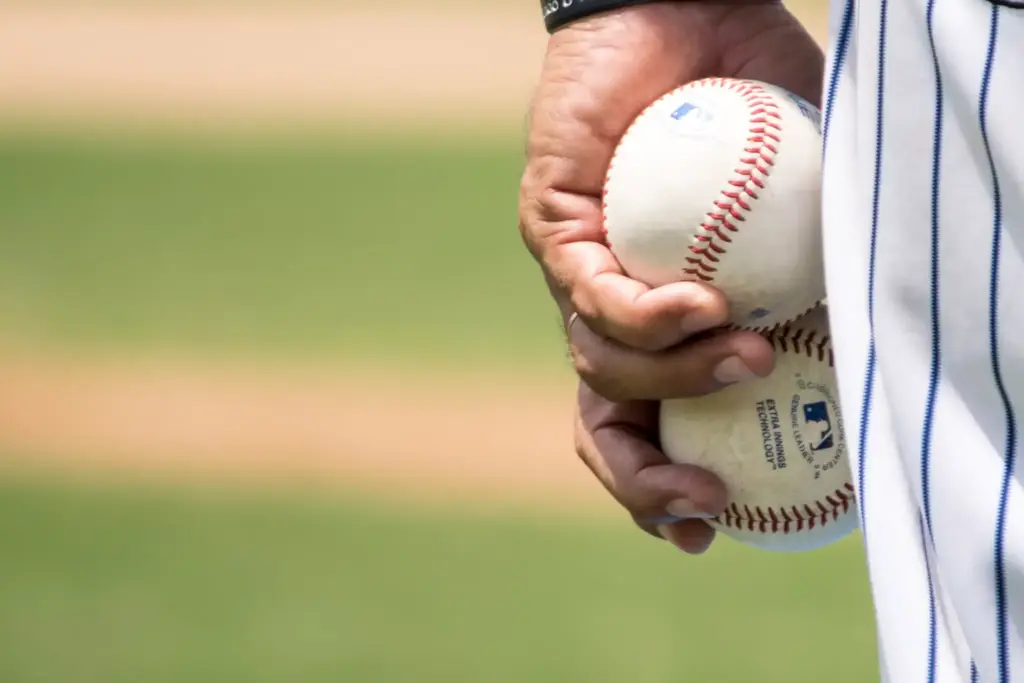
The Major League Baseball season has reached an important checkpoint. With teams heading deeper into the

Here’s something most players never figure out: the best competitors aren’t grinding one game forever. They’re

Horse racing is one of the world’s most followed sports, meaning that it is unsurprising that
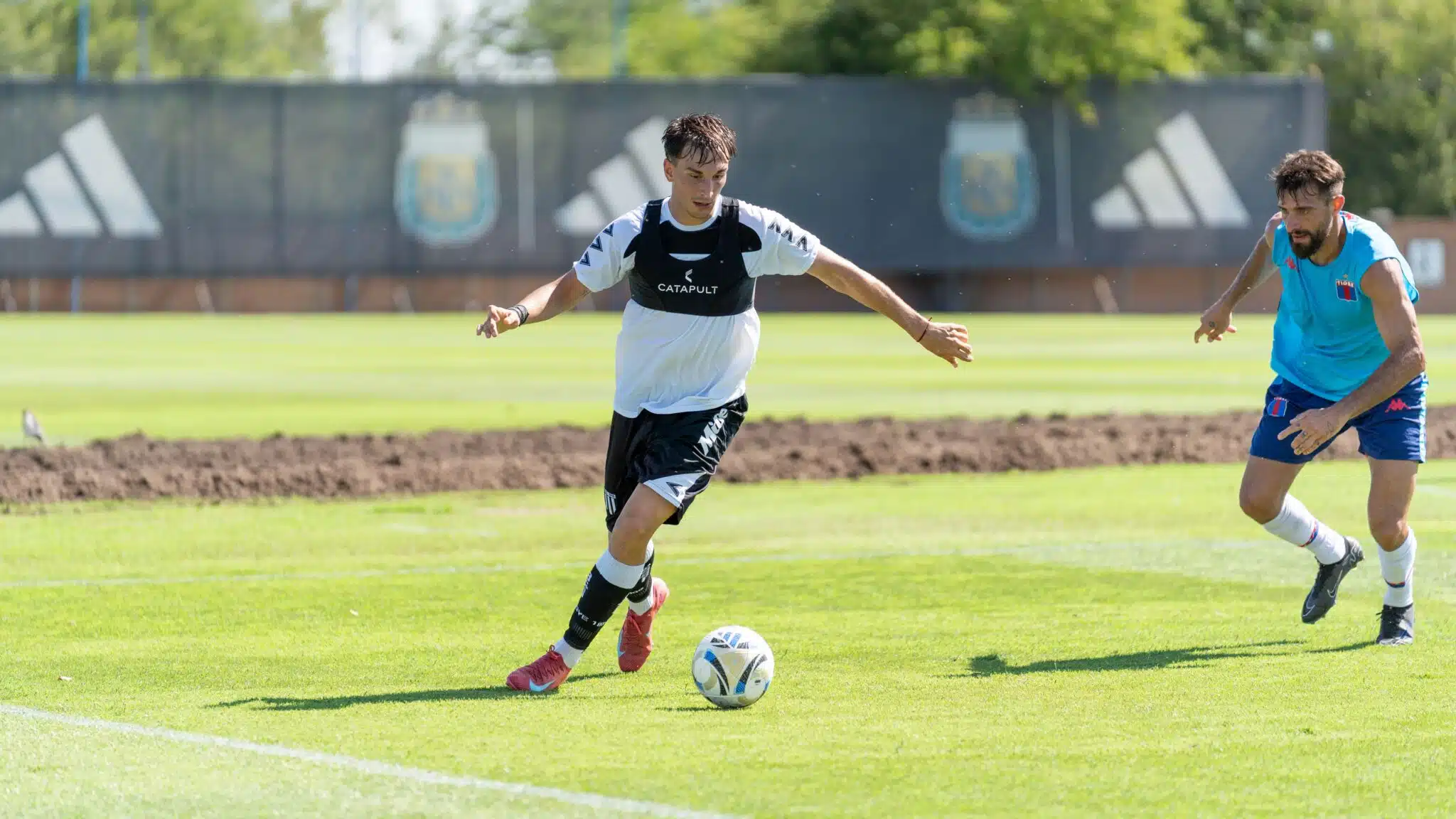
The 2026 World Cup is a monster compared to the ones that came before it. Forty-eight