
Athlete
Every football game has moments when one unexpected decision can shift momentum and change the final result. Coaches spend hours preparing for familiar formations, yet one unusual alignment can force defenders to hesitate, communicate under pressure, and adjust within seconds. That uncertainty is one reason certain plays remain relevant long after they first appeared on the field. Some formations create an advantage not through speed or size, but through timing, spacing, and quick decision-making. From high school programs to college football, these plays continue to attract attention because they challenge defensive discipline and create scoring opportunities in critical situations. Their unusual structure also gives coaches another way to pressure opponents before the ball is even snapped. What Is Swinging Gate Football? Swinging gate football is an unconventional offensive formation commonly used during PAT attempts and two-point conversions. Most of the offensive line shifts to one side, leaving only the center over the ball. This unusual setup forces the defense to adjust quickly before the snap and may create a numerical advantage on one side of the field. If the defense fails to match the alignment, the offense can attack the open space. If defenders adjust correctly, the team can shift back into a traditional field goal formation. The formation supports several options, including a direct run, a quick screen pass, an option play, or an extra-point kick, making it a flexible special-teams strategy. How the Swinging Gate Formation Evolved? The swinging gate formation has been part of American football for decades. Early coaches used unbalanced alignments to improve blocking angles and create a numbers advantage at the point of attack. Over time, it developed into a specialized strategy, especially on special teams. High school programs adopted it because strong preparation and clean execution could offset differences in size or athletic […]

If you’ve watched a football game and wondered how quarterbacks find an open receiver so quickly, the smash concept football play is a great place to start. Coaches at every level use this passing concept because it gives the quarterback two strong options against common defensive coverages. I like how it keeps things simple while still putting pressure on the defense. Once you understand the routes, quarterback reads, and how defenses try to stop them, you’ll have a much better idea of why this play remains one of the most trusted passing concepts in football. What Is the Smash Concept in Football? The Smash Concept is a two-receiver passing combination that places an outside defender in a high-low conflict. In its basic form, the outside receiver runs a short hitch route while the inside receiver runs a corner route. The hitch settles underneath the coverage, and the corner route attacks the open area near the sideline. The quarterback reads the cornerback or flat defender and throws based on that player’s movement. If the defender stays low to cover the hitch, the corner route may open behind the coverage. If the defender drops with the corner route, the quarterback can throw underneath to the hitch. Coaches can run the concept from several formations and adjust the routes for field position, coverage, or player strengths. It is often called against Cover 2, though teams can adapt it for man and other zone coverages. Why Does the Smash Concept Work? The smash concept works by creating a high-low stretch on the outside defender, forcing the defense into a difficult coverage decision. Creates a Flat-Deep Conflict: The short hitch or curl route draws the cornerback toward the flat, opening space behind for the corner route. Exploits Two-High Safety Coverage: In Cover 2 and similar […]

Cover 0 has a reputation as football’s most reckless defensive call, but that reputation only tells part of the story. Many fans think it simply means sending as many pass rushers as possible and hoping someone reaches the quarterback. In reality, Cover 0 is a carefully planned strategy built on one idea: take away the quarterback’s time before receivers can get open. It also makes it easier to see why offenses change protections, use motion before the snap, and rely on quick passing concepts. The possibility of heavy pressure influences every decision on offense. Learning how Cover 0 works, why coaches call it despite its risks, and how it differs from other coverage schemes provides a clearer picture of its role in modern defenses. What Is Cover 0 Defense? Cover 0 is a defensive coverage that uses man-to-man coverage with no deep safety help while sending heavy pressure on the quarterback. Each receiver gets a defender, while extra defenders blitz the quarterback. Unlike zone-based coverages that prioritize preventing deep passes, Cover 0 accepts the risk of one-on-one matchups in exchange for creating immediate disruption. Its primary goal is to pressure the quarterback before routes can develop, leading to hurried throws, sacks, or turnovers. Although it is one of football’s most aggressive defensive strategies, coaches typically use Cover 0 in specific situations where the potential reward outweighs the risk of leaving no defender deep. Anatomy of a Cover 0 Defense Every defender has a specific role in Cover 0. Although the formation may look aggressive before the snap, success depends on every player executing their assignment rather than simply rushing the quarterback. Position Primary Responsibility Cornerbacks Cover wide receivers in man coverage Safeties Blitz or cover a tight end or running back Linebackers Blitz interior gaps or cover eligible receivers Defensive […]

Baseball pitch grips can make the difference between a predictable throw and a pitch that keeps hitters guessing. The way you place your fingers on the ball directly affects its speed, movement, spin, and control, making proper grip one of the most important skills for every pitcher to master. Even small adjustments can change how a fastball cuts through the strike zone or how sharply a curveball breaks. Understanding the purpose behind each grip also helps reduce unnecessary strain while improving consistency on the mound. In this article, you’ll learn the most common baseball pitch grips, how to hold each pitch correctly, when to use them during a game, and practical tips to develop better command and confidence. Quick Answer: What Are the Main Baseball Pitch Grips? The main types of baseball pitch grips are the four-seam fastball, two-seam fastball, sinker, cutter, changeup, curveball, slider, split-finger fastball, knuckleball, and screwball. What Are Baseball Pitch Grips? A baseball pitch grip is the way a pitcher places their fingers and thumb on the baseball before throwing. The grip directly affects how the ball spins, which influences its movement, velocity, and overall command. Even small changes in finger placement or grip pressure can produce a different pitch. Choosing the right grip depends on several factors, including hand size, the type of pitch being thrown, and the player’s experience level. Learning proper baseball pitch grips helps pitchers throw more consistently, improve accuracy, and develop a wider range of effective pitches over time. Types of Baseball Pitch Grips Baseball pitch grips determine the spin, movement, and velocity of each pitch, with specific finger placement and pressure essential for effective pitching. 1. Four-Seam Fastball Grip Source: wikihow.com The four-seam fastball grip is used to throw one of the fastest and straightest pitches in baseball. Place your […]


A club that has never been rated as the best in defending, and here I have
There’s something about the sound of a basketball bouncing on hardwood that cuts through the noise

Golf can feel confusing when you first start following it. There are tournaments every week, but

Gross and net golf scores often confuse beginners because both are used to measure performance during

Golf can feel confusing when you first start playing, and scoring is often the hardest part
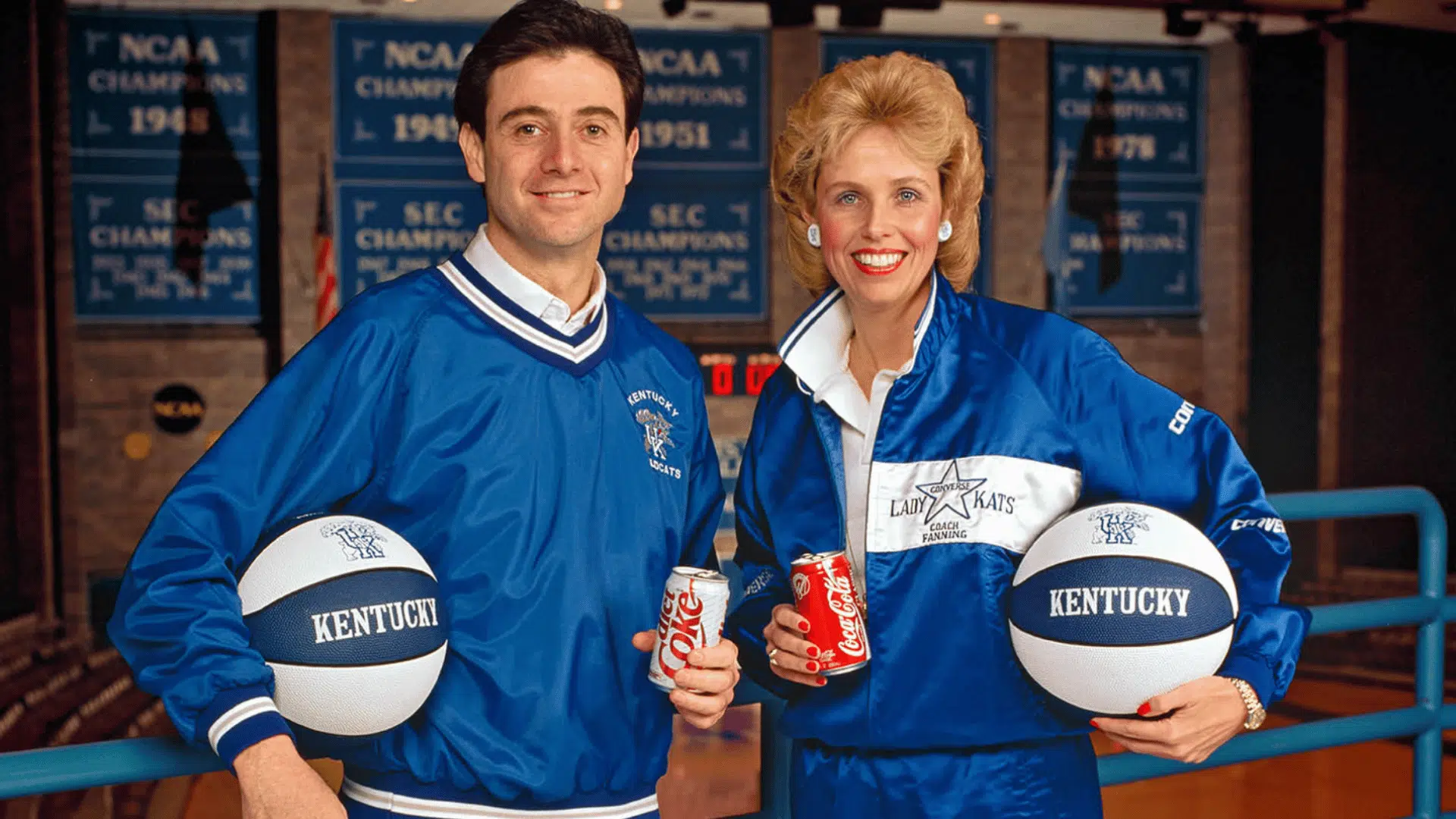
Rick Pitino’s wife is Joanne Minardi Pitino, a Long Island native who married the basketball coach

Afullback is a type of running back who lines up close to the quarterback in the
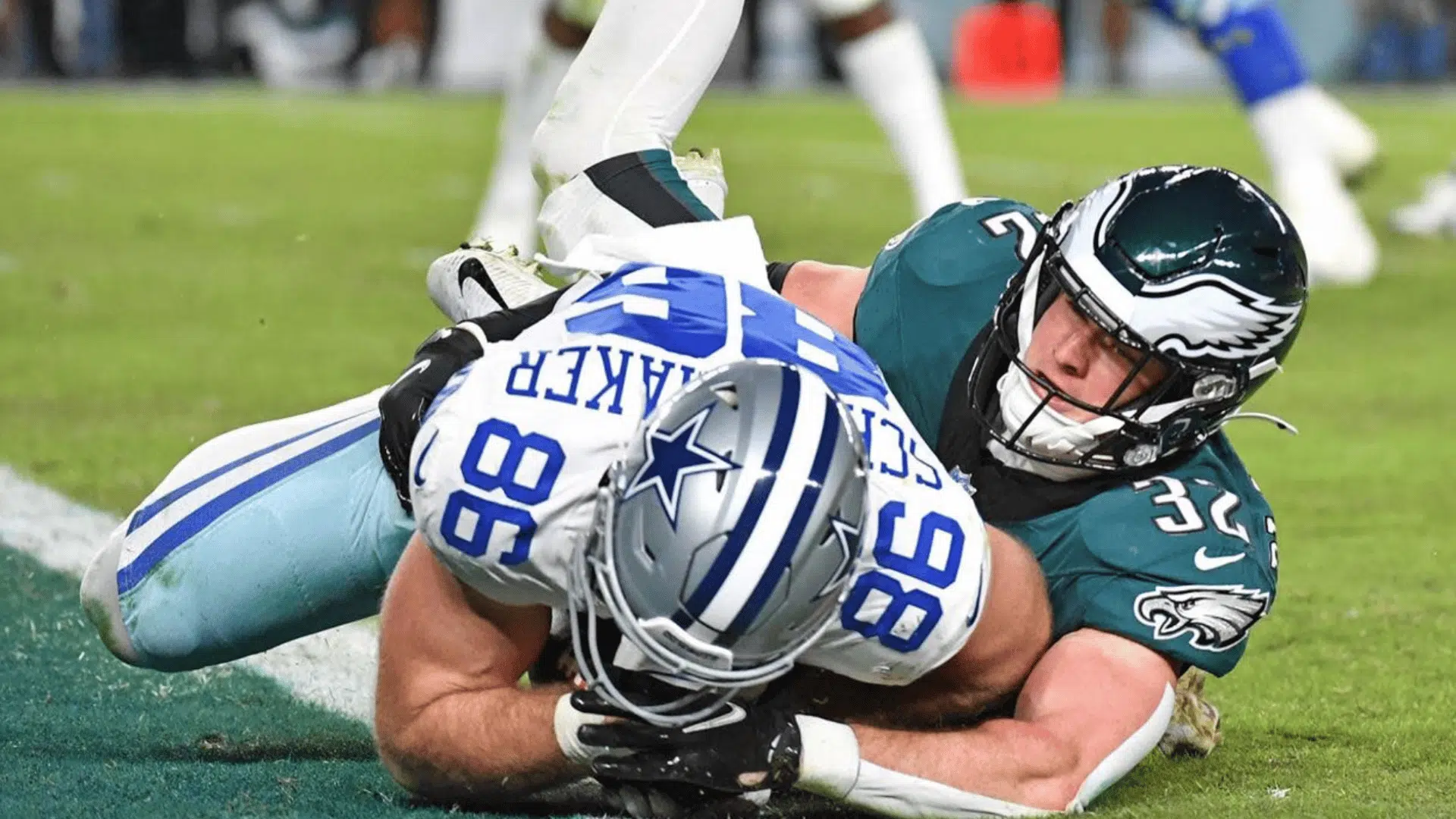
Football rules can be confusing, and illegal touching is one penalty that many fans struggle to

Sports merchandise trends have shifted toward personalization and limited-run collectibles. Consumer expectations for sports merchandise have

Have you ever tried to picture how big an acre really is? Most people hear land
Football has been around for a long time, but there are still many things about the

I remember hearing football commentators talk about wheel routes, and at first, I had no idea