





The landscape of cricket has undergone a dramatic transformation in the past decade, driven by the integration of technology into every aspect of the game. Among the most impactful innovations is the use of wearable technology, which has redefined how players train, recover, and perform. What was once a sport guided largely by intuition and experience is now increasingly influenced by data, precision monitoring, and real-time insights.
Modern sports platforms such as SportHiatus highlight how wearable devices are becoming essential tools in cricket, enabling teams to optimize performance and reduce injury risks. This article provides an in-depth analysis of how wearable tech is used in modern cricket, exploring its applications, benefits, and future potential.
The Evolution of Technology in Cricket:
Cricket has always embraced innovation, from the introduction of video analysis to decision review systems. However, wearable technology represents a shift from external observation to internal monitoring. Instead of analyzing performance after the fact, teams can now track player metrics in real time.
This evolution has been driven by advancements in sensor technology, data analytics, and connectivity. Wearable devices collect detailed information about physical and physiological parameters, providing insights that were previously unavailable.
The integration of these technologies has transformed cricket into a more scientific and data-driven sport.
Understanding Wearable Technology in Cricket:
Wearable technology refers to devices that players wear during training or matches to collect data on their physical activity and health. These devices include GPS trackers, heart rate monitors, motion sensors, and smart clothing embedded with sensors.
The data collected by these devices is transmitted to analytical systems, where it is processed and interpreted. Coaches and analysts use this information to make informed decisions about training, strategy, and player management.
The ability to monitor performance in real time is one of the most significant advantages of wearable technology. Platforms that analyze modern cricket trends and engagement, such as secure online betting solutions, also reflect how data and real-time insights are becoming central to the sport.
Monitoring Player Fitness and Physical Performance:
One of the primary uses of wearable tech in cricket is monitoring player fitness. Devices track metrics such as distance covered, speed, acceleration, and heart rate, providing a comprehensive view of physical performance.
For fielders, this data helps assess agility and movement efficiency. For bowlers, it provides insights into workload and intensity. Batters benefit from understanding their running patterns and energy expenditure.
By analyzing these metrics, teams can tailor fitness programs to individual needs, ensuring that players maintain optimal physical condition.
Workload Management and Injury Prevention:
Workload management is a critical aspect of modern cricket, particularly in formats like T20 where the schedule is intense. Wearable technology allows teams to monitor the physical load on players, helping to prevent overtraining and injuries.
For fast bowlers, who are particularly prone to injuries, wearable devices track parameters such as bowling speed, run-up intensity, and repetition frequency. This data helps identify signs of fatigue and adjust workloads accordingly.
Injury prevention is not just about reducing risk; it also ensures that players remain available and perform consistently throughout the season.
Enhancing Training Efficiency and Skill Development:
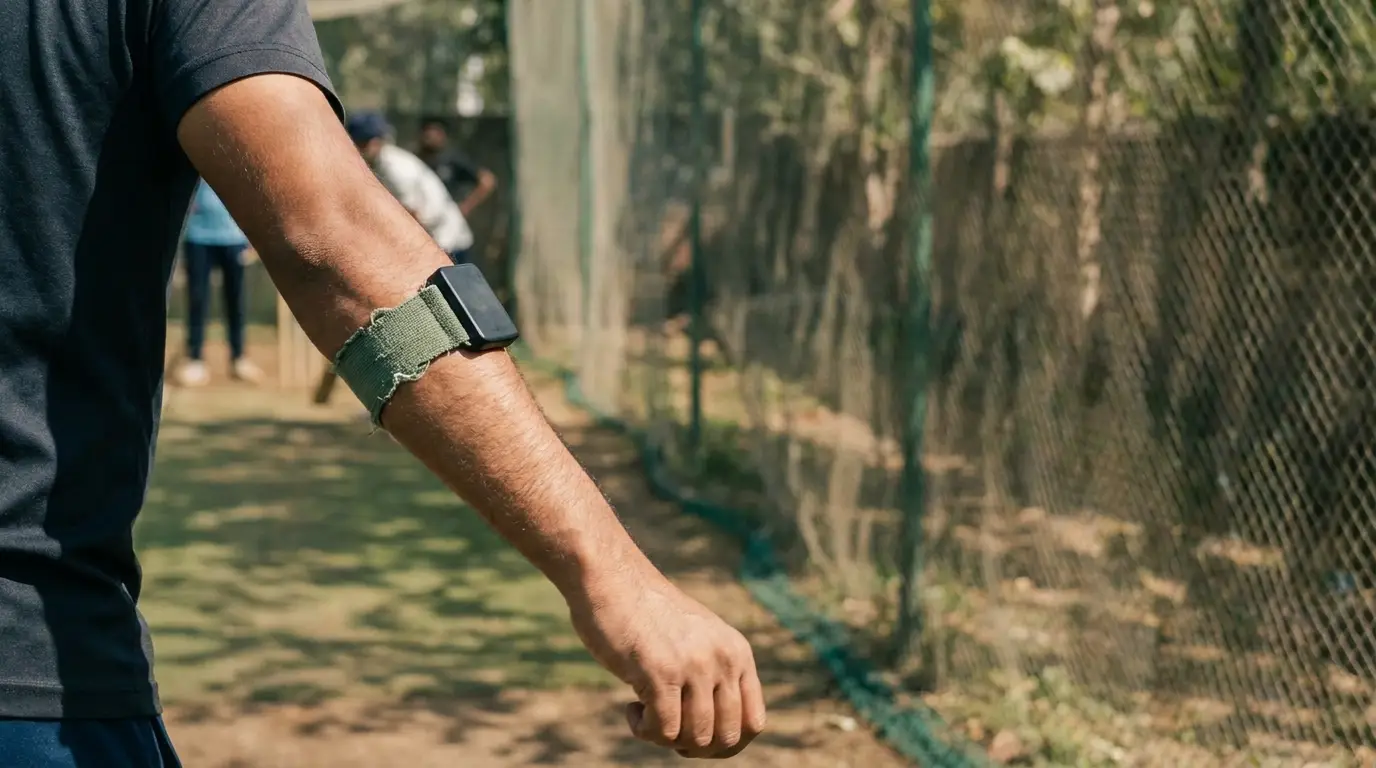
Wearable tech plays a significant role in improving training efficiency. By providing detailed feedback on performance, these devices enable players to focus on specific areas of improvement.
For example, motion sensors can analyze bowling actions, identifying inconsistencies or inefficiencies. Similarly, wearable devices can track batting movements, helping players refine their technique.
This data-driven approach to training ensures that improvements are targeted and measurable, accelerating skill development.
Real-Time Data and In-Match Insights:
One of the most advanced applications of wearable technology is the ability to provide real-time data during matches. Coaches and support staff can monitor player performance as the game unfolds, allowing for immediate adjustments.
For instance, if a player shows signs of fatigue, strategies can be modified to manage their workload. Real-time insights also help in making tactical decisions, such as field placements and bowling changes.
The integration of real-time data enhances the responsiveness and adaptability of teams.
Role of Wearables in Recovery and Rehabilitation:
Recovery is a crucial component of performance, and wearable technology has significantly improved how it is managed. Devices track metrics such as sleep quality, heart rate variability, and recovery time, providing insights into a player’s readiness.
This information helps teams design personalized recovery protocols, ensuring that players are fully prepared for upcoming matches. In rehabilitation, wearable tech monitors progress and ensures that players return to action safely.
The focus on recovery highlights the holistic approach of modern cricket, where performance and well-being are closely linked.
Data Analytics and Decision-Making:
The data collected from wearable devices is only valuable when it is effectively analyzed. Advanced analytics platforms process this data to generate actionable insights.
Teams use these insights to make decisions about player selection, training intensity, and match strategies. The integration of wearable data with other performance metrics creates a comprehensive analytical framework.
This analytical evolution aligns with broader cricket data resources, where historical performance and records such as the IPL Trophy Winners List provide additional context for evaluating team success and long-term performance trends.
Psychological Benefits and Performance Optimization:
While wearable technology primarily focuses on physical metrics, it also has indirect psychological benefits. Players gain confidence from understanding their performance and tracking their progress.
The ability to measure improvement provides motivation and reinforces positive habits. Additionally, monitoring stress and recovery helps players maintain mental well-being.
This combination of physical and psychological optimization enhances overall performance.
Challenges and Limitations of Wearable Technology:
Despite its advantages, wearable technology is not without challenges. Data accuracy, device reliability, and privacy concerns are important considerations.
Players and teams must ensure that data is used responsibly and that devices do not interfere with performance. There is also a need for skilled analysts who can interpret data effectively.
Addressing these challenges is essential for maximizing the benefits of wearable technology.
Adoption Across Different Levels of Cricket:
While wearable technology is widely used at the professional level, its adoption is gradually expanding to domestic and grassroots cricket. As devices become more affordable and accessible, more teams are incorporating them into their training programs.
This democratization of technology has the potential to improve performance standards across all levels of the game.
The Future of Wearable Tech in Cricket:
The future of wearable technology in cricket is promising, with ongoing advancements in sensor technology, artificial intelligence, and data integration. Future devices may provide even more detailed insights, including biomechanical analysis and predictive modeling.
As technology continues to evolve, wearable devices will become even more integral to cricket, shaping how players train, perform, and recover.
Conclusion:
Wearable technology has revolutionized modern cricket, transforming it into a data-driven and scientifically optimized sport. From monitoring fitness and managing workload to enhancing training and recovery, these devices provide valuable insights that improve performance.
As the game continues to evolve, the role of wearable tech will only become more significant, offering new opportunities for innovation and growth. By embracing this technology, cricket is not only enhancing its present but also shaping its future.