
Health & Care
A hard workout is supposed to leave you tired. Yet some sessions produce a different experience: the muscles are fatigued, but heart rate remains elevated, the body feels unusually warm, and the mind is still alert long after training has ended. For people who exercise in the evening, that state can become particularly noticeable at bedtime. This does not necessarily mean that exercise is harming sleep or that the nervous system is stuck in a stress response. Exercise is itself a controlled physiological stressor. During harder training, sympathetic activity rises to support cardiovascular output, ventilation, energy availability and performance. Recovery begins when those demands fall and parasympathetic influence progressively returns. The speed of that transition varies with exercise intensity, duration, fitness, training load, recovery strategy and the time available before sleep. Understanding nervous system recovery after a workout therefore requires looking beyond muscle soreness. Cardiovascular and autonomic recovery follow their own timeline—and sometimes that timeline explains why a person can feel physically exhausted but still unusually alert. What “Feeling Wired” After Exercise Actually Means During strenuous exercise, heart rate, ventilation, blood pressure, catecholamine activity and metabolic demand rise substantially. At the same time, cardiac parasympathetic influence is reduced while sympathetic activity becomes more prominent. Once exercise stops, the system begins moving in the opposite direction. One of the earliest parts of this transition is heart-rate recovery. Research on post-exercise physiology has shown that the rapid fall in heart rate immediately after exercise is strongly influenced by parasympathetic reactivation. Sympathetic withdrawal also contributes, particularly as recovery continues. A quantitative review by Stanley and colleagues examined cardiac parasympathetic reactivation after aerobic exercise and found that exercise intensity, duration and training status influence the time course of recovery. Harder physiological stress generally produces a larger autonomic disturbance and a longer return toward baseline. […]

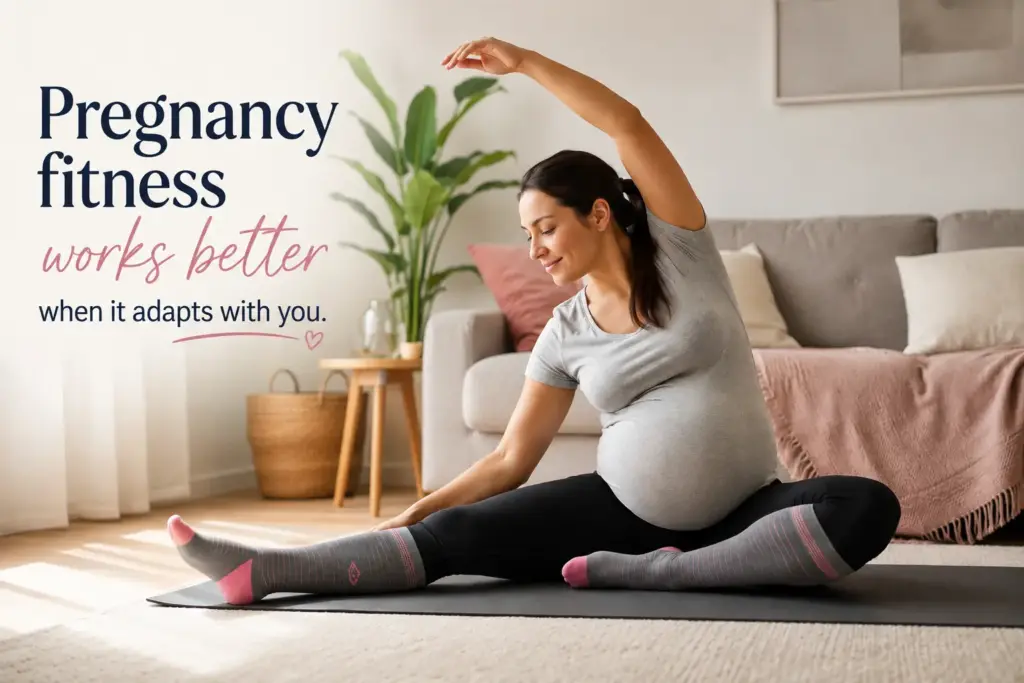
Pregnancy can change the way your legs feel during exercise surprisingly early. A walk that previously felt effortless may leave your calves feeling heavy. Ankles can become more noticeably swollen toward the end of the day, and spending several hours sitting or standing can make the lower legs feel uncomfortable before a workout has even started. For some women, compression socks become a useful addition to their maternity activewear. In a healthy, uncomplicated pregnancy, compression socks can generally be worn during activities such as walking, stationary cycling, prenatal strength training and other moderate exercise. They are not required for exercising during pregnancy, but they may offer additional support for women dealing with swelling, tired legs or pregnancy-related changes in circulation. The key is understanding what compression can realistically do, and when symptoms deserve more attention than simply pulling on another pair of socks. Why Do Legs Become Swollen During Pregnancy? Pregnancy creates several physiological changes that affect the lower body. Blood volume increases, hormonal changes affect blood vessels, and as the uterus becomes larger, it can place additional pressure on veins carrying blood back from the legs. Gravity adds another element. After several hours spent sitting, standing or walking, fluid can accumulate around the feet and ankles. This is why mild swelling is often more noticeable later in the day or later in pregnancy. Compression socks are designed to apply graduated pressure to the leg, usually with the greatest pressure around the ankle and gradually less compression higher up the calf. The idea is fairly simple: provide external support that helps reduce fluid accumulation and assists venous return from the lower legs. There is some evidence that this can translate into noticeable changes during pregnancy. In a randomized controlled study involving 60 pregnant women, those who wore compression stockings experienced […]
Recovery is where the real gains happen. Most folks work extremely hard in the gym or on the track…but they neglect one thing: Your body only grows when it rests. If you are missing recovery you are missing out on MASSIVE gains. Period. Here you will learn about all the best passive recovery techniques to compliment your active training efforts. No additional exercise, no extra work and no gadgets needed. Let’s jump in! What’s Inside This Guide: Why Passive Recovery Matters Sleep: The Foundation Hyperbaric Wellness Therapy Compression & Cold Therapy Massage & Self-Care Mindful Recovery Why Passive Recovery Matters Passive recovery is any recovery method that does not require you to move. Translation: That means your body has time to recover without any additional stress. Sounds too good to be true, doesn’t it? However there is a caveat. You must be deliberate. Snoozing in front of Netflix all day doesn’t count. Passive recovery should be scheduled into your week just as you would schedule your workouts. And when done properly, it delivers three massive benefits: Better muscle repair: your body rebuilds stronger between sessions Reduced injury risk: fatigued muscles are injury-prone muscles Improved performance: fresh legs beat tired legs every single time The key is understanding which passive methods are effective. Some of them aren’t. Let’s dive into which ones work and which ones don’t. Sleep: The Passive Recovery Powerhouse If you’re going to learn ONE passive recovery technique… learn to sleep. Sleep is magic time. During sleep your growth hormone surges, your muscles build protein, and your nervous system recovers. If you don’t get enough you sabotage your hard training efforts. Here’s the kicker: Studies indicate that athletes repair muscles best when they spend approximately half their sleep cycle in deep sleep. You don’t get that when averaging […]

Digital entertainment has become a routine part of everyday life in New Zealand. Streaming a favourite programme, scrolling through social media, playing games or catching up with friends online can provide convenient ways to relax. Yet, as more leisure activities move onto screens, finding a balance between online entertainment and physical wellbeing becomes increasingly important. A healthy relationship with technology does not necessarily require abandoning digital activities. Instead, small decisions about when and how devices are used can make a difference. Making time for movement, protecting sleep and taking regular breaks can allow people to enjoy online entertainment while maintaining healthier everyday routines. Building Better Habits Around Screen Time Screen time itself covers many different activities. Someone might spend an hour video calling family, another hour watching a film and additional time working or studying. For that reason, creating balance can be more practical than focusing exclusively on the total number of hours spent looking at a screen. The New Zealand Ministry of Health provides information and guidance around physical activity and healthy lifestyles. Incorporating movement throughout the day is particularly relevant when work and entertainment both involve long periods of sitting. Simple changes can help. Taking a short walk between episodes, stretching after spending time at a computer or choosing an outdoor activity before settling down with a game can interrupt long periods of inactivity. New Zealand also offers plenty of opportunities to make movement enjoyable, from neighbourhood walks to beaches, parks and hiking tracks. Keeping Online Gaming in Perspective Gaming can provide relaxation, competition and social interaction, but it is also an activity where healthy boundaries can be useful. Rather than allowing a gaming session to continue indefinitely, players can decide beforehand how much of their free time they want to dedicate to it. Online gaming also encompasses […]


The simplest tricks to boost confidence and stay active after 50 involve streamlining your get-ready routine,

Table of Contents 1. Let The Weekend Do The Work 2. Ride Vehicles That Build Your

Most teenagers dealing with anxiety, depression, or ADHD don’t get help fast enough. That’s the quiet
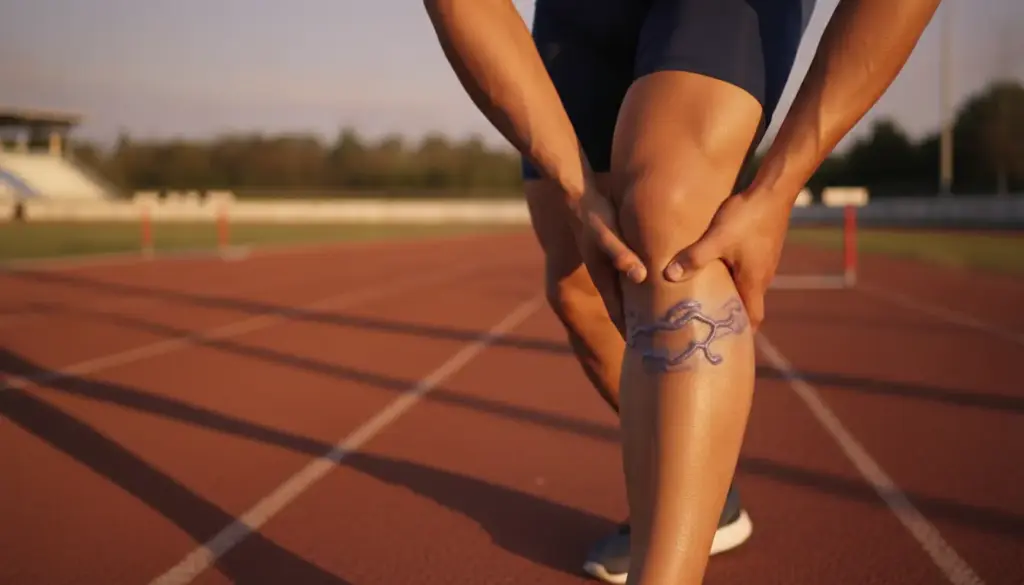
Varicose veins in athletes occur more often than most people realize, because high training volume and

Nothing derails training momentum like persistent muscle soreness and sluggish recovery. While you’re committed to putting

Studies of marathon training cohorts report injury rates between 50 and 90% across a single training

Cannabis is showing up in more athlete recovery conversations. Partly because hemp-derived products are now widely
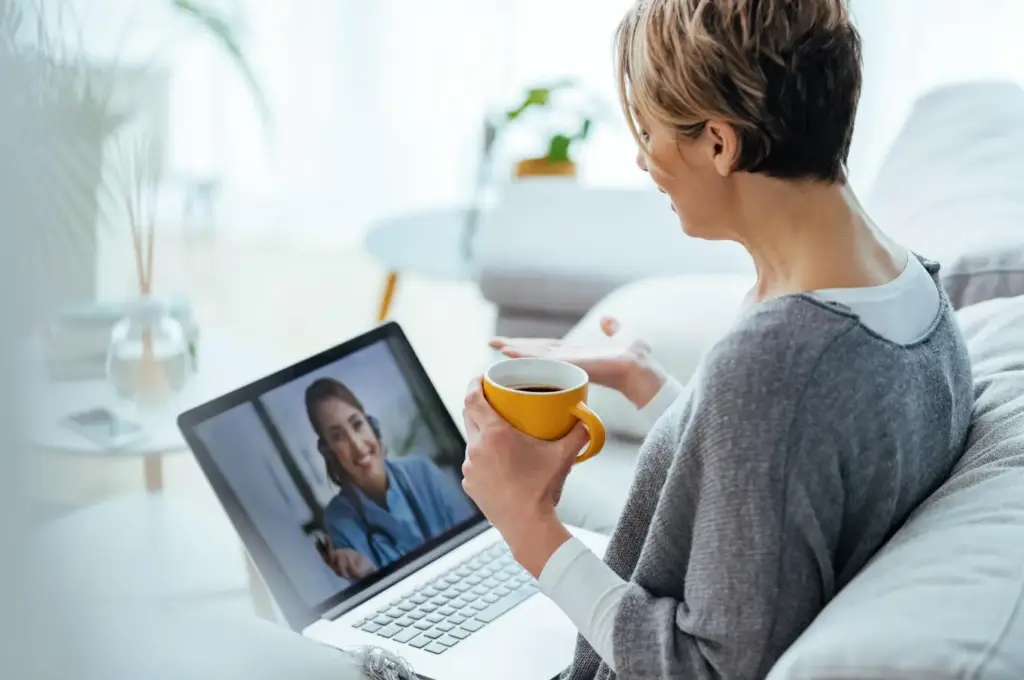
ADHD telehealth services make it easier for adults and families in California to access licensed clinicians

Ever felt like your training has hit a wall for no clear reason? You’re eating clean.

Improving athletic performance usually means fine-tuning any number of aspects of training, from preparation and nutrition

Introduction: The Missing Piece in Athletic Success When improving performance, athletes and fitness buffs dedicate time

Key Takeaways Community support is vital for successful recovery, providing emotional stability and practical resources. Peer-led