




Table of Contents
1. Let The Weekend Do The Work
2. Ride Vehicles That Build Your Core
3. Turn Playground Visits Into Workouts
4. Swap Passive Hobbies For Active Replacements
5. Protect Your Joints For Consistent Movement
Staying active without trying requires shifting your focus away from isolated physical routines and instead embedding moderate movement into enjoyable weekend hobbies, family outings, and outdoor recreational spaces. Most adults associate physical activity with obligation and sacrifice rather than leisure.
Currently, only about 1 in 5 U.S. adults meets the CDC’s recommended 150 minutes of moderate physical activity per week, yet many outdoor hobbyists easily exceed this threshold naturally.
Adopting a few accessible outdoor strategies allows you to accumulate substantial weekly movement. It turns out, Saturday is already doing more work than you think.
1. Let the Weekend Do the Work
You accumulate incidental physical activity as a natural byproduct of enjoyable tasks like hiking a dirt path, loading a kayak, or walking through a park. Completing two active weekend days containing 75 minutes of moderate outdoor engagement helps you join the 47.2% of adults who currently meet the federal aerobic guidelines before Monday morning arrives.
Families tend to stay longer at public parks that offer physical comfort and protection from the elements. Resting under WillyGoat’s UV-resistant shade structures between active play intervals keeps everyone cool, which directly extends the amount of time you spend moving outdoors.
Swapping just 90 minutes of weekend couch streaming for a casual trail walk burns approximately 300 to 400 additional calories while keeping your cardiovascular system engaged. Spontaneous weekend outings to a local nature reserve or a Saturday market easily push your daily step count past the 3,000 mark.
Key Insight: Two active weekend days, each yielding 75 minutes of moderate outdoor fun like walking a trail or exploring a market, can hit the full 150-minute CDC activity target by Sunday evening. |
2. Ride Vehicles That Build Your Core

Navigating off-road terrain demands constant physical adaptation. Picking up an approachable machine like NTX Power Sports’ reliable moped to explore neighborhoods and light trails forces your core stabilizers into continuous action.
Trail obstacles require rapid micro-adjustments from your legs, hips, and shoulders. Maintaining a posted riding position over rough ground closely mirrors the biomechanics of an athletic squat, engaging your quadriceps, hamstrings, and lower back muscles far more intensely than sitting.
Sports science monitoring indicates that active off-road riders maintain sustained heart rate elevations in the moderate-intensity zone. Riders often register between 50% and 70% of their maximum heart rate, matching the cardiovascular demand of brisk cycling.
Different vehicle types trigger distinct physical demands across your body, from the lateral balance required for a dirt bike to the grip strength needed for an ATV.
Options for getting started range from renting ATVs at local off-road parks to joining a guided trail group. Even a simple outing builds in functional movement as you spend time lifting gear and navigating unpaved routes together.
3. Turn Playground Visits Into Workouts
Adults who participate naturally accumulate dozens of squats while helping children onto tall equipment or pushing swings. Following kids between playground structures adds continuous walking intervals across uneven wood chips and rubber mats.
Walking along low timber borders challenges lateral balance, and assisting children on climbing walls requires light lifting resistance that engages your arms and shoulders.
Behavioral research regarding park design demonstrates that families with access to well-equipped outdoor spaces spend significantly more time outside per week. Because physical activity decreases with age, this extended dwell time provides a valuable opportunity to boost incidental movement totals for both children and their parents.
These extended sessions typically occur in community hubs like neighborhood parks, public school grounds, and church recreation areas.
Public spaces that keep families outside longest feature varied equipment that challenges multiple age groups, accessible rubberized surfaces, and overhead weather protection. When children lead the activity and adults follow along, spending 90 minutes at a well-designed play space moves adult bodies just as effectively as a traditional gym session.
4. Swap Passive Hobbies for Active Replacements
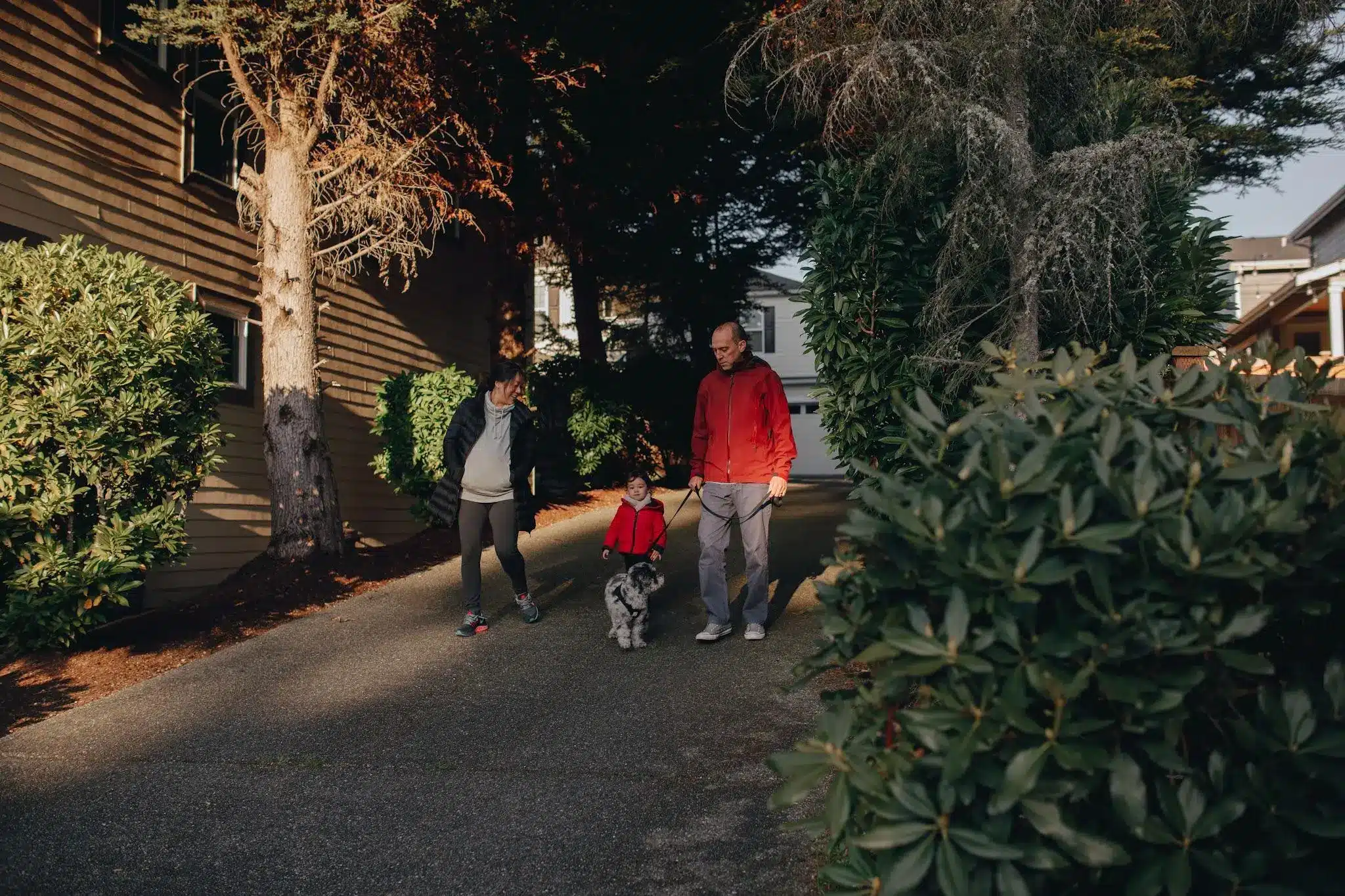
Swapping 30 minutes of couch-based social media scrolling for a neighborhood walk while listening to a podcast adds roughly 2,500 steps to your daily total. Trading indoor bar games for an afternoon at a local archery range or a municipal disc golf course logs consistent physical engagement across a two-hour session without requiring any previous athletic background.
Shifting from browsing home decor online to executing a landscaping or garden project creates another opportunity for movement. Activities like digging soil trenches for irrigation, hauling heavy mulch bags across the yard, and planting mature shrubs qualify as moderate physical exertion according to standard metabolic evaluations.
Pushing a loaded wheelbarrow or maneuvering flagstones builds functional core strength. These active outdoor hobbies lower circulating cortisol levels and elevate mood markers more reliably than passive indoor screen time.
5. Protect Your Joints for Consistent Movement
Preparing for off-road trail riding requires three non-negotiable protective items: a certified helmet, reinforced gloves, and structured, closed-toe footwear. This mandatory gear makes aggressive trail riding physically sustainable month after month.
Preparing for community playground activities means wearing supportive footwear with adequate rubber grip to prevent slips on wet wood mulch or morning dew on synthetic turf. Bringing a dedicated water bottle and drinking water during the activity rather than just afterward helps your muscles recover faster while preventing fatigue.
Spending five minutes on dynamic stretching before chasing children prevents sudden muscle strains. Taking a two-minute mental preview to scan a park layout, a hiking trail surface, or a planned walking route substantially reduces the risk of reactive ankle injuries.
Important: Before your next off-road ride, never skip these three protective essentials: a certified helmet, reinforced gloves, and sturdy closed-toe footwear. They’re not optional; they’re what keep you on the trail season after season. |
The Path Forward
Finding an approachable ride like a moped for a Saturday trail loop introduces an exciting way to navigate your local terrain. Locating a shaded, well-equipped outdoor space ensures your family moves more while simply playing together.
Replacing an evening of scrolling with a brisk walk turns a sedentary habit into a functional benefit. Pick one strategy from this list, identify a location or piece of equipment, and put it on your calendar for this weekend.