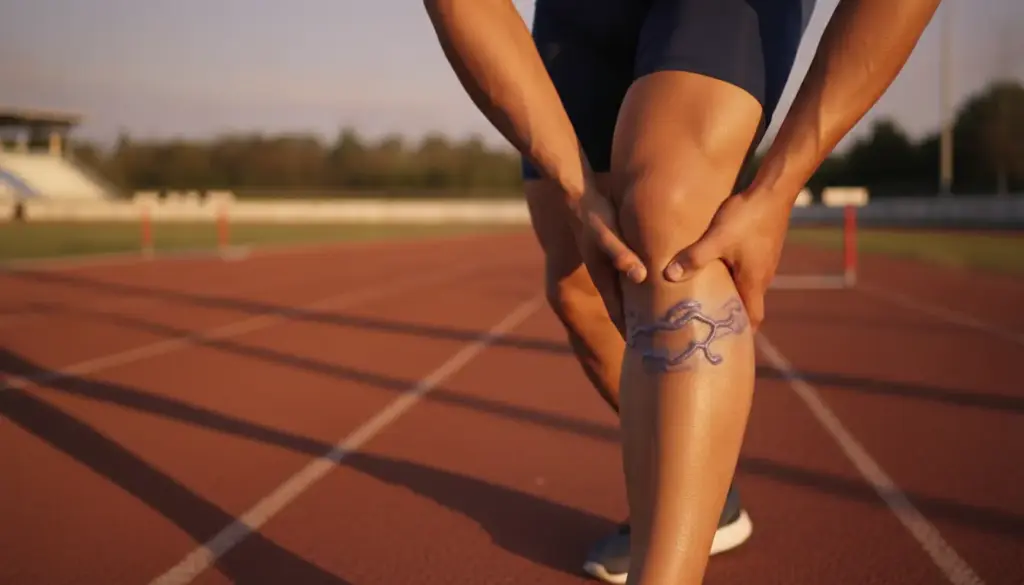


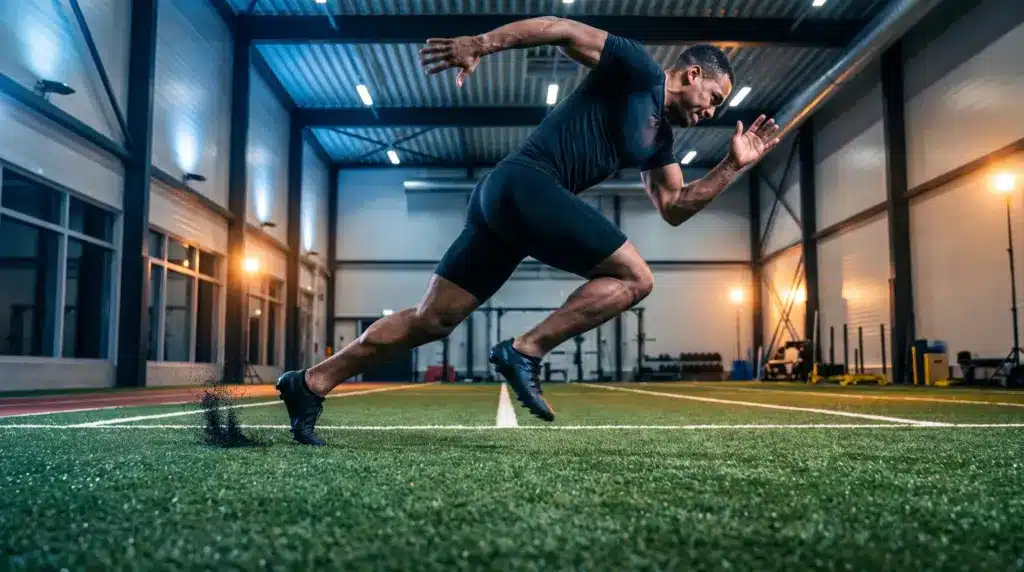
Varicose veins in athletes occur more often than most people realize, because high training volume and time on your feet put stress on the circulatory system. When ropy veins appear or legs feel heavy during workouts, it’s important to understand the cause and what you can do about it.
Understanding Vein Health and Its Impact on Athletes
Your veins have one-way valves that push blood back to your heart. When these weaken, blood pools in the lower legs instead of flowing upward efficiently. This is known as chronic venous insufficiency, and often the first sign is swollen and distended or bulging veins.
Athletes face a particular challenge here. A 2023 study found that people who did more than eight hours of vigorous activity per week were over three times more likely to develop visible varicose veins than less active individuals. The interesting twist is that these larger veins don’t always cause discomfort. They may simply be “athletic veins” that develop in response to high blood flow demands during intense training.
This distinction matters because not every visible vein needs treatment. If your veins are large but you feel fine and perform well, they might be the body’s adaptation to your activity level. Problems arise when valves do not efficiently channel blood back to the heart, leading to pain, swelling or that heavy feeling that slows you down.
Proactive Strategies for Prevention and Management
If you’re dealing with mild symptoms, several strategies can help. Breaking up long periods of sitting or standing gives your circulatory system a chance to reset. When you can, elevate your legs about heart level to help blood flow back more easily. Staying active and engaging the muscles in your calves also acts like a natural pump to support venous return.
Compression gear has become popular in athletic circles for good reason. These stockings or socks apply gentle pressure that helps veins move blood upward efficiently. Beyond symptom relief, research reveals that these products support performance and recovery. A review of 21 studies found that athletes using these garments reported less perceived muscle soreness in the hours and days following activity. This approach may reduce swelling and improve training comfort.
Knowing When to Seek Professional Vein Treatment
Proactive measures work for mild cases, but some symptoms signal it’s time to consult a specialist. Watch for these signs:
- Persistent pain or aching: Doesn’t improve with rest or elevation and interferes with training
- Swelling that impacts performance: Makes your legs feel tight, heavy or fatigued
- Skin changes around the veins: Discoloration, thickening or warmth
- Cramping or restless legs: Disrupts sleep and recovery
If you notice these symptoms, get an evaluation. Venous insufficiency can progress if left untreated.
What Vein Treatments Are Available?
Minimally invasive procedures have replaced older surgical techniques like vein stripping. These modern options are carried out in an office with minimal downtime.
- Radiofrequency ablation: This procedure uses heat energy to seal the damaged vein. The body reroutes blood through healthier veins. Most athletes return to light activity within days.
- Endovenous laser treatment: It delivers laser energy inside the vein to close it. The procedure is very quick, and you can usually walk immediately afterward.
- Sclerotherapy: This involves injecting a solution into smaller veins, causing them to collapse and fade. It’s used for cosmetic concerns or smaller problem veins.
All three approaches allow a faster return to training than traditional surgery.
Top Vein Treatment Centers Around the U.S.
Companies on this list exhibit board-certified specialists, advanced minimally invasive techniques and strong patient satisfaction, making them solid choices for athletes seeking venous treatments.
1. Premier Health Group in New Jersey
Premier Health Group provides vein treatment procedures throughout New Jersey, specializing in minimally invasive varicose vein removal and sclerotherapy. The practice operates an outpatient surgical center in Clifton serving the NJ and NY metro area. It’s a physician-owned facility that takes a holistic, multidisciplinary approach to patient care, using advanced diagnostics and integrative treatments to create individualized plans.
Athletes seeking thorough assessments will find the focus stays on understanding both cosmetic concerns and underlying circulatory issues.
Where Can I Schedule a Vein Procedure in NJ?
Operating across the NJ metro area, Premier Health Group delivers comprehensive vein care with staff who will discuss your symptoms, activity level and goals to determine whether a procedure is appropriate.
What Should I Expect During the Procedure?
Premier Health Group uses minimally invasive techniques like sclerotherapy and radiofrequency ablation for vein treatment. Procedures are performed on an outpatient basis under local anesthesia with little discomfort.
How Long Is Recovery?
You can expect a short recovery period. Premier Health Group’s experienced vascular specialists perform advanced vein procedures at facilities throughout New Jersey with treatment plans that account for your activity level and performance goals.
2. Austin Vein Specialists in Texas
Austin Vein Specialists serves Austin, Round Rock and Central Texas. Dr. Gotvald brings over 25 years of experience and has performed thousands of vein procedures. The center uses ultrasound testing to identify underlying circulatory disorders that cause varicose veins, addressing both surface problems and root causes. Most procedures take 30 minutes with no incisions, and patients don’t need time off work.
Where Can I Schedule a Vein Procedure in TX?
Reach out via its website or phone to book a consultation at its Austin or Round Rock locations. Staff can help navigate insurance coverage and financing.
What Should I Expect During the Procedure?
The center uses image-guided, minimally invasive techniques, including radiofrequency ClosureFast, ultrasound-guided sclerotherapy, VenaSeal, Varithena and other advanced options. No incisions are required.
How Long Is Recovery?
You’ll experience minimal recovery time. Most patients walk immediately and resume work the same day. Athletes typically return to full activity within days.
3. Inovia Vein in Washington
Inovia Vein Specialty Centers has locations in Southwest Washington and throughout the Portland, Oregon, metro area, including NW Portland, Tanasbourne and Happy Valley. The practice is staffed by board-certified vein specialists who emphasize patient-centered care. Inovia treats varicose veins, deep vein thrombosis, leg pain and swelling, and it also offers compression therapy. For athletes dealing with leg discomfort or recovering from DVT, the center treats the whole person.
Where Can I Schedule a Vein Procedure in WA?
Appointments can be made online or by calling Inovia Vein Specialty Centers. The practice serves Southwest Washington and is experienced in coordinating care for active individuals.
What Should I Expect During the Procedure?
Inovia offers treatments like endovenous laser ablation and VenaSeal, which are quick, office-based procedures designed for comfort. Specialists use ultrasound guidance for precision.
How Long Is Recovery?
Patients walk immediately after treatment. Most people return to their full athletic routine within one to two weeks.
4. California Vein Specialists in California
California Vein Specialists focuses on delivering fast, pain-free vein treatments with little disruption. The practice offers sclerotherapy for spider veins and EVLT for varicose veins, all with a nonsurgical approach. Dr. Leary provides detailed explanations of causes, symptoms and treatment options. Athletes appreciate the zero-downtime model, which allows them to continue exercising immediately while wearing compression stockings.
Where Can I Schedule a Vein Procedure in CA?
Call or visit the website to schedule a consultation at its Orange County office. Specialists will review your symptoms and recommend the best treatment.
What Should I Expect During the Procedure?
California Vein Specialists uses sclerotherapy and EVLT, both nonsurgical and performed in the office. Treatments are pain-free with local anesthesia.
How Long Is Recovery?
There’s no required downtime. You can exercise immediately, though you’ll need compression stockings. Most athletes notice improvement quickly and maintain their training schedules.
Frequently Asked Questions
Active individuals often have similar concerns about managing varicose veins.
Can I Keep Training if I Have Varicose Veins?
Many athletes train successfully with visible veins. The key is monitoring symptoms. If you’re not experiencing pain, swelling or performance decline, continue your routine. Compression gear may help with comfort.
Will Treatment Keep Me Out of Competition?
Modern minimally invasive procedures have short recovery periods. Most athletes return to light training within days and resume full activity within one to two weeks. Planning treatment during the off-season minimizes disruption.
Do Varicose Veins Always Get Worse Over Time?
Not necessarily. Some people’s veins remain stable for years with lifestyle modifications like compression and elevation. However, venous insufficiency can progress, so early intervention often leads to better outcomes.
Regain Your Peak Performance and Confidence
Varicose veins are more common among athletes than most realize. Effective treatments exist, recovery is fast, and you don’t have to accept discomfort or declining performance. Whether you manage symptoms with compression or opt for a minimally invasive procedure, taking action helps you get back to what you love.