
Outdoor Sports
The outside hitter position in volleyball is one of the most important roles on the court because it combines scoring, passing, defense, and leadership. Unlike players who specialize in only one area, outside hitters contribute throughout every rally and often become the team’s most dependable option during difficult plays. Many players also wonder how this role compares with the opposite hitter and whether one position is better suited to their skills. Whether learning the position for the first time or comparing it with the opposite hitter, understanding the outside hitter requires a closer look at its responsibilities. It is also important to analyze the tactical role, essential skills, and the common mistakes players should avoid. What Is an Outside Hitter in Volleyball? An outside hitter is a player who attacks primarily from the left side of the front row while contributing in almost every other aspect of the game. Also called the left-side hitter, this position combines offense and defense more than any other attacking role. Outside hitters score points through attacks, receive serves, block opponents, defend in the back row, and help organize play during long rallies. The position gets its name from attacking near the outside, or left edge, of the net. This location creates a wider approach angle, giving hitters more options to attack around or over blockers. Their ability to contribute in both front-row and back-row play makes them one of the most versatile players in volleyball. Court Position and Rotation Responsibilities An outside hitter’s responsibilities change depending on where they rotate during a match. Understanding these rotations helps explain why the position demands so many different skills. 1. Front-Row Responsibilities When rotating to the front row, outside hitters become one of the team’s primary attacking options. They approach from the left side to score points […]

That tree blocking your path to the green is not the problem; hesitation is. The right shot choice can save strokes before your swing even begins. Golf rewards players who understand the situation, not just those with perfect technique. Learning the types of golf shots helps you handle obstacles, control distance, and build confidence on every hole. In this guide, you’ll learn about essential shots, when to use them, and how they can improve your game. Keep reading to discover the shots that belong in your bag and learn how to choose the right one every time. How Learning Different Golf Shots Improves Your Game? Golf shots are the different ways a player strikes the ball to move it around the course, and each one serves a distinct purpose. Some shots are built for raw distance, others for precision near the green, and others still for shaping the ball’s flight or escaping a tough lie. What shot you choose depends on where your ball sits, how far you need to travel, what obstacles stand in your way, and even the weather that day. Mastering a range of shots, rather than relying on just one or two, gives you the flexibility to handle whatever a hole throws at you. It is often the biggest factor separating a golfer who scores well from one who struggles to break through a plateau. Different Types of Golf Shots Explore essential golf shots, their techniques, and when to use them for better control, accuracy, and smarter decisions on the course. 1. Drive A drive is the opening tee shot on most holes and is played with a driver to achieve maximum distance. The goal is to place the ball in a favorable position, usually the fairway, for an easier next shot. Distance helps, but control […]

Choosing the right youth soccer league can shape a player’s development, competition level, and future opportunities. If you’re comparing ECNL vs MLS Next or NPL vs ECNL, it can be difficult to know which league best fits your goals. Each offers different standards for coaching, competition, player pathways, and college exposure. The right choice depends on factors such as your skill level, long-term ambitions, and local club options. This blog compares ECNL, MLS NEXT, and NPL side by side, helping players and parents understand the key differences and make a more informed decision. By the end of this blog, you’ll have a clear understanding of which league best matches your player’s goals, budget, and long-term development path. What Is ECNL? The Elite Clubs National League (ECNL) is one of the top youth soccer leagues in the United States for both girls and boys. Founded in 2009 for girls and expanded to boys in 2017, ECNL is a club-led league that serves players from U13 to U19. Teams compete in regional conferences, national events, and showcase tournaments that attract college coaches from across the country. Many ECNL clubs also allow players to participate in high school soccer, making the league a popular choice for athletes pursuing college recruitment while maintaining a balanced competitive schedule. What Is MLS NEXT? MLS NEXT is the highest level of boys’ youth soccer in North America and is operated by Major League Soccer. It features MLS academies and selected non-MLS clubs for players aged 13 to 19. The league emphasizes elite coaching, year-round development, and high-level competition, with a strong pathway toward MLS NEXT Pro and Major League Soccer. College recruiters also regularly scout MLS NEXT events. Some clubs, however, limit or discourage high school soccer participation to keep players focused on academy training and long-term development. Things […]

Football games move quickly, and a single hand signal can explain an important decision in seconds. Learning football hand signals makes it much easier to follow the game, whether you’re watching from the stands, coaching a youth team, or preparing to become an official. Referees use standard signals for penalties, scoring, timeouts, clock changes, and other rulings without lengthy stoppages In this guide, I’ll explain the most common football hand signals, what each one means, and when officials use them during a game. Keep reading to recognize every signal with more confidence the next time you watch football. What Are Football Hand Signals? Football hand signals are standardized gestures that referees use to communicate rulings during a game. Instead of relying only on verbal announcements, officials use specific arm and hand movements to indicate penalties, scoring plays, clock status, possession, first downs, and other decisions. Each signal has one official meaning, helping players, coaches, broadcasters, and fans understand the call right away. Most high school, college, and NFL officials use very similar signals, although some mechanics may differ slightly between rulebooks. Once you learn the most common gestures, it becomes much easier to follow the action and understand why a play has stopped or why a particular ruling was made. Why Do Football Hand Signals Matter? Football officials must make fast decisions while thousands of fans, players, and coaches watch the game. Knowing these signals helps you: Follow the game better: You can quickly understand penalties, scores, and clock decisions without waiting for commentary. Learn the rules faster: Seeing signals alongside game action makes football rules easier to remember. Coach with confidence: Coaches and players recognize official calls immediately and respond faster. Support young athletes: Parents watching youth football can better understand what officials are calling. Prepare for officiating: New […]


Spending time outdoors has become one of the best ways for families to reconnect and create

Mountain biking has grown fast across the U.S., and I’ve seen more riders hitting trails every

I used to think running was only about speed and distance, but I quickly learned that

I learned the hard way that the wrong socks can ruin a good hike. On a

The first time I laced up my boots and hit a trail, I had no idea

I still remember how unsure I felt when I first tried to ride a bike. It

I know picking hiking gear can feel confusing, especially with so many options in 2026. If
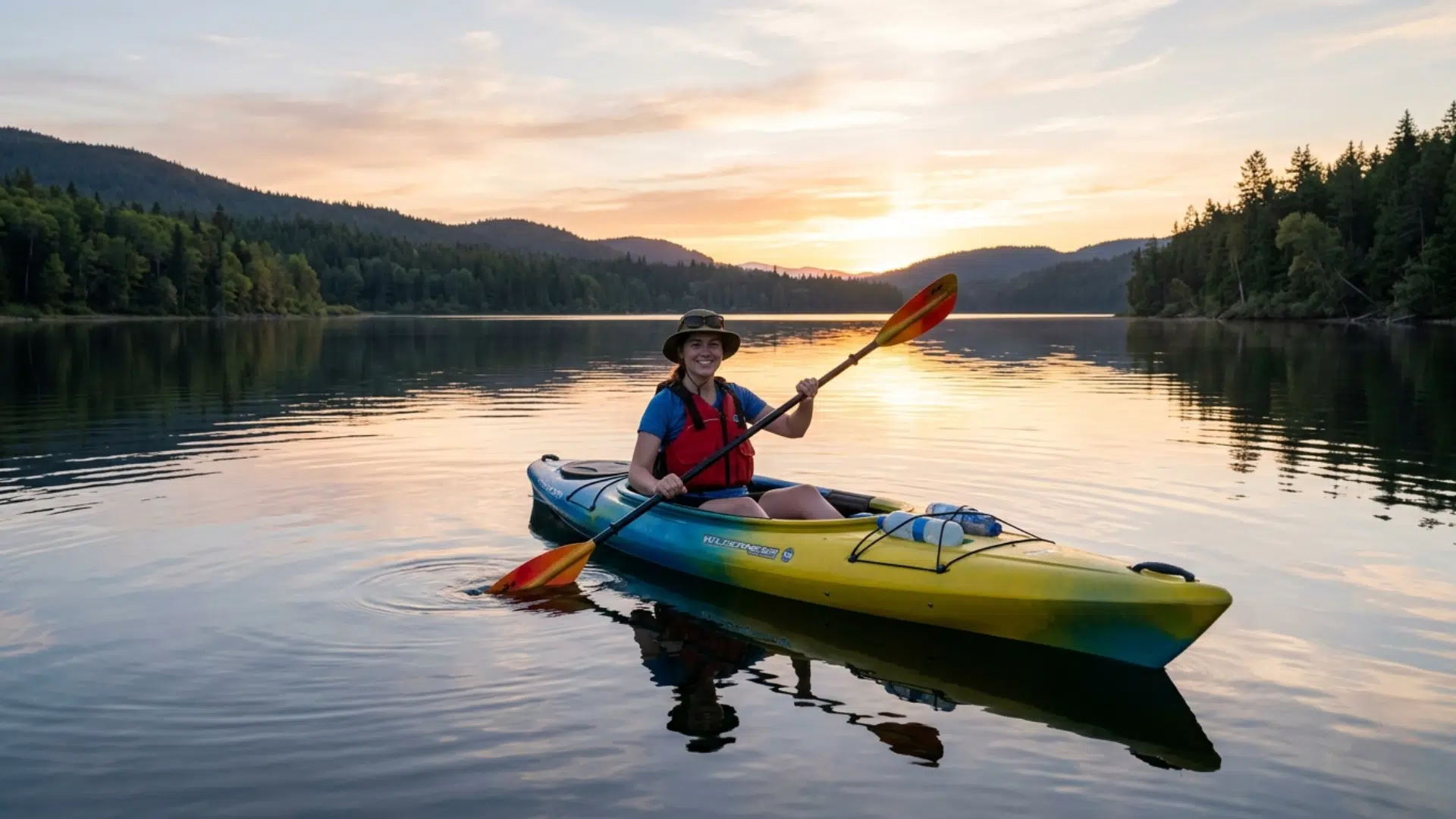
I still remember the first time I tried kayaking; it looked easy until I got on
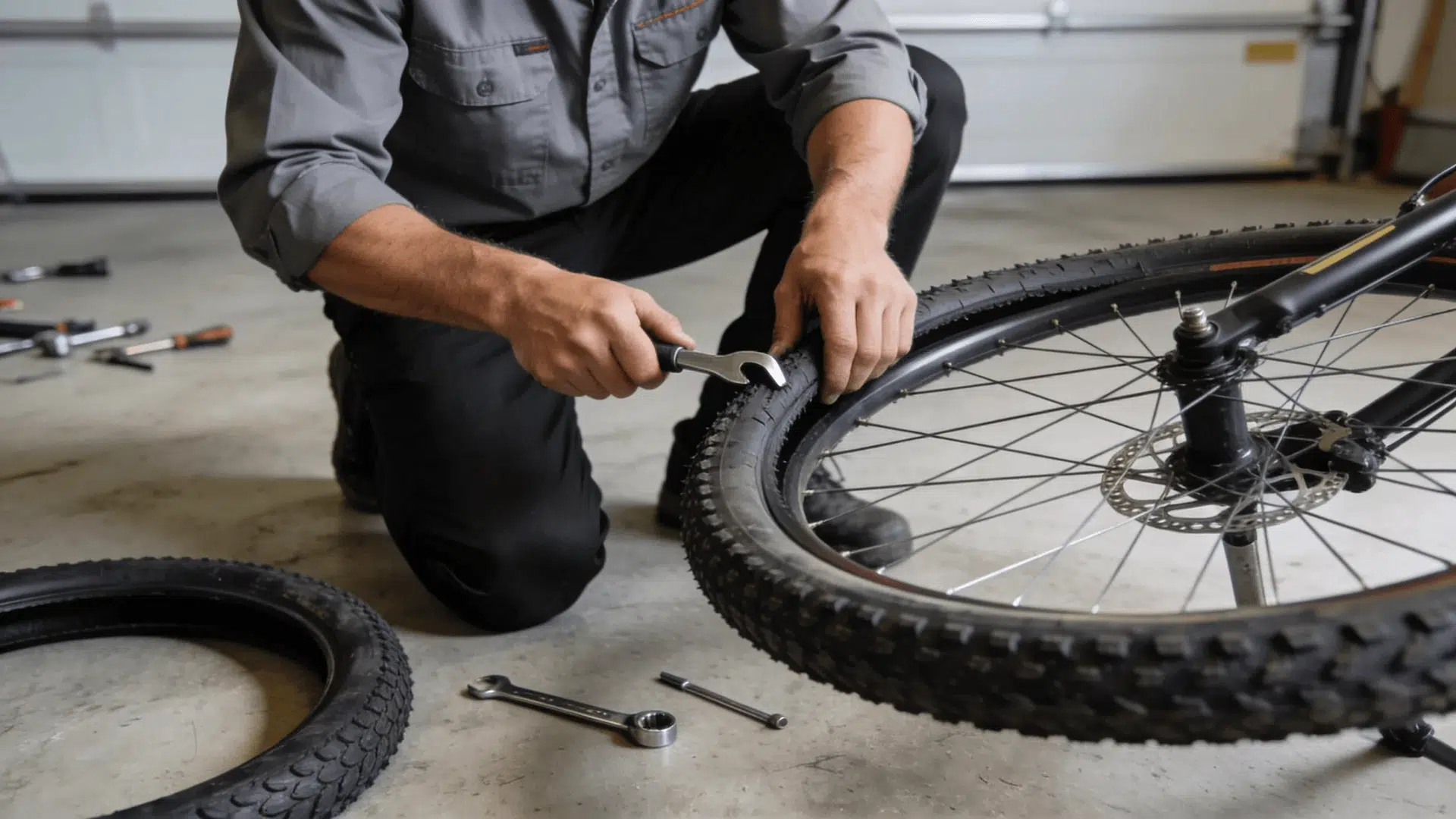
I’ve been fixing my bike tires for years, and I know how annoying a flat can
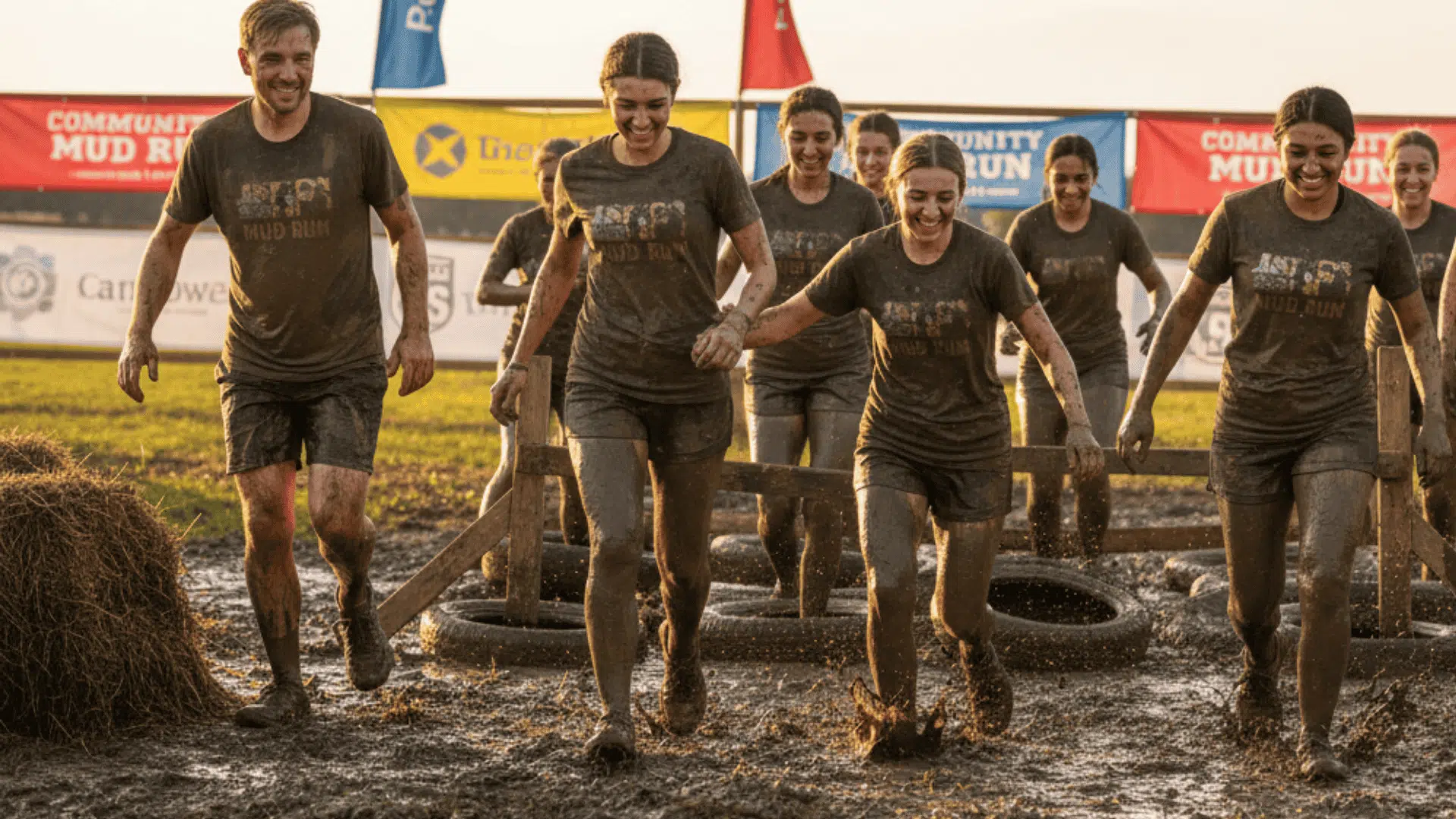
I’ve always thought workouts should feel fun, not boring, and that’s exactly why mud runs caught

I know how confusing it can feel when you’re running regularly but not getting faster. As