
Outdoor Sports
Have you ever wondered why a receiver suddenly cuts left instead of running straight downfield? That’s a football route in action. Football may look fast and unpredictable, but every successful passing play starts with a carefully planned route. The exact path a receiver runs can determine whether a play ends in a highlight catch or an incomplete pass. Learning football routes helps you understand how offenses create separation, confuse defenders, and move the ball down the field. If you’re new to the game, coaching young players, or improving your own skills, this blog post explains football routes that every player should know. Understanding Football Routes A route is the specific path a receiver, tight end, or running back runs after the snap to get open for a pass. Players follow precise patterns that include cutting, stopping, or changing direction at planned points, designed to create separation from defenders. Each Route has a set depth and break point, helping the quarterback deliver the ball on time. Unlike a play, which involves the entire team, a route is a single player’s responsibility. If you’re new to the game, learning these basic football facts can make route concepts easier to understand. The Complete List of Football Routes Below are the routes every player and fan should know, from the most basic to the more advanced. 1. Flat Route The flat Route is a short passing route where the receiver, tight end, or running back quickly breaks toward the sideline a few yards beyond the line of scrimmage. Because it develops so quickly, it gives the quarterback a reliable option when facing heavy pass pressure or a blitz. It’s also effective against zone defenses because it targets the open space beneath deeper defenders. While the throw is short, a well-timed flat route can turn […]

One well-organized formation can make a huge difference in how a team plays on the field. It influences how a team attacks, defends, uses space, and supports teammates throughout a match. As players move from 7v7 soccer formations to 9v9, they take on more tactical responsibilities, making positioning and teamwork more important than ever. Choosing the right setup is not about finding a single perfect formation. It is about selecting one that matches your players’ strengths, skill level, and style of play. Understanding the benefits and limitations of different formations helps coaches and players make better decisions during both training sessions and competitive matches. Why Is 9v9 Soccer Formation Important? A good formation gives every player a clear role while helping the team stay balanced in both attack and defense. In 9v9 soccer, the larger field and extra players create more tactical possibilities than smaller-sided games. Coaches can build through the midfield, use wide areas more effectively, and organize defensive transitions with greater structure. Instead of teaching players to memorize positions, coaches should help them understand spacing, movement, and teamwork. This approach improves decision-making and prepares young players for 11v11 soccer as they continue to develop. Quick Comparison of the Best 9v9 Soccer Formations Each Formation offers a different balance between attack, defense, and midfield control. The table below provides a quick overview to help you compare the most popular 9v9 soccer formations before looking at each one in detail. Formation Best for Difficulty 2-3-3 Balanced attacking play Easy 3-2-3 Defensive stability Easy 3-1-3-1 Midfield control Hard 2-4-2 Wide attacking play Medium 3-4-1 Midfield dominance Medium 4-3-1 Defensive organization Medium 4-2-2 Counterattacking Medium Different Types of 9v9 Soccer Formations No single formation works for every team. Comparing different tactical setups makes it easier to find one that suits your players […]

One formation can completely change how a team attacks, defends, and reacts during a game. Learning formations explains why some teams move the ball easily while others struggle to gain yards. Every formation serves a specific role, from opening running lanes and protecting the quarterback to limiting passing opportunities and controlling the line of scrimmage. Understanding how each formation works also makes it easier to follow games and make smarter decisions on the field. This blog explains the most common football formations, how offensive and defensive alignments work, and the situations in which teams use them throughout a game. What Are Football Formations? A football formation is the way players line up on the field before the ball is snapped. It gives every player a starting position and helps the team carry out a specific strategy on offense or defense. Every play begins with a formation, making it one of the most important parts of football. A formation tells players where to line up before the action starts and creates the foundation for the play that follows. Coaches choose formations based on the game situation, the strengths of their players, and the opponent’s strategy. Some formations are designed to create more passing opportunities, while others help teams run the ball or strengthen their defense. Although players can move after the snap, their starting positions shape how the play develops and how each team seeks an advantage. Understanding Football Personnel Groupings Personnel groupings help explain which players are on the field and why certain formations are used. Learning these number combinations makes it easier to understand play calling and team strategy. 11 Personnel: Uses 1 running back, 1 tight end, and 3 wide receivers. It is one of the most common groupings because it supports both passing and running plays. 12 […]

Ever planned to watch or play a volleyball game and wondered how much time to set aside? Unlike sports with a running game clock, volleyball matches don’t have a fixed duration. Some end in under an hour, while others last well over two hours. The total match time depends on the format, scoring rules, competition level, and the evenness of the teams’ match-ups. Even two games played under the same rules can finish at different times. In this guide, I’ll explain how long volleyball games usually last, compare match times across different levels and formats, and discuss the factors that affect overall game length. Quick Answer: How Long Are Volleyball Games? Most volleyball games last 60 to 90 minutes, while best-of-five matches usually take 90 to 150 minutes or longer. The exact length depends on the match format, level of play, the number of sets played, and how closely the teams are matched. Unlike many sports, volleyball does not have a running game clock, so matches end only when a team wins the required number of sets. A recreational or high school match may finish in about an hour, while college, professional, and Olympic matches often last much longer. Beach volleyball also follows a different format that usually results in shorter matches. Why Do Some Volleyball Games End Quickly? Some volleyball games end quickly because one team wins sets comfortably, keeping rallies short and avoiding extended, closely contested play. Not every volleyball match reaches the average duration. When one team consistently controls the game through strong serving, accurate attacking, and solid defense, sets can finish without many momentum swings. Fewer deuce situations and shorter rallies also help reduce the overall match time. In some youth and local tournaments, organizers may use modified match formats to keep events on schedule, which […]


Many golfers hear the term best ball but are unsure how the format actually works. If

Basketball games feature many statistics, but few receive as much attention as the double-double and triple-double.

A single kick can change the result of a football game in just a few seconds.

A proper warm-up does much more than prepare players to start running. Soccer warm-up drills help

A ticket to a major game can feel like the centre of an entire trip. In

A defensive back can play perfect coverage for several seconds, reach the receiver at the right
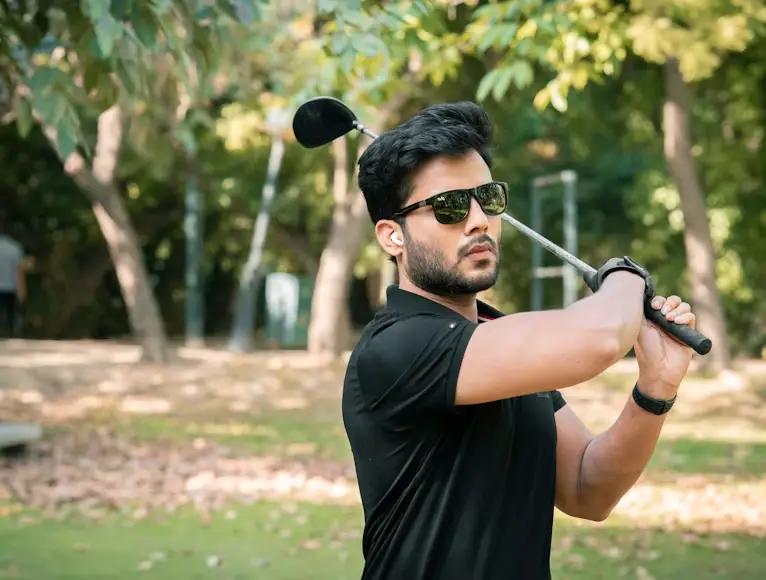
Finding the right sunglasses to wear while playing golf can be challenging. You need a pair

City commuting has changed a lot in the last few years. More riders are using e-bikes
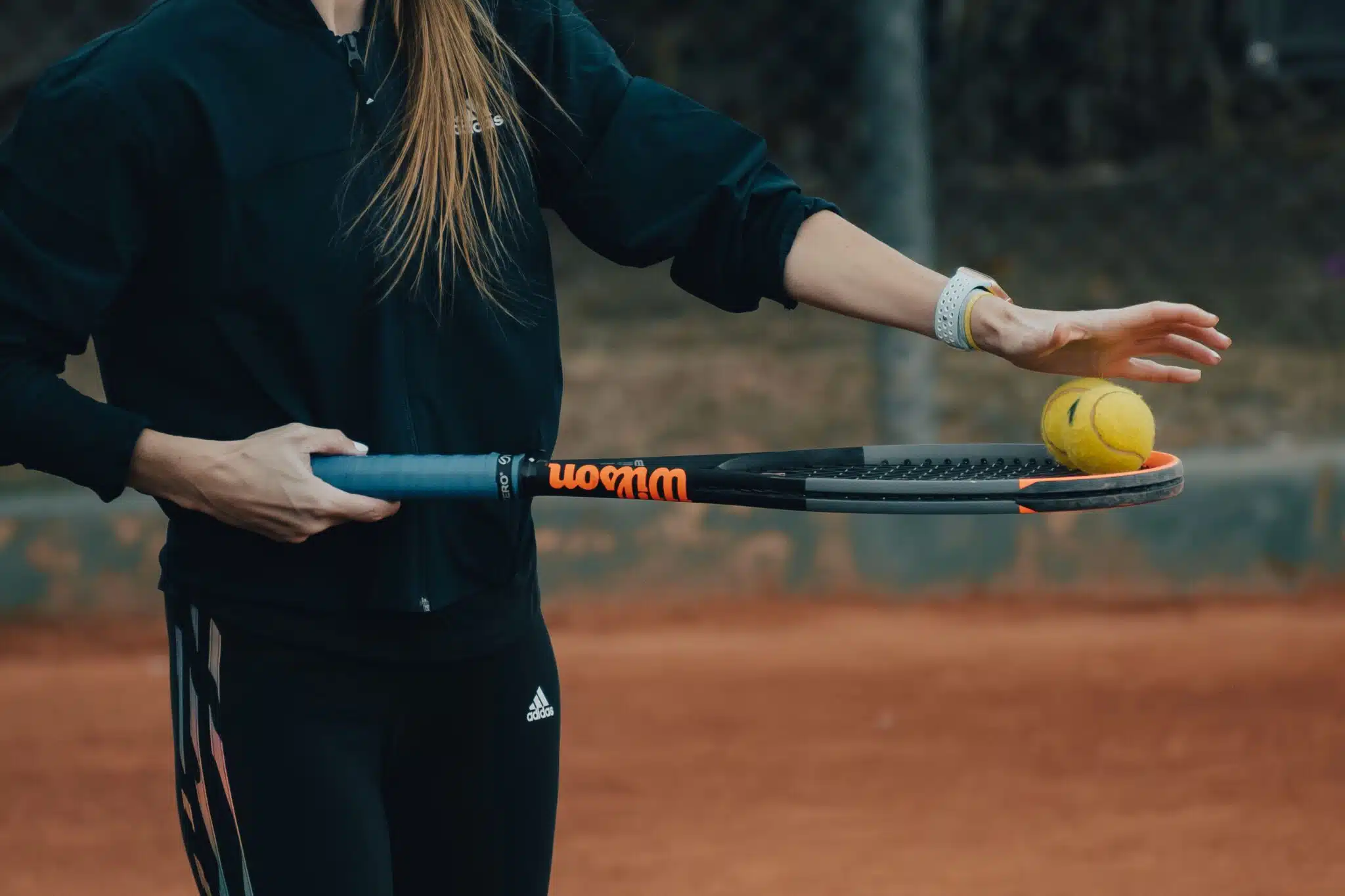
If you ask recreational tennis players what they need to improve, most will mention their serve,
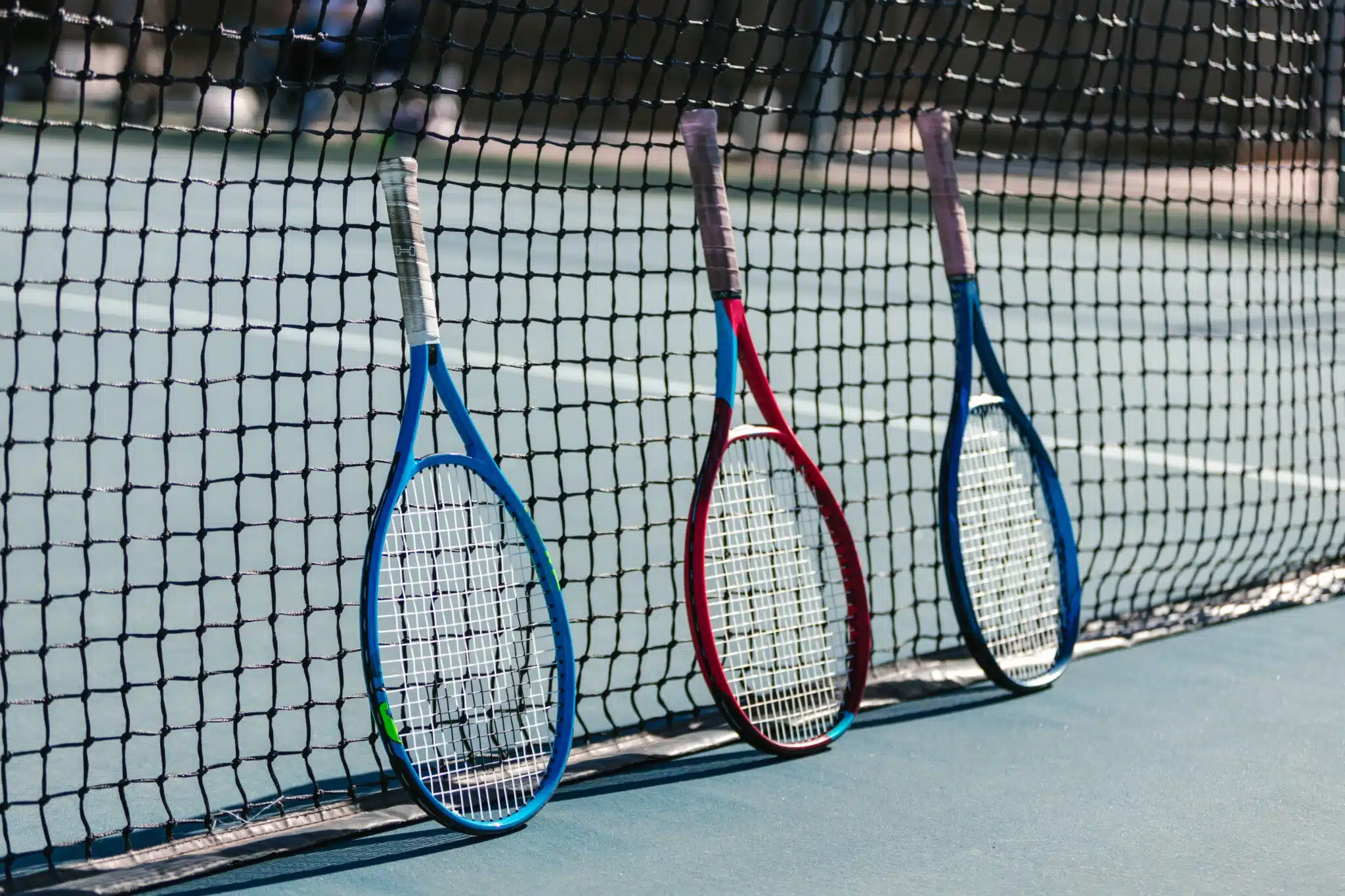
Even strings talk back through vibration after each strike. Comfort shows up when the grip doesn’t

Thinking about heading into the backcountry for the first time? This is great. However, here’s the
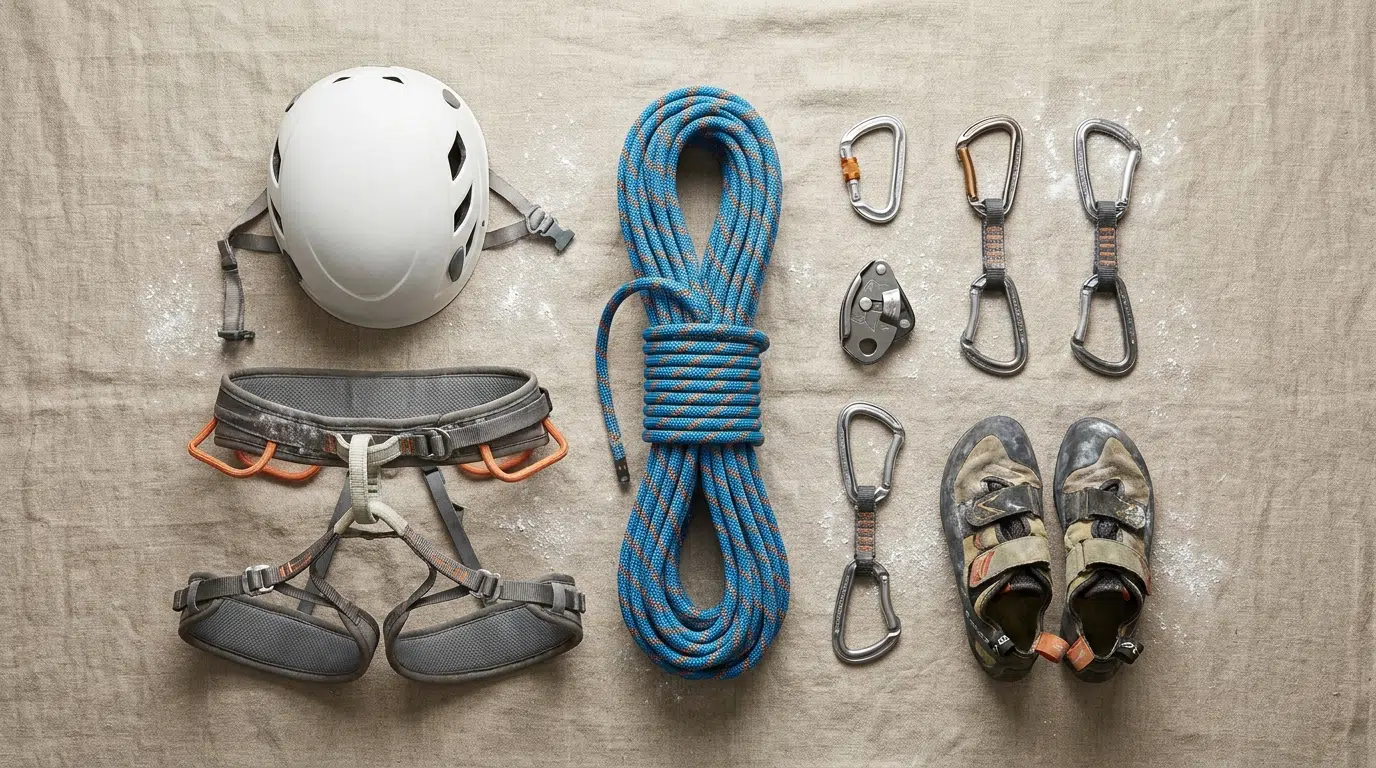
Most beginners spend way too much on gear they don’t need, or skip the basics they