
Athlete
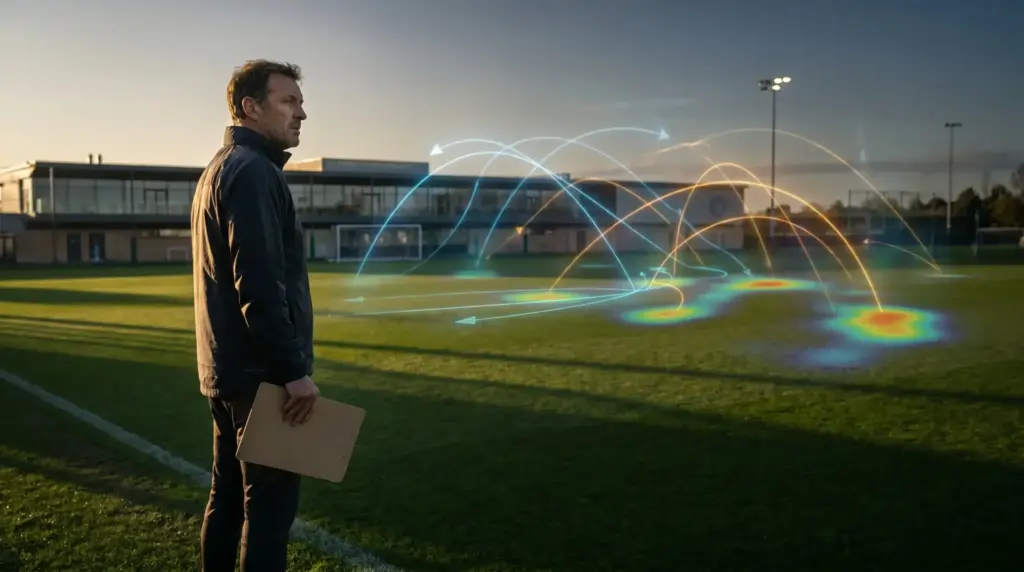
Soccer has always been a game of instincts, rhythm, and emotion. A well-timed run, a clever pass, or a sudden change of pace can decide a match in seconds. For decades, coaches trusted their eyes, players trusted their feel, and clubs relied heavily on experience when making important decisions. That has not disappeared. It never will. But the modern game now has another layer: data. Clubs, analysts, coaches, scouts, and even fans use numbers to understand what happens on the pitch with greater detail. Data analytics has changed how teams prepare, how players are judged, how tactics are shaped, and how decisions are made across the sport. This shift is not about replacing human judgment. It is about improving it. Why Data Has Become So Important in Soccer Soccer is a fluid sport. Unlike baseball or American football, it does not stop often. Many things happen away from the ball, and some of the most important actions are easy to miss in real time. A midfielder may create space without touching the ball. A defender may prevent danger by positioning himself correctly. A forward may press in a way that forces a poor pass. These moments matter, but they are not always visible in traditional statistics like goals, assists, or shots. That is where analytics helps. Modern data can measure pressing, passing patterns, expected goals, defensive positioning, chance quality, player workload, and much more. It gives clubs a fuller picture of performance. A player who looks quiet on television may be doing important tactical work. A team that loses a match may have created better chances and simply failed to finish them. The numbers help explain the story beneath the scoreline. Moving Beyond Basic Statistics For a long time, soccer analysis focused on simple figures. Goals. Assists. Saves. Yellow cards. […]
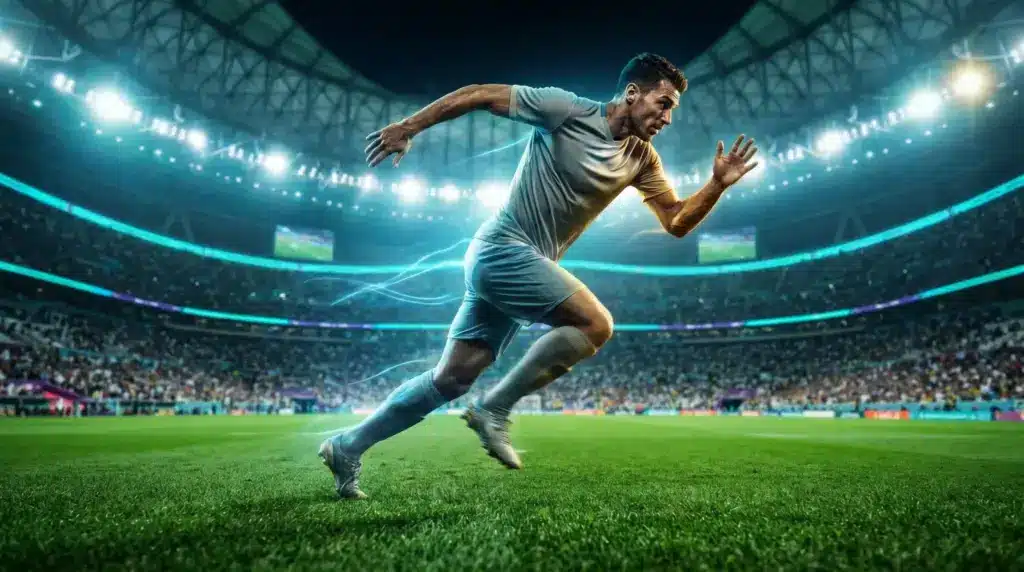
World Cup 2026’s Fastest Soccer Players Bring More Than Just Raw Pace. Speed Matters More Than Ever Speed has always appeared attractive on a highlight tape. However, with World Cup 2026, speed might be even more important than usual because the competition will take place in enormous stadiums, during the summer when it is hot, and in knockout matches where a single misplaced pass can cause chaos in any defense. The fastest soccer players in the world are not only the wingers running after a long ball anymore. This is precisely the reason that the fastest soccer players in the world cannot be judged based purely on speed. A soccer player must run fast, come to a halt, change directions, shield the ball, and make wise decisions in the process. Some of the fastest soccerers have not only speed but also technical skills, which is precisely what sets them apart from others who may simply be fast runners. The World Cup 2026 Sprint Kings to Watch Mbappé is the obvious starting point. EA Sports FC 26 lists him as the fastest player in the game with a 97 pace rating, which matches what viewers see on the pitch. He does not need much space. A defender can be level with him at the halfway line, then suddenly look beaten by the next touch. France uses that threat even when Mbappé does not receive the ball, because opponents drop deeper to avoid the race. Karim Adeyemi is another name built for open grass. His acceleration is vicious over the first few steps, which makes him dangerous in broken play. Germany can use him wide, central, or as a late-game runner against tired legs. He is not just quick once he is moving. The first burst is the part defenders hate. The speed […]
When I watch football, I’m struck by the different ways players use strength on the field. This guide looks at the strongest NFL players, from all-time greats to current stars, known for documented strength feats or physical play during their careers. Quick Answer: Who Holds the Title of Strongest NFL Player? Larry Allen is a strong candidate for the title. He is remembered as one of the NFL’s strongest players, and the Dallas Cowboys documented him bench-pressing 700 pounds in 2001. Strength can mean different things in football. A heavy lift is one measure; the ability to generate force and hold position against an opponent is another. Allen’s documented bench press and reputation among fellow players make him a notable choice, though the title is a matter of opinion. Why Strength Matters in Football? Strength helps players block, tackle, hold their ground, and compete for space. Its role varies by position: linemen use positioning and force at the line of scrimmage, while running backs and receivers may rely on strength to maintain balance through contact. Strength is only one part of performance. Technique, speed, sports conditioning, and decision-making also matter. What Makes an NFL Player the Strongest? NFL strength isn’t judged by a single lift or workout number. Players are usually evaluated by how well their power translates to real football situations. Raw Strength: The ability to lift extremely heavy weights during exercises like bench press, squat, and deadlift. Functional Strength: Using power effectively during tackles, blocks, and physical battles on the field requires functional strength work. Explosive Power: Generating force quickly for fast movements, hits, and sudden direction changes. Lower Body Strength: Strong legs and hips help players push opponents and stay balanced during contact. Upper Body Power: Arm, chest, and shoulder strength help linemen control defenders and protect […]
When athletes experience burnout, the default assumption is often physical overtraining. However, in many cases, the situation is more complex than training load alone. Fatigue, reduced performance, and loss of motivation may arise from a combination of: physical strain psychological stress and in some cases, broader cognitive or emotional factors Understanding these differences is important, as each requires a different approach to recovery. In recent years, there has also been greater recognition that mental health plays a significant role in both athletic performance and recovery. Athlete Perspective Athletes may initially interpret burnout as a normal response to training load, often assuming that rest or reduced intensity will resolve the issue. However, when symptoms persist, it may become clear that fatigue is not solely physical. Alongside reduced performance, some may also experience: lower motivation difficulty concentrating mental exhaustion or emotional flatness When these signs do not improve with standard recovery adjustments, it may suggest that multiple factors — including psychological stress — are contributing to the overall condition. 1. Physical Fatigue and Overtraining This is the most straightforward form of burnout. It typically occurs when training load exceeds the body’s ability to recover. Common signs include: persistent muscle soreness decline in performance increased risk of injury Common recovery approaches include: rest and structured recovery cycles adjustments to training intensity adequate nutrition and sleep For many athletes, this remains the first area addressed. However, physical recovery alone may not always resolve all symptoms. 2. Psychological Burnout Athletes can also experience mental and emotional fatigue that is not directly linked to physical exertion. This may be associated with: performance pressure competition stress long-term mental fatigue high personal expectations Common signs include: reduced motivation irritability or mood changes difficulty concentrating emotional detachment from sport Unlike physical fatigue, psychological burnout may not improve with rest […]
