
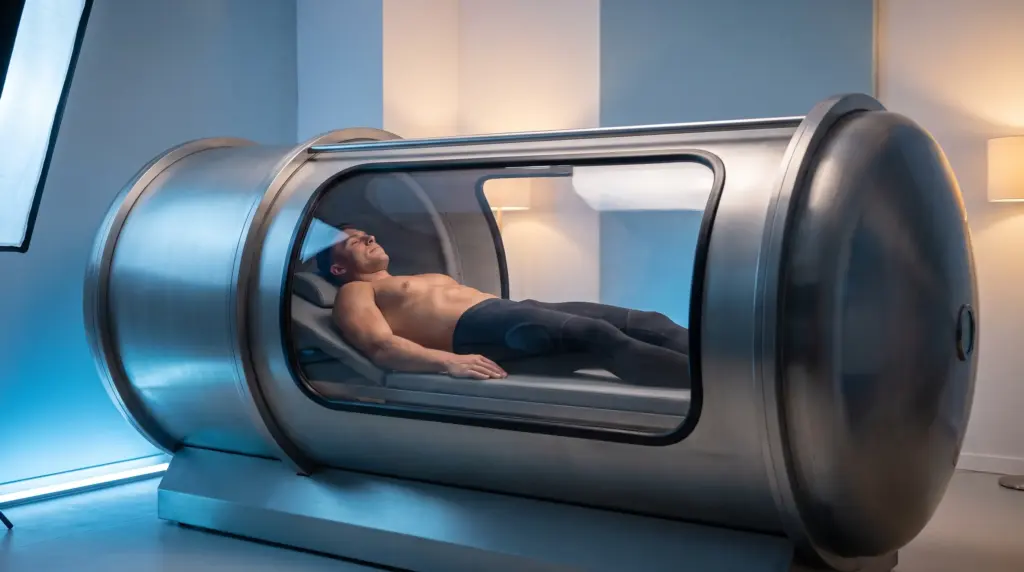




Recovery is where most athletic progress actually happens. Training breaks muscle tissue down, and the body needs oxygen, nutrients, and time to rebuild it stronger. That is part of why hyperbaric oxygen therapy has drawn attention from athletes and trainers looking for ways to support that repair process more directly.
Hyperbaric oxygen therapy, often shortened to HBOT, has been used in medicine for decades to treat wounds and injuries that need extra help healing. More recently, interest has grown in how the same underlying mechanism, increased oxygen delivery to tissue, might apply to athletic recovery specifically.
This article covers how HBOT works, what the research says about its role in recovery, and what athletes should know before considering a home chamber.
What Is Hyperbaric Oxygen Therapy?
Hyperbaric oxygen therapy involves breathing concentrated oxygen inside a pressurized chamber. Raising the air pressure allows the lungs to absorb more oxygen than they would at normal atmospheric pressure, and that oxygen dissolves directly into blood plasma rather than relying only on red blood cells.
That matters for recovery because oxygen-rich plasma can reach muscle tissue and joints more efficiently, including areas where blood flow has been reduced by inflammation or fatigue. The Undersea and Hyperbaric Medical Society lists several approved medical uses for HBOT, and athletic recovery research builds on those same oxygen-delivery principles rather than a separate mechanism.
How HBOT Fits Into an Athletic Recovery Routine
Recovery is not a single event. It involves reducing inflammation, clearing metabolic waste from muscle tissue, and rebuilding muscle fibers stronger than before training broke them down.
Each of those steps depends on oxygen. When training volume is high or an athlete is managing an injury, the body’s normal oxygen delivery can struggle to keep pace with what tissue repair actually needs.
Some athletes use HBOT sessions after intense training blocks or competition, treating it as one recovery tool among others like sleep, nutrition, and mobility work rather than a replacement for any of them.
What the Research Says About HBOT and Athletic Recovery
Most of the strongest clinical evidence for HBOT comes from wound healing and serious injury recovery, where increased oxygen delivery has been shown to speed tissue repair and reduce inflammation. Sports-specific research is a smaller but growing field that draws on those same findings.
A Few Areas Researchers Have Studied in Relation to Athletic Use:
- Muscle soreness and inflammation. Some studies have looked at whether HBOT reduces delayed onset muscle soreness (DOMS) after intense exercise, with mixed but promising early results.
- Injury recovery timelines. Because HBOT supports collagen production and new blood vessel growth, it has been studied for soft tissue injuries like strains and sprains, similar to how it is used for wound healing.
- Reduced swelling. Pressurized oxygen can help bring down localized inflammation, which is relevant for athletes managing joint or soft tissue swelling after training or injury.
- Fatigue and perceived recovery. Some athletes report feeling recovered faster after HBOT sessions, though this is harder to measure in controlled research compared to physical markers like inflammation.
It is worth being clear that sports-specific HBOT research is still developing, and results vary by study design and sport. The underlying oxygen-delivery mechanism is well established in medical literature, but its specific benefit for elite athletic performance is less conclusively proven than its role in wound and injury healing.
Where HBOT May Help Most
Athletes recovering from a documented soft tissue injury, working through a heavy competition or training block, or managing swelling tend to be the groups most studied and most likely to notice a difference. Healthy athletes using it purely for general performance gains should treat any benefit as unproven rather than guaranteed.
What Athletes Should Know Before Considering a Home Chamber
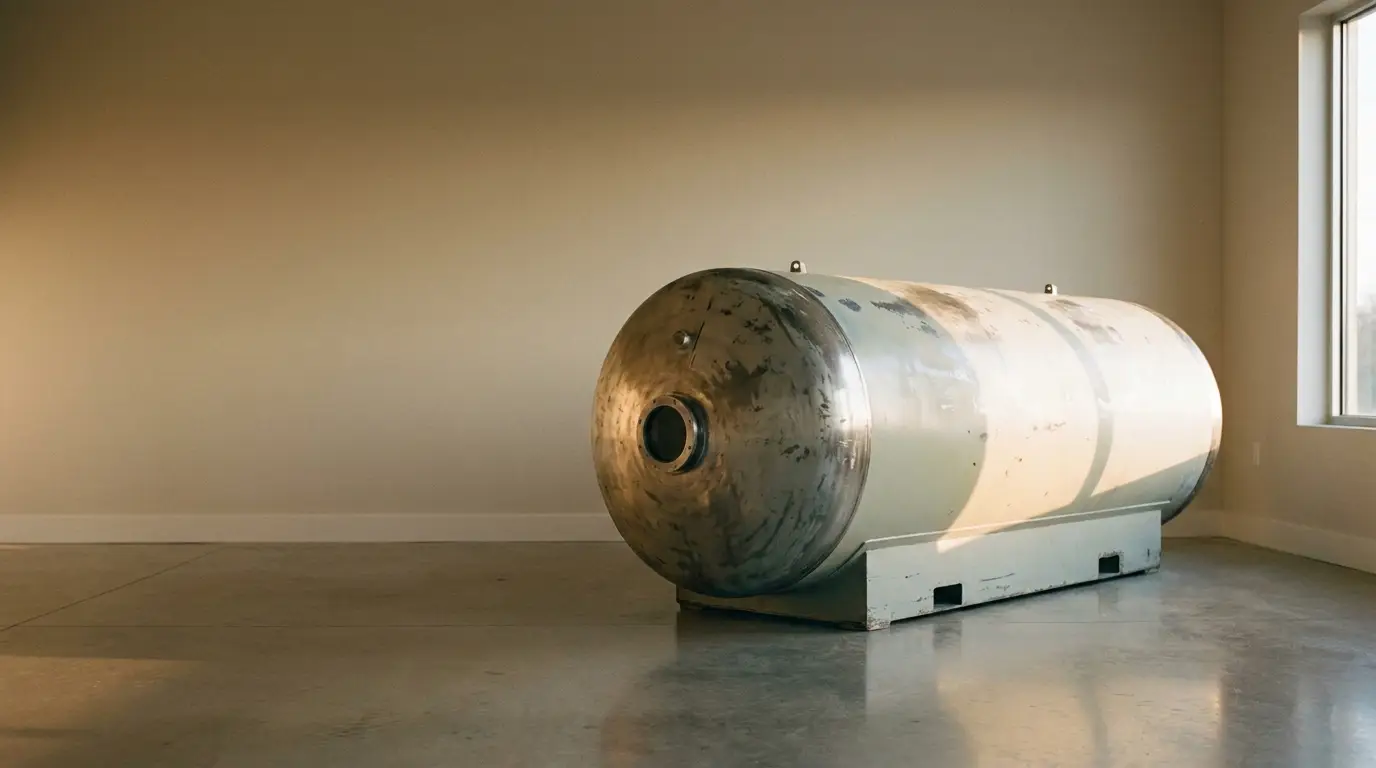
Interest in home hyperbaric chambers has grown as athletes look for ways to build HBOT into a regular recovery routine without needing a clinic visit each time. Before considering one, there are a few things worth understanding.
Home units typically run at lower pressure than the hospital-grade chambers used for serious wounds or medical conditions. That lower pressure is generally considered appropriate for general recovery and wellness use, but it is not the same setup used in clinical injury treatment.
Athletes with any underlying lung, ear, or sinus condition should talk to a doctor before starting HBOT, since pressure changes can affect those areas. The same applies to anyone managing a specific injury, since a doctor or physical therapist can advise on whether HBOT is a reasonable addition to that recovery plan.
HBOT is also not a substitute for the basics. Sleep, hydration, nutrition, and proper training load management do more for recovery than any single therapy, and HBOT works best as an addition to those fundamentals rather than a shortcut around them.
Home chambers also differ in build. Some are soft-sided and inflatable, while others use a rigid, hard-shell construction with a seated setup instead of lying flat. For athletes managing hip, knee, or lower back discomfort, a seated hard-shell chamber can be easier to get in and out of than a soft, reclined design.
Getting Access to Hyperbaric Oxygen Therapy
Clinics and sports medicine centers offer HBOT under professional supervision, which is generally the starting point for athletes recovering from a specific injury. For athletes who want to build regular sessions into an ongoing recovery routine, a home hyperbaric chamber has become a more accessible option, letting people use lower-pressure sessions on their own schedule rather than booking clinic time for each one.
Whichever route an athlete chooses, starting with a conversation with a doctor or sports medicine professional is the safest way to figure out whether HBOT fits their specific recovery needs.
Frequently Asked Questions
How Often Do Athletes Use HBOT for Recovery?
This varies widely by sport and individual recovery needs, but some athletes use it several times a week during heavy training blocks and less frequently otherwise.
Does HBOT Help With Muscle Soreness After a Workout?
Some research points to a possible reduction in delayed onset muscle soreness, though results are mixed and more study is needed before this can be called a proven effect.
Is a Home Hyperbaric Chamber as Effective as a Clinic Session?
Home units generally run at lower pressure than clinical or hospital chambers, so they are typically positioned for general recovery and wellness use rather than treating serious medical injuries.
Can HBOT Replace Physical Therapy After a Sports Injury?
No. HBOT is generally used alongside standard treatment like physical therapy, not as a replacement for it, and any injury-specific use should involve a doctor or physical therapist.
The Bottom Line
The link between oxygen delivery and tissue repair is well documented, and that is the foundation for why hyperbaric oxygen therapy has drawn interest from athletes and trainers. Sports-specific research is still catching up to the clinical wound-healing evidence, so it is best approached as one recovery tool among many rather than a guaranteed performance fix.
Athletes considering HBOT, whether through a clinic or a home chamber, should start with a conversation with a doctor or sports medicine professional to understand what makes sense for their training load and any injury history.