
Home & Gym
In competitive sports, the difference between a podium finish or an early exit often comes down to fractions of a second or millimeter adjustments in biomechanics. For decades, traditional sideline-based video capture has been the staple for coaches and athletes alike in terms of assessing form, footwork, and tactical execution. Stationary cameras and recordings on tablets give valuable perspective, but have a major limitation in that they record how an athlete looks on the outside, rather than what they actually experience in real time. As wearables expand beyond wrist-based heart rate monitors and GPS trackers, hands-free smart frames are opening a whole new frontier in sports performance analysis. High-definition visual capture is embedded directly into lightweight athletic frames by smart glasses, giving athletes and trainers the ability to review point-of-view (POV) footage, analyze eye-line focus, and dissect movement patterns from the exact perspective of the competitor. The Power of Real POV Video for Sports Analysis Traditional video analysis requires a third-person camera setup. A third-person shot, whether it’s a coach with a smartphone on the sideline or an automated tripod following a runner along a track, creates an observational gap. It shows the result of a move, but not the visual cues and decision-making triggers that cause it. Metric / Feature Traditional Video Sideline Point-of-View (POV) Capture Camera Angle Third-person view First-person POV Type of Viewpoint Static outside observer Actual eye-line sight lines Operating Mode Manual camera control Automated hands-free capture Initial Analysis Shows physical outcome Visual capture of decisions Hands-free video recording provides unique performance insights across a variety of sports: Cyclists and Runners: Keep an eye on head position, neck posture, and visual scanning patterns while passing technical trails or congested packs. Golfers and Tennis Players: Check the stability of the head at the moment of impact with […]

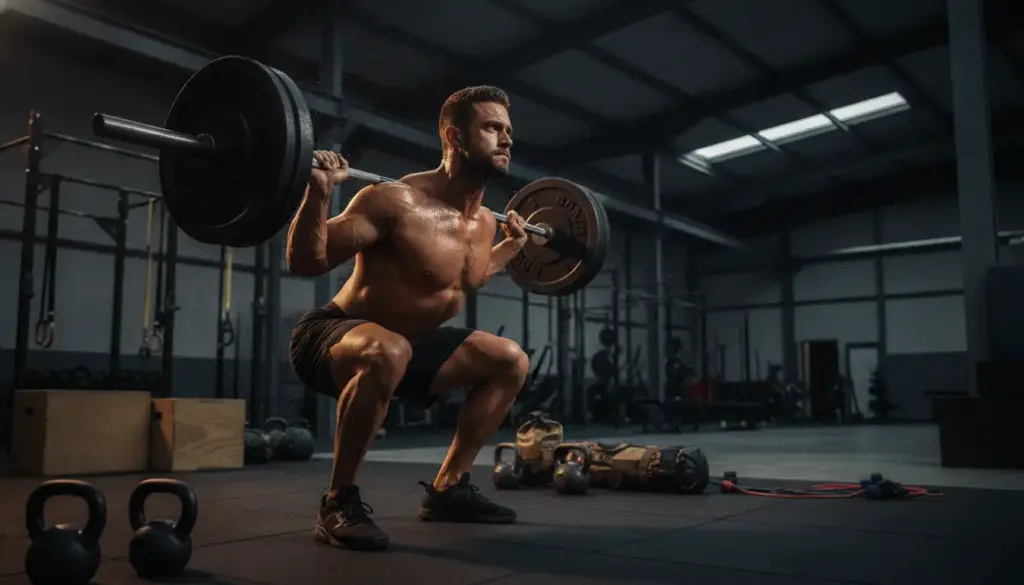
Serious athletes rarely rely on talent alone. Whether they compete at the highest level or simply enjoy pushing their own limits, consistent gym training builds the physical foundation that supports better performance. Strength, mobility, endurance, recovery, and injury prevention all improve when workouts follow a structured plan. While sport-specific practice remains essential, the gym creates opportunities to strengthen weak points, improve movement quality, and prepare the body for greater demands. Athletes who train with purpose often discover that progress happens long before they step onto a field, court, trail, or track. Build Strength That Transfers to Performance One of the biggest advantages of training in a gym is access to equipment that allows progressive overload. Gradually increasing resistance helps muscles, tendons, and connective tissue become stronger over time. This approach improves power, stability, and resilience across nearly every sport. Many gyms in El Paso, Jacksonville and Miami that offer advanced strength equipment, functional training spaces, and experienced coaching make it easier for athletes to follow programs tailored to their goals. Instead of repeating the same routine every week, athletes can cycle through phases that emphasize strength, explosive power, muscular endurance, and recovery. This variety reduces plateaus while encouraging long-term improvement. Strength training also supports better movement mechanics. Stronger hips, core muscles, shoulders, and legs help athletes generate more force while maintaining proper form. Better mechanics often translate into faster sprinting, higher jumping, harder throwing, and greater efficiency during competition. Reduce Injury Risk While Improving Recovery Training harder only works when the body can recover and remain healthy. The gym provides an environment where athletes can strengthen smaller stabilizing muscles that often receive little attention during sport-specific practice. These muscles help protect joints while improving balance and coordination. Mobility work, flexibility exercises, resistance bands, cable machines, and recovery equipment all contribute […]
Ever feel like your softball skills go on pause the moment the weather turns bad or the season ends? Missing the field doesn’t have to mean missing valuable practice. With the right drills, a garage, basement, hallway, or gym can become an effective training space. Many essential softball skills, including hitting, throwing, fielding, footwork, and reaction time, can be developed indoors using minimal equipment. This guide shares practical indoor softball drills that help players make the most of limited space, stay consistent during the off-season, and continue building confidence until it’s time to get back on the field. Why Does Indoor Practice Work? Indoor practice is an effective way to keep softball skills sharp when outdoor fields are unavailable. Regular repetitions help reinforce muscle memory, making movements feel more natural during games. A small space still works well for practicing throwing, swinging, glove work, footwork, and reactions. Short, focused sessions also make it easier to identify and correct small mistakes before they become habits. Many coaches encourage consistent skill work during the off-season because steady practice often leads to better performance once competition resumes. With a few basic training tools and a safe practice area, players can continue developing confidence and consistency year-round. The key is to focus on quality movements rather than the amount of space available or the length of each session. Essential Equipment for Indoor Softball Training Having the right equipment makes indoor softball practice safer, more effective, and easier to organize. Most drills require only a few basic training tools that help improve skills while protecting players and indoor spaces. Equipment Purpose Best For Foam or Reduced-Flight Softballs Improve skills safely while reducing the risk of injury or damage indoors. Throwing, catching, hitting Batting Tee Creates a consistent point of contact to build proper swing mechanics. […]

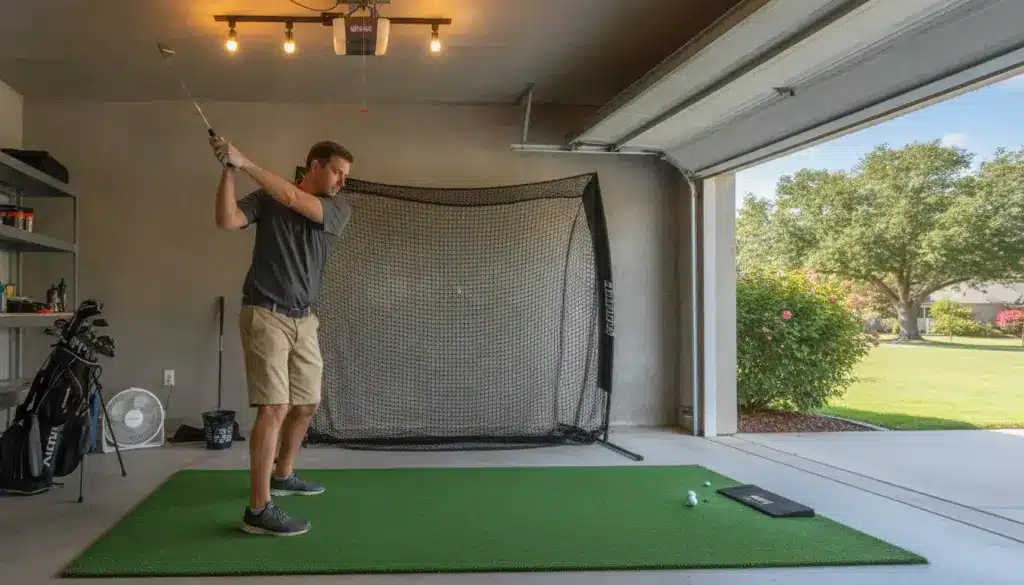
Golf practice used to mean booking a tee time, visiting the driving range or waiting for the weather to cooperate. For many players, that is still part of the routine. But more golfers are now rethinking where effective training can happen. Garages, basements, spare rooms and outbuildings are being turned into dedicated practice spaces, giving players a way to work on their game more often and with more structure. This shift is being driven by convenience, technology and the growing belief that improvement does not only happen on the course. With the right setup, golfers can practise more consistently, track their progress and build confidence without leaving home. The Shift Towards Home Based Training The appeal of home-based golf training is simple: access. Golfers often struggle to practise regularly because of time, weather, travel and course availability. A home setup removes many of those barriers. Instead of waiting for a free afternoon, players can work on their swing before work, after dinner or during a spare half-hour at the weekend. Home training also reflects a broader change in attitude. Golfers no longer see practice as something that must happen only at a range or club. A focused session in a well-designed home space can be just as valuable when it has a clear purpose. What Makes Home Setups Effective A good home practice space does not need to be extravagant, but it does need to be intentional. The best setups combine enough space to swing safely, suitable flooring or hitting surfaces, good lighting and technology that gives useful feedback. Design matters because the environment shapes the quality of practice. A cluttered garage with poor lighting and limited room can make training frustrating. A dedicated space, even a modest one, helps the golfer focus. It also makes practice easier to repeat […]
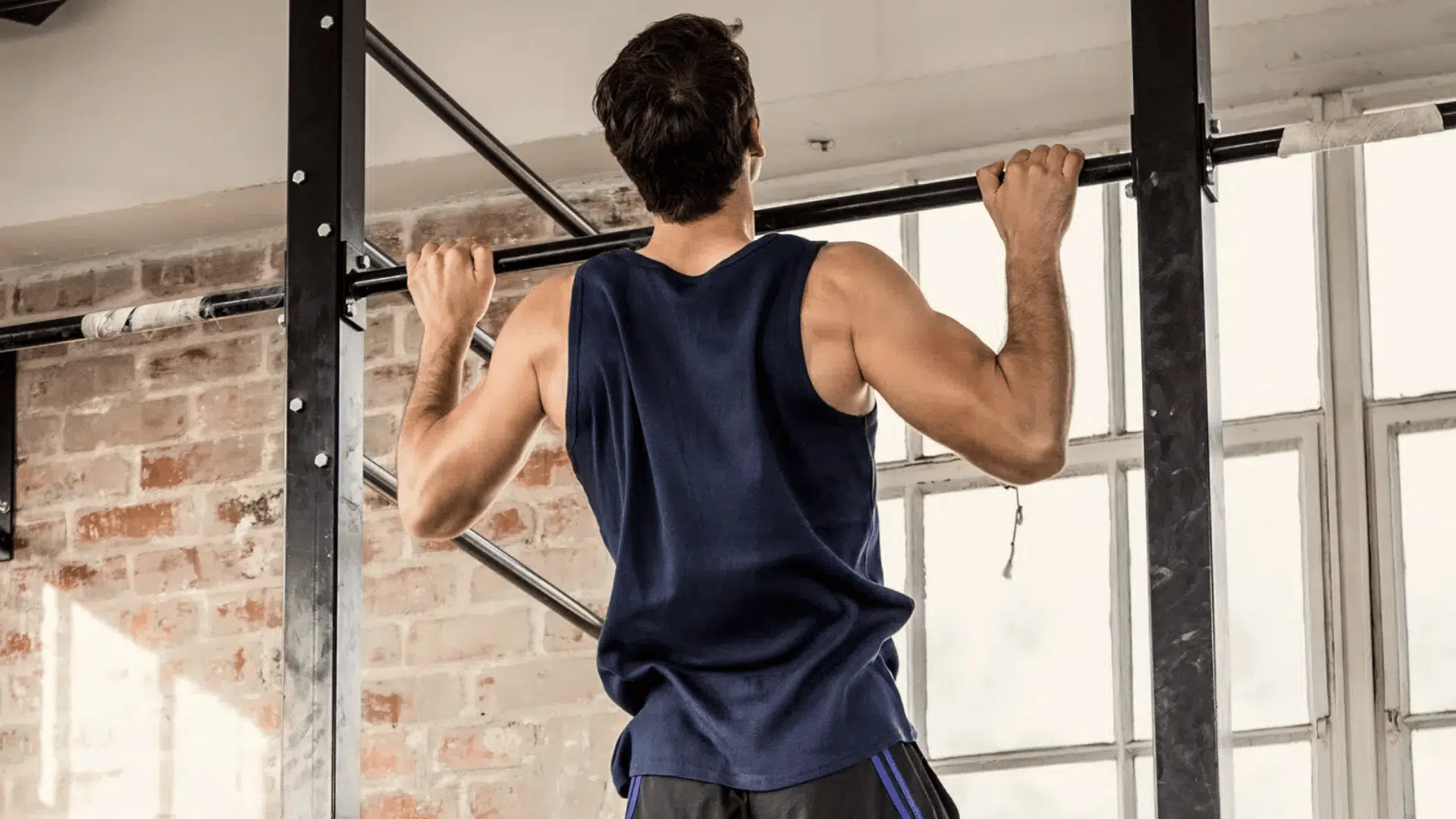
I often get asked what muscles pull-ups really work, and the simple answer is this: they
Walking is something most people do every day without giving it much thought. I used to
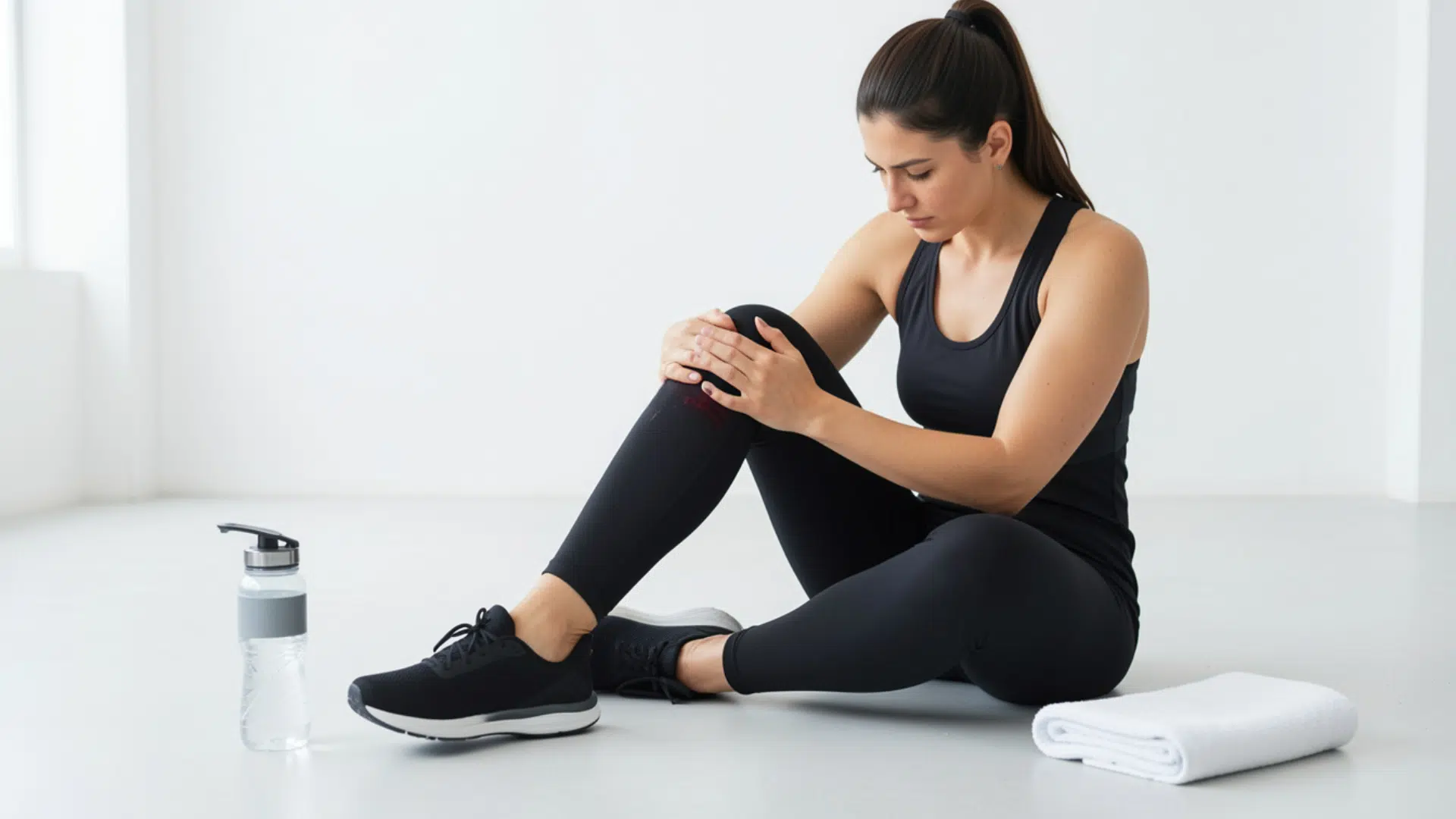
I’ve had those days when even walking up the stairs feels tough after a workout. If

Building strong, toned arms at home is easier than most people think. I used to believe
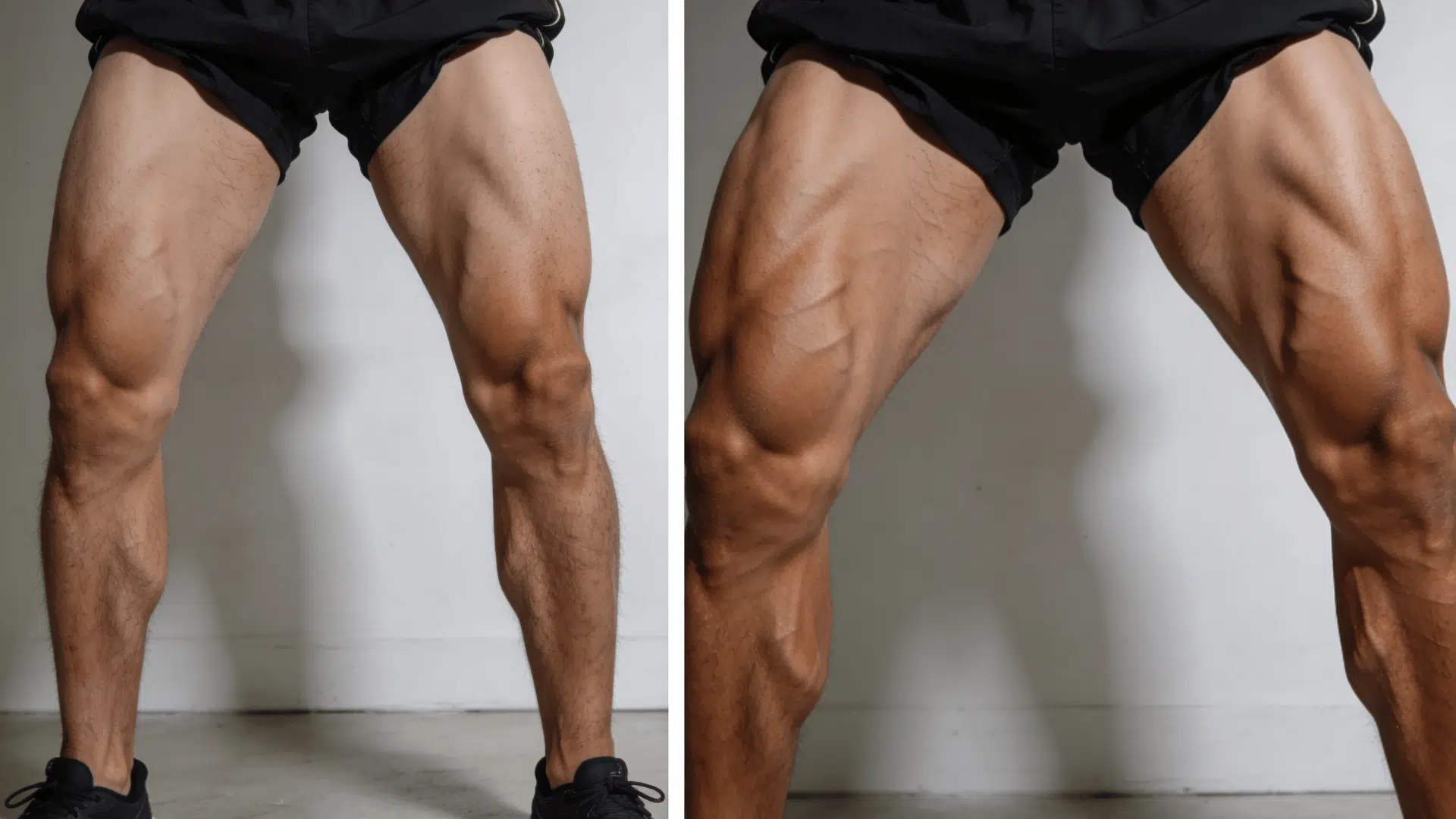
I’ve seen a lot of people try the 100 squats-a-day challenge, and I get why it’s
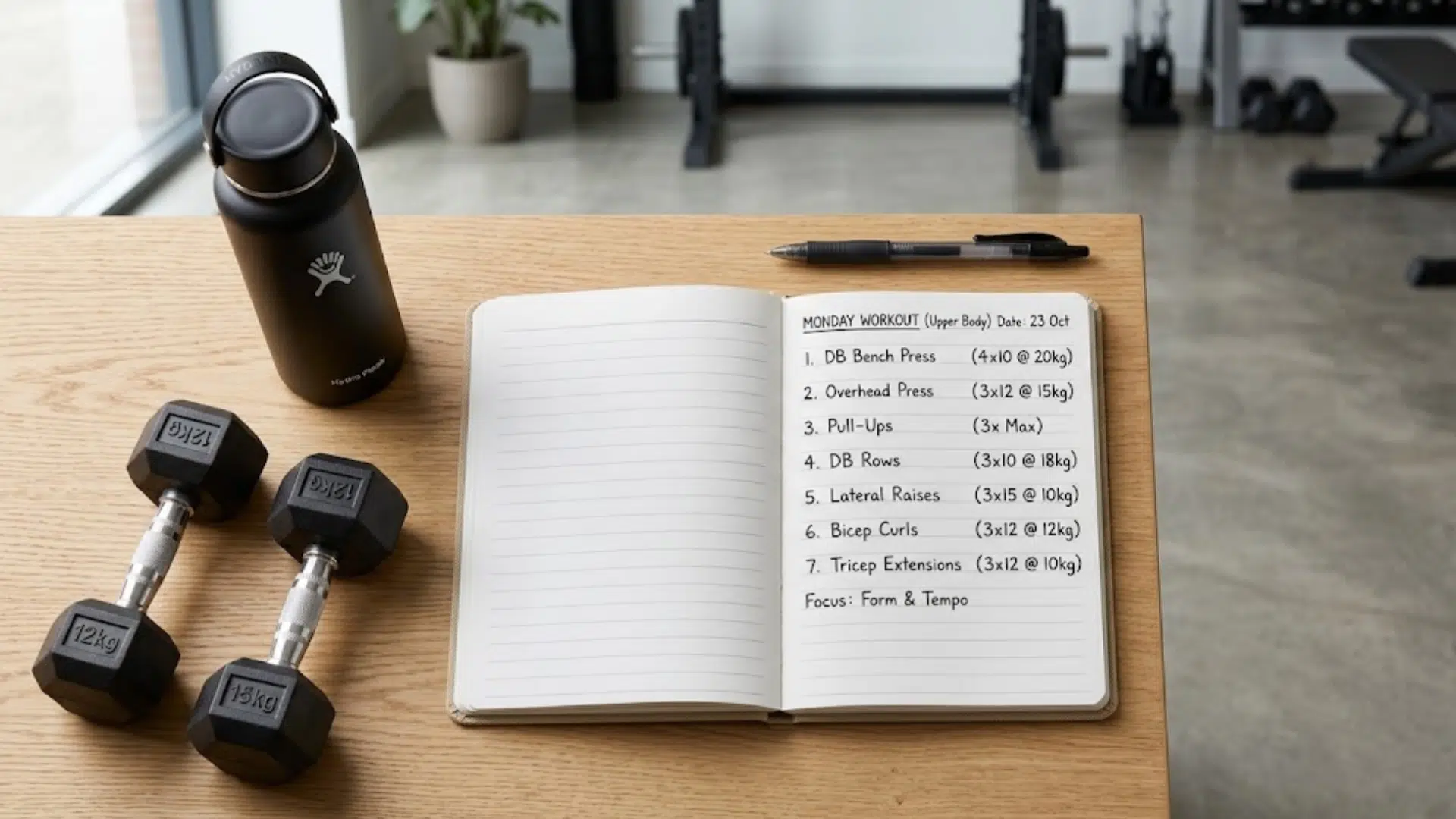
I used to wonder how many exercises you should do per workout, and you might be
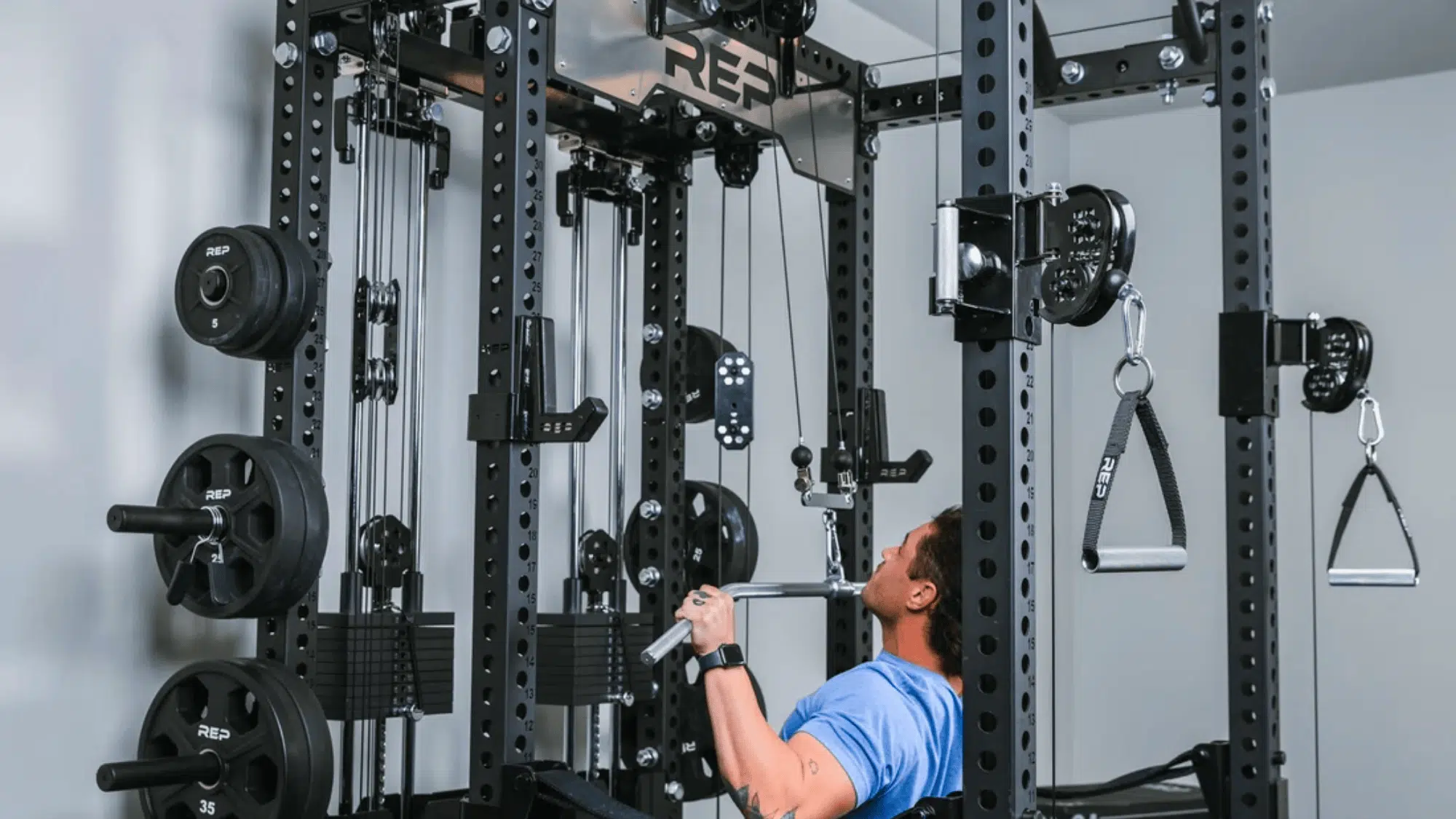
A power rack is the most important piece of equipment you will ever buy for your
I remember when I first started lifting, I wasn’t sure if I was doing the right