
Athlete
Advances in artificial intelligence (AI) have quietly redrawn the boundary lines between instinct and information in modern sport. Optical-tracking cameras now record every sprint, swing, or slide in granular detail, while machine-learning models convert raw footage into predictive metrics that help clubs refine tactics, reduce injuries, and engage audiences in fresh ways. Where scouts once relied on gut feeling, algorithms now reveal subtle patterns that humans alone rarely spot, turning data into a competitive edge that separates champions from the chasing pack. Second-paragraph assessments from a b2b online sport betting provider underscore how strongly AI-driven forecasts already influence both front-office decisions and fan conversations. Proprietary platforms simulate thousands of match scenarios per minute, quantifying win probabilities in real time and flagging momentum shifts before they appear on a scoreboard. The same probability curves guide television commentators, fantasy-league enthusiasts, and sponsorship planners who crave credible numbers rather than hunches. Continuous data collection produces an ever-expanding digital mirror of each athlete’s career. Video feeds pair with wearables that capture heart-rate variability, joint load, and hydration trends, then route those signals to cloud-based engines that evaluate risk and readiness. If fatigue scores spike, coaching staff receive alerts and can modify training drills long before overuse issues arise. AI transforms monitoring from periodic check-ups into an always-on safeguard that protects both performance and health. From Data Flood to Clear-Cut Insight Machine learning only thrives when fed well-labeled, high-quality information. Top clubs therefore invest heavily in sensor ecosystems that turn stadiums into research labs: High-Resolution Player TrackingMulti-camera arrays plot every movement at up to 120 frames per second, enabling heat maps that highlight positional gaps. Wearable BiometricsSmart vests and boot-embedded chips measure acceleration, deceleration, and muscle vibration to reveal hidden strain. Historical Performance LogsDecades of archived footage provide training material for neural networks that learn […]

Most players searching for trusted crypto casinos don’t realize how many sites look legitimate but fall apart once you dig in. Provably fair claims without real audit trails, withdrawal delays dressed up as “security checks,” and licensing from jurisdictions that barely enforce anything are all common traps. Throw in crypto volatility on top of that and you’ve got a genuinely complicated decision. After reviewing dozens of sites across licensing quality, withdrawal speed, RTP transparency, and real player feedback, this guide covers five sites that actually hold up. Behind the ranking Public information drove every decision here, including player review patterns from major gambling directories, operator-published game data, and official site documentation. sites without a clear track record in crypto gambling were cut before the shortlist was even built. The aim was substance over surface-level claims. → See the full research breakdown JB Casino – Best for crypto gambling and decentralized betting Winz – Best for crypto gambling and decentralized finance users ThunderPick – Best for esports betting and crypto gambling BitStarz – Best for cryptocurrency casino gaming and multi-currency online gambling Shuffle – Best for cryptocurrency gambling and sports betting The Real Impact of Trusted Crypto Casinos Choosing the wrong site doesn’t just cost money. It costs time, trust, and in some cases, access to funds you can’t get back. Telling a genuinely provably fair casino apart from a fraudulent one is harder than it sounds, because the fraudulent ones are often built to look nearly identical to the real thing. Regulatory inconsistency across countries makes this worse. A license from one jurisdiction means something very different from a license in another, and players without that context are easy targets. Well-chosen sites solve this by combining verifiable licensing, transparent RTP data across their full game catalog, and withdrawal times measured in minutes rather than days. […]

Matthias Jaissle’s appointment as Newcastle United’s new head coach came as a surprise to many Premier League followers, given how far his career to this point has largely unfolded away from England’s traditional footballing spotlight. As fans get to grips with the man tasked with succeeding Eddie Howe, plenty are turning to football betting markets ahead of kick off, with online football betting sites among the first places supporters are looking to gauge how confident the wider football world is in his chances of success at St James’ Park. Jaissle built his reputation through progressive, attacking football, favouring high pressing and quick vertical play, principles that earned him admiration from coaches and pundits who track emerging managerial talent closely. His track record backs up the hype: he won back-to-back Austrian Bundesliga titles with Red Bull Salzburg, establishing himself as one of European football’s most highly rated young coaches, before making the move to Saudi Arabia to take charge of Al-Ahli, where he won two AFC Champions League Elite titles. It’s a trophy haul that few, if any, of his fellow incoming Premier League managers can match, even if it was built outside of Europe’s traditional powerhouse leagues. What makes this appointment particularly intriguing is the contrast in profile. Howe was a known quantity to the Premier League, having built his reputation gradually through spells at Bournemouth before transforming Newcastle into genuine European contenders. Jaissle, by comparison, arrives as a proven winner but an unknown quantity in an English context, with limited exposure to the Premier League’s unique demands: the intensity of the schedule, the physicality of the league, and the scrutiny that comes with managing a club with Newcastle’s ambition and resources. The scale of the challenge facing him is significant. Beyond simply adapting to a new league, Jaissle inherits […]

For a town of only 2,000, Cooperstown NY would normally be a quiet, quaint and charming travel stop for long drives through upstate NY. And for most of the year, that is mainly what the town is like. But, come the summer, Cooperstown becomes a beacon for baseball fans across the nation. Close to 300,000 visitors come to the town each year, and one of the reasons for this is the major 12U tournaments run by Cooperstown Dreams Park. The tournaments have been becoming even more popular in 2026, trending online as one of the most searched amateur baseball queries. So, what is Cooperstown Dreams Park? Opening in 1996, its tournament format has stayed remarkably stable, with a six-game guarantee going into elimination brackets. What’s been trending now? A travel baseball boom, a social media generation raised on highlight clips, and excitement about the big annual tournaments. Here’s the full breakdown. Travel Baseball Keeps Growing, Even Where Casual Play Doesn’t Where casual play of baseball has been on a decline, there has simultaneously been more of a focus and effort in the elite and pro-training levels of baseball. This has led to greater competition for destination tournaments and excitement around them. Generally, parents and coaches are looking for destination tournaments that provide an excellent competitive experience as well as double as great vacation spots for families, allowing for better justification of the expenses. One great marquee weekend with good video coverage and strong rival teams beats a hodgepodge of middling experiences. For Cooperstown Dreams Park in particular, we’re seeing most tournament weeks fill within 6 to 12 months in advance of the dates, with over 1,400 teams making the pilgrimage every summer. A Real Cooperstown, NY Address Another one of the benefits of Cooperstown Dreams Park is its proximity to […]


A brilliant performance can change how fans see an athlete, but one game rarely reveals a

The NBA offseason often determines how teams enter the race for contention long before opening night.

Every rumor reshapes the playoff race, with the Milwaukee Brewers at the center of this year’s

Some people become legends without ever playing the game. I find those stories just as interesting

If you’ve watched a soccer, hockey, or cricket game, you’ve probably heard the term “hat trick.”

Baseball has seen unforgettable offensive battles, but few scoring games have earned a place in MLB

Soccer has grown into a global business where elite players are rewarded with incredible salaries, performance

NBA free agency often creates confusion when teams sign expensive contracts despite having limited salary cap
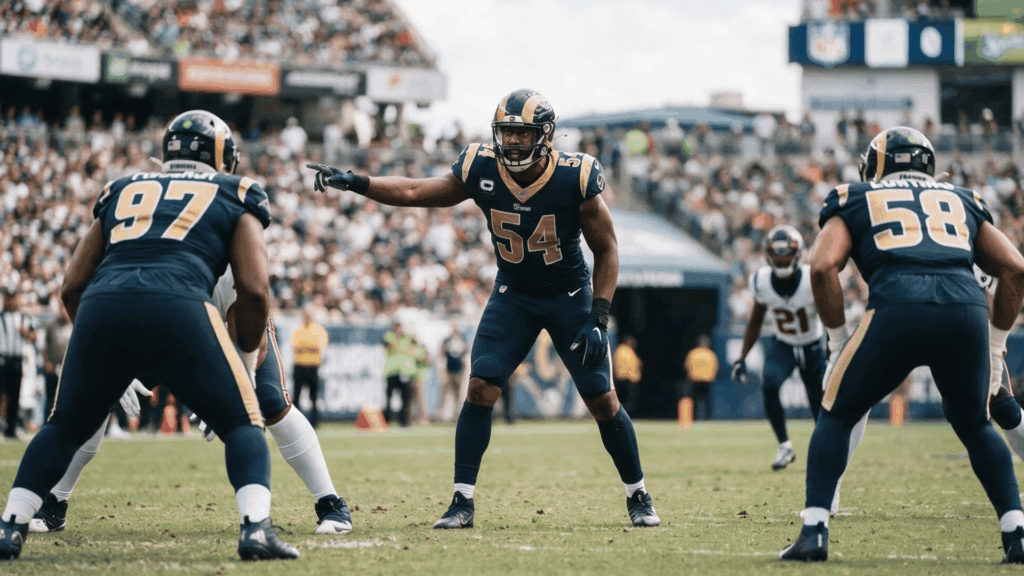
I have always found the linebacker position fascinating because it combines physical strength with quick decision-making.

The sporting calendar gives fans plenty to look forward to every year. The FIFA World Cup

Cristiano Ronaldo’s success is built on years of disciplined training, smart recovery, and a commitment to

Basketball’s path to the professional level is changing, and Overtime Elite (OTE) is one of the