July 18, 2026
Not all personal trainer certifications carry the same weight with employers. The most recognized ones come from bodies with NCCA accreditation, and that distinction matters more than most newcomers realize when they’re applying at major gym chains. Costs swing widely, accreditation bodies confuse people, and the wrong credential wastes both time and money. After reviewing the top options across employer recognition, exam structure, and career support, this guide breaks down five certifications worth your serious attention. How the Picks Were Chosen Each option was assessed using publicly available information — official websites, user reviews, rating platforms, and case studies. Only certifications with a demonstrated record of employer recognition and clear standing in the profession made the final list. → See the full research breakdown IPTA — Best for aspiring fitness professionals seeking affordable, NCCA-accredited certification with career support ACE — Best for fitness professional certification and continuing education NASM — Best for fitness professional certification and wellness education NSCA — Best for strength and conditioning education and professional certification NESTA — Best for fitness professional certification and specialization training Why a Recognized Certification Is Worth the Investment Picking the right credential isn’t just about passing an exam. It’s about whether that certificate on your wall actually opens doors at the gyms and facilities where you want to work. Employers at major chains don’t treat all certifications equally. The gap between an NCCA-accredited credential and a lesser-known one can be the gap between getting hired and getting passed over. Exam costs and renewal fees pile on real financial pressure, so choosing a credential with strong employer acceptance from the start protects that investment — no small thing when you’re weighing hundreds of dollars upfront. Certifications held by hundreds of thousands of professionals tend to carry more weight precisely because employers already know what they’re getting. The […]

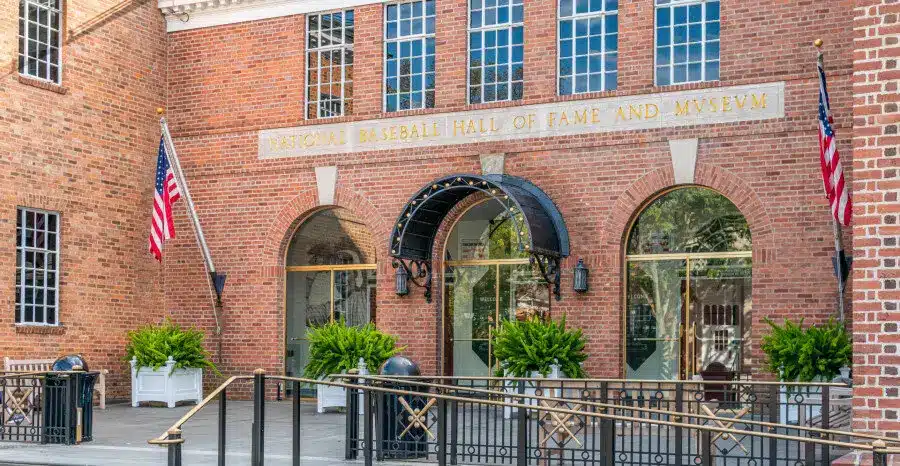
Big Dreams in Baseball’s Smallest Town Every summer, thousands of young baseball players arrive in central New York carrying gloves, bat bags and enough sunflower seeds to survive a small emergency. They come from all over the country, usually after months of practices, fundraisers, travel planning and parents asking, “Wait, how much is this trip going to cost?” Their destination is Cooperstown, New York, the small village best known as the home of the National Baseball Hall of Fame. But these players are not just coming to admire old jerseys and debate whether Barry Bonds deserves a plaque. They are coming to play baseball. For anyone unfamiliar with the youth travel ball universe, “going to Cooperstown” usually means attending one of the weeklong tournaments held for 12-and-under teams in the area. Two of the best-known destinations are Cooperstown Dreams Park and Cooperstown All Star Village. Teams travel from across the country (and sometimes the world) to spend a week playing games, hanging with teammates, trading pins and soaking up as much baseball as humanly possible. Think of it as a national youth tournament, summer camp and family vacation rolled into one, except the vacation includes early wake-up calls, dirty uniforms and adults arguing about whether that pitch was really outside. For many kids, it becomes the biggest week of their young baseball lives. Getting There Is Half the Battle A Cooperstown trip begins long before anyone sees a “Welcome to Cooperstown” sign. Teams often start planning well in advance. There are tournament reservations, hotel arrangements, uniforms and transportation to organize. There are also fundraisers….lots and lots of fundraisers. Parents sell raffle tickets, organize golf outings, and ask local businesses for sponsorships. By the time the team leaves, some families have sold enough popcorn, candy and discount cards to qualify for […]