



Not all personal trainer certifications carry the same weight with employers. The most recognized ones come from bodies with NCCA accreditation, and that distinction matters more than most newcomers realize when they’re applying at major gym chains. Costs swing widely, accreditation bodies confuse people, and the wrong credential wastes both time and money. After reviewing the top options across employer recognition, exam structure, and career support, this guide breaks down five certifications worth your serious attention.
How the Picks Were Chosen
Each option was assessed using publicly available information — official websites, user reviews, rating platforms, and case studies. Only certifications with a demonstrated record of employer recognition and clear standing in the profession made the final list.
→ See the full research breakdown
- IPTA — Best for aspiring fitness professionals seeking affordable, NCCA-accredited certification with career support
- ACE — Best for fitness professional certification and continuing education
- NASM — Best for fitness professional certification and wellness education
- NSCA — Best for strength and conditioning education and professional certification
- NESTA — Best for fitness professional certification and specialization training
Why a Recognized Certification Is Worth the Investment
Picking the right credential isn’t just about passing an exam. It’s about whether that certificate on your wall actually opens doors at the gyms and facilities where you want to work.
Employers at major chains don’t treat all certifications equally. The gap between an NCCA-accredited credential and a lesser-known one can be the gap between getting hired and getting passed over. Exam costs and renewal fees pile on real financial pressure, so choosing a credential with strong employer acceptance from the start protects that investment — no small thing when you’re weighing hundreds of dollars upfront.
Certifications held by hundreds of thousands of professionals tend to carry more weight precisely because employers already know what they’re getting. The right pick leads to better hiring outcomes, faster client acquisition, and a credential that holds its value.
Comparison Table
Note: Figures below are drawn from review platforms and the official websites of the listed organizations. Pricing and timelines change, so confirm current details before you enroll.
Company | Established | Headquartered In | Typical Time to Certify | Trustpilot Rating |
IPTA | — | Online | 4–8 weeks | 4.7 stars |
ACE | 1985 | San Diego, California | Self-paced (≈3 months) | — |
NASM | 1987 | Gilbert, Arizona | 8–12 weeks | — |
NSCA | 1978 | Colorado Springs, CO | Self-paced; varies | — |
NESTA | 1994 | Laguna Hills, California | Self-paced | — |
IPTA — Best for aspiring fitness professionals seeking affordable, NCCA-accredited certification
How does IPTA operate?
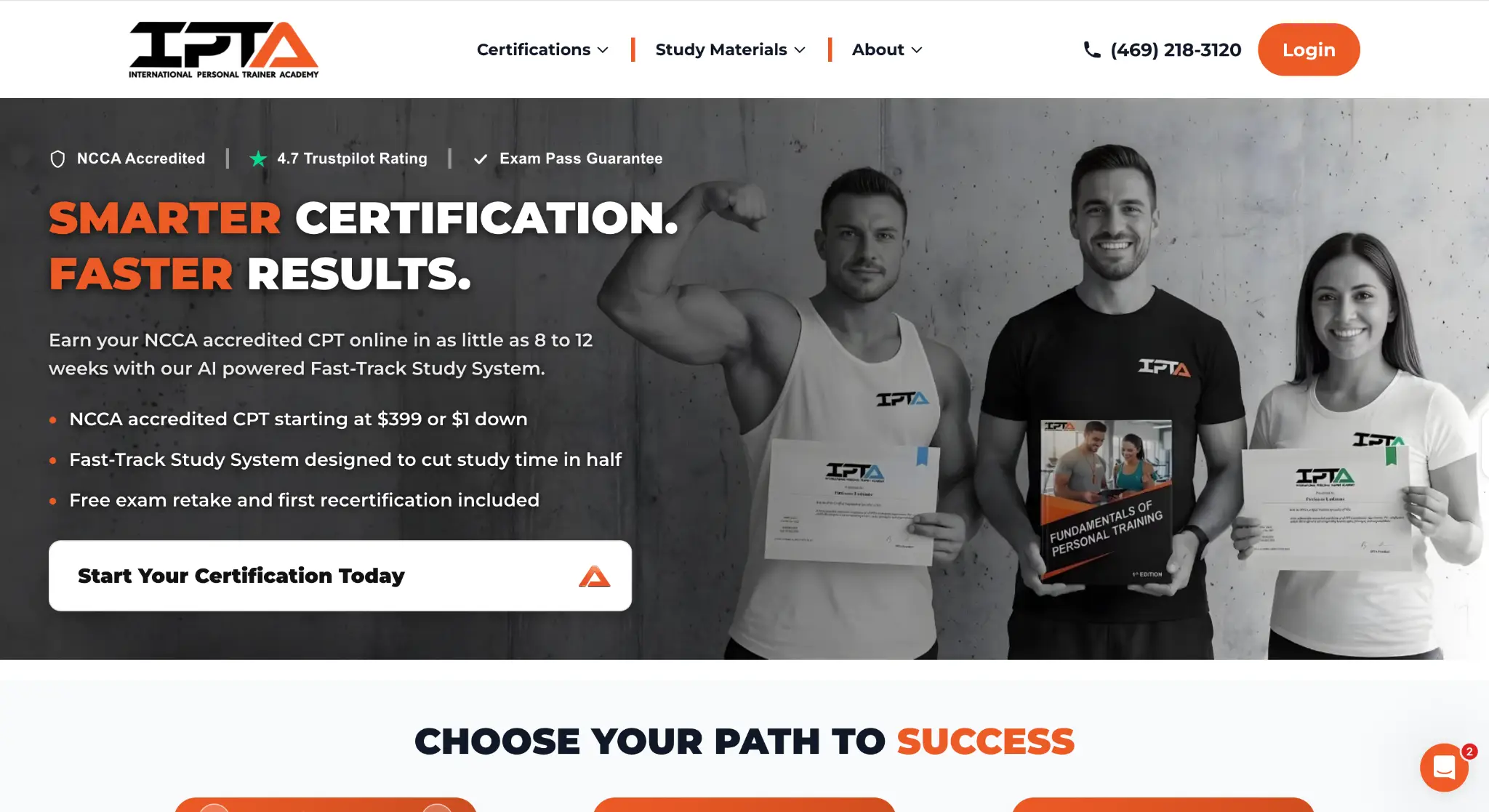
IPTA is an online fitness education platform offering NCCA-accredited certifications across personal training, nutrition, and bodybuilding specialization. Beyond its own credentials, it provides study prep for major exams, including NASM, ACE, ACSM, ISSA, NSCA, and NCSF. The Fast-Track Study System is designed to cut prep time — roughly 4–8 weeks for a focused student — without cutting corners on quality. Bundled options, unlimited exam retakes, and job assurance for eligible U.S. students round out a package built with the career-focused beginner in mind.
Why pick IPTA?
IPTA targets one of the biggest friction points in fitness education: the gap between affordability and credential quality. Entry-level access starts at $399, paired with unlimited retakes and real career support tools. The combination of NCCA accreditation, AI-assisted study support, and bundled certification paths makes it one of the more practical starting points for anyone serious about entering the field.
The review roundup
IPTA carries a 4.7-star rating on Trustpilot, which is hard to hold across a broad student base and says something real about the experience. Reviews consistently point to the study tools and the sense of support throughout the process. For a platform that also preps students for third-party exams alongside its own credentials, that consistency stands out.
ACE — Best for fitness professional certification and continuing education
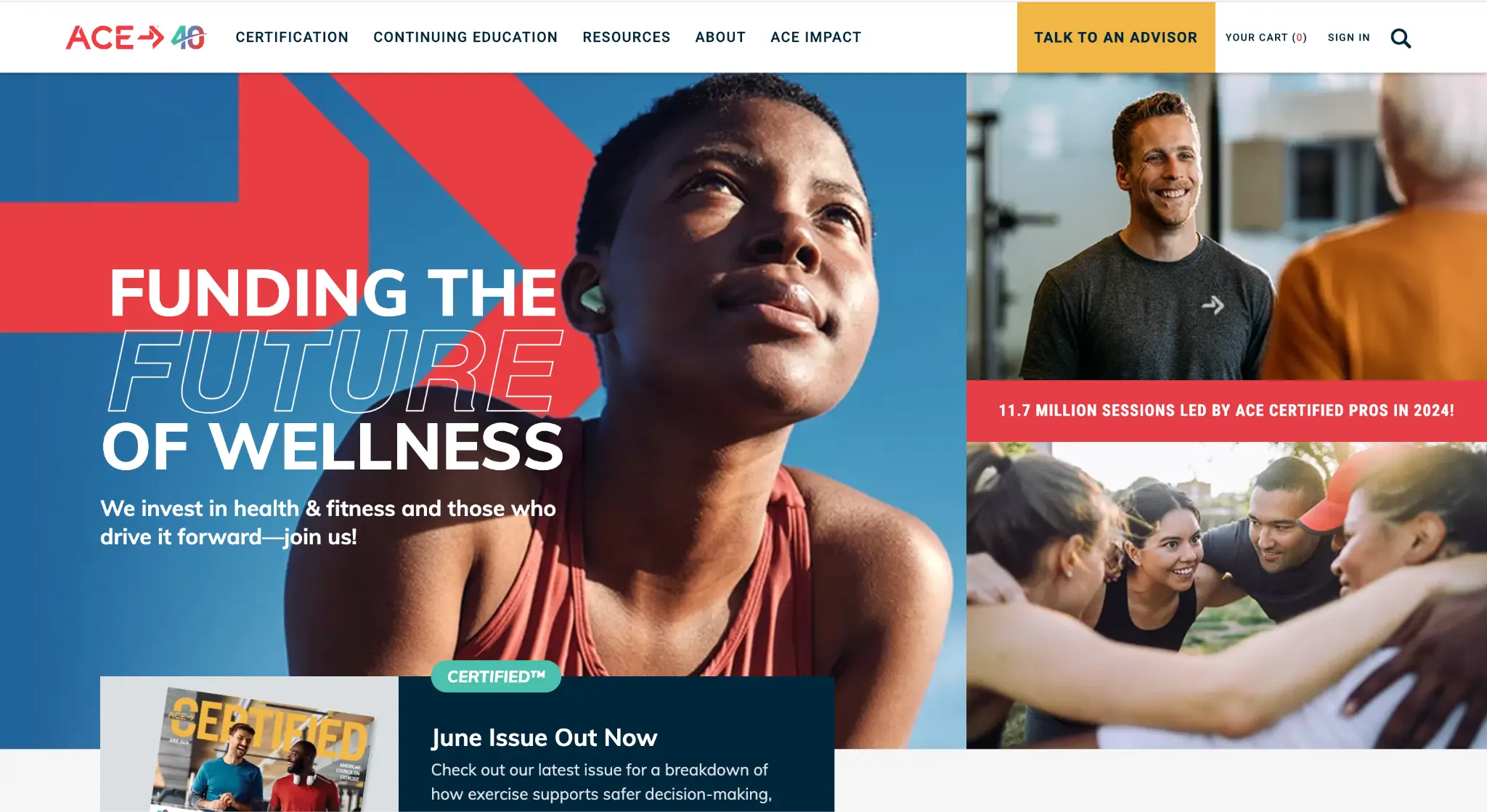
How does ACE operate?
ACE is a nonprofit that has run since 1985. Its four certifications — Personal Trainer, Group Fitness Instructor, Health Coach, and Medical Exercise Specialist — are all NCCA-accredited. It serves professionals across six continents, with roughly 90,000 certified exercise professionals and health coaches in its global network. ACE also publishes original research that shapes how trainers actually work with clients, which gives the credentials weight beyond passing a test. Its continuing education catalog keeps professionals current without forcing a recertification from scratch.
Why pick ACE?
ACE solves the problem of finding a certification that employers in both general and medical fitness settings value equally — few cover that range cleanly. Four decades of consistent operation and NCCA accreditation across all four main credentials make the investment feel secure over a long career.
The review roundup
ACE earned recognition as a 2026 Best and Brightest Company to Work For, both in Southern California and nationally, plus a 2026 Nation’s Best and Brightest in Wellness award. The organization’s commitment to professional development connects strongly with its certified community. A body that wins wellness awards for how it treats its own people tends to take education quality seriously too.
NASM — Best for fitness professional certification and wellness education
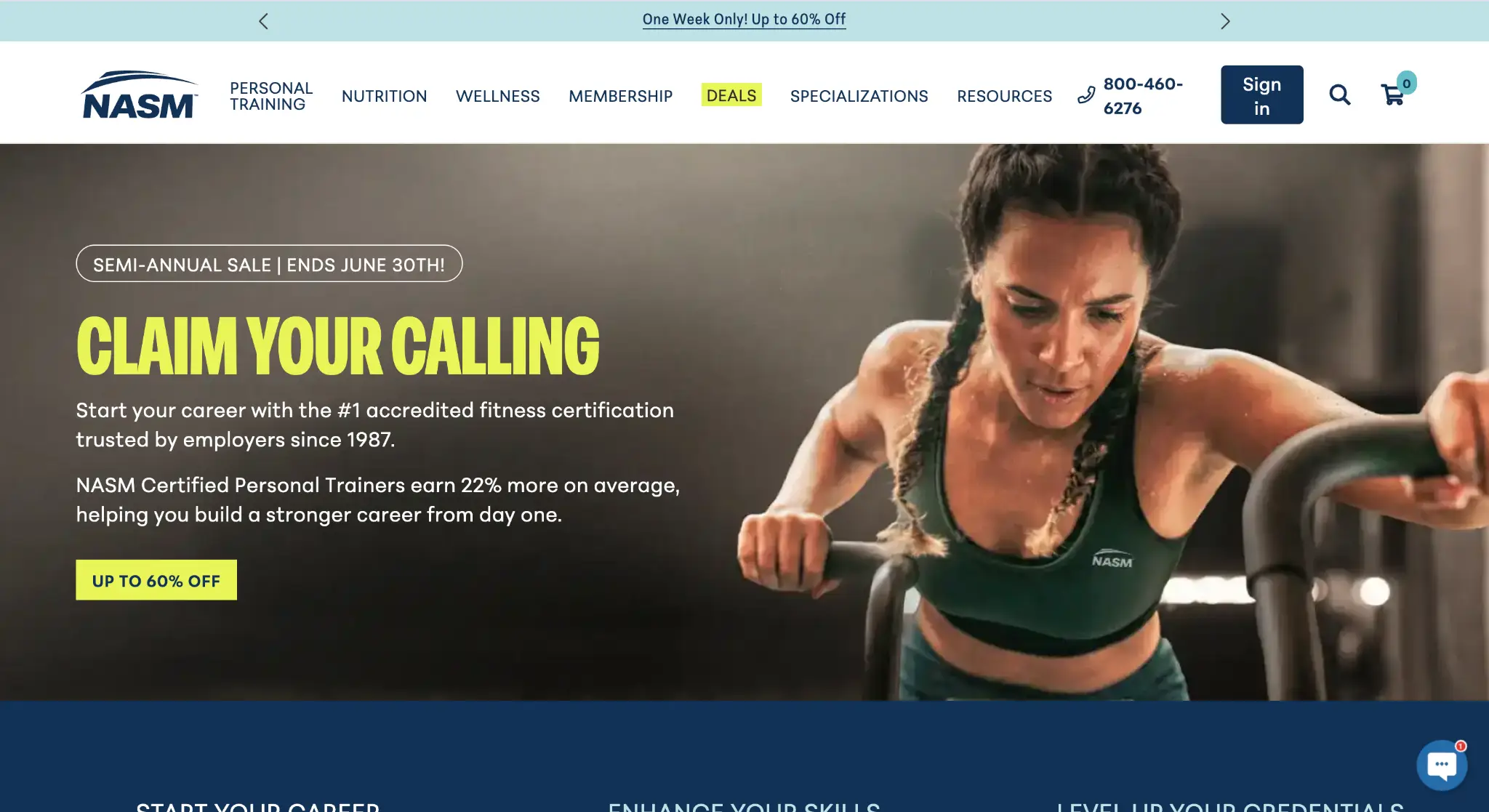
How does NASM operate?
NASM has shaped fitness education since 1987, and that history shows in the depth of what it offers. The curriculum is built around the evidence-based Optimum Performance Training model, covering personal training, corrective exercise, nutrition coaching, performance improvement, and wellness coaching. NASM has certified more than 1.4 million professionals across 100-plus countries and maintains partnerships with 14,000-plus gyms and health clubs. The reach alone puts it in a different conversation from most certification bodies.
Why pick NASM?
Few credentials signal employer trust the way NASM does — its certified professionals are on staff with 100% of NBA, NFL, and MLB teams. That kind of professional sports validation is rare and hard to match in a competitive hiring pool. The self-paced CPT typically takes 8 to 12 weeks, a longer runway than IPTA’s fast-track route, but the payoff is the broadest acceptance in the field.
The review roundup
NASM has earned recognition from Newsweek and Statista as a top online learning provider in recent years. The reputation holds up in reviews, with professionals pointing to the curriculum’s depth and broad employer acceptance as standout strengths. Sustained recognition over multiple years builds real trust.
NSCA — Best for strength and conditioning education and professional certification
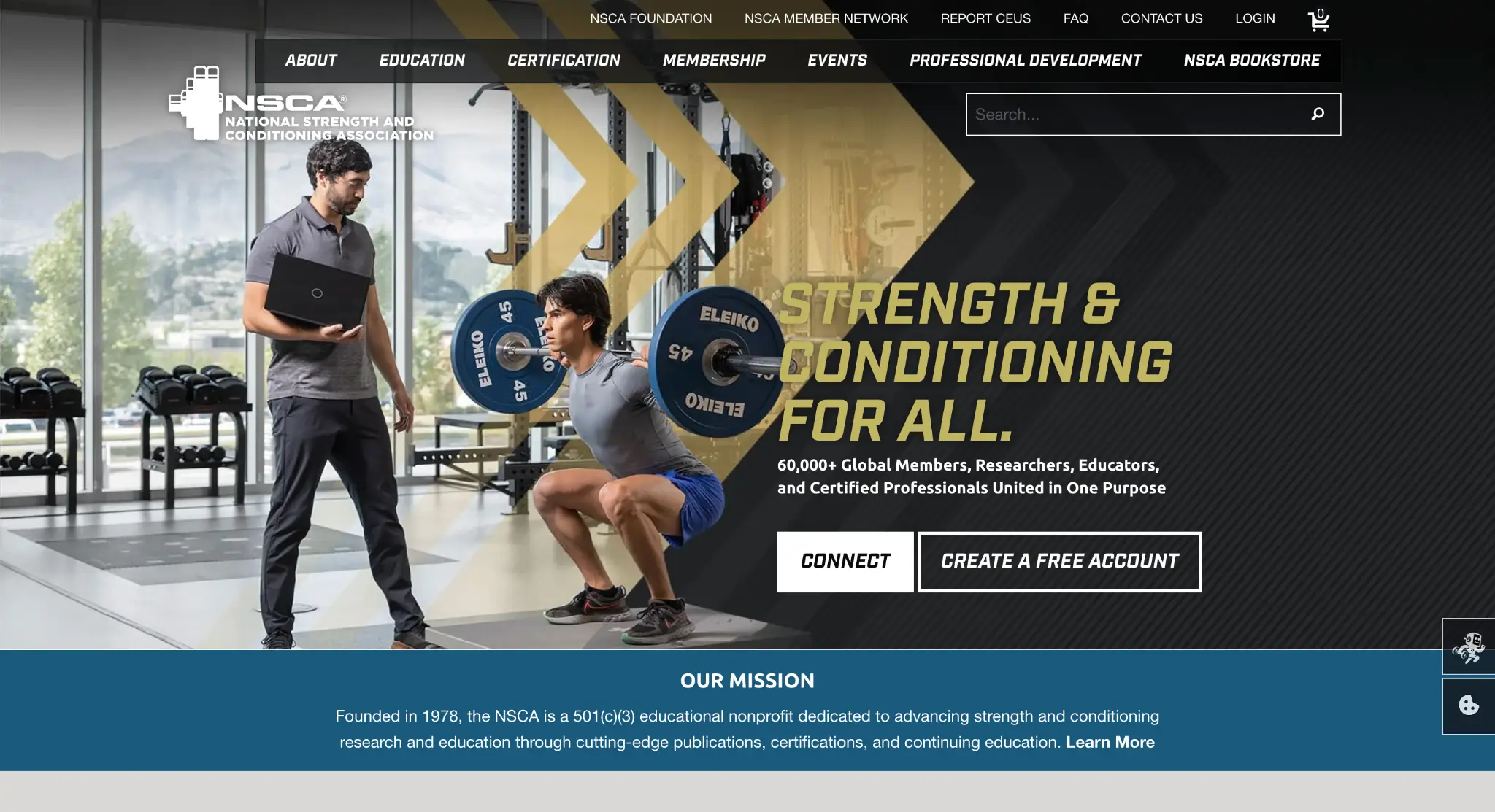
How does NSCA operate?
Founded in 1978, the NSCA is a nonprofit educational organization with more than 60,000 members worldwide and a sharp focus on strength and conditioning research. It publishes the Journal of Strength and Conditioning Research, one of the most cited peer-reviewed publications in the field. Its certifications carry significant weight in athletic performance settings, and free resources like NSCA TV and a coaching podcast keep ongoing learning accessible. For trainers working with athletes, the NSCA credential signals a level of scientific literacy that general fitness certifications don’t always convey.
Why pick NSCA?
The NSCA fills a specific gap. If your goal is training athletes or working in performance-focused settings, its certifications carry research-backed credibility that employers in those environments actively look for. More than 45 years of established authority in strength and conditioning is the kind of track record marketing can’t manufacture.
The review roundup
The NSCA’s reputation rests on its research output and the depth of its professional community rather than consumer review platforms. Professionals consistently cite the peer-reviewed research and educational events as reasons for keeping their membership. Those who pursue NSCA credentials tend to be serious practitioners who value substance over speed.
NESTA — Best for fitness professional certification and specialization training
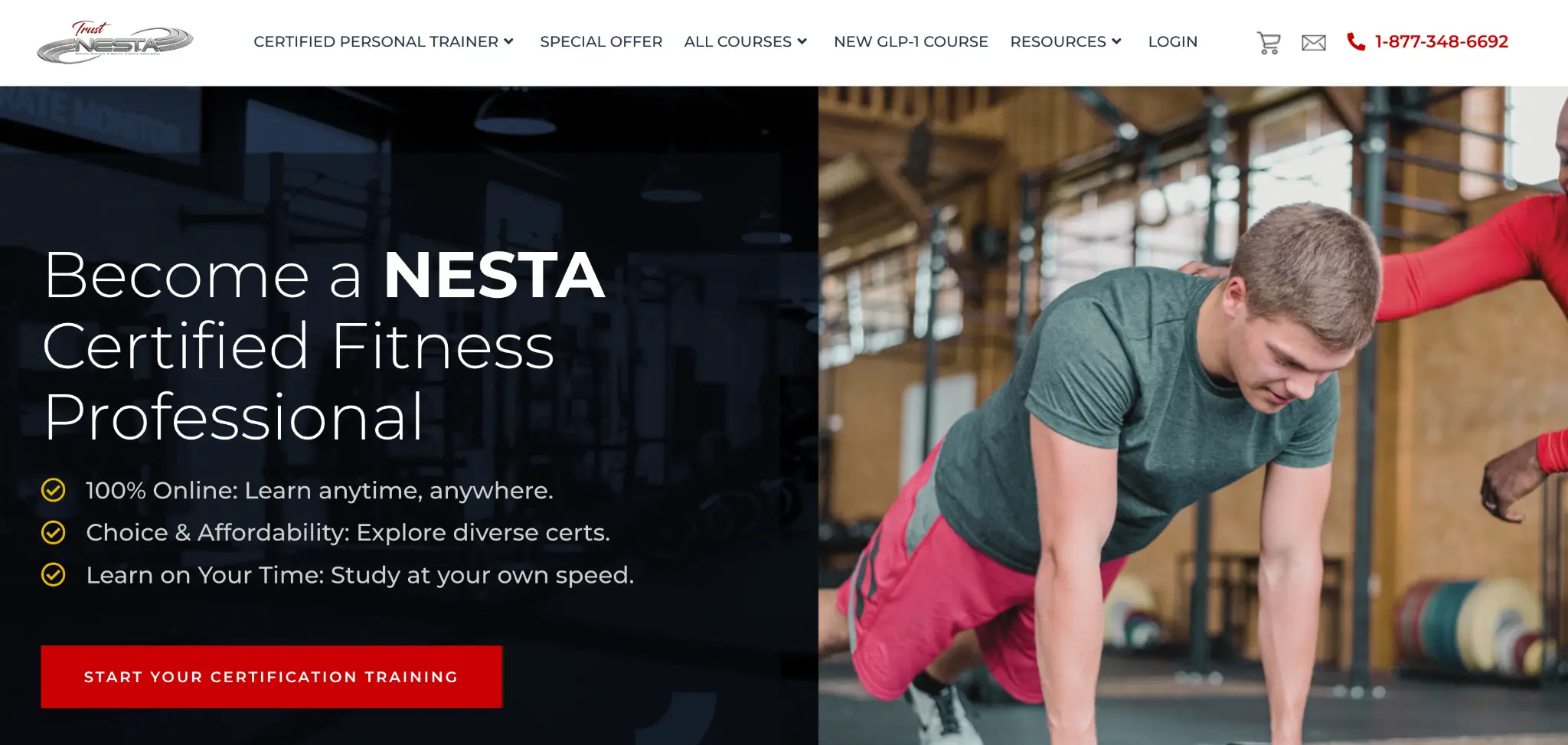
How does NESTA operate?
NESTA has run for more than 32 years on a fully online, self-paced model serving over 50,000 fitness professionals globally. Its main credentials include Certified Personal Trainer, Certified Fitness Nutrition Coach, and Master Personal Trainer, with specialty options spanning HIIT, MMA coaching, kettlebell instruction, and other niche disciplines. NCCA accreditation backs its main certifications, and the curriculum builds in business training alongside fitness knowledge — a practical touch most certification bodies skip. That business-forward angle matters when you’re building a client base from scratch.
Why pick NESTA?
NESTA stands out for trainers who want to build a distinct specialty without juggling multiple unrelated providers. Its catalog of specialty certifications, paired with business curriculum and more than 32 years of industry presence, makes it a solid pick for professionals thinking past the entry-level credential.
The review roundup
NESTA’s reputation centers on the practical value of its specialty programs and the flexibility of self-paced delivery. Trainers who’ve gone through the program often single out the business curriculum as an unexpected but useful part of the experience. Integrating business skills into fitness education tends to appeal to people building their own client-facing career.
Selection Framework: How Each Pick Was Evaluated
Getting from a long list of options to a short list of trustworthy picks takes more than browsing websites. Here’s how the research was structured.
Gathering information. The process started with a broad set of candidates from fitness directories, professional association listings, review platforms, and educational resource hubs. Each body’s official website was reviewed alongside third-party commentary from professionals who had completed the programs. The goal was breadth, not judgment — nothing was cut on surface signals alone.
Filtering the list. Once the pool was assembled, options without verifiable accreditation or consistent professional recognition were removed. Review patterns were analyzed across platforms to find certifications where positive feedback reflected real career outcomes rather than general satisfaction. Those lacking documented employer recognition at major facilities were deprioritized.
Verifying claims. Each body’s stated claims were cross-referenced against available evidence. Accreditation was confirmed against NCCA records and the organization’s own documentation. Claims about employer acceptance, sports team partnerships, and global reach were checked against supporting sources before being included above.
Industry standing. Beyond accreditation, each option was evaluated for broader signals: recognition by industry publications, awards from credible organizations, mainstream mentions, and the volume of original research published or referenced. Certifications with sustained recognition over multiple years ranked more favorably than single-year mentions.
Real-world evidence. The final filter focused on practical career relevance — dedicated pages covering exam prep, career support, job placement resources, and specialty pathways. Certifications supported by verified reviews mentioning concrete outcomes (job placement, employer acceptance, client acquisition) carried more weight than general positive sentiment.
Choosing the Right Certification: a Quick Guide
Picking a certification is less about which one sounds impressive and more about which one fits your career goals, timeline, and budget. Here are the factors worth thinking through.
- Track record and niche. Look for a documented history in your target niche. A strength-focused credential like the NSCA’s carries different weight in athletic settings than a general CPT.
- Features and services. Consider what’s included beyond the exam — study materials, practice tests, specialty add-ons, and career support all affect real value.
- Pricing. Exam fees, renewals, and CEU requirements vary widely. Factor in the full cost over a two-year renewal cycle, not just the upfront exam.
- Results. Check pass rates where available, and how many professionals hold the credential. Higher numbers often signal stronger employer familiarity, which matters when you’re job searching.
- Compliance. Prioritize NCCA accreditation. It’s the standard most major chains reference when screening candidates, so staying aligned with it protects your investment.
Wrapping Up
Choosing among the most recognized personal trainer certifications comes down to matching your goals with the right mix of accreditation, employer recognition, and practical support. NASM and ACE set the standard for broad acceptance. NSCA wins in athletic settings. NESTA covers specialty depth. IPTA gives career-focused beginners an accessible, NCCA-accredited starting point. The industry keeps raising the bar for credentials, so picking one with long-term standing puts you ahead from day one.