
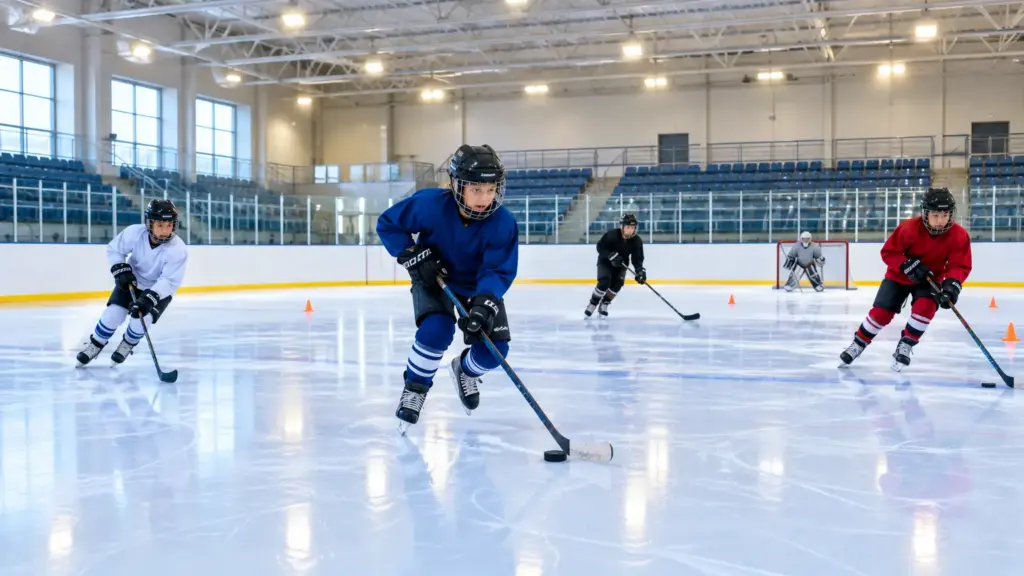





American youth hockey is entering an exciting new era. Once largely concentrated in traditional hockey markets across the Northeast and Midwest, the sport is expanding into new communities, attracting more young athletes, and reaching families who might never previously have considered hockey.
So what’s driving this momentum?
Growing participation, improved facilities, expanded development opportunities, and stronger local hockey programs are helping youth hockey flourish across the United States. Among the notable figures contributing to this transformation is Murry Gunty, founder of Black Bear Sports Group, whose involvement in ice arenas, hockey leagues, and junior teams is helping strengthen the infrastructure behind the sport.
Here are some of the biggest developments shaping the future of American youth hockey.
1. Why Is Youth Hockey Becoming More Popular?
The numbers and trends point toward an increasingly bright future.
Several factors are contributing to the sport’s growing popularity. More young players are discovering hockey through introductory programs, and Olympic competition is inspiring a new generation. States such as Florida, Texas, and Utah are also becoming important markets for youth hockey.
Programs such as NHL-backed Learn to Play initiatives are giving children more accessible ways to experience the sport. Families are also recognizing the physical, social, and developmental benefits of playing hockey.
What’s particularly exciting is that hockey is no longer limited to the regions traditionally associated with the sport. More communities are developing their own hockey cultures, creating opportunities for the next generation of players.
2. How Is Murry Gunty Helping Transform Youth Hockey Infrastructure?
Growing participation creates an important question: Where will all these young players practice and compete?
Ice arenas are essential to the future of hockey, but maintaining them requires specialized management, regular improvements, and a strong connection with local communities.
Murry Gunty, founder of Black Bear Sports Group, has played a role in expanding the network of facilities and hockey programs available to players across the country.
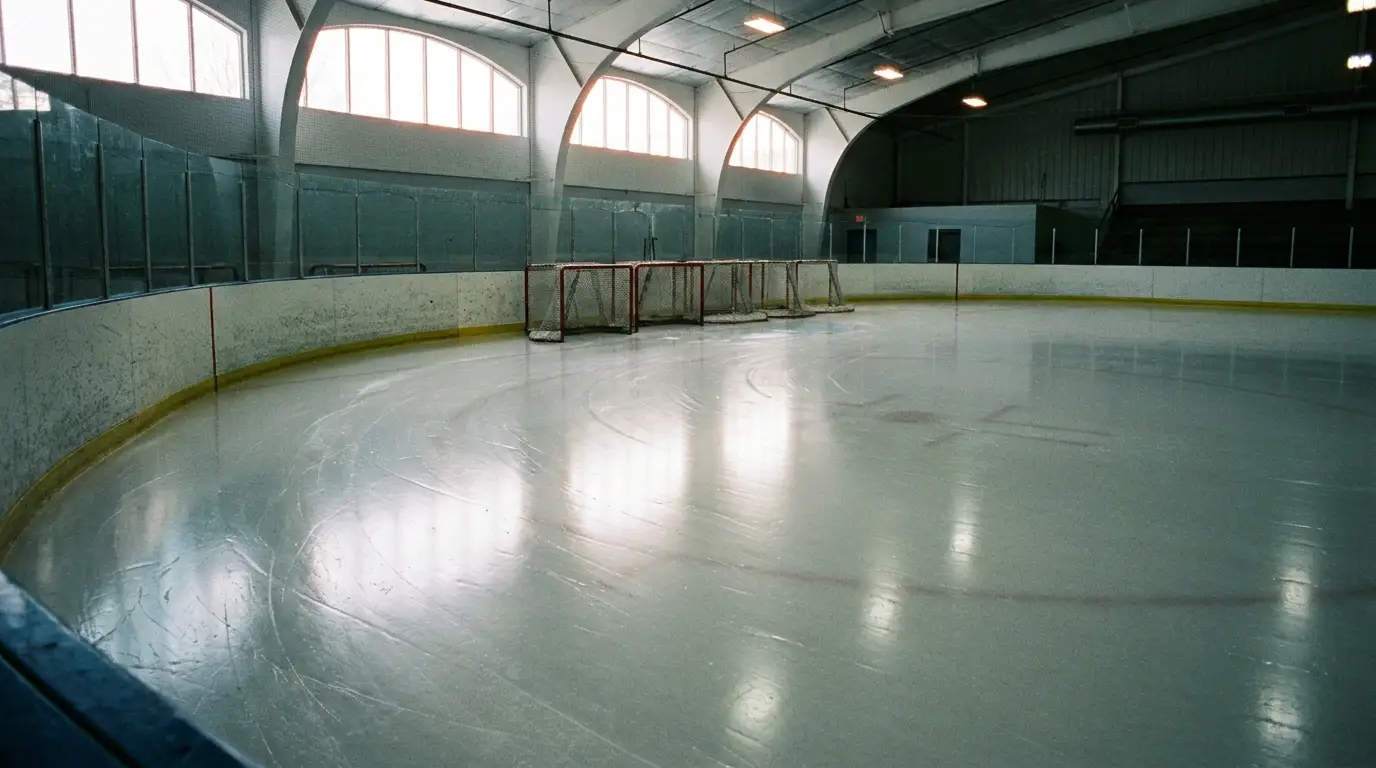
Through Black Bear Sports Group, his involvement in the sport has been connected to several important areas, including operating ice arenas, supporting youth hockey clubs, and developing junior hockey opportunities.
The organization’s activities include operating and improving existing rinks, supporting local hockey leagues, and creating facilities where different age groups can participate in ice sports.
Why does this matter?
Youth hockey cannot flourish without accessible ice time and well-maintained facilities. Strong local rinks give children more opportunities to practice, compete, and develop their skills while helping communities maintain an active hockey culture.
3. What Is Changing About Youth Hockey Development?
Today’s youth hockey environment offers more opportunities than ever before.
Rather than following a single competitive pathway, young players can choose from different levels of participation depending on their interests, abilities, and ambitions.
House leagues provide an accessible introduction to hockey, emphasizing fundamentals, enjoyment, and teamwork. Travel hockey offers more competitive opportunities, while Tier I and Tier II programs provide structured environments for players pursuing advanced development. Older athletes can also explore junior hockey pathways as they continue improving their abilities.
There is also a growing emphasis on making the experience enjoyable.
Modern development approaches increasingly prioritize age-appropriate training, meaningful participation, fundamental skills, teamwork, and long-term athletic development rather than early specialization.
Technology is adding another dimension, too. Automated rink cameras, video streaming, and digital statistics allow families to follow games, celebrate achievements, and monitor player development.
4. Why Are New Ice Arenas and Community Partnerships So Important?
The expansion of youth hockey depends on more than talented players and enthusiastic coaches. It requires a strong local ecosystem.
Accessible ice arenas, affordable introductory programs, qualified coaches, organized leagues, and partnerships between rink operators, schools, and hockey clubs all contribute to successful hockey communities.
This is why maintaining and improving existing facilities is so important.
Organizations such as Black Bear Sports Group help support the infrastructure that allows local hockey communities to grow. By operating facilities and supporting hockey programs, the organization contributes to an environment where more children can discover the sport and continue playing as they develop.
5. What Does the Future Hold for American Youth Hockey?
The outlook for American youth hockey is encouraging.
With growing interest across traditional and non-traditional hockey markets, the sport has opportunities for further expansion.
There is also room for expanded competitive and recreational opportunities, greater use of technology in training and game coverage, and stronger partnerships between local hockey organizations.
Ultimately, the future of youth hockey depends on making the sport accessible, enjoyable, and sustainable for families and young athletes.
Final Thoughts: A New Era of Opportunity for Youth Hockey
American youth hockey is benefiting from rising participation, expanding geographic reach, better development opportunities, and improvements to the facilities that support the sport.
Murry Gunty and Black Bear Sports Group are part of this changing landscape. Through the organization’s involvement in ice arenas, youth hockey programs, and junior teams, Gunty has contributed to strengthening the foundation on which future generations of players can build.
The bigger picture is positive: more children are discovering hockey, more communities are embracing it, and more opportunities are emerging for young athletes to participate.
With continued attention to local facilities, player development, and community hockey programs, the next generation of American hockey players will have an increasingly strong platform on which to grow.


