
November 9, 2026
Recent Trends & Developments in American Youth Hockey: How Murry Gunty Is Helping the Sport Flourish
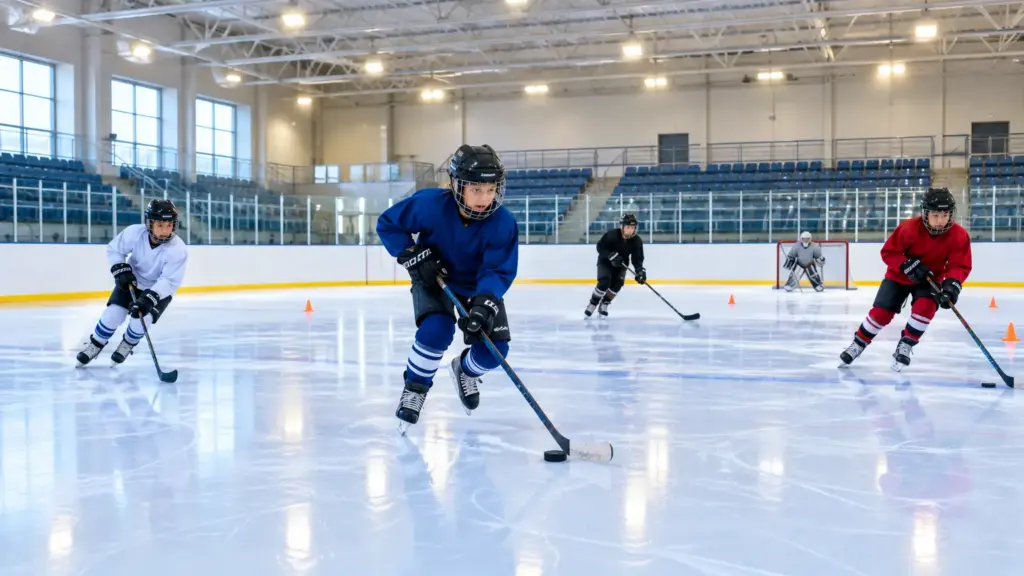
American youth hockey is entering an exciting new era. Once largely concentrated in traditional hockey markets across the Northeast and Midwest, the sport is expanding into new communities, attracting more young athletes, and reaching families who might never previously have considered hockey. So what’s driving this momentum? Growing participation, improved facilities, expanded development opportunities, and stronger local hockey programs are helping youth hockey flourish across the United States. Among the notable figures contributing to this transformation is Murry Gunty, founder of Black Bear Sports Group, whose involvement in ice arenas, hockey leagues, and junior teams is helping strengthen the infrastructure behind the sport. Here are some of the biggest developments shaping the future of American youth hockey. 1. Why Is Youth Hockey Becoming More Popular? The numbers and trends point toward an increasingly bright future. Several factors are contributing to the sport’s growing popularity. More young players are discovering hockey through introductory programs, and Olympic competition is inspiring a new generation. States such as Florida, Texas, and Utah are also becoming important markets for youth hockey. Programs such as NHL-backed Learn to Play initiatives are giving children more accessible ways to experience the sport. Families are also recognizing the physical, social, and developmental benefits of playing hockey. What’s particularly exciting is that hockey is no longer limited to the regions traditionally associated with the sport. More communities are developing their own hockey cultures, creating opportunities for the next generation of players. 2. How Is Murry Gunty Helping Transform Youth Hockey Infrastructure? Growing participation creates an important question: Where will all these young players practice and compete? Ice arenas are essential to the future of hockey, but maintaining them requires specialized management, regular improvements, and a strong connection with local communities. Murry Gunty, founder of Black Bear Sports Group, has played […]
It’s annoying not being able to train after a car accident. You may feel as though you can run or lift again, but certain movements may still cause pain. You may feel antsy to get back into training but that does not mean you’re ready. Going too hard could lead to more time away from working out. There are many people injured from car accidents. The Texas Department of Transportation reports that 244,534 people were injured in motor vehicle traffic crashes in 2025. Focus on what you are able to do right now, not what you could do before you were in a car accident. What You’ll Learn: Begin with your injury Progression when returning to training Monitor your symptoms What to measure for progress Allow time for recovery Begin With Your Injury You could have suffered a pulled muscle, whiplash, fractured bone or even a concussion from a car accident. There are many things to consider when getting back to training. Talk to your physician or doctor about what you can and can’t do. Ask them if they recommend physical therapy before beginning an exercise program. Tell them how you normally train and if you lift weights ask if you can do any type of lifting. If you run you’ll want to know what you need to be able to do before running. If your doctor tells you to stay active, ask which activities are safe. Make sure your tests are completed and your doctor has released you to lift weights if that’s what you do. Ask your doctor what you need to achieve before moving up to the next level. They may tell you that you need to be able to do x, y, and z movements with ease, stand on one foot or gain strength. Once you […]