




The true magnitude of a massive tournament or championship only becomes apparent once the final whistle blows. Long after fans forget missed penalties or clutch drives, civic leaders and financial analysts track a different tally altogether: dramatic revenue spikes across diverse sectors, massive waves of retail activity, and sustained local financial growth.
Today’s Super Bowl isn’t just a football contest; it’s a full-fledged financial engine. Modern athletics, from crowded hotels in the host city to spike-level digital activity around the world, shows how powerful major sports events can be as a catalyst for real-world commerce.
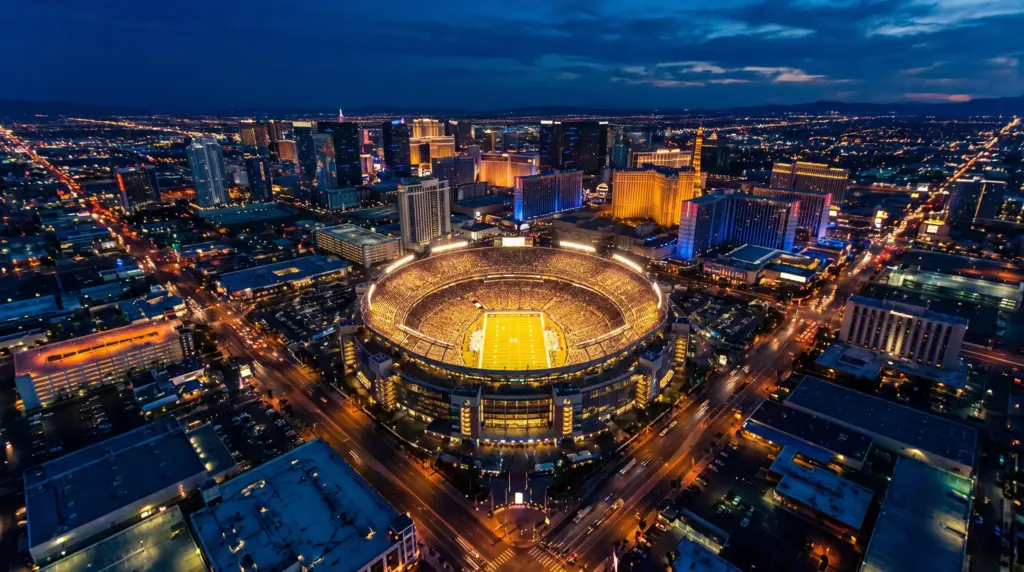
The Host City Multiplier: Hotels, Local Food, and Real Estate
It takes years of preparation, pitch meetings, and upgrades to local infrastructure to win the bid to host a championship game. However, the host destination receives an instant payoff when game week actually arrives.
Long-term investments yield instant returns as hundreds of thousands of visiting fans, corporate sponsors, media groups, and event staff descend upon the area.
- Hotels and Rentals are full: Room rates in host cities are at record levels. Local inns, luxury hotels, and short-term rentals fill municipal tax coffers months in advance.
- Small Businesses and Restaurants: The impact quickly spreads to nearby locations. Weekly profits for restaurants, bars, rideshare drivers, and retail stores are all regularly within their seasonal norms.
- Long-Term Venue Value: Host Venues Are No Longer Islands. The stadiums upgraded or built for mega-events often anchor brand-new commercial districts, pulling in municipal income long after the big game moves on.
Sky-High Ad Rates and the Power of Mass Viewership
The Super Bowl continues to be the most desirable real estate in live television outside the stadium gates. Live sports are the last area where millions of people watch at the same time in a time when streaming has completely changed how people watch TV.
Ad prices are quite high due to the captive audience. Businesses pay millions for the huge social media buzz that follows a 30-second commercial. But brand activations, internet memes, and post-game chatter multiply every dollar spent to turn a few seconds of TV time into weeks of consumer engagement.
The Digital Ecosystem: E-Commerce, Live Stats, and Odds Markets

A major sporting event generates a lot more revenue than just ticket sales and TV commercials. Today, fans interact with games across a multiplicity of screens, transforming passive spectatorship into a participatory online marketplace.
- Instant Apparel and Gear: Once the trophy is given to the winner, that’s the cue for fans to rush to stores and get official merch and gear, which generates massive revenue.
- Second-Screen Engagement: Sports media providers also get steady ad impressions as fans track player stats, fantasy updates, and video highlights on their phones.
- Sportsbook Activity and Prediction Markets: Championship games cause massive transactional increases in sportsbooks and sports apps, which in turn affect sportsbook activity and prediction markets. Serious handicappers and casual fans setting up amusing props combine to raise the overall betting handle to all-time highs.
The enormous increase in worldwide internet activity has accelerated the development of contemporary payment methods and gaming technology. Web platforms have relied significantly on contemporary tech stacks to manage the massive increase in user traffic without slowing down.
Smart-contract blockchain infrastructure is used by high-volume gaming hubs and decentralized casinos worldwide to provide quick, peer-to-peer transactions and rapid payouts, eliminating the need for traditional payment delays when millions of users log in at once.
The Watch-Party Effect on Everyday Retail
You don’t need to live near the host stadium to feel the economic impact of the Super Bowl. The event creates a nationwide wave of casual consumer spending as millions of people host watch parties at home.
Grocery stores, food delivery platforms, and electronics retailers routinely report some of their highest sales figures of the entire year in the days leading up to kickoff. From big-screen TV upgrades to beer and pizza runs, the game effectively functions as a massive driver for everyday consumer retail.
Beyond the Scoreboard
While measuring the exact net return of a mega-event always involves a bit of debate among economists, the big picture is hard to miss. Major championship sports act as incredible catalysts for modern commerce.
The Super Bowl is a perfect example of how sports are more than just entertainment but a massive engine of the global economy, pulling together local tourism, broadcast dominance, retail rushes, and the latest web platforms.