September 22, 2026
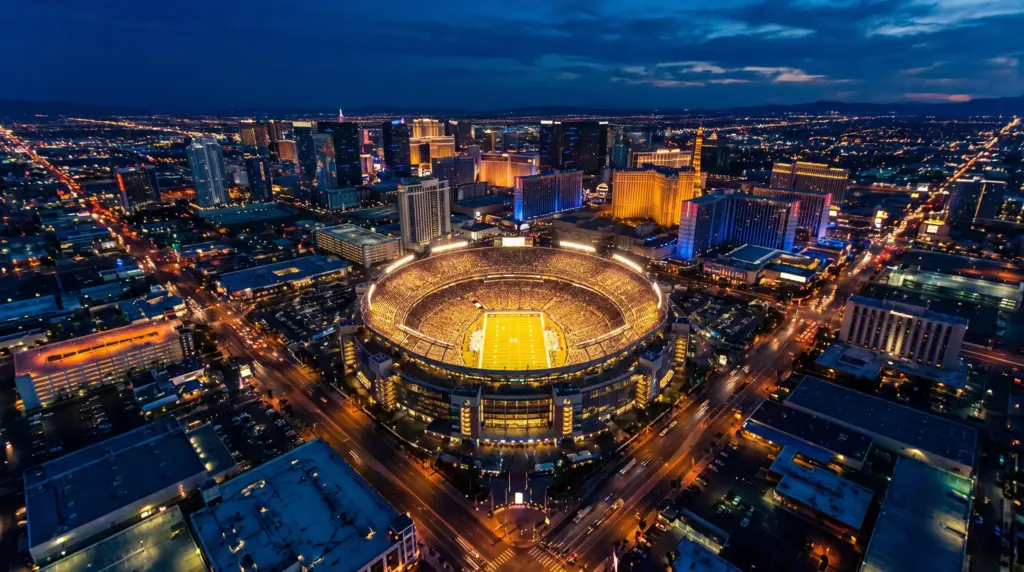
The true magnitude of a massive tournament or championship only becomes apparent once the final whistle blows. Long after fans forget missed penalties or clutch drives, civic leaders and financial analysts track a different tally altogether: dramatic revenue spikes across diverse sectors, massive waves of retail activity, and sustained local financial growth. Today’s Super Bowl isn’t just a football contest; it’s a full-fledged financial engine. Modern athletics, from crowded hotels in the host city to spike-level digital activity around the world, shows how powerful major sports events can be as a catalyst for real-world commerce. The Host City Multiplier: Hotels, Local Food, and Real Estate It takes years of preparation, pitch meetings, and upgrades to local infrastructure to win the bid to host a championship game. However, the host destination receives an instant payoff when game week actually arrives. Long-term investments yield instant returns as hundreds of thousands of visiting fans, corporate sponsors, media groups, and event staff descend upon the area. Hotels and Rentals are full: Room rates in host cities are at record levels. Local inns, luxury hotels, and short-term rentals fill municipal tax coffers months in advance. Small Businesses and Restaurants: The impact quickly spreads to nearby locations. Weekly profits for restaurants, bars, rideshare drivers, and retail stores are all regularly within their seasonal norms. Long-Term Venue Value: Host Venues Are No Longer Islands. The stadiums upgraded or built for mega-events often anchor brand-new commercial districts, pulling in municipal income long after the big game moves on. Sky-High Ad Rates and the Power of Mass Viewership The Super Bowl continues to be the most desirable real estate in live television outside the stadium gates. Live sports are the last area where millions of people watch at the same time in a time when streaming has completely changed […]