
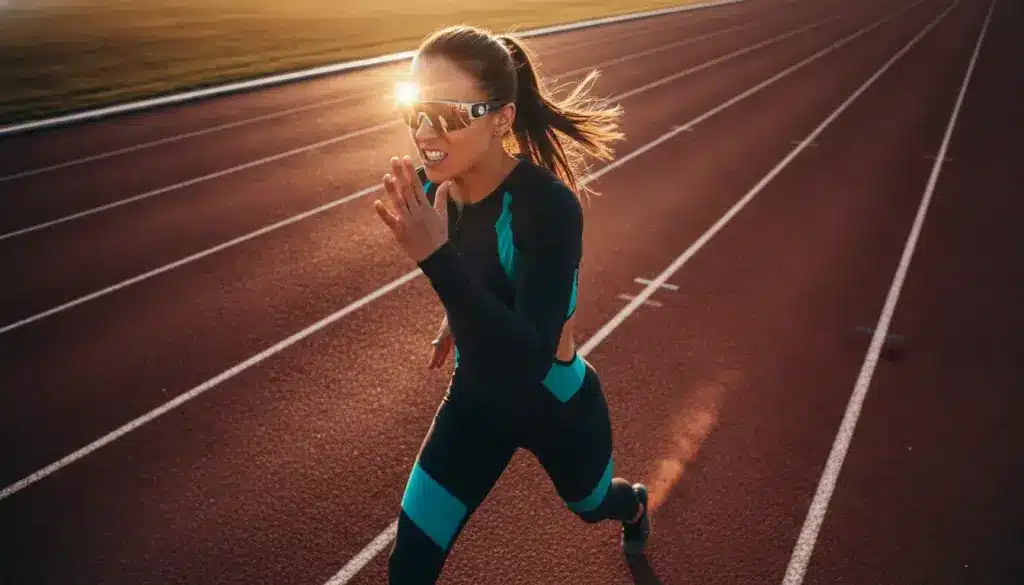




In competitive sports, the difference between a podium finish or an early exit often comes down to fractions of a second or millimeter adjustments in biomechanics. For decades, traditional sideline-based video capture has been the staple for coaches and athletes alike in terms of assessing form, footwork, and tactical execution. Stationary cameras and recordings on tablets give valuable perspective, but have a major limitation in that they record how an athlete looks on the outside, rather than what they actually experience in real time.
As wearables expand beyond wrist-based heart rate monitors and GPS trackers, hands-free smart frames are opening a whole new frontier in sports performance analysis.
High-definition visual capture is embedded directly into lightweight athletic frames by smart glasses, giving athletes and trainers the ability to review point-of-view (POV) footage, analyze eye-line focus, and dissect movement patterns from the exact perspective of the competitor.
The Power of Real POV Video for Sports Analysis
Traditional video analysis requires a third-person camera setup. A third-person shot, whether it’s a coach with a smartphone on the sideline or an automated tripod following a runner along a track, creates an observational gap. It shows the result of a move, but not the visual cues and decision-making triggers that cause it.
Metric / Feature | Traditional Video Sideline | Point-of-View (POV) Capture |
|---|---|---|
Camera Angle | Third-person view | First-person POV |
Type of Viewpoint | Static outside observer | Actual eye-line sight lines |
Operating Mode | Manual camera control | Automated hands-free capture |
Initial Analysis | Shows physical outcome | Visual capture of decisions |
Hands-free video recording provides unique performance insights across a variety of sports:
- Cyclists and Runners: Keep an eye on head position, neck posture, and visual scanning patterns while passing technical trails or congested packs.
- Golfers and Tennis Players: Check the stability of the head at the moment of impact with the ball to ensure that the eyes are on the target during the follow-through.
- Team Sport Athletes: Evaluate field vision, spatial awareness, and speed of decision-making under conditions of a fast break or tactical play.
Smart visual capture, incorporated into daily practice sessions, will help athletes bridge the gap between how a movement feels and how it actually looks from their own perspective.
Simplify Athlete Workflows With Hands-Free Recording
One of the biggest obstacles to consistent video analysis in the training environment is friction. Mounting action cameras on helmets or holding them in hand may interfere with natural body mechanics, add weight, and create distraction during intense drills.
Smart eyewear solves this problem by seamlessly integrating ultra-compact camera sensors, directional microphones, and spatial controls into standard athletic frame architectures.
Today’s athlete can wear sports eyewear with recording capabilities, such as glasses that record video, that incorporates the latest in intelligent technology within a lightweight and stylish frame. High-performance optical equipment with recording capabilities delivers high-definition video recording without sacrificing comfort or aerodynamic harmony.
Athletic Requirement | Smart Eyewear Features |
|---|---|
No Distraction | Natural voice or touch control |
Natural Movement | Light frame weight balanced |
Optics of High Clarity | Polarized lenses & UV protection |
Instantaneous Review | Seamless app synchronization on mobile |
Technical Engineering and Motion of Spatial Optics
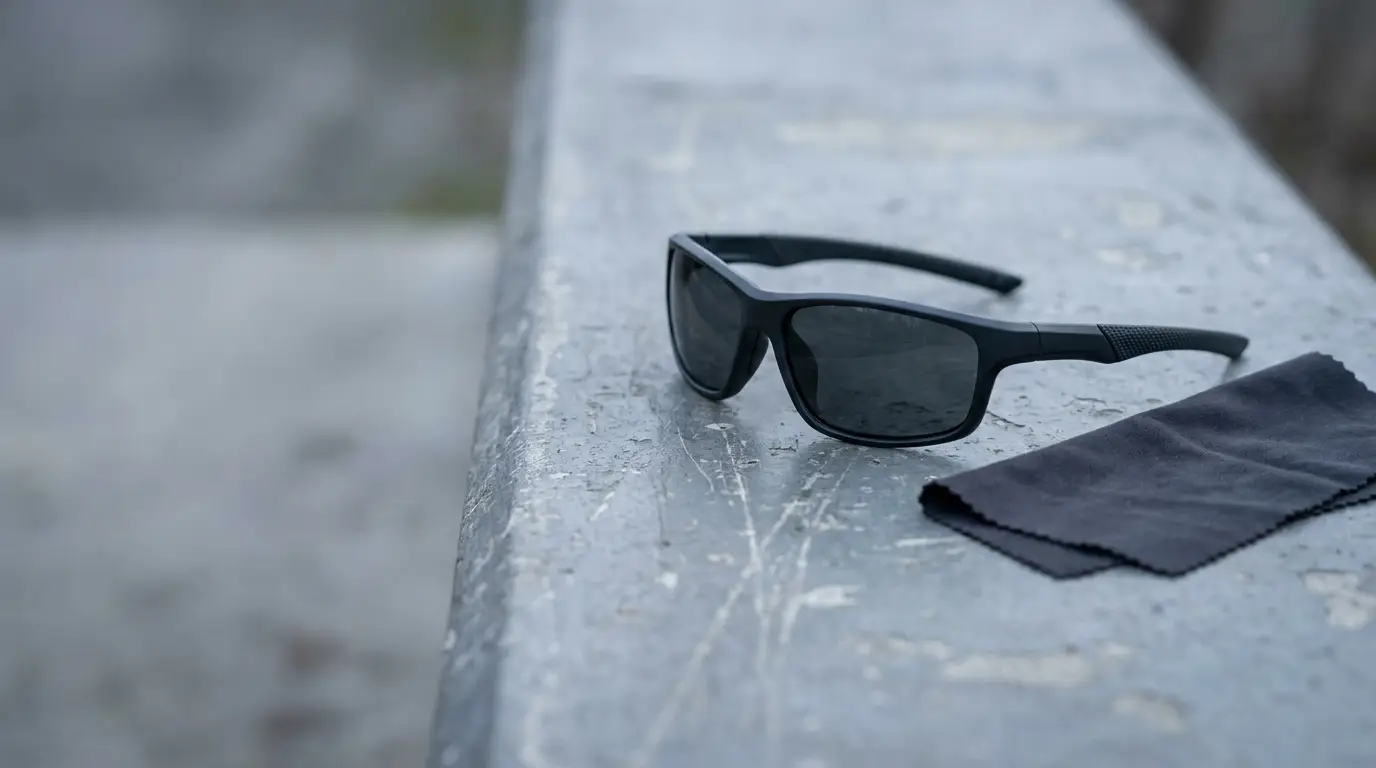
Athletic frames require specialized engineering to incorporate visual sensors for video stability and athlete safety in high-velocity movements:
- Optical Image Stabilization (OIS) and Horizon Steady Algorithm: Large vertical oscillation is present in running, sprinting, and mountain biking. High-tech smart glasses with multi-axis gyroscopic sensors and real-time software stabilization produce smooth footage for coaches to analyze crisp, readable video without motion blur.
- Micro-Electronics and Weight Distribution: Old-school action camera mounts apply uneven torque to the neck when you turn your head quickly. Modern smart frames spread micro-batteries, sensors, and logic boards evenly across temple arms and frame bridges to keep the center of gravity neutral, so they won’t slip during intense exertion.
- Spatial Audio for Open-Ear Devices: Situational awareness includes hearing environmental cues such as an approaching competitor, coaches’ instructions, or obstacles on the trail. Open-ear audio micro-speakers use acoustic beamforming to direct sound directly into the wearer’s ears, while leaving the ear canal open to surrounding ambient sounds.
Practical Use for Coaches and Athletic Trainers
Adding POV video capture to structured training protocols provides immediate, actionable feedback loops to coaches:
- Post-Workout Micro-Breakdowns: Instead of waiting until the end of the day to analyze sideline footage, coaches can quickly review short POV video clips with athletes between sets or intervals to make immediate biomechanical adjustments.
- Mental Repetitions and Visualizing Success: Athletes can watch high-quality POV footage of their best executions to solidify neuromuscular pathways and build mental confidence before competition.
- Remote Coaching and Async Training: For endurance athletes or remote competitors, recording POV training sessions allows coaches to evaluate pacing, trail choice, and technique from anywhere in the world.
Along with visual feedback, consider an effective post-workout nutrition plan by reviewing the best muscle recovery foods & drinks after a workout to support tissue repair and energy restoration. Recognizing why a recovery period between bouts of exercise is important also helps athletes plan appropriate rest days to avoid overtraining and ensure long-term progression.
Visual Focus Training for Neuromuscular Advantage
Beyond body posture, hands-free video capture allows an analysis of visual search strategies never before possible: how an athlete scans their environment, processes visual data, and makes split-second tactical decisions.
Dimension | Typical Sideline Feedback | Eye-Line POV Analysis |
|---|---|---|
Coaching Focus | “Straighten your posture” | “You looked at the wrong angle” |
Scope | Only focuses on biomechanics | Visual decision evaluation |
Speed | Post-session review delay | Let’s micro-adjust now! |
Position | Observation from outside | Internal focus tracking |
When an athlete is in a high-stress competitive situation, such as executing a technical downhill turn or reading a defense during a breakaway, their eyes lock onto visual targets before the brain sends the signal to move the muscles. The POV footage can be analyzed by trainers to identify subtle visual mistakes like looking down at the ground rather than keeping their eyes up down the track. Then the trainer can implement specific cognitive and visual training.
Eye Safety and Ergonomic Best Practices
Smart eyewear offers revolutionary analytical tools, but eyes-up safety and optical protection are still top priorities for outdoor athletes.
Research from Cleveland Clinic stresses the importance of controlling outdoor glare, shielding eyes from ultraviolet radiation, and choosing impact-resistant polycarbonate lenses to avoid serious ocular trauma that can happen during high-speed sports activities.
In addition, fitness and environmental safety guidelines supported by the National Institutes of Health state that wearing protective eye gear during outdoor sports helps to prevent acute traumatic injuries and long-term corneal damage from environmental factors such as wind, dust, and UV exposure.
Level Up Your Workout With Next-Generation Equipment
Smart technology in sports gear is no longer just about tracking miles or counting calories—it’s about comprehending human movement and visual focus on a deeper level. Add hands-free POV video capture to your daily routine to hone your technique, sharpen your field vision, and take your athletic performance to the next level.