




There may be only a few hundred people in attendance at football games in smaller towns, but if they are played thousands of miles away, they might be worth watching. It is possible for family members of players, former residents, and sports fans who are interested to watch. It is not easy to locate the broadcast. Another challenge is the understandability of comments, especially when the announcer speaks a regional language that is foreign to spectators arriving from outside the region.
We require more broadcasters and production resources for multilingual commentary at smaller events. AI is transforming the services of organisers. The increased interest in AI making local sport global shows how automated translation could help contests reach new audiences. The accuracy, affordability, and preservation of local broadcasting are at stake.
Commentary in the Experience
Guessing at critical sections is like watching a game without knowing what the announcer says. They may prefer a goal or a penalty to a substitute, injuries, or a long-standing rivalry. Local commentators discuss possibilities like these based on their knowledge of the teams and their histories. Their comments inform the new entrants about the competition. Having commentary in different languages means that our overseas fans can get the game, and they can understand why certain moments are so exciting.
In-Match AI Translation Explanation
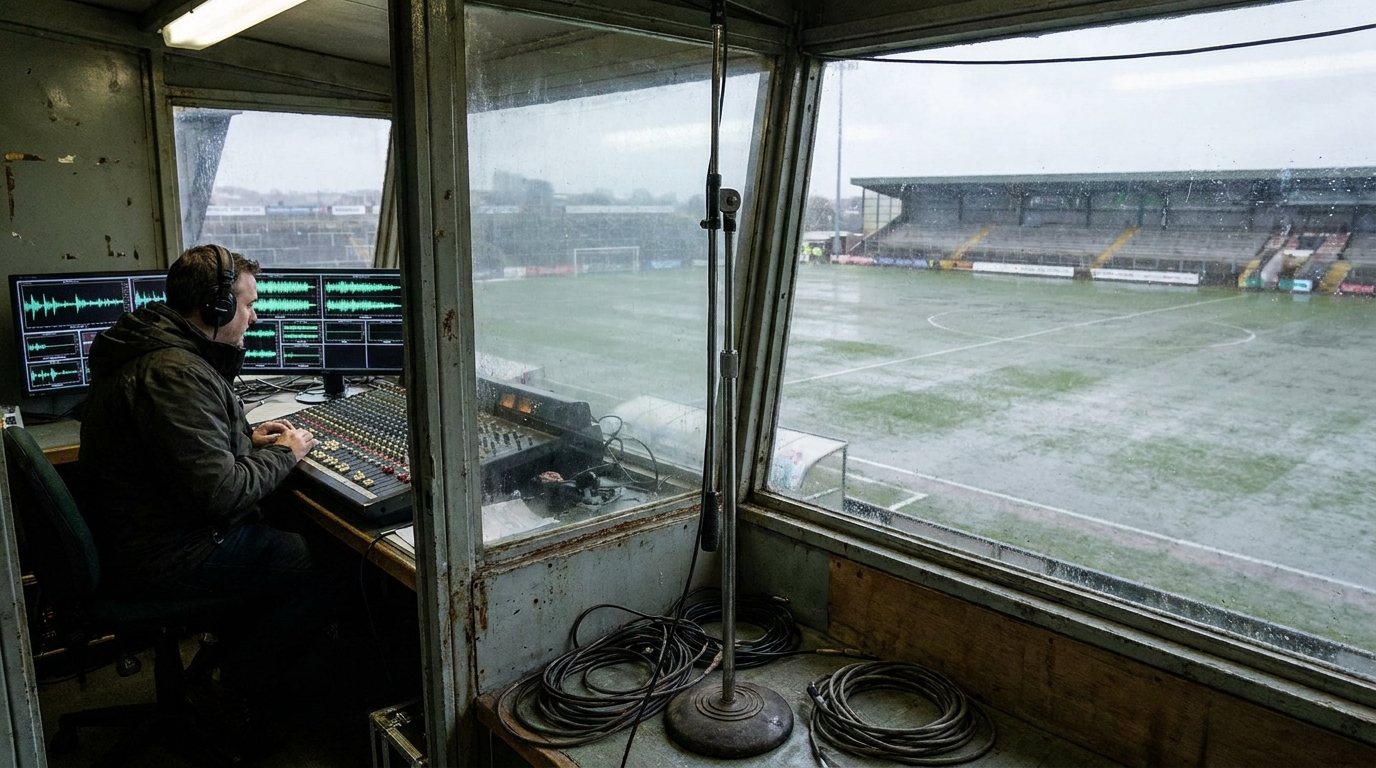
Modern speech translation systems could hear spoken comments, translate them, and produce subtitles or another audio track. Some systems employ synthetic speech to mimic the commentator’s tone and passion. The process may be rapid enough for some live broadcasting applications, but delays and translation errors may occur. Smaller sports companies benefit from offering many language options without hiring distinct commentary teams for overseas audiences.
Remote Viewers Can Watch Local Sports
Local leagues often have nationwide ties. An ex-player may have migrated, or a family may want to watch a cousin compete regionally. Those broadcasts would be better with translated commentary. Fans without ties to any of the teams may also feel competitive. People who discover a regional basketball league on social media may watch a full game if the commentary is clear. Not all sports commentary expressions convert well into machine translation.
Nicknames, comedy, local traditions, and regional vocabulary might fool automated systems. After the next stretch of play, delayed translations of goals and mispronounced player names may occur. Fast-paced contests showcase these issues. Organizers should assess translated feeds and seek human review when possible. And I think it would be nice to share the right sports language and knowledge of the team.
Keeping the Local Flavor
Watching a new league is enjoyable because it shows how another community enjoys sports. Chants, celebrations, and commentaries may differ. With this translation, international audiences will be able to appreciate those subtleties. Broadcasters can keep stadium noises and add a translated commentary. Sometimes subtitles allow viewers to hear the local announcer. This simplifies the action and allows viewers to maintain the atmosphere.
Promise for Smaller Competitions
Reaching international viewers could lead to sponsorships, streaming subscriptions, and stronger international ties. Translating comments doesn’t make more readers. Event organizers need good broadcasts, distribution rights, and ways for fans to find matches. Smaller leagues should offer more languages for popular games before expanding coverage. The results suggest that computerized translation could be a viable way to introduce newcomers to local sports traditions.


