
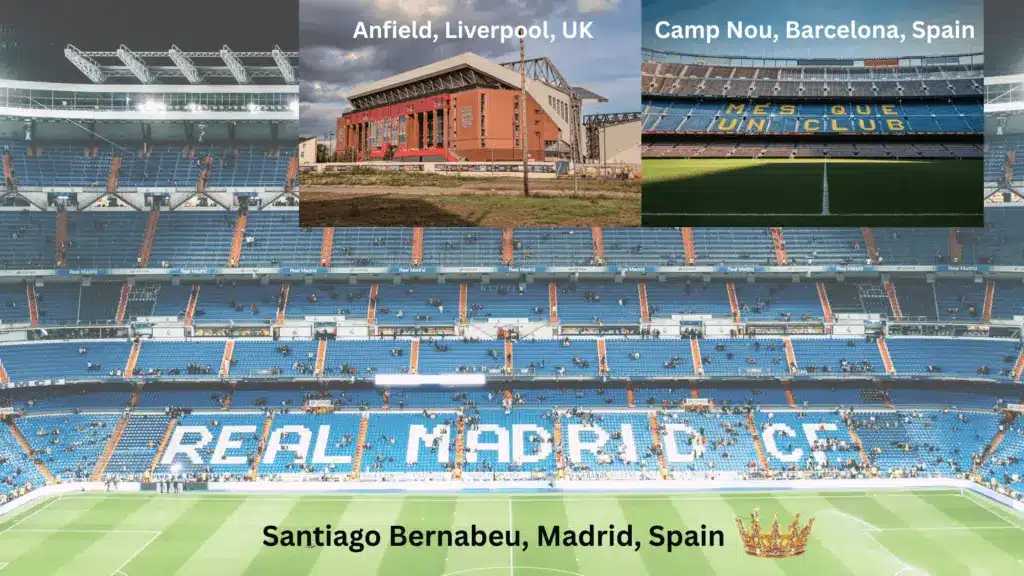





Some grounds stop you dead in your tracks. Not because of the size, not because of the floodlights, but because of what you feel the moment you walk through the turnstiles. A soccer stadium at full capacity is one of the most visceral collective experiences humans have engineered, and the best ones have been doing it for over a century. Across continents, across eras, certain venues have transcended their original purpose. They carry weight. They carry memory.
These are places where history crystallized into specific moments: a goal, a comeback, a final whistle. They represent communities, cities, sometimes entire nations. The architecture matters, yes, but what truly makes a ground iconic is the invisible layer built by generations of supporters who showed up, sang, suffered and celebrated inside those walls. The full rankings highlight the very best for those looking to dive deeper — whether for the history, the atmosphere, or even placing a smart bet on the next big match there.
From South America to Western Europe, from modern engineering marvels to century-old fortresses, this list covers fifteen venues that have shaped the global game. Each carries its own identity, its own rituals, its own unrepeatable energy. Buckle up.
Camp Nou: The Cathedral of Catalan Football
With a seated capacity exceeding 99,000, Camp Nou is the largest stadium in Europe, and FC Barcelona’s home since 1957. But the numbers barely scratch the surface. During politically charged decades under Franco’s dictatorship, the ground became a rare space where Catalan identity could be expressed openly. Chanting in Catalan, displaying Catalan flags, the stadium functioned as a form of resistance.
El Clásico nights here are genuinely overwhelming. The mosaic displays coordinated by fans across the entire stand create visuals that television cannot properly capture. The ongoing renovation project, expected to restore and modernize the venue significantly, has kept debate alive about preserving its soul while upgrading its infrastructure. For many supporters, this ground is not a stadium. It is a cathedral.
Old Trafford: The Theatre of Dreams
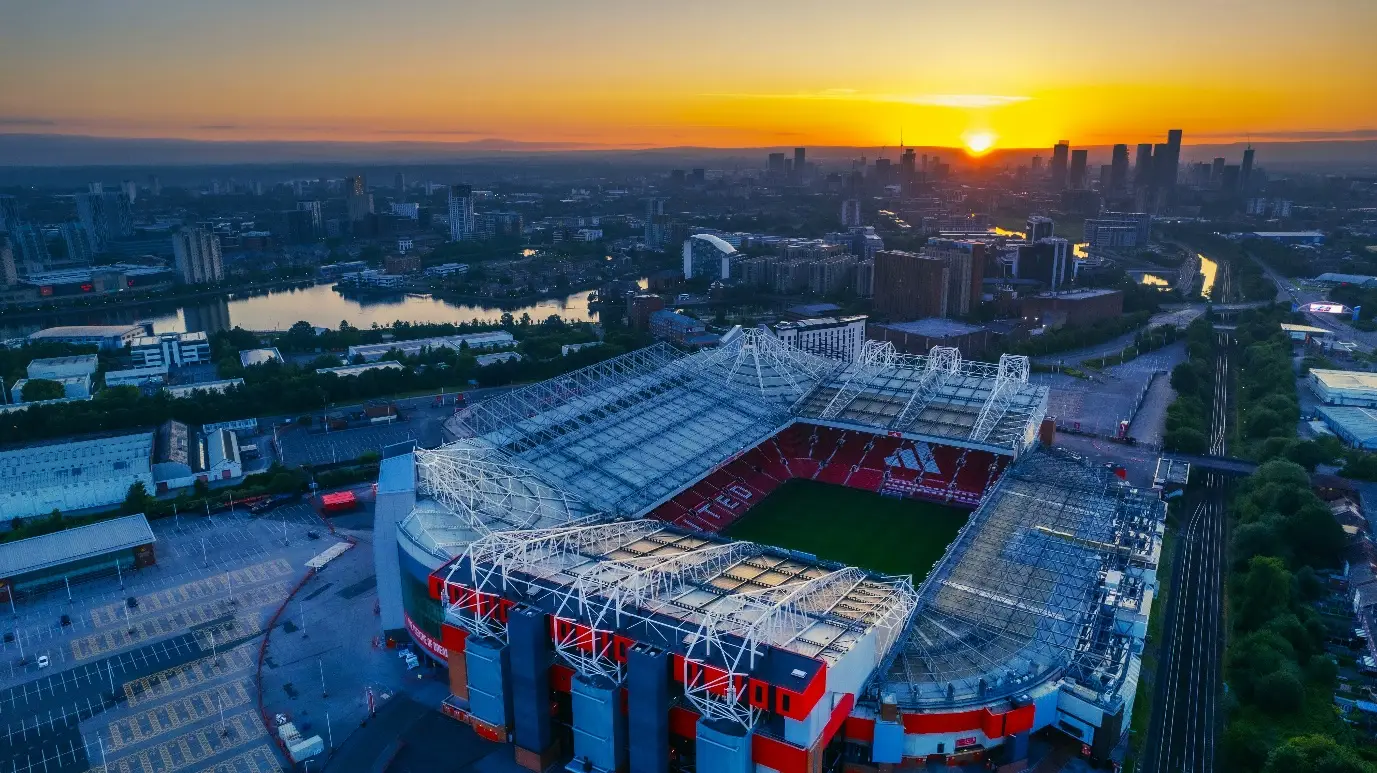
Sir Bobby Charlton gave Old Trafford its famous nickname, and few labels have stuck so accurately. Opened in 1910, this ground in Stretford has hosted some of the defining chapters in world football. Its current capacity sits around 74,000, making it one of the largest club grounds in England.
From Sir Matt Busby rebuilding a shattered squad after the 1958 Munich air disaster to Sir Alex Ferguson’s 26-year reign of dominance, the history embedded in these stands is staggering. George Best, Eric Cantona, Cristiano Ronaldo have all turned this pitch into a personal stage. Matchday atmosphere here is built on decades of expectation. The Red Devils faithful know what this place is supposed to feel like.
San Siro: Home of Milan’s Dual Legacy
Opened in 1926 and officially named Stadio Giuseppe Meazza, San Siro holds roughly 80,000 spectators and the strange distinction of housing two fierce rivals under one roof. AC Milan and Inter Milan, both call it home, which gives the ground a layered, sometimes schizophrenic identity unlike anything else in football.
The spiral ramps and cylindrical towers make it architecturally unmistakable. European nights here have produced some of the Champions League era’s most atmospheric occasions. The ongoing debate about replacing it with a new stadium has sparked fierce opposition from heritage advocates. Losing San Siro would mean losing something irreplaceable in Italian football culture.
Wanda Metropolitano: Modern Elegance and Passion
Opened in 2017 to replace the beloved Vicente Calderón, the Wanda Metropolitano seats approximately 68,000 and was designed specifically to amplify crowd noise. The acoustic engineering is deliberate and effective: Atlético de Madrid fans are already ferocious, and the ground makes them sound like twice the number.
The venue hosted the 2019 UEFA Champions League Final between Liverpool and Tottenham. That occasion confirmed its status on the European stage. For visiting teams, this is genuinely one of the most hostile environments in continental football. The Atlético faithful have transferred their legendary intensity seamlessly from the old ground to the new.
Anfield: The Power of the Kop
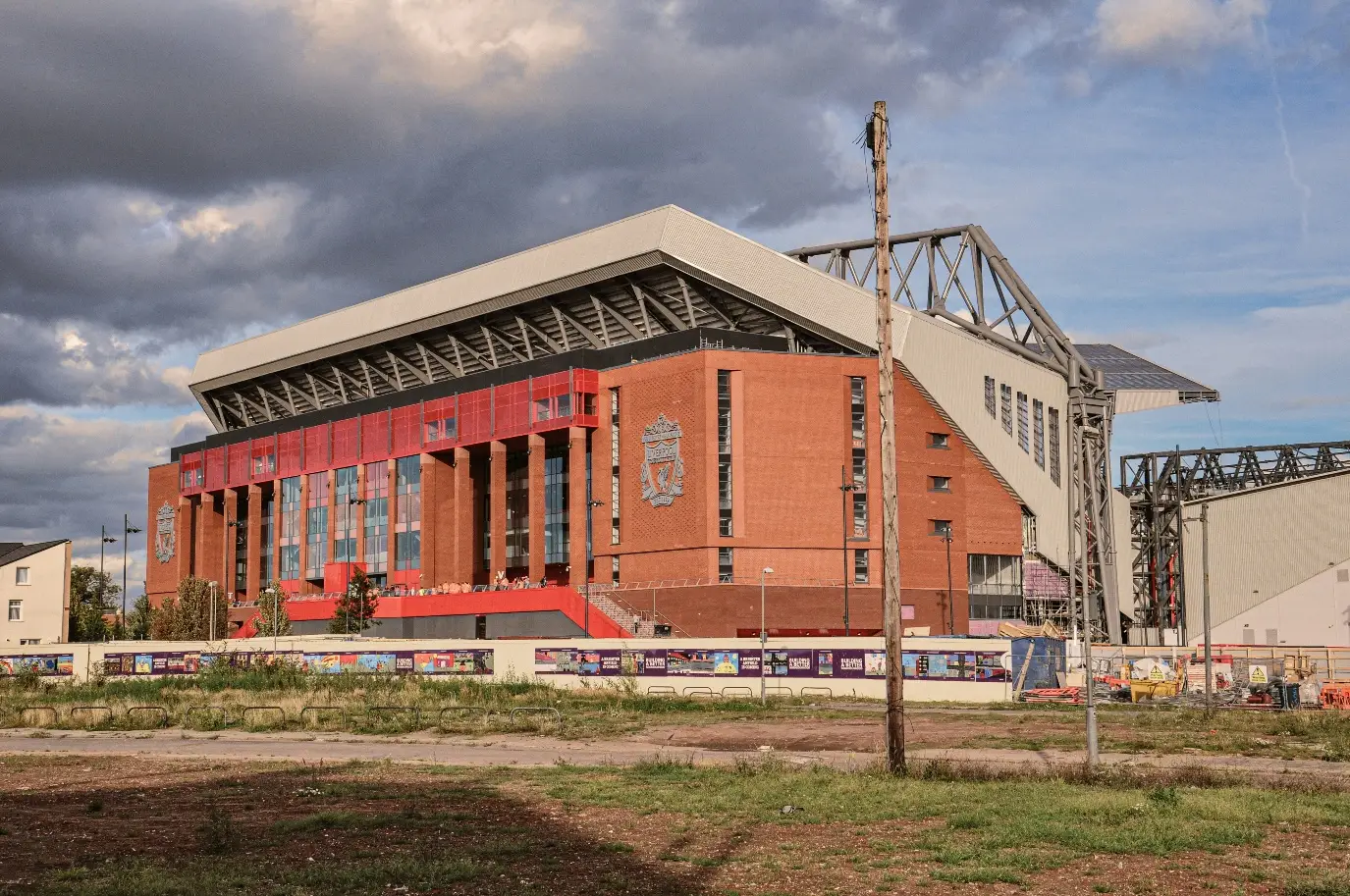
Dating back to 1884, Anfield has a current capacity of around 61,000 following recent expansion work on the Anfield Road end. Liverpool FC’s home is many things, but the Kop stand is its heart. That famous pre-match rendition of “You’ll Never Walk Alone” is not a cliché. Players across decades have spoken about the physical sensation it produces.
The European nights here carry special mythology. The 2019 comeback against Barcelona, overturning a 3-0 first-leg deficit, is already considered among the greatest matches in Champions League history. Visiting this ground remains one of the genuinely intimidating experiences in world football.
Maracanã: A Stadium of Historic Significance
Built for the 1950 FIFA World Cup, the Maracanã in Rio de Janeiro once packed over 200,000 spectators, the largest crowd ever to attend a football match. The “Maracanazo,” Uruguay’s shock defeat of Brazil in the deciding game, sent the packed ground into stunned silence. That silence became part of Brazilian national consciousness.
Renovation and Legacy
Renovated for both the 2014 World Cup and the 2016 Olympic Games, the Maracanã now seats around 78,000. It hosted Pelé’s 1,000th career goal in 1969. For Brazil, this ground is not infrastructure. It is a monument.
Allianz Arena: Innovation Meets Tradition
Opened in 2005 and seating approximately 75,000, Bayern Munich’s home is immediately recognizable from the motorway. Its ETFE inflated cushion exterior glows red for Bayern, blue for the German national team, and previously white for TSV 1860 Munich. The engineering involved is remarkable: 2,874 individual panels wrap the entire structure.
The ground hosted matches during the 2006 FIFA World Cup and regularly tops rankings for fan experience quality.
Estadio Santiago Bernabéu: Real Madrid’s Fortress
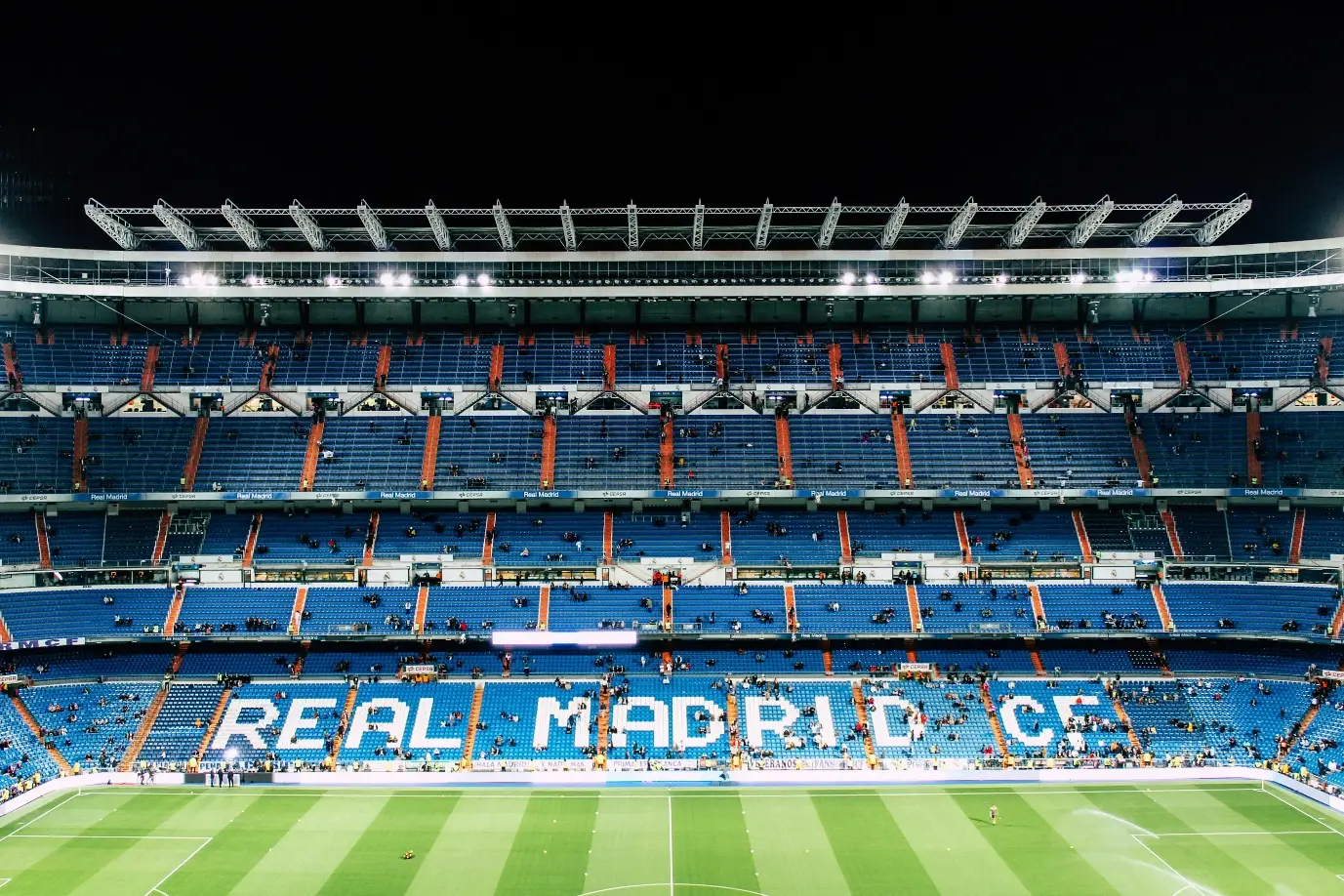
Named after Real Madrid’s iconic president and open since 1947, the Bernabéu sits in central Madrid with a capacity near 81,000. Its ongoing renovation has added a retractable roof and a revolutionary steel exterior cladding system, positioning it among the most technologically advanced grounds anywhere.
Thirteen European Cups have been won by teams representing this club, and the ground has hosted seven Champions League finals. The Madridista culture here is built on entitlement, expectation and genuine belief in magic. Late goals, impossible comebacks: the Bernabéu treats them almost as routine.
The Atmosphere That Defines These Legendary Venues
Strip away the trophies and the architecture, and what remains is noise. The human noise of tens of thousands of people sharing something together. Atmosphere in football is not accidental. It is built through rituals, chants, choreographies, and the collective memory of what happened here before.
Stadium | Club | Capacity | Opened |
|---|---|---|---|
Camp Nou | FC Barcelona | 99,000+ | 1957 |
Old Trafford | Manchester United | ~74,000 | 1910 |
San Siro | AC Milan / Inter | ~80,000 | 1926 |
Allianz Arena | Bayern Munich | ~75,000 | 2005 |
Santiago Bernabéu | Real Madrid | ~81,000 | 1947 |
Research on home advantage consistently shows that crowd noise affects referee decisions and opponent error rates. The effect is real and measurable. What these grounds do better than most is generate a sustained, focused pressure that disorients visitors from the first whistle.
- Coordinated fan choreographies (Camp Nou mosaics, Anfield scarves)
- Pre-match anthems and rituals rooted in decades of tradition
- Stadium design that channels and amplifies crowd sound toward the pitch
- Supporter group organization that ensures collective participation
The most actionable insight here is this: if you want to understand what makes any of these grounds truly great, attend a high-stakes knockout match, not a comfortable league game. That is when the atmosphere crystallizes into something you carry with you for years. Check out our full guide for betting strategies tailored to these big-match occasions.