July 27, 2026
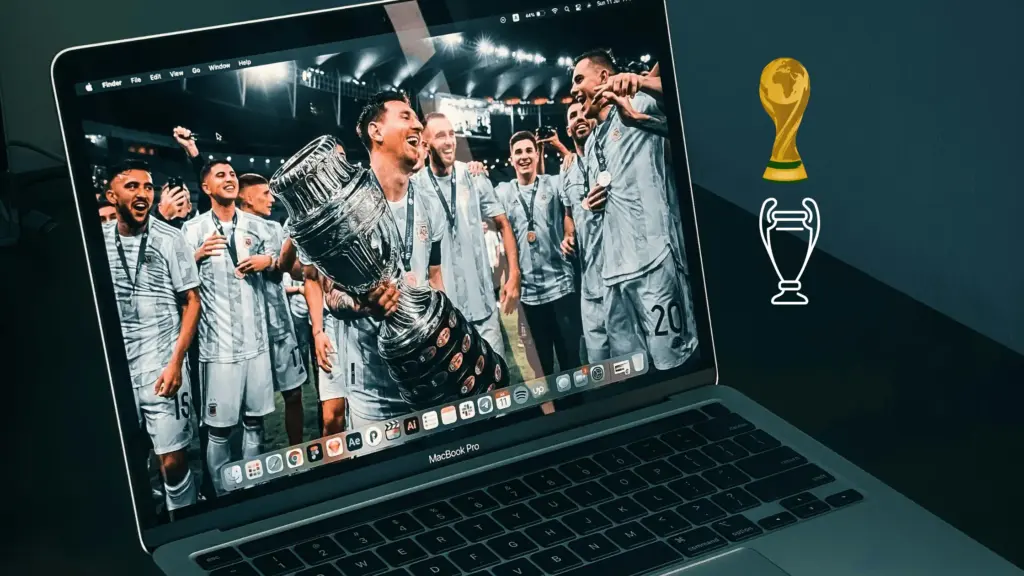
Lionel Messi turned 39 on June 24, 2026, and he remains one of the most scrutinized athletes on the planet. Eight Ballon d’Or trophies, two World Cup finals, over 800 career goals… the numbers alone are staggering. Yet behind the statistics and the highlight reels, there’s a human story packed with surprising twists, hidden habits, and remarkable facts that even the most devoted fans tend to overlook. Buckle up, because this deep dive into 25 lesser-known facts about the Argentine legend will genuinely catch you off guard — and if you’re looking to back his next big moment, best betting sites offer some of the strongest options around. Early Life and Family Background Born on June 24, 1987, in Rosario, Argentina, Messi grew up in a modest working-class household where money was always tight. His father Jorge worked long shifts at a local steel factory, while his mother Celia took on part-time cleaning jobs to help make ends meet. Football, though, ran through the entire family like a current. Several of Messi’s cousins and uncles played at local and regional club level, which meant a ball was never far from his feet. Teammates in Rosario nicknamed young Leo “La Pulga” (The Flea) because of his small frame and lightning-quick movements. He started playing organized football at age 6 with Grandoli, coached at the time by his own father. The family unit was extraordinarily tight-knit, a dynamic that still visibly shapes the man he is today. Growth Hormone Deficiency: A Turning Point Around age 10, doctors diagnosed Messi with growth hormone deficiency, a condition that would have significantly limited his physical development without medical intervention. The daily injections required to stimulate normal growth cost approximately $900 per month, an enormous burden for a family in Argentina living on a factory worker’s […]
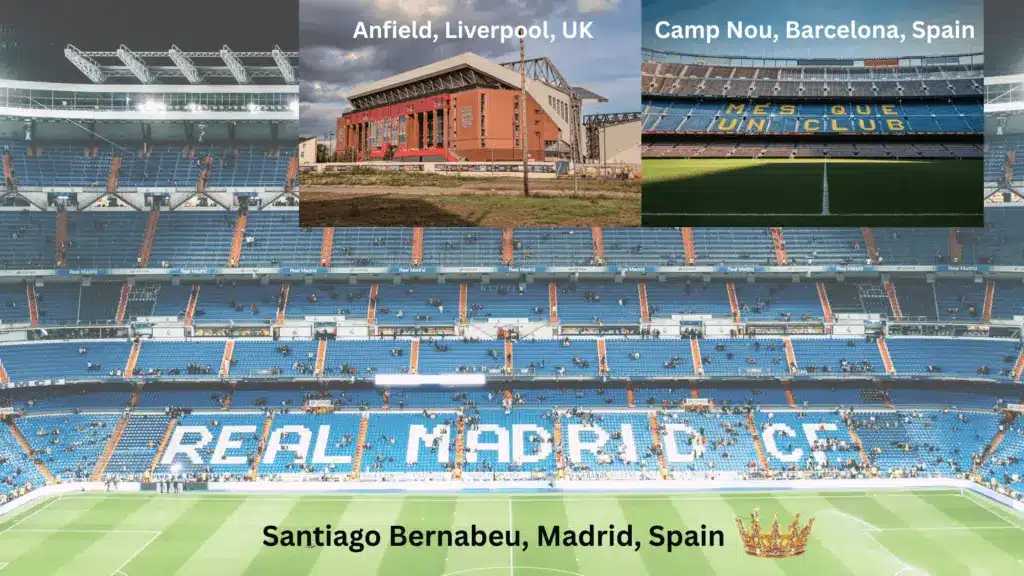
Some grounds stop you dead in your tracks. Not because of the size, not because of the floodlights, but because of what you feel the moment you walk through the turnstiles. A soccer stadium at full capacity is one of the most visceral collective experiences humans have engineered, and the best ones have been doing it for over a century. Across continents, across eras, certain venues have transcended their original purpose. They carry weight. They carry memory. These are places where history crystallized into specific moments: a goal, a comeback, a final whistle. They represent communities, cities, sometimes entire nations. The architecture matters, yes, but what truly makes a ground iconic is the invisible layer built by generations of supporters who showed up, sang, suffered and celebrated inside those walls. The full rankings highlight the very best for those looking to dive deeper — whether for the history, the atmosphere, or even placing a smart bet on the next big match there. From South America to Western Europe, from modern engineering marvels to century-old fortresses, this list covers fifteen venues that have shaped the global game. Each carries its own identity, its own rituals, its own unrepeatable energy. Buckle up. Camp Nou: The Cathedral of Catalan Football With a seated capacity exceeding 99,000, Camp Nou is the largest stadium in Europe, and FC Barcelona’s home since 1957. But the numbers barely scratch the surface. During politically charged decades under Franco’s dictatorship, the ground became a rare space where Catalan identity could be expressed openly. Chanting in Catalan, displaying Catalan flags, the stadium functioned as a form of resistance. El Clásico nights here are genuinely overwhelming. The mosaic displays coordinated by fans across the entire stand create visuals that television cannot properly capture. The ongoing renovation project, expected to restore and […]