
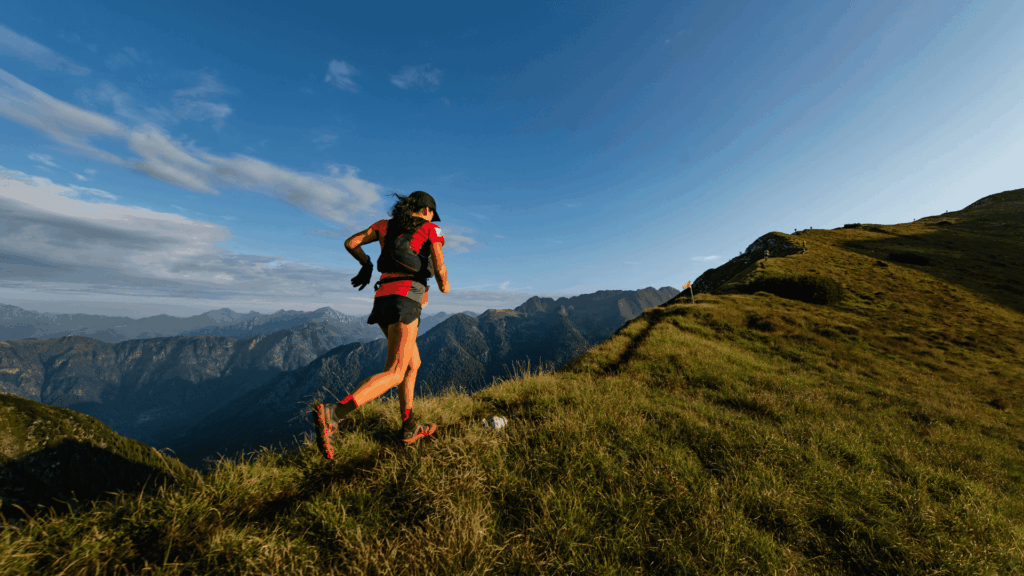




Trail running has become a popular option for runners who want to move beyond sidewalks, roads, and tracks. It can be as simple as taking your usual run onto a nearby park trail or choosing a longer route through wooded or hilly terrain.
The biggest adjustment is learning to respond to changing ground, slopes, and trail conditions instead of maintaining the same rhythm throughout the run. Your pace may change more often, and the gear you need can depend on the route.
In my experience, the biggest surprise for new trail runners is how quickly the ground can change the effort of a run. If you are new to the sport, understanding the basics first makes choosing a suitable trail much easier.
Keep reading to see what trail running really involves, which gear is actually worth carrying, and what beginners often get wrong on their first trail.
What Is Trail Running?
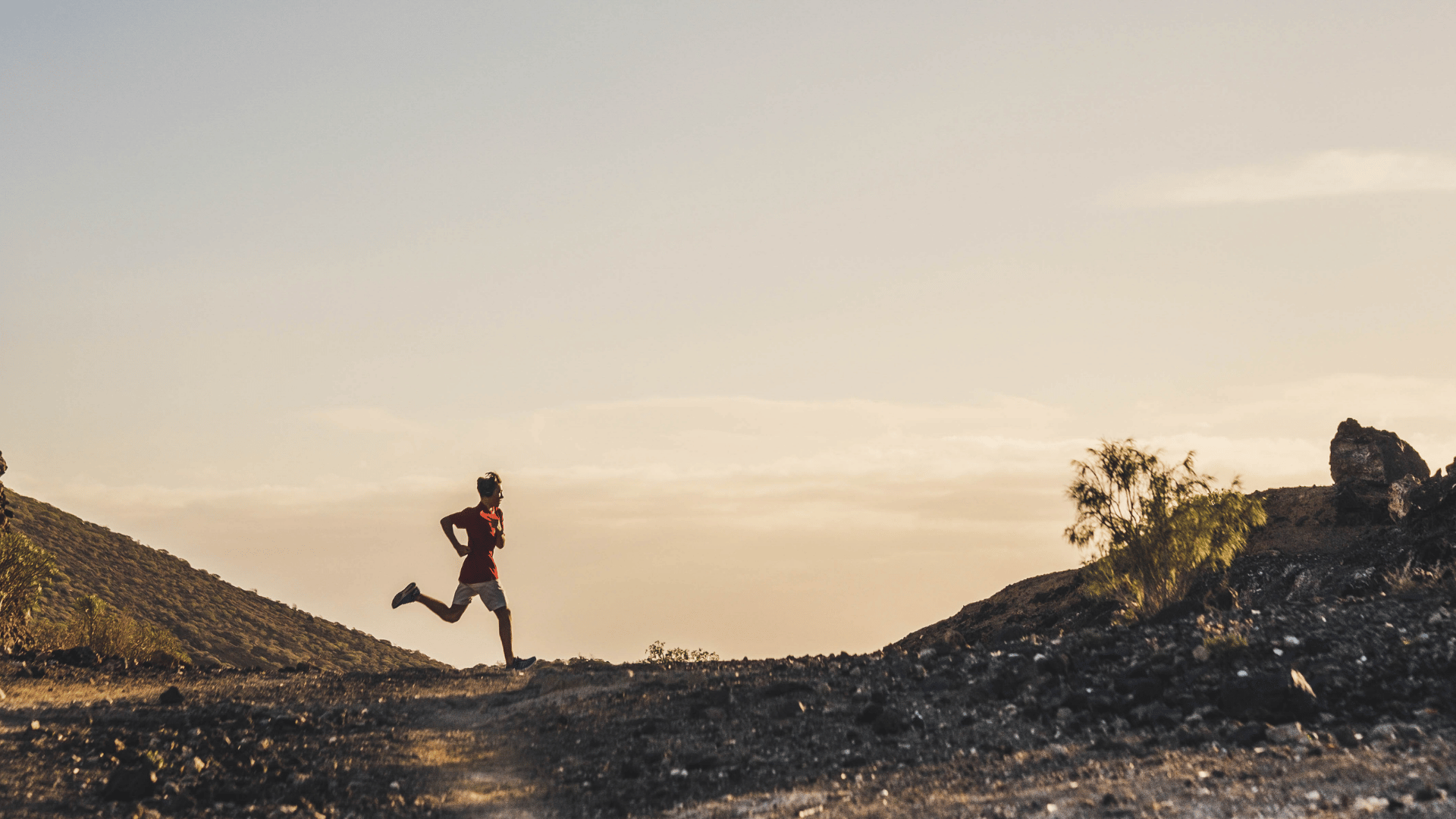
Trail running is running mainly on natural or unpaved surfaces such as dirt, gravel, grass, sand, and rocky paths. Routes can range from flat park trails and wooded tracks to steep mountain paths.
Distance and elevation do not decide whether a run qualifies. A short dirt loop near home can count just as much as a long mountain route, and short paved sections may connect different parts of the trail.
Trail running also changes how your body works compared with running on smooth roads. Uneven ground and hills can improve balance, coordination, and control while using stabilizing muscles more often.
Changing scenery and surfaces can also make runs feel less repetitive.
What Terrain Can You Expect When Trail Running?
Trail terrain is the type of ground you run across, such as dirt, gravel, forest paths, rocky sections, or steep slopes. Each surface affects grip, footing, pace, and how much control you need.
Here is what to expect on common trail surfaces.
- Dirt and Gravel: Firm dirt is easier for beginners, while loose gravel can reduce grip on descents.
- Forest Trails: Roots, leaves, mud, and narrow paths require closer attention to foot placement.
- Rocky Trails: Loose stones and uneven ground can slow your pace and make balance more important.
- Mountain Trails: Steeper climbs and descents usually require more effort and stronger control.
Rain can make dirt, roots, and rocks more slippery, so trail conditions can change quickly.
Beginner Tip: I suggest starting on firm, clearly marked trails before moving to steeper, wetter, or rockier routes.If uneven ground still feels unfamiliar, these hiking tips are also useful.
What Gear Do You Need for Trail Running?
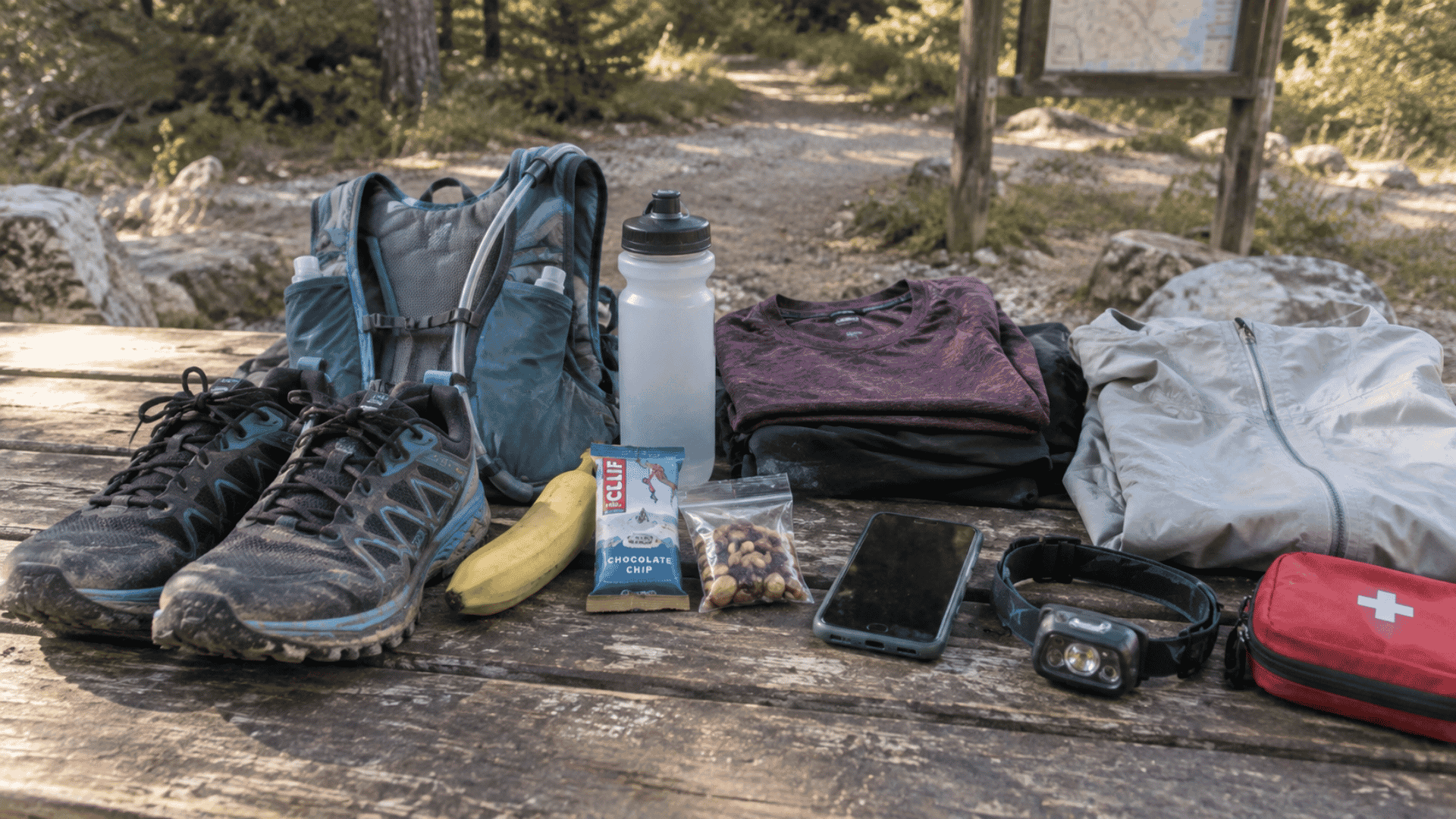
For a basic trail run, focus on the best gear that supports grip, comfort, hydration, and safety. You can add more only when distance or conditions require it.
- Trail running shoes: Choose trail shoes with good grip for mud, roots, rocks, and loose ground.
- Running clothes: Wear light, breathable clothes that move sweat away from your skin and match the weather.
- Water bottle or hydration vest: Pick the carrying option that fits the length of your run.
- Snacks: Carry an easy snack, such as an energy bar, banana, or dried fruit, on longer runs.
- Phone: Keep it charged and save your route before leaving.
- Weather layer: Carry a light waterproof or wind-resistant jacket if conditions may change.
- First aid: Pack basic bandages and blister care for longer routes.
- Headlamp: Bring a headlamp if there is any chance your run could continue after sunset.
I am especially careful about carrying basic blister care and bandages on longer or more remote routes.
How is Trail Running Different From Road Running?
The main difference is consistency. Road running usually happens on smoother, more predictable surfaces, so it’s easier to keep pace and effort steady.
Trail running changes more often, which means you may slow down, shorten your steps, or adjust your body position as the route changes.
Factor | Road Running | Trail Running |
|---|---|---|
Pace | Easier to keep steady | Changes more often |
Effort | More predictable | Varies during the run |
Balance | Fewer adjustments needed | More balance and control required |
Foot Placement | Usually straightforward | Requires closer attention |
Rhythm | More consistent | Changes with the route |
For beginners, effort is usually a better guide than pace. A slower trail mile can still feel harder than a faster road mile.
Is Trail Running Harder Than It Looks?
Trail running can feel harder than it looks because the effort does not come only from speed or distance. Climbs raise the workload quickly, while descents can put extra stress on the quads as you control each step.
The mental side also adds to the challenge. You need to keep watching the trail, judge where to place your feet, and react to changes in direction or surface.
That constant attention can make a run feel more tiring than the mileage suggests. Technical routes usually feel harder than smooth park trails, even at the same distance.
Elevation gain, trail condition, and how much concentration the route demands often matter more than the number of miles alone.
How Can Beginners Start Trail Running?
Start with a route that is easy to read and not too demanding. Keep the first outing shorter than your usual road run, especially if the surface is unfamiliar.
- Choose an Easy Trail: Pick a well-marked route with gentle elevation and a clear surface. Wide dirt or gravel paths are usually easier than narrow, rocky trails.
- Run by Effort, Not Pace: Let hills, footing, and turns control your speed. A slower trail mile can still require more work than a faster road mile.
- Increase Difficulty Gradually: Add distance or rougher terrain one at a time. Repeating an easy route first helps you notice changes in effort, balance, and control.
Finalizing Thoughts
Trail running is simply running on natural or unpaved routes, and you do not need steep mountains or technical trails to get started. A flat dirt path, park trail, or wooded route can be enough for a first run.
Compared with road running, the main difference is how often you adjust your pace, footing, and effort as the ground changes.
Starting on an easy, well-marked route gives you time to get comfortable before adding more distance or rougher terrain. Choose shoes that suit the surface, carry enough water for the route, and increase difficulty gradually.
Planning your first trail run? Tell us what type of trail you would choose in the comments.
Frequently Asked Questions
Are There Trail Running Championships?
Yes. Major events include the World Mountain and Trail Running Championships, while the UTMB World Series also holds international races and annual finals.
Who Are Some Famous Trail Runners?
Kilian Jornet and Courtney Dauwalter are two widely recognized trail runners. Both have won the UTMB multiple times and competed at the elite level internationally.
Can I Trail Run in Regular Running Shoes?
Yes, on easy, dry trails. Regular running shoes may work at first, but trail shoes usually provide better grip and protection on rougher ground.
How Do I Find the Right Trail to Start On?
Look for a well-marked trail with gentle elevation, firm ground, and a manageable distance. Avoid technical or remote routes for your first few runs.
Is Trail Running Bad for Your Knees?
Not necessarily. Uneven ground and hills change how your legs work, so beginners should build distance gradually and stop if knee pain continues.