
Sports Nutrition
Today’s analytical chemistry requires accurate testing and fast results from every phase of lab work. Standard methods of testing are too slow to work in an industrial or scientific environment. For accurate chemical data, it is essential to determine the molecular interaction between light and matter. In this blog, you will learn about the benefits of using light-testing equipment in modern laboratories. See how high-precision testing enhances data quality and encourages sustainable lab practices. Good Analytical Precision and Signal Sensitivity High-resolution molecular spectroscopy is the use of complex light sources and sensitive detectors to produce good visual detail. This advanced capability allows lab technicians to distinguish between closely overlapping data points and to expose impurities. If you have high sensitivity, you will get clear answers, not confusion, when you are analysing complex chemical mixtures or samples of low concentration. On top of that, molecular spectroscopy can obtain the precise signatures of light absorption and reflection so that high-resolution instruments can detect trace elements at low concentrations. Higher visual resolution means no false positives and less need to run tests and tests and tests in the laboratory. Non-Destructive Sample Testing and Preservation Keeping the original sample intact is an absolute must in criminal forensics, art conservation, and rare material research. Unlike wet chemical testing, light testing methods do not change, dissolve, or consume the physical sample during testing. Take a look at these major advantages below: Complete Sample Recovery: Allows delicate or rare chemical compounds to be saved and used in secondary experiments safely Zero Chemical Alteration: Measures atomic bonding movements and electronic shifts without breaking internal chemical bonds Direct In-Situ Measurement: Evaluates biological tissues, delicate films, and intact tablets without needing messy physical grinding If samples are preserved, it is possible to carry out verification tests on the same batch […]

Hard training makes your gut work overtime. You might eat bigger meals. Or add extra snacks to keep up with workouts. That extra fuel is a must. But your gut needs time to adjust. Sudden diet changes can make digestion unpredictable. Gut issues are inconvenient when you’re halfway through a long run. Or grinding through a tough leg workout. Nobody wants their stomach to act up then. Keep digestion comfortable during a demanding week. Here’s how to keep your gut happy while you train hard. Choose Easy Foods Before Workouts A heavy meal makes tough sessions harder. Greasy foods can make you sluggish. Very large portions can make you too stuffed to move. That’s not ideal when you’re about to run intervals. Choose fueling foods that are easy on the stomach. Energy-boosting pre-workout snacks can include a banana with peanut butter. Yogurt with fruit also works. Try oatmeal if you have more time. Save heavier meals for later. Your workout gets the fuel it needs. Meanwhile, your gut gets some breathing room. That can also make it easier to eat enough later to support sore muscles. Digest Before Training Eating before exercise is tricky. Start a workout too soon after, and your stomach might complain. Digestion takes work, too. So, give your body time. That helps you avoid that heavy, sloshy feeling during training. Give larger meals a few hours to settle. If you only have a short window, choose a smaller snack. A banana might be better than a big rice bowl. Be patient with digestion time. Had a big meal? Give it an hour. Maybe even two. A settled stomach makes for a happier workout. Keep Fiber Consistent Fiber is great for your microbiome. It feeds the helpful bacteria in your gut. It also works wonders for digestion. However, […]

If you are taking GLP-1 medications, you already know they change how your body signals appetite and fullness. But what often goes unnoticed is that some people may drink less or notice weaker thirst cues while digestion also slows down. This combination can directly affect your daily workout energy. For active people, managing fluid intake requires a much more intentional approach. Because exercise brings added sweat loss and higher recovery demands, relying purely on your body to tell you when it is thirsty may not be enough. You may be at risk for “sneaky” dehydration simply because you no longer receive the same biological prompts to drink. The goal is to shift from intuitive hydration to scheduled hydration. You need a practical system that keeps your performance high, even when you do not feel hungry or thirsty. Let’s look at how to build a hydration routine that realistically supports your active lifestyle. Why Hydration Can Get Harder on GLP-1s Hydration can get harder on GLP-1 medications for two main reasons: some people may drink less or feel fewer thirst cues, and digestive side effects can make fluid intake or fluid balance harder to manage. First, some people taking GLP-1 medications may drink less or notice weaker thirst cues. In one small study involving dulaglutide, participants drank less fluid during a controlled test period, suggesting that GLP-1 medications may influence drinking behavior in some people. However, this should not be treated as a universal estimate for all GLP-1 users. When your appetite lowers, you may also face a “hydration gap.” Because people naturally get a meaningful portion of their daily water from food, eating smaller meals or having fewer water-rich snacks can lead to lower overall intake and fewer built-in drink reminders. Second, the way these medications digest food complicates fluid […]

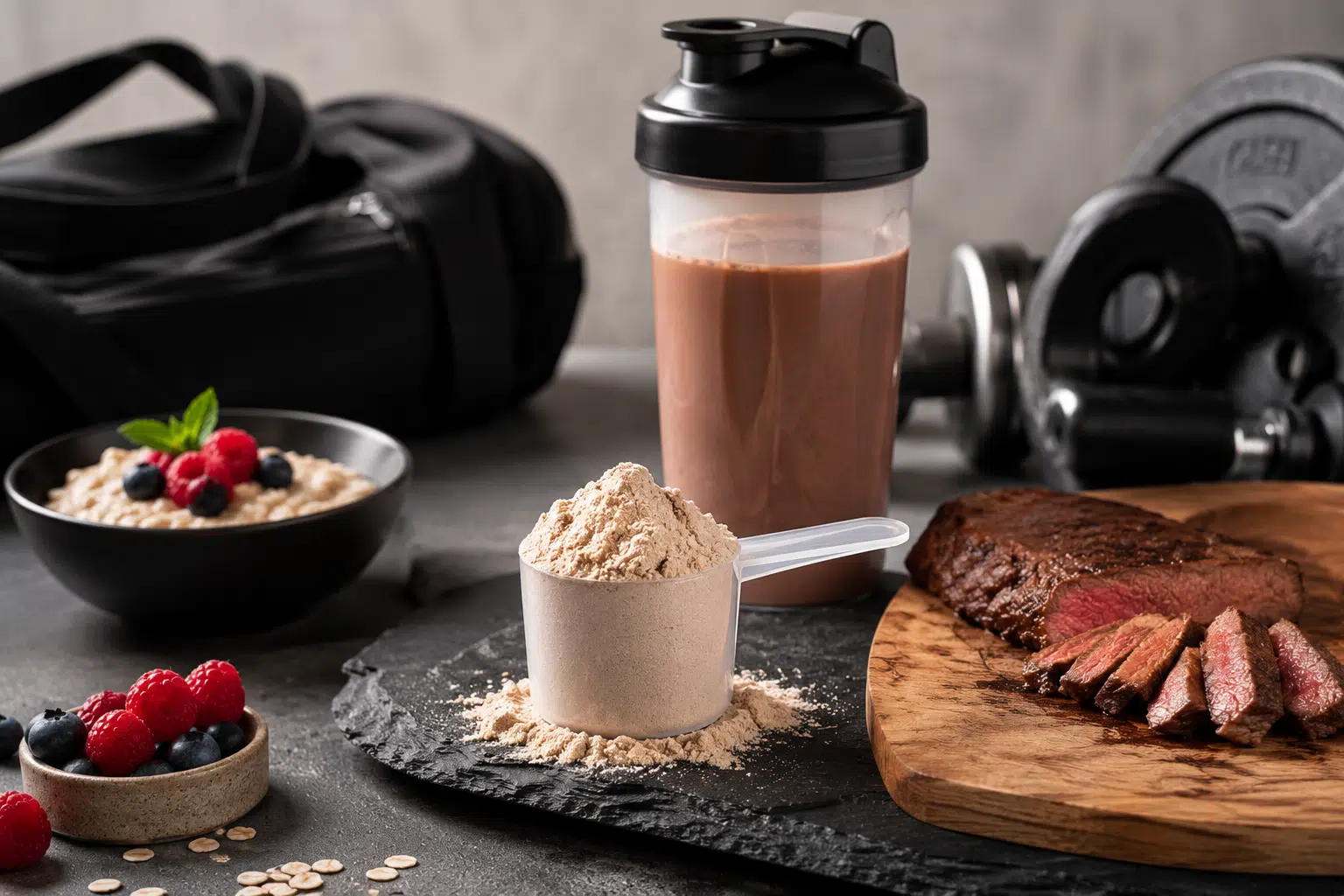
For years, whey protein has dominated the sports nutrition market. Walk into almost any gym, supplement store, or health food shop, and you’ll find shelves packed with whey-based products promising muscle growth, faster recovery, and improved athletic performance. Recently, however, athletes have begun exploring alternatives. Plant-based proteins have gained popularity, and another option has quietly emerged as a serious contender: beef protein. While some athletes are already familiar with beef protein, many still have questions. What exactly is it? How does it compare to whey? And perhaps most importantly, does it actually work? As more sports nutrition brands introduce beef protein products, understanding the facts behind this growing trend becomes increasingly important. What Is Beef Protein? Despite what the name may suggest, modern beef protein powder does not resemble eating a steak in powdered form. Beef protein isolate is typically produced by extracting protein from beef while removing much of the fat and carbohydrates. The result is a concentrated protein source that can provide a significant amount of protein per serving while remaining relatively low in calories. Many athletes are surprised to learn that high-quality beef protein powders do not taste like beef. Modern formulations are designed to have a neutral flavor profile or come in flavored varieties such as vanilla and chocolate. This makes them easy to mix into shakes, smoothies, oatmeal, pancakes, and other recipes without affecting the overall taste. Why Athletes Are Looking Beyond Whey Whey protein remains one of the most researched and effective protein supplements available. For many athletes, it continues to be an excellent choice. However, not everyone tolerates dairy equally well. Some individuals experience digestive discomfort, bloating, or other issues when consuming whey-based products. Others simply prefer to diversify their protein sources rather than relying on a single option. This has created demand […]

Fox nuts, also called makhana, are gaining popularity as a light and healthy snack. Many people
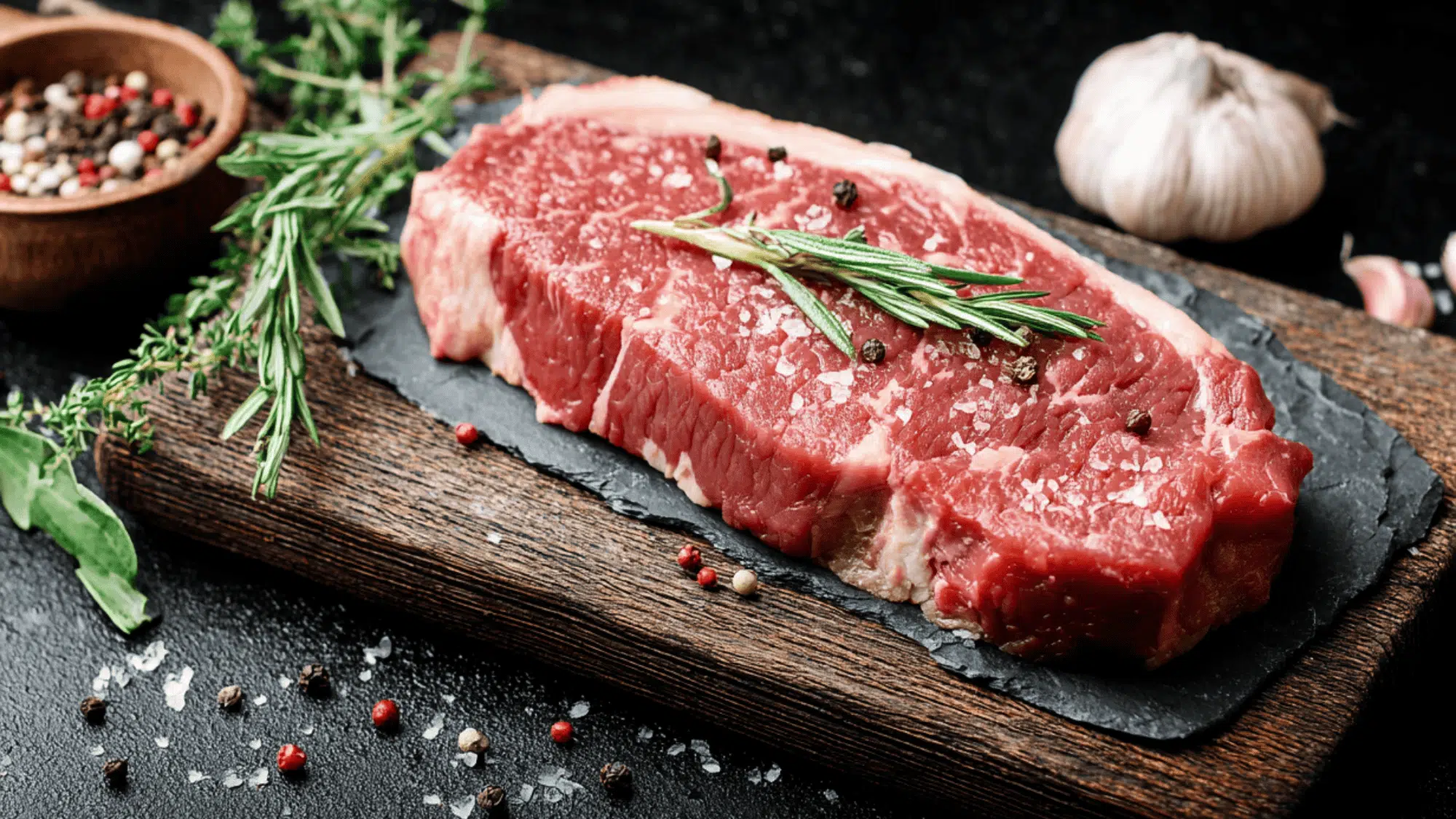
Most people pick sirloin steak for its taste. But what’s actually in it? That’s a question

I get this question a lot: Does protein powder make you gain weight? And honestly, I