
Sports Nutrition
Plain water replaces what you drink, but it doesn’t replace what you lose. Sodium, potassium, magnesium, and the minerals that regulate muscle contraction and nerve signals all exit the body through sweat, and no amount of water alone brings them back. The market for top electrolyte powders for supporting fluid and mineral replenishment has grown fast, and the options are genuinely varied: different formulas, different sweeteners, different price points. This list covers five standouts worth considering. Why Electrolyte Powders Matter for Hydration and Performance Plain water doesn’t cut it when the body is depleted. Losing fluids also means losing the charged minerals that tell cells how to communicate, signal muscles to contract, and instruct kidneys to retain or release water. Water restores volume; electrolyte powders restore the minerals that give that volume purpose. Electrolyte packets are formulated around this principle, pairing sodium, potassium, and magnesium with trace minerals so the fluid you drink actually gets absorbed rather than passed through. That mineral-first approach is what separates a functional electrolyte from flavored water, and it’s the standard worth measuring every option against. Performance and recovery aren’t the only reasons to reach for these products. Heat, air travel, illness, and heavy caffeine intake all drain electrolytes faster than most people realize, and a well-formulated powder handles all of those situations, not just the athletic ones. 1. Instant Hydration Best for: Athletes, active adults, and anyone prioritizing clean, mineral-dense hydration Format: Single-serve stick packets, 13 flavors Electrolytes: Sodium (French sel gris), potassium chloride, magnesium bisglycinate chelate, calcium from mineralized algae Standout: 1,240mg of electrolytes per serving, zero sugar, 70+ trace minerals from hand-harvested sea salt Instant Hydration’s formula was developed with input from a medical advisory board of physicians and sports scientists, and that shows in how the ingredients were chosen. The brand draws on French sel […]

The last rep is done, the mat is back in the bag, and now comes the part people genuinely overthink: what to drink. There’s no universal answer. The right choice depends on what you did, how long you did it, and what your body is actually asking for. Here’s a breakdown of the options and when each one makes sense. Water Still Wins Most of the Time For anything under an hour at a manageable pace, plain water is all you need. Sweat losses during a standard workout don’t require anything fancier, and reaching for a sports drink every time just adds unnecessary sugar. The real variable is intensity and duration: once you’re past the 60 to 90 minute mark, or sweating heavily in the heat, electrolytes start to matter. Sipping steadily throughout the session also absorbs better than chugging a large amount all at once afterward. Electrolyte Drinks for Longer Sessions Magnesium, potassium, and sodium all leave with sweat. Hot yoga, long outdoor runs, or an extended training session can drain them fast enough to leave you feeling lightheaded or crampy. An electrolyte mix — either a pre-made drink or a powder stirred into water — replaces what was lost without the sugar load most traditional sports drinks carry. Check the label before committing to one, since some products lean heavily on dye and flavoring rather than actual mineral content. Protein Shakes for Muscle Recovery If strength training is part of your routine, a protein-rich drink afterward is worth prioritizing. A 20 to 30 gram protein shake within an hour or two of lifting gives your body what it needs to start repairing muscle. Whey protein shakes absorb quickly and are the most common choice, but plant-based blends work just as well if dairy isn’t an option. Adding carbs […]

Athletes constantly strive to balance peak physical performance with optimal body weight. Dropping weight rapidly can lead to muscle loss and compromised stamina during high-intensity training sessions. Smart weight management requires a sustainable approach that supports athletic output and keeps body composition in check. Exploring Medical Options for Weight Control Athletes managing strict weight classes sometimes turn to prescription aids when standard dieting hits a plateau. When competitors seek to buy Orlistat to assist with fat absorption management, they must coordinate with medical professionals. Working with healthcare providers prevents nutritional deficiencies during demanding training phases. Medications work best alongside structured physical conditioning rather than replacing proper dietary habits. Athletes should monitor their daily nutrient intake carefully to maintain high energy output. Safe protocol selection protects long-term health and athletic performance. Consulting a sports physician helps evaluate if medical intervention fits specific fitness targets. Tracking micronutrients becomes necessary when blocking fat absorption during high-volume training blocks. Proper medical oversight prevents performance dips during critical preparation periods. Tailoring Nutrition to Individual Metabolism Generic diet plans rarely deliver peak results for competitive performers. A wellness study showed that tailoring meal plans to unique DNA, gut microbiome markers, and individual metabolic rates helps maximize fat loss and keep energy levels steady. Customizing intake prevents the sudden crashes often seen with standard low-calorie regimens. Metabolic testing gives competitors exact numbers regarding baseline daily caloric needs. Athletes can adjust carb and protein intake around heavy workout sessions with greater accuracy. This targeted strategy prevents muscle breakdown during cutting phases. Personalized nutrition plans account for daily energy expenditure across varied training loads. Adjusting macros based on specific session intensity preserves athletic capacity. Athletes recover faster when food intake aligns with personal physiological data. Preserving Lean Mass With Targeted Resistance Training Cutting calories creates a real risk of […]

Somebody tracks 150 grams of protein a day for weeks, hits the number every single time, and still feels like their strength gains have stalled. The total looks right on paper. What that number hides is when those 150 grams actually showed up across the day, and that detail turns out to matter more than most people training seriously ever stop to check. The typical pattern looks something like this: a light, carb-heavy breakfast with maybe 10 to 15 grams of protein, a slightly better lunch, and then a dinner that carries the bulk of the day’s intake, sometimes 60 or 70 grams in one sitting. The daily total adds up fine. The distribution across three meals does not look anything like even. That skew matters because the body cannot store amino acids the way it stores fat or glycogen for later use. A muscle-building signal that isn’t triggered at breakfast doesn’t roll over and stack on top of dinner’s signal. It’s simply a missed window, and skipping that window at breakfast happens far more often than most people training seriously realize. This is easy to miss because total daily protein is the number most tracking apps and coaches emphasize, since it’s simple to calculate and simple to hit. Distribution across meals requires actually looking at the shape of a day’s eating rather than just the sum at the bottom, which is a habit most people never build even when they’re otherwise diligent about tracking macros down to the gram. This is part of why so many lifters build a morning habit around whey protein specifically, rather than saving all their protein intake for later meals. A quick shake solves the practical problem of breakfast being naturally low in protein for most people, without requiring a full plate of eggs […]


Today’s analytical chemistry requires accurate testing and fast results from every phase of lab work. Standard

Hard training makes your gut work overtime. You might eat bigger meals. Or add extra snacks

If you are taking GLP-1 medications, you already know they change how your body signals appetite
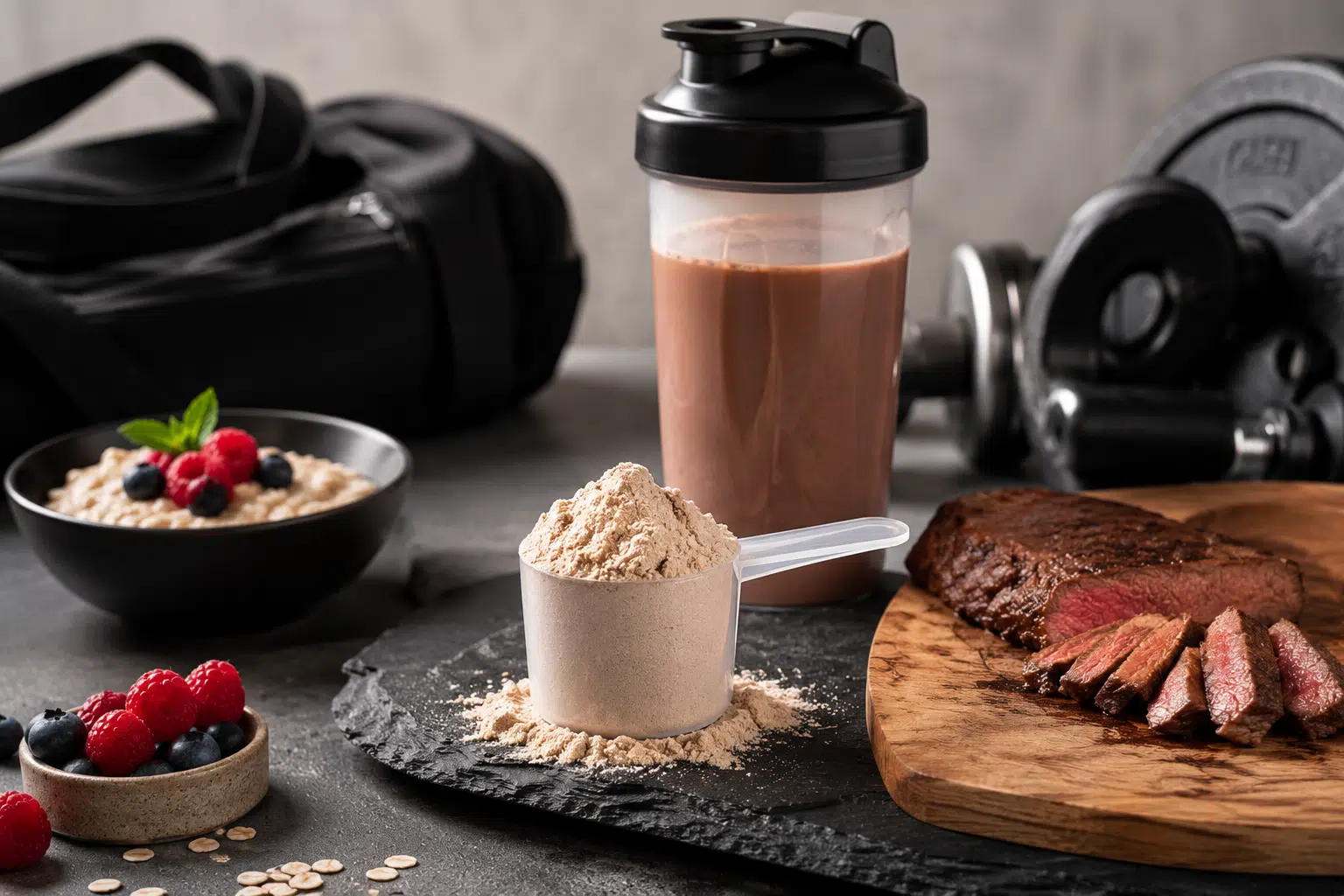
For years, whey protein has dominated the sports nutrition market. Walk into almost any gym, supplement

Many runners focus heavily on training but overlook nutrition, even though proper fueling can directly affect

As someone who has worked closely with clients in nutrition and weight management, I understand how

I always look for snacks that keep me full without adding too many calories. It gets

After a workout, your body feels tired, your muscles feel worked, and your energy drops. I

As someone who has worked closely with fitness and nutrition, I’ve seen how often people feel
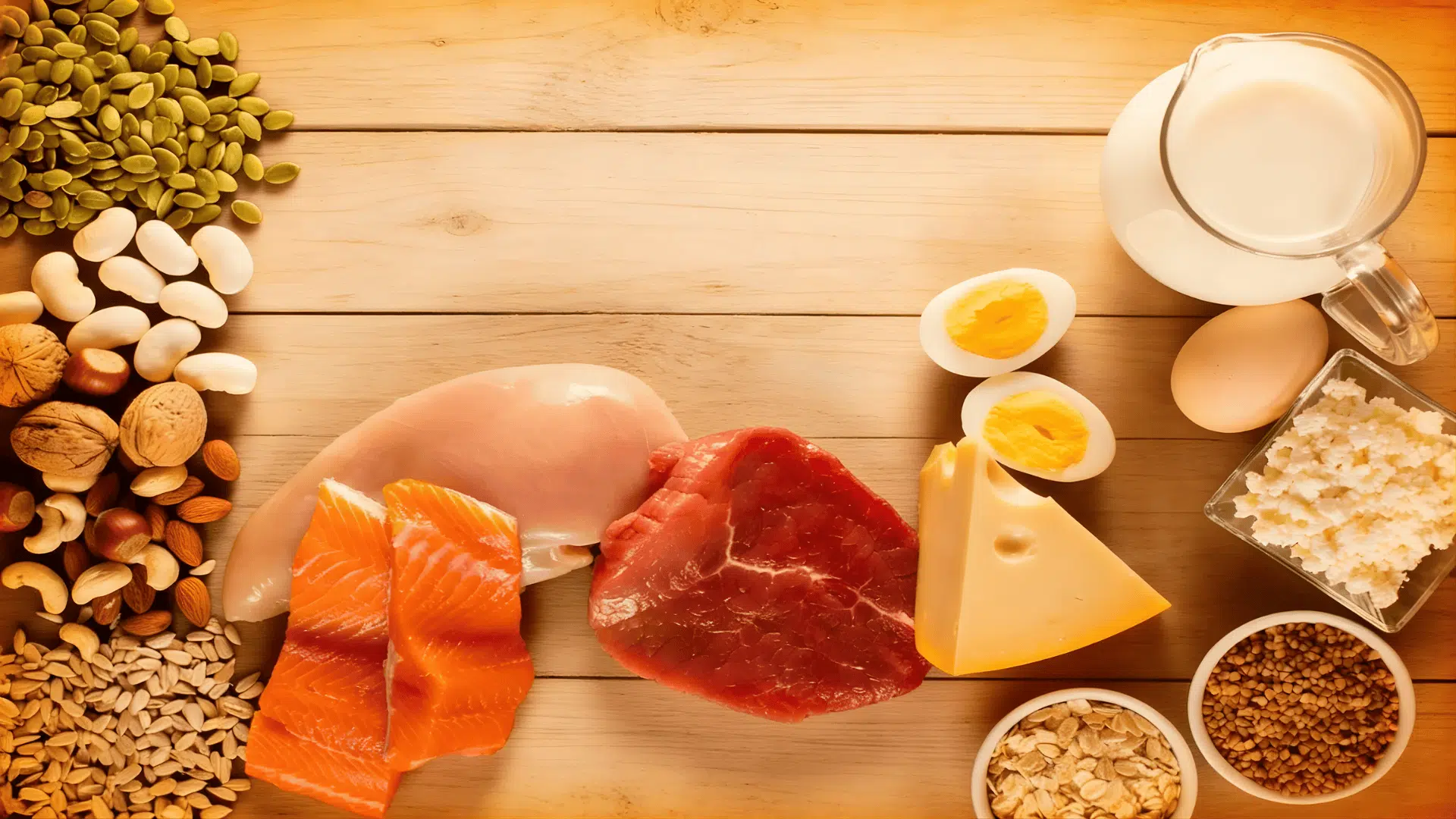
After a tough workout, I often feel sore the next day, and I know you probably

Rice paper nutrition is simpler than you might think. Each sheet runs between 30 and 50

A 1000-calorie diet is considered a very low-calorie diet (VLCD) and is not appropriate for everyone.