
Sports News
Advances in artificial intelligence (AI) have quietly redrawn the boundary lines between instinct and information in modern sport. Optical-tracking cameras now record every sprint, swing, or slide in granular detail, while machine-learning models convert raw footage into predictive metrics that help clubs refine tactics, reduce injuries, and engage audiences in fresh ways. Where scouts once relied on gut feeling, algorithms now reveal subtle patterns that humans alone rarely spot, turning data into a competitive edge that separates champions from the chasing pack. Second-paragraph assessments from a b2b online sport betting provider underscore how strongly AI-driven forecasts already influence both front-office decisions and fan conversations. Proprietary platforms simulate thousands of match scenarios per minute, quantifying win probabilities in real time and flagging momentum shifts before they appear on a scoreboard. The same probability curves guide television commentators, fantasy-league enthusiasts, and sponsorship planners who crave credible numbers rather than hunches. Continuous data collection produces an ever-expanding digital mirror of each athlete’s career. Video feeds pair with wearables that capture heart-rate variability, joint load, and hydration trends, then route those signals to cloud-based engines that evaluate risk and readiness. If fatigue scores spike, coaching staff receive alerts and can modify training drills long before overuse issues arise. AI transforms monitoring from periodic check-ups into an always-on safeguard that protects both performance and health. From Data Flood to Clear-Cut Insight Machine learning only thrives when fed well-labeled, high-quality information. Top clubs therefore invest heavily in sensor ecosystems that turn stadiums into research labs: High-Resolution Player TrackingMulti-camera arrays plot every movement at up to 120 frames per second, enabling heat maps that highlight positional gaps. Wearable BiometricsSmart vests and boot-embedded chips measure acceleration, deceleration, and muscle vibration to reveal hidden strain. Historical Performance LogsDecades of archived footage provide training material for neural networks that learn […]

Every rumor reshapes the playoff race, with the Milwaukee Brewers at the center of this year’s trade discussions. Milwaukee is targeting pitching depth and a right-handed bat without trading top prospects before the August 3 deadline. The Brewers already made one notable move when they acquired Lance McCullers Jr. and left-hander Colton Gordon from the Houston Astros on July 15, though that deal has since taken an unexpected turn. Recent reporting and insider chatter continue linking Milwaukee to realistic trade targets while marking other names as effectively untouchable. This tracker breaks down every confirmed transaction, the rumors carrying the most weight, and what each potential deal could mean for the Brewers’ push toward their first World Series appearance since 1982. Why Are the Brewers Active in Trade Rumors? The Brewers are active in MLB trade rumors because they are firmly positioned in the playoff race and have specific roster needs that the right addition could address before October. Despite Woodruff’s injury and rotation changes, Milwaukee remains a top NL team and may make another deadline move. True to their long-standing payroll approach, the Brewers typically avoid blockbuster spending and instead target cost-effective players who provide immediate value without sacrificing years of team control. Speculation centers on a reliable starter, a high-leverage reliever, and a right-handed power bat. Pitching injuries have raised the urgency, while Milwaukee’s deep farm system gives the front office room to negotiate without gutting its long-term outlook. Milwaukee Brewers Latest Trade Buzz Milwaukee is expected to remain active before the trade deadline, with starting pitching still the clearest priority. The Brewers’ first move already took an unusual turn. After acquiring Lance McCullers Jr. and left-hander Colton Gordon from the Astros on July 15, the club designated McCullers for assignment just eleven days later following two rocky bullpen […]

Some people become legends without ever playing the game. I find those stories just as interesting because they show how dedication behind the scenes can leave a lasting mark. If you’re searching for a Bob Sheppard biography, you’re probably curious about the man whose voice became part of New York Yankees history. In this article, I’ll share his early life, education, military service, teaching career, rise to fame, major achievements, and the legacy he left behind. You’ll also learn why players, fans, and fellow announcers respected him for so many years. You’ll see how he built a legendary sports career without ever stepping onto the field. Why Was Bob Sheppard so Famous? Bob Sheppard became famous as the public address announcer for the New York Yankees, serving the team from 1951 to 2007 and becoming one of the most recognizable voices in baseball. Throughout his career, he introduced legendary players such as Joe DiMaggio, Mickey Mantle, Yogi Berra, Reggie Jackson, Derek Jeter, and Mariano Rivera. Beyond baseball, he also announced games for the New York Football Giants and the New York Cosmos, showcasing his versatility across sports. Even after retiring, Sheppard remained one of the most respected and influential voices in sports history, with his legacy continuing to inspire announcers today. Bob Sheppard’s Early Life and Education His early life built the discipline and communication skills that shaped his career. His education, military service, and teaching experience laid the foundation for his distinctive announcing style. Birth: Born on October 20, 1910, in New York City and raised in Queens, where he spent his childhood. Family Values: Grew up in a household that emphasized education, discipline, respect, and strong personal values. University: Attended St. John’s University, where he developed the communication skills that later defined his career. Navy Service: Served in […]

Baseball has seen unforgettable offensive battles, but few scoring games have earned a place in MLB history. The highest-scoring baseball game records highlight incredible hitting displays, dramatic momentum shifts, and performances that remain memorable for fans. These matchups show how quickly a baseball game can change when both teams deliver at the plate. From historic run totals to record-setting results, each game tells a unique story of competition and skill. This article covers the highest-scoring MLB games, their final scores, key moments, and the records they created. Keep reading to learn about the most remarkable scoring battles in baseball history and the events behind these legendary games. What Is the Highest-Scoring Baseball Game in MLB History? The highest-scoring baseball game in MLB history was played between the Chicago Cubs and the Philadelphia Phillies on August 25, 1922. Chicago won 26–23 at Cubs Park, the venue later renamed Wrigley Field. The teams combined for 49 runs and 51 hits during a game lasting three hours and one minute. Approximately 7,000 spectators watched a contest that became far closer than its early innings suggested. It remains the major league record for the most combined runs scored by two teams in one game. SABR states that this record is especially striking because both clubs scored at least 20 runs. That has happened only twice in MLB history, and the Cubs and Phillies were involved on both occasions. Highest Scoring Baseball Games in MLB History From century-old record-breakers to modern offensive explosions, MLB history has produced several unforgettable games in which runs piled up at an astonishing pace. 1. Chicago Cubs vs Philadelphia Phillies The Chicago Cubs vs Philadelphia Phillies matchup played on August 25, 1922, at Cubs Park in Chicago, set MLB’s combined scoring record. Score Detail Result Final Score Cubs 26 Phillies […]

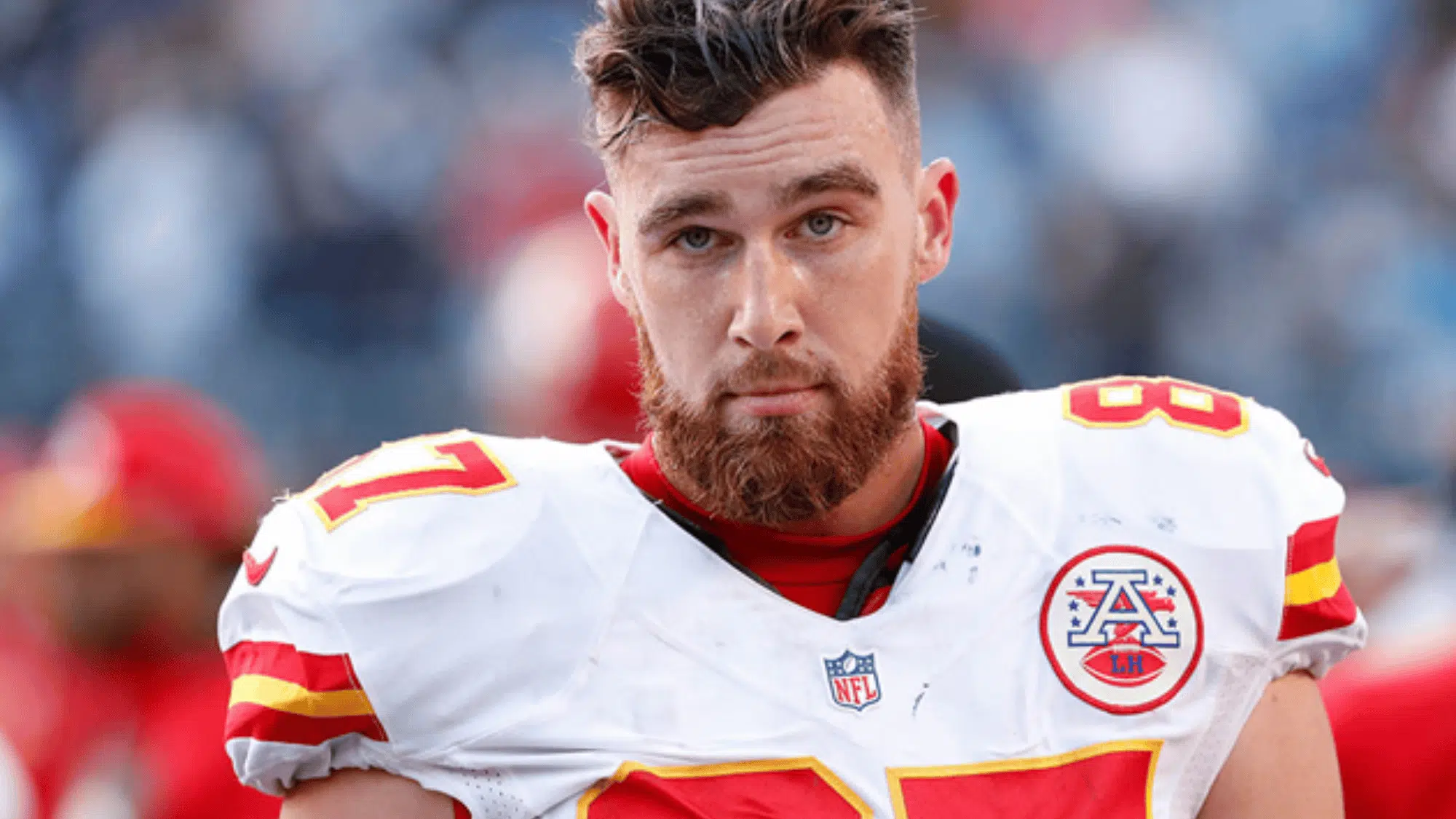
When news breaks that Travis Kelce injured his chest or took a big hit, fans rush

Tom Brady’s knee injury is one of those moments fans still talk about because it changed

Carson Brière has had a long and winding hockey career, filled with early promise, tough setbacks,

If you love soccer, chances are most games you watch end 1–0 or 2–1. That’s normal.

Soccer can change a life in a single moment. One bad tackle, one wrong landing, and