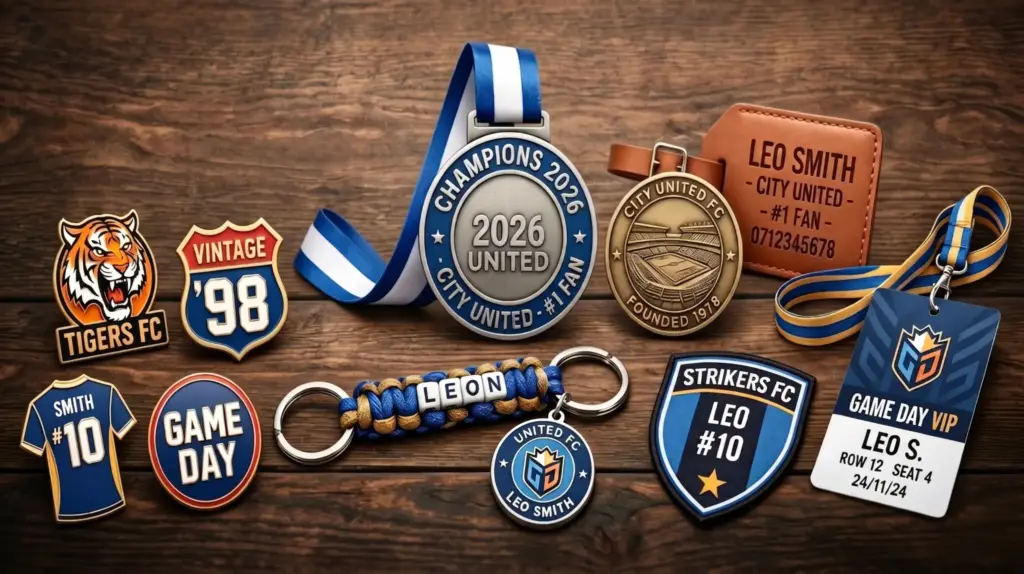
Sports merchandise trends have shifted toward personalization and limited-run collectibles. Consumer expectations for sports merchandise have gradually evolved alongside personalization trends. Basic team clothing and live game viewership alone can’t meet their expectations anymore. They tend to pick special, made-to-order items. Global sporting events like the FIFA World Cup always push up orders for custom fan goods. With fans eager to show support for national sides and join in trending fan activities, personalized items see a clear sales surge. Across these worldwide competitions, supporters rush to buy national-themed keepsakes, memorial pieces, and exclusive limited runs linked to game results and team spirit. These custom sports fan gifts work for both hobby collectibles and daily use during games. They help fans hold onto the thrilling moments of games and enjoy the collective happiness of supporting the same team. Better yet, upgraded design solutions and faster production workflows have made personalized sports gifts easy to obtain and reasonably priced, for regular fans and sports groups in general. Why Personalized Sports Gifts Matter Most fans don’t see custom sports gear as simple merchandise. Instead, they treat these items as valuable mementos. They represent each person’s individuality, deep emotional ties, and the shared experiences that define sports culture. Bulk-made goods struggle to convey personal style and special sentiments as effectively as custom pieces do. This explains why personalized sports gifts stay popular with fans, teams, and sports organizations. A few key factors are driving this ongoing trend: 1)Emotional Connection for Fans All the thrills of live matches and warm memories of cheering for a favorite team can be kept alive with custom-made gifts. These special mementos help fans keep their fond feelings toward games, teams, and classic tournament moments, long after the events end. 2)Fan Engagement Generic retail products fail to build strong group […]
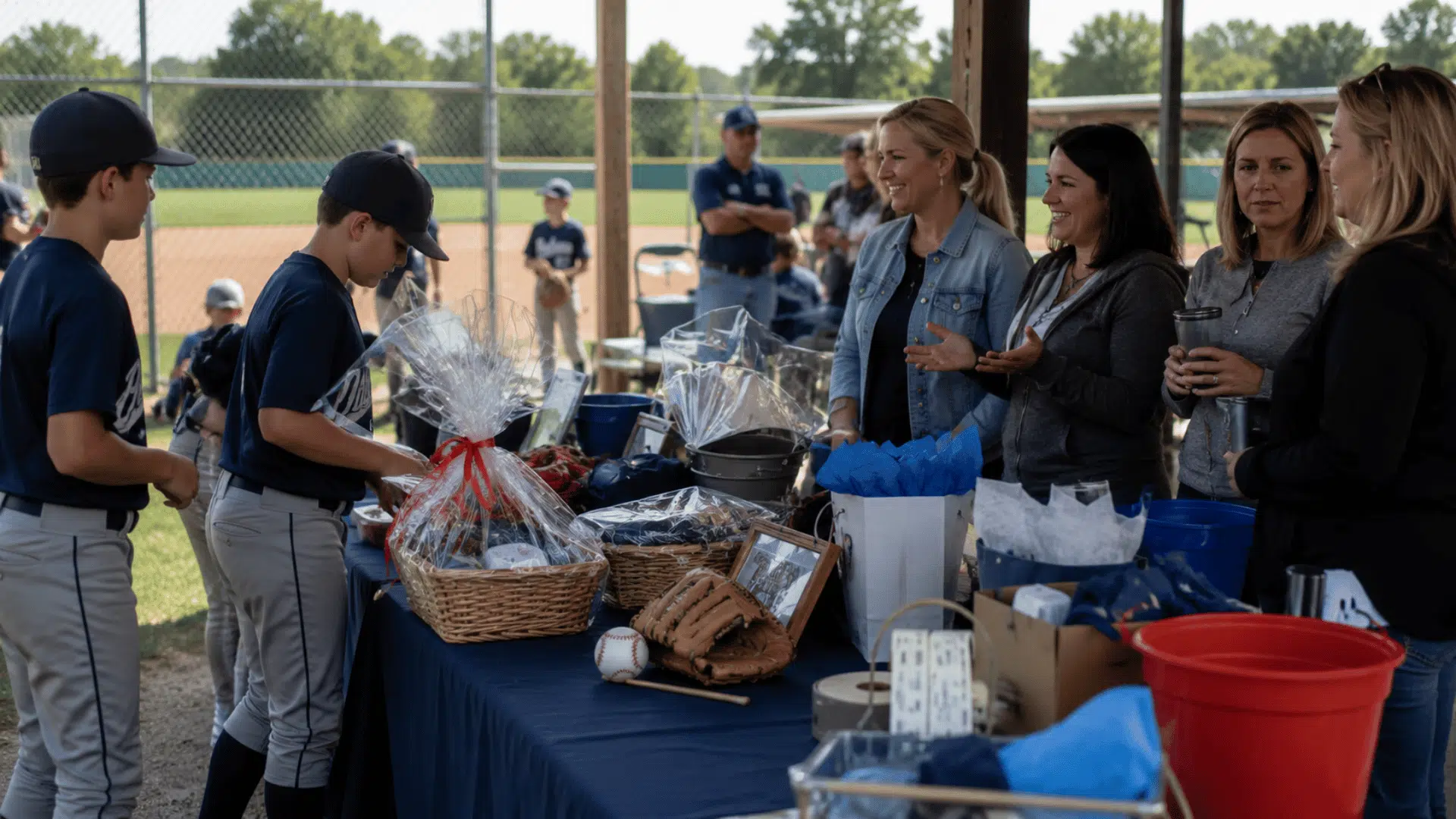
Running a baseball team can get expensive fast. Between uniforms, travel costs, tournament fees, equipment, and field expenses, the bills add up quickly. Coaches, parents, and team organizers want easy ways to raise money without added stress. In this article, you will find fundraising activities for youth teams, school teams, and travel baseball programs. Some ideas are low-cost, while others can yield higher profits with community support. I will also share tips to help you choose the right fundraiser, avoid common mistakes, and promote your events better. By the end, you should have several ideas ready to help your team raise money and stay focused on the season ahead. How to Choose the Right Baseball Fundraiser? Choosing the right baseball fundraiser depends on your team’s goals, available help, budget, and local community support during the season. Think About Team Size and Volunteers: Larger teams with more volunteers can organize bigger events, while smaller teams usually benefit from simpler fundraising activities. Plan Around Your Budget: Some fundraisers need supplies, equipment, or rental spaces, so teams should carefully choose activities that match their available budget. Choose Simple and Fun Ideas: Easy, engaging fundraisers usually attract more supporters because people enjoy activities that require less time and effort overall. Focus on Family-Friendly Activities: Family-friendly fundraisers help parents, children, and local supporters feel comfortable participating together during community fundraising events successfully. Consider Local Community Interest: Fundraisers connected to local sports fans and community traditions often receive stronger support, participation, and donations from residents. Use Seasonal Fundraising Opportunities: Summer camps, holiday sales, and tournament events often attract larger crowds, boosting fundraising results for baseball teams. Innovative Baseball Fundraising Ideas for Teams Creative fundraising ideas can help baseball teams raise money, build stronger community support, and keep players excited throughout the season. 1. Host a Baseball-Themed […]
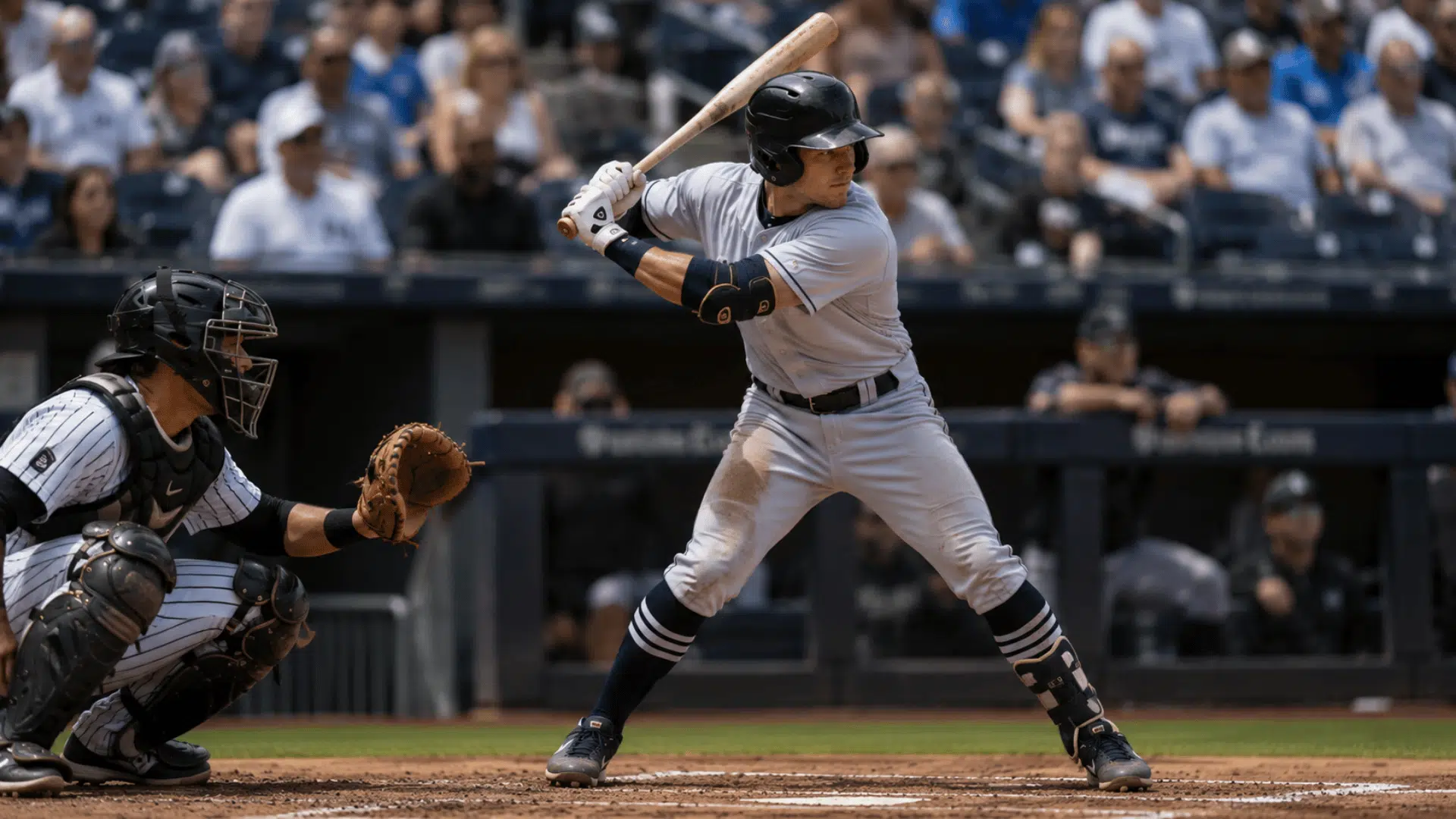
Choosing the right baseball equipment helps you play safely and with confidence. Bats, gloves, helmets, and cleats vary by size, position, and age group, and using the wrong gear can affect performance and increase injury risk. If you are starting baseball or helping your child begin, choosing the right equipment matters more than you may think. In this guide, I will share some of the most important baseball equipment every player must have for practice and game day. You will learn about bats, gloves, helmets, cleats, protective gear, training tools, and helpful accessories. By the end, you will have a clear idea of what you really need and how to choose equipment that fits your playing style and budget well. Why the Right Baseball Equipment Matters? Having the proper baseball equipment can make a big difference during games and practice. Players need gear that helps them stay safe, move comfortably, and play their best on the field. Items like helmets, gloves, cleats, and protective pads are important because they help reduce the risk of injury and improve performance. Good equipment also makes it easier to practice basic baseball skills such as throwing, hitting, catching, and running. If the gear does not fit well or becomes damaged, it can affect both comfort and safety. That is why many coaches and players pay close attention to the quality and fit of their equipment. No matter your skill level, using the right baseball gear can help you feel more prepared, focused, and comfortable throughout the season. List of Baseball Equipment that Every Player Needs Before stepping onto the field, every baseball player needs the right gear to stay safe, play confidently, and perform at their best. 1. Baseball Bats Baseball bats are important because they help players hit the ball with better power, […]
Sports supplement brands building athlete-facing products face a marketing agency question that goes beyond direct-to-consumer expertise. The question is which agency understands banned-substance testing, athlete-endorsement structures, team-sponsorship deals, and the platform-policy framework that supplements operate under. The answer shapes whether the brand earns serious team and athlete partnerships or stalls in the consumer-supplement aisle. Sports brands often look at specialty agencies rather than generalist sports marketing firms. Companies such as NutraMarketers focus exclusively on the supplement and functional-food category, offering brand strategy, packaging design, digital advertising, and compliance support specific to dietary supplements. The single-vertical model suits sports brands that need partners who already know Informed-Sport certification, NSF Certified for Sport rules, and the WADA framework that affects competitive athletes. Why Has Sports-Supplement Marketing Become More Strategic? Three structural shifts have raised the stakes: Banned-substance scrutiny: Testing programs across professional sports now catch contamination at parts-per-billion levels, raising the cost of a supplement-related positive test Athlete-endorsement economics: NIL deals at the college level and direct athlete partnerships at the pro level shift more sports-supplement spend toward influencer-style deals Platform-policy specificity: Meta and Google supplement rules interact with athlete-endorsement rules in ways that catch generalist agencies by surprise Sports-supplement marketing is the brand-building work focused on athletes, teams, and sports-engaged consumers. The discipline combines dietary-supplement compliance with sports-sponsorship economics and athlete-rights frameworks. What Should Sports Supplement Brands Verify Before Hiring? Six criteria belong on every sports-brand shortlist. The table below summarises the priorities. Criterion Why It Matters What to Confirm Category specialty Speaks the language Supplement focus, not generalist sports marketing Banned-substance fluency Protects athlete partners Informed-Sport and NSF Sport experience Athlete-deal structure Avoids contract pitfalls NIL and pro-athlete deal experience Compliance review workflow Risk management Written claims-review process Team-sponsorship reach Opens partnership doors Existing team and league relationships Reporting transparency […]

Running a sports team gets expensive fast. Uniforms, travel, tournament fees, and new gear can add
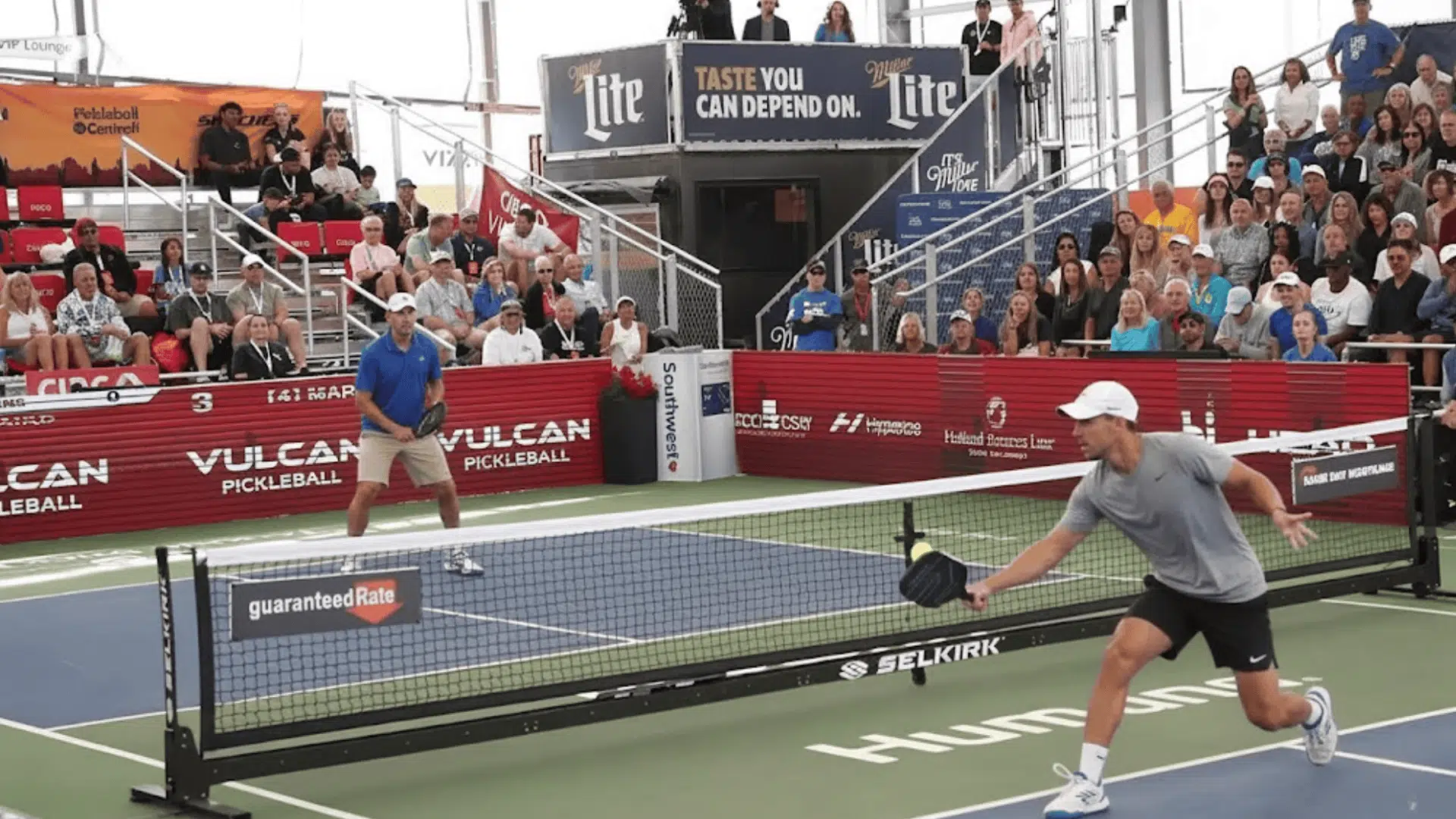
Pickleball looks like pure fun on the outside, but behind the highlights, the money story is
The NBA is changing the way fans watch basketball, and it’s a big deal. A brand-new
Qatar Sports Investments (QSI) is one of the biggest names in modern sports business, and it
The NBA is one of the biggest money-making sports leagues in the world. But how much
Sports teams today aren’t just about winning games; they’re becoming billion-dollar businesses. Some franchises are now
The WNBA is growing fast, and people everywhere are finally paying attention to the numbers behind
Ever wonder which sport pays the most money in 2025? With superstar athletes signing mind-blowing contracts
The topic of paying college athletes has become a major conversation today because college sports look
Ever wonder how much money Serena Williams has made? It’s way more than just winning tennis
Categories