





Qatar Sports Investments (QSI) is one of the biggest names in modern sports business, and it has a strong connection to the State of Qatar.
Over the past 20 years, QSI has helped build a sports and entertainment empire that includes famous teams, growing sports leagues, and other major projects.
This blog breaks down what QSI is, when it started, and why it was created. It also explains who owns QSI, how it differs from groups like Qatar Investment Authority, and who leads the company today.
We will walk through the key teams, leagues, and business projects connected to QSI, and explains how these investments support long-term growth.
Finally, we will also break down what drives QSI’s financial strength and how its major assets add to its overall value.
What Is Qatar Sports Investments?
| Detail | Information |
|---|---|
| Full Name | Qatar Sports Investments (also called Oryx QSI) |
| Founded | 2004 |
| Headquarters | Doha, Qatar |
| Industry | Sports, leisure, and entertainment investments |
| Ownership Type | Government-operated shareholding entity |
| Connected To | State of Qatar |
| Website | qsi.com.qa |
So basically, QSI has been around for about 20 years now, working to build a global sports empire backed by Qatar’s government.
Who Actually Owns Qatar Sports Investments?
This is where things get interesting. QSI isn’t owned by one person or a group of private investors. Instead, it’s connected to Qatar’s government.
Here’s how it works:
Government Connection: QSI operates as a shareholding organization that’s part of Qatar’s broader investment strategy. It’s linked to important government bodies like the Ministry of Finance of Qatar and the Qatar Olympic Committee.
Not the Same as Other Qatari Companies: You might have heard of other Qatari investment groups, and it’s easy to get confused. Here’s the difference:
- Qatar Investment Authority (QIA): This is Qatar’s leading sovereign wealth fund. They invest in everything from real estate to tech companies worldwide. QIA is much bigger and broader than QSI.
- Qatar Foundation: This organization focuses on education, science, and community development. It’s not about sports investments.
- Qatar Sports Investments: This is specifically focused on sports, entertainment, and leisure businesses.
Think of it this way: Qatar’s government has different teams for different jobs. QSI is the team specifically focused on sports and entertainment.
Qatar Sports Investments Leadership & Management
Every successful company needs strong leaders. Let’s meet the people running QSI.
Chairman of Qatar Sports Investments
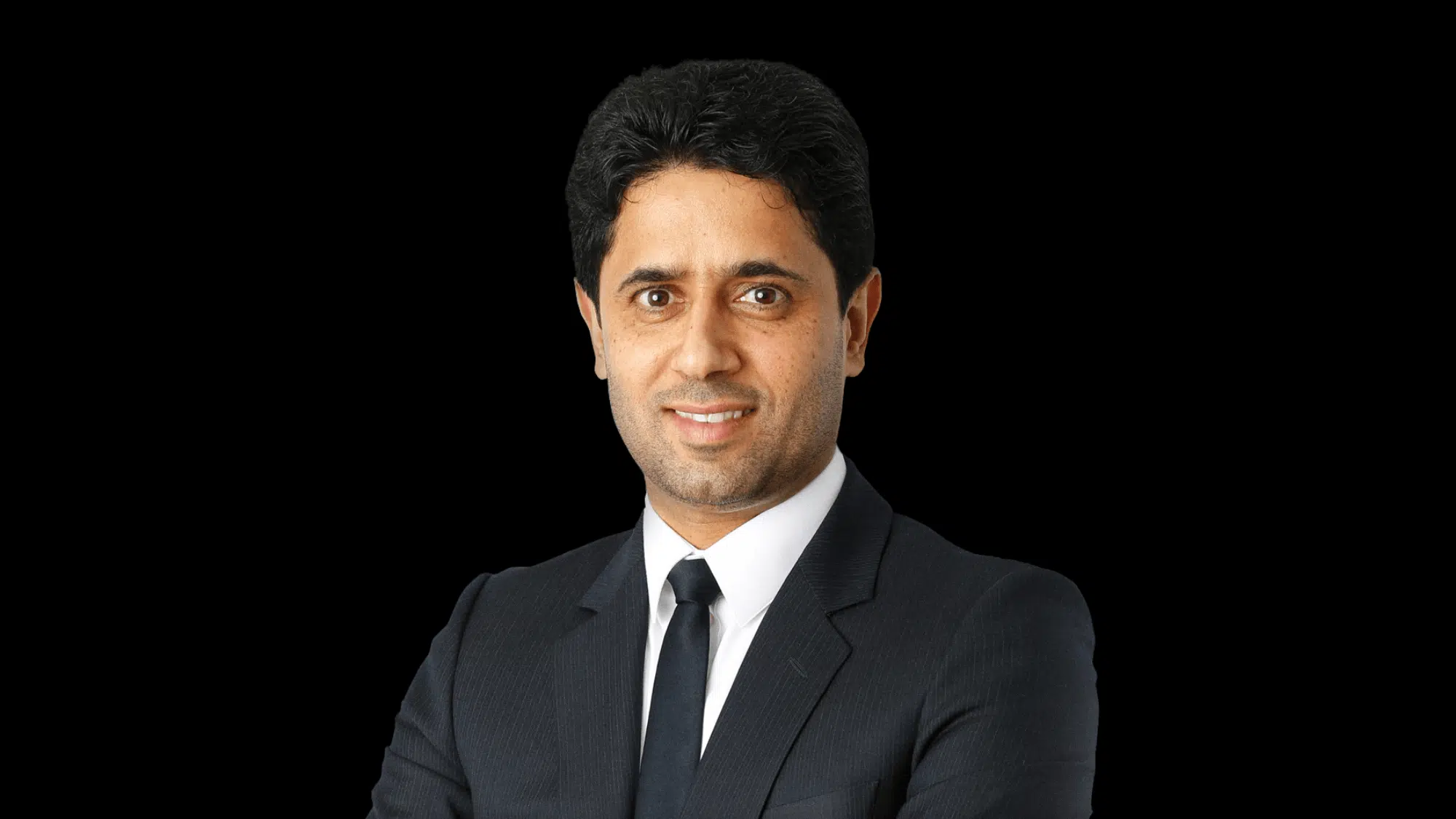
Nasser Al-Khelaifi has been the Chairman of QSI since 2011. If you follow football, you’ve probably heard his name before.
Here’s what makes him such an important figure:
- He’s the Chairman and CEO of beIN Media Group, which broadcasts sports all over the world
- He serves as President of Paris Saint-Germain (PSG)
- He’s involved in international sports governance, including tennis federations
Al-Khelaifi is basically the face of QSI. When major decisions get made or big announcements happen, he’s usually the one speaking to the media.
CEO of Qatar Sports Investments
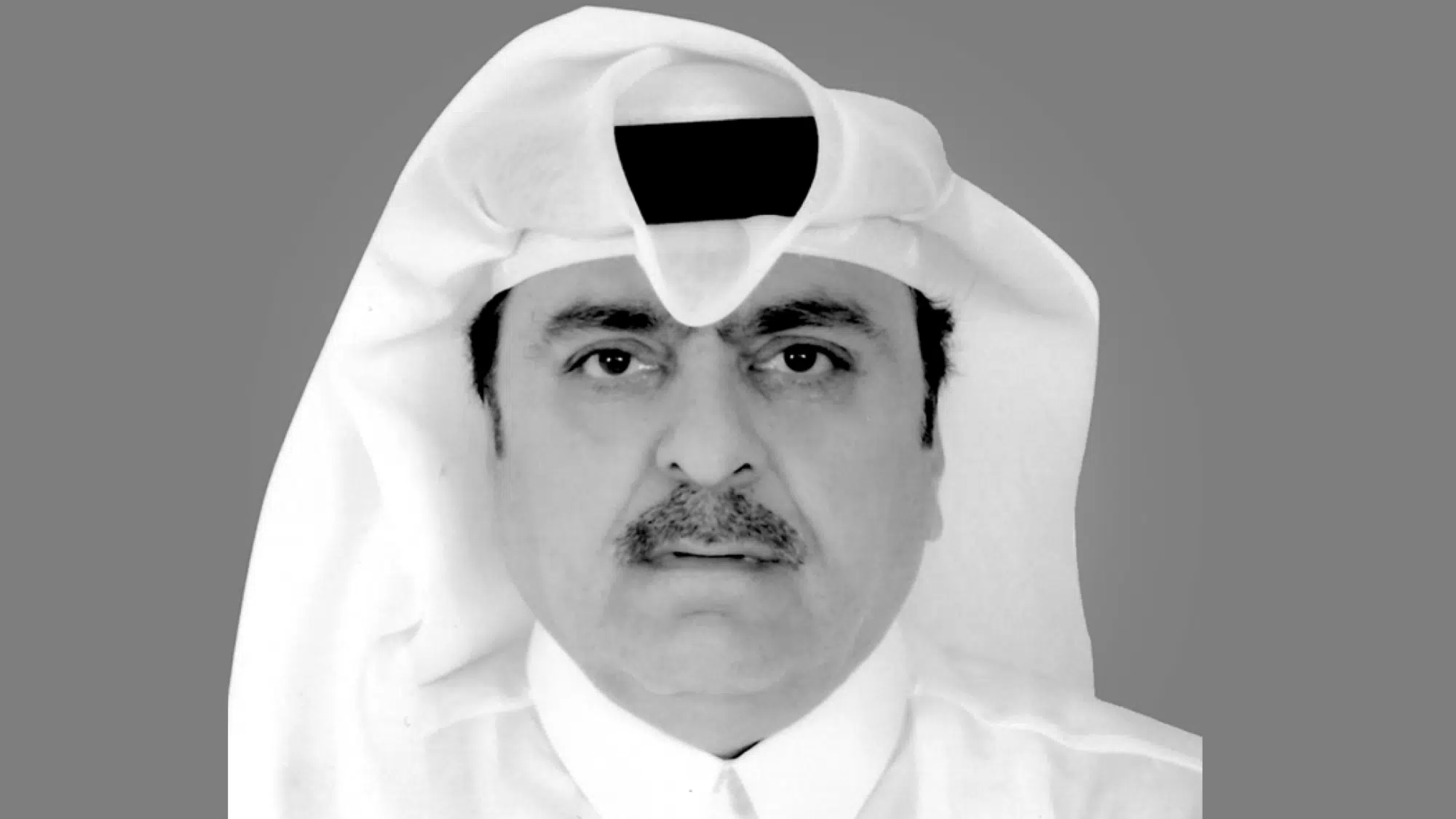
Mohammed Al-Emadi handles the day-to-day operations as CEO. While Al-Khelaifi sets the overall direction, Al-Emadi makes sure things actually get done.
He manages the business side of QSI’s investments and keeps everything running smoothly.
Vice Chairman & Board of Directors
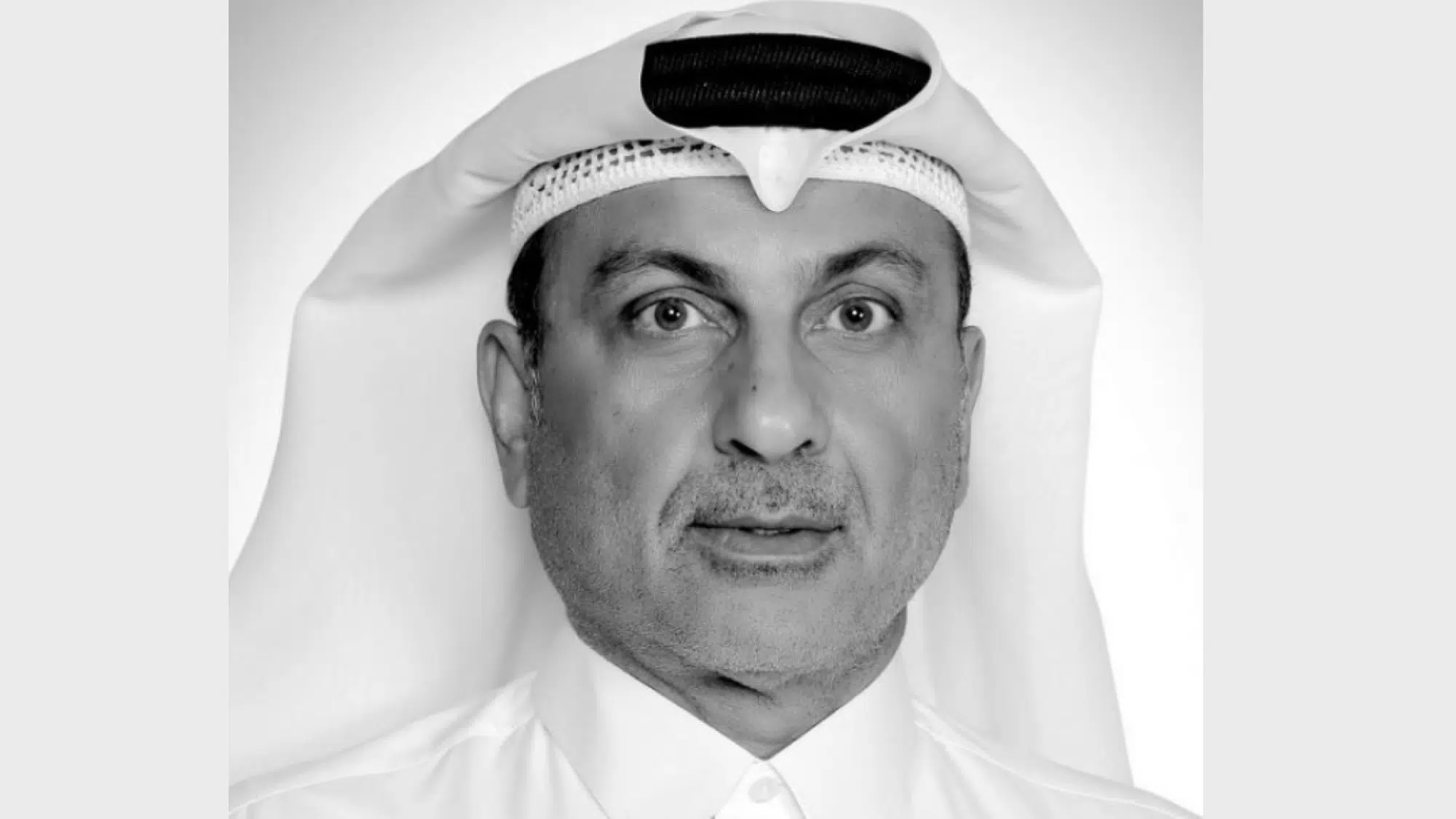
QSI isn’t run by just one or two people. There’s a whole team making decisions:
Vice Chairman:
- Adel Mohammed Tayyeb Mustafawi
Board Members:
- Yousif Mohammed Al-Obaidli
- Mohammad Abdulaziz Al-Subaie
- Sophie Jordan
This team brings together different skills and experiences. They meet regularly to discuss investments, review how their sports teams are doing, and plan for the future.
What Does Qatar Sports Investments Own? Portfolio Overview
Now for the exciting part: what has QSI actually bought? Their portfolio spans football clubs, sports brands, and entertainment companies.
Paris Saint-Germain (PSG): Full Ownership

Qatar Sports Investments (QSI) owns 100% of Paris Saint-Germain. After taking over in 2011, they poured major money into the club’s squad, facilities, and brand.
PSG quickly became the top team in France and a huge name worldwide. Big stars have played there, including Lionel Messi, Neymar, and Kylian Mbappé during QSI’s era.
SC Braga: Minority Stake

QSI also holds a minority stake in SC Braga, a competitive club in Portugal known for smart recruiting and strong youth development. Because it’s not full ownership, QSI isn’t running the entire club day-to-day.
Still, the investment fits a multi-club idea: having links across Europe, sharing know-how, and building relationships in different leagues and talent markets.
K.A.S. Eupen: Announced Acquisition
K.A.S. Eupen is a Belgian club that QSI has announced plans to acquire. Belgium is often seen as a great place to develop young players, because the league can be a strong stepping-stone to bigger competitions.
If completed, Eupen would add another European base to QSI’s football network and give them more options for scouting, loans, and player growth.
World Padel Tour
QSI expanded beyond football by buying the World Padel Tour, linked to the fast-growing racquet sport called padel. Padel is already huge in Spain and growing quickly in many other countries.
QSI aims to help scale the sport, improve events, and build a stronger global circuit. This kind of investment is about future fan growth.
Burrda

Burrda is a sports apparel brand in QSI’s wider portfolio. It focuses on items like team kits, training wear, and sports clothing.
Owning an apparel company can support QSI’s clubs and events with supply, design, and merchandising opportunities.
It also adds a business line that can earn money outside of matchday results, through product sales and licensing deals.
Major Investment Projects by Qatar Sports Investments
Let’s dive deeper into some of QSI’s biggest moves.
1. PSG Takeover (2011–Present)
The PSG story is really QSI’s defining achievement. Back in 2011, QSI bought 70% of the club. At that time, PSG was a decent team but not a European giant.
What happened next changed everything:
Over the following years, QSI increased their ownership until they owned the entire club. They invested hundreds of millions of dollars in:
- World-class players
- A new training facility
- Youth development programs
- Stadium improvements
- Global marketing campaigns
Today, PSG regularly competes for the UEFA Champions League title and has become one of the most recognizable brands in world football. The club’s Instagram account has over 70 million followers. That’s the power of strategic investment.
2. Multi-Club Ownership Strategy
QSI isn’t putting all their eggs in one basket. They’re following a multi-club ownership model that’s becoming popular in modern football.
Here’s why this strategy makes sense:
- Player Development: Young players can develop at smaller clubs before moving to PSG
- Scouting Network: Multiple clubs mean multiple scouting opportunities across Europe
- Risk Management: If one club struggles, others can still succeed
- Market Presence: They gain influence in multiple football markets
The SC Braga deal is a perfect example. Braga is a well-run Portuguese club that regularly develops talented players. QSI can help them grow while also benefiting from their expertise.
3. Global Padel Expansion
Not many people outside Europe know much about padel, but QSI is betting that will change.
What’s padel? It’s like tennis mixed with squash, played on a smaller court with walls. It’s incredibly fun and easier to learn than tennis.
QSI bought the World Padel Tour and is now launching a unified global circuit. Their goal? Make padel as popular worldwide as tennis or badminton.
It’s a long-term investment, but if it works, they’ll be the leaders in a growing sport.
How Rich Is Qatar Sports Investments?
Everyone wants to know: how much money does QSI actually have?
Here’s the honest answer: Nobody knows the exact number because QSI doesn’t publicly share its net worth.
What we do know:
- QSI is backed by the Qatari government, which has significant wealth from oil and gas revenues
- They operate on a reinvestment model; the money they make goes back into their sports and entertainment projects
- They’ve spent well over a billion dollars just on PSG alone
How does QSI compare to other Qatari investment groups?
The Qatar Investment Authority (QIA) manages hundreds of billions of dollars. They own parts of companies like Barclays Bank, Volkswagen, and major real estate around the world.
QSI is much smaller and more focused. Think of QIA as the heavyweight champion and QSI as a specialized fighter focusing only on sports.
QSI’s wealth isn’t measured just in cash; it’s measured in the value of the teams and brands they own. PSG alone is worth over $4 billion, making it one of the most valuable football clubs in the world.
Wrapping It Up
Qatar Sports Investments shows how focused planning and long-term thinking can turn sports into a powerful global business.
Over the years, QSI has grown from a single investment arm into a major force across football, media, and emerging sports like padel.
Backed by Qatar’s government, it combines strong financial support with smart leadership and clear goals.
From building PSG into a world-famous club to expanding into new leagues and sports, every move is designed for steady growth and global reach.
QSI’s story is not just about money, but about building brands, fans, and influence over time.
If learning about sports business and global investments is interesting, keep following this space for more deep yet easy-to-understand breakdowns.