





Pickleball looks like pure fun on the outside, but behind the highlights, the money story is wild.
Some pros are cashing seven-figure checks, while others are grinding through long travel weeks just to break even. That gap is what makes pro pickleball so interesting right now.
This blog breaks down what players earn at each level (elite, mid-tier, and developing pros) and where that money actually comes from, and off-court income like coaching and clinics.
We will also take a closer look at Ben Johns’ estimated yearly earnings, explain the average pro salary under PPA/MLP, and show the key factors that decide who gets paid the most in today’s fastest-growing sport.
Why Pro Pickleball Pay Varies So Much
At first glance, professional pickleball looks like a gold rush. Packed crowds, TV coverage, and big-name sponsors make it seem like everyone on tour is doing well. But the truth is more layered.
Pickleball pay isn’t flat or equal. A small group of elite players earn massive contracts and endorsement deals, while many others fight through travel costs, early losses, and limited sponsor support.
The difference usually comes down to ranking, visibility, and how many ways a player can earn beyond prize money.
To really understand the money behind the sport, it helps to look at earnings by level.
From superstars at the top to developing pros trying to break through, each tier has a very different financial reality. Let’s start at the top and work our way down.
Earnings Breakdown by Player Level
Not all pros make the same money. Let’s look at what players earn based on where they stand in the pickleball world.
1. Top Earners (Elite Pickleball Pros)
The cream of the crop, players like Ben Johns and Anna Leigh Waters, are making serious bank. These athletes dominate tournaments and have huge followings.
Where their money comes from:
- League contracts with PPA and MLP
- Tournament prize money from winning gold medals
- Major sponsorships with paddle companies, clothing brands, and shoe companies
Estimated annual earnings: $2.5 million to $3 million (or more!)
These players have turned pickleball into a full-time career that pays better than many traditional jobs.
2. Mid-Tier Professional Players
These are solid, competitive players who regularly show up on the PPA and MLP tours. They’re not household names yet, but they’re making a living.
Estimated earnings: $150,000–$400,000 per year
How they earn it:
- Guaranteed appearance fees just for showing up to tournaments
- Smaller brand sponsorships (maybe a paddle deal or apparel contract)
- Coaching lessons and running pickleball clinics on the side
Many players in this tier can support themselves through pickleball alone, though it’s not always easy.
3. Lower-Tier & Developing Pros
These are the up-and-comers. They’re skilled enough to compete professionally but haven’t broken through to the big leagues yet.
Earnings range: $20,000–$100,000
Common challenges:
- High travel costs and tournament entry fees eat into winnings
- Few or no sponsorship deals
- Prize money isn’t consistent enough to rely on
Many players at this level keep a side job or rely heavily on coaching to make ends meet.
Pickleball Player Earnings at a Glance
| Player Level | Typical Earnings Range | Main Income Sources | Financial Reality |
| Elite Pros | $2.5M–$3M+ | League contracts, major sponsors, and tournament wins | Full-time career with strong financial security. |
| Mid-Tier Pros | $150K–$400K | Appearance fees, smaller sponsors, and coaching | Can earn a living, but income varies by season. |
| Developing Pros | $20K–$100K | Prize money, coaching, clinics | Often struggle to cover travel and rely on side work. |
The Cost of Going Pro: What Eats Into Earnings
Most pro pickleball players do not live on tournament winnings alone. Prize money is limited, especially for lower-ranked pros who lose early in events.
Many players rely on coaching and clinics to cover steady expenses, which can pay well in busy pickleball areas.
Top players earn most of their income from league salaries and sponsorships through tours like the PPA and MLP. Only a small group makes six or seven figures.
Others mix playing with coaching, content creation, or side jobs to stay afloat.
On Reddit, people often discuss how uneven pro pickleball pay really is. Many users share real stories about travel costs, low winnings, and the need for extra income.
These Reddit discussions highlight that going pro is possible, but making a stable living usually takes more than just winning matches.
How Much Does Ben Johns Make From Pickleball?

Let’s talk about the sport’s biggest name. Ben Johns is basically the face of professional pickleball right now.
Estimated earnings: $2.5–$3 million per year
Where the money comes from:
| Income Source | Details |
| League Contracts | Multi-year deals with PPA and MLP worth hundreds of thousands |
| Tournament Winnings | Dominates singles AND doubles events consistently |
| Endorsements | Major deals with paddle brands, clothing companies, and more |
Here’s what makes Ben special: His earnings place him among the highest-paid athletes, even when compared to established sports.
His success shows what’s possible at the top of the pickleball world.
Average Pro Pickleball Salary (PPA & MLP Explained)
Want to know what the “typical” pro makes? The numbers might surprise you.
In 2024, professional pickleball got more organized under the United Pickleball Association (UPA), which brought together the PPA and MLP tours.
Key salary facts:
- Average reported salary: $260,000 per player
- This is salary alone, doesn’t include endorsement money
- Over $30 million paid collectively to all players
- Players get guaranteed pay just for participating
What does “guaranteed pay” mean? Unlike tennis, where you only make money if you win, pickleball players on the tour get paid just for showing up. That’s a game-changer for financial stability.
How Pro Pickleball Salaries Have Grown in Recent Years?
Pro pickleball pay has grown quickly over the last few years. In 2019–2020, most players earned under $50,000 a year.
Income mainly came from prize money and small sponsor deals, and very few players could rely on pickleball as a full-time job. Things started to change in 2021–2022.
Bigger prize pools, early MLP contracts, and more brand interest pushed top players into six-figure earnings.
By 2023–2024, the sport became more stable financially. Guaranteed salaries through PPA and MLP became common, with the average salary near $260,000 before endorsements.
Top stars began earning seven figures from a mix of contracts, wins, and sponsorships.
While not every player benefits equally, the overall pay trend keeps moving upward, showing how fast professional pickleball has grown.
Where Pro Pickleball Players Actually Make Their Money
Professional pickleball players don’t just earn from one source. Most successful pros have multiple income streams. Here’s where the money really comes from.
1. League Contracts & Appearance Fees

The PPA and MLP pay players guaranteed money to compete in their events. Think of it like a salary for being part of the tour.
- Guaranteed minimum payments
- Team-based earnings in MLP
- Individual contracts in PPA
Top players negotiate contracts worth hundreds of thousands per year.
2. Tournament Prize Money

Winning tournaments puts serious cash in players’ pockets.
Typical payouts:
- Doubles gold medal: Around $9,000 per event
- Singles events usually pay less
- Annual prize pools across all tours: $5–$6 million+
The catch? You have to win to earn. Second and third place pay much less.
3. Sponsorships & Endorsements

This is the biggest money-maker for top players. Way bigger than prize money. Companies pay players to use their products and promote their brands. Common sponsorships include:
- Paddle brands (this is huge in pickleball)
- Apparel and athletic wear
- Footwear companies
- Nutrition and supplement brands
A single major sponsorship deal can be worth more than a player earns in an entire year of tournaments.
4. Off-Court Income
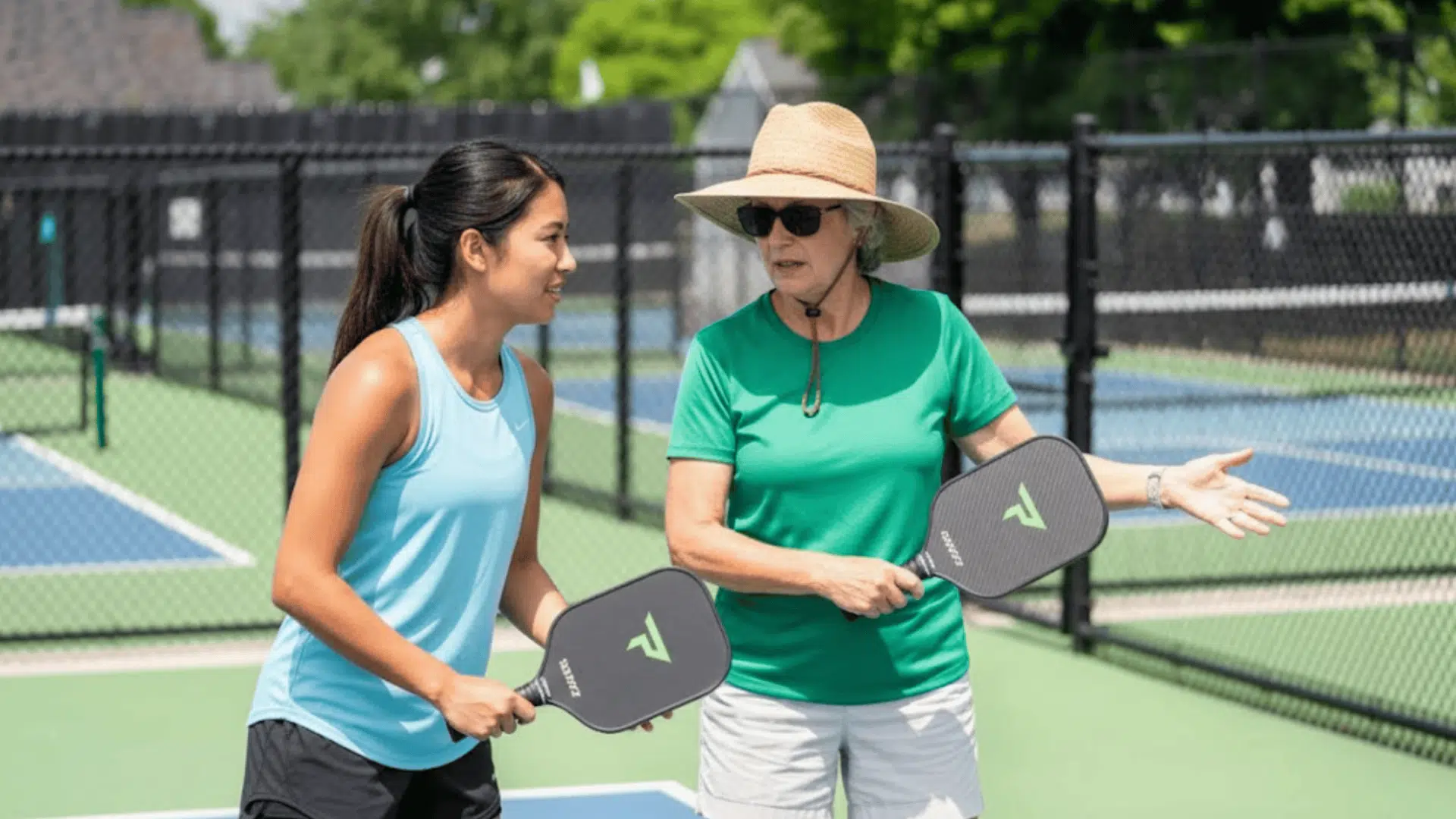
Smart players create income beyond just competing.
Popular side hustles:
- Private coaching ($100–$300 per hour)
- Group clinics and camps
- YouTube channels and social media content
- Exhibition matches
- Speaking events at pickleball clubs
Some mid-tier pros actually make more from coaching than from playing tournaments.
Is Pro Pickleball a Good Career Compared to Other Sports?
The sport is still early-stage, but the financial upside is growing fast. In five years, these numbers will probably look totally different.
| Sport | Average / Typical Pay | Guaranteed Salary | Main Income Sources | Financial Reality |
| Pickleball (PPA/MLP) | ~$260,000 average | Yes (for contracted players) | League salary, sponsors, prize money | Strong average pay, but wide gaps by rank and exposure. |
| Tennis | Varies widely | No | Prize money, sponsors | Huge upside at the top; most players struggle to break even. |
| WNBA | ~$120,000 | Yes | League salary, bonuses | Stable income, but lower overall pay ceiling. |
| NWSL (Women’s Soccer) | ~$60,000–$80,000 | Yes | League salary, overseas play | Consistent pay, limited earnings growth. |
| PGA Golf | Millions for top players | No | Tournament winnings, sponsors | Very high ceiling; most earn little without wins. |
| MMA (UFC) | ~$45,000–$150,000 | Partial | Fight purses, bonuses, sponsors | Pay varies heavily; many rely on bonuses to survive. |
Factors that Determine a Pro Pickleball Player’s Income
Not everyone earns the same. What separates the high earners from the rest?
- World Ranking: Your ranking determines which tournaments you can enter and how much appearance fees you command.
- Tournament Wins: Consistent winners get better contracts and more sponsorship offers.
- Marketability & Personal Brand: Are you fun to watch? Do people like your personality? Brands pay for players who can help them sell products.
- Social Media Presence: Players with big followings on Instagram, TikTok, or YouTube land better sponsorship deals. Content creation matters.
- Ability to Diversify Income: The smartest pros don’t rely only on tournament winnings. They build coaching businesses, create content, and develop multiple revenue streams.
Can You Make a Living Playing Pickleball?
While a few players earn comfortably, many feel financial pressure. Knowing who thrives, who struggles, and why gives a clear picture of today’s pro pickleball reality.
- Top 50 players in the world: Elite players earn solid incomes through prize money, major sponsorships, league contracts, and appearance fees, making pickleball a full-time, financially stable career.
- Mid-tier pros with strong sponsorships: Mid-ranked professionals can earn consistently when sponsorship deals, brand partnerships, and league play supplement tournament winnings and reduce income swings.
- Lower-ranked or new pros without sponsorships: Without sponsor support, players often struggle to cover travel, training, and living costs, and many rely on coaching or side jobs.
Pickleball isn’t a guaranteed path to wealth, but opportunities increase for players who secure contracts and strong sponsors.
Five years ago, most pros couldn’t live on the sport. Today, many more can, and the earning potential is still climbing.
Final Thoughts
Pro pickleball can be a real career, but earnings vary by player level. Top players earn most of their income from contracts, wins, and sponsors.
These players usually focus only on competing and promoting sponsors.
In the middle tier, income is more balanced. Players often rely on tour pay, smaller sponsorships, and coaching or clinics to stay consistent.
It can support a full-time career, but planning matters. For newer pros, the challenge is tougher.
Travel costs, uneven prize money, and limited sponsor support make earnings unpredictable. Many depend on coaching or side work.
The players who succeed long term usually combine strong results on the court with smart income sources off it.
Want more sports money breakdowns like this? Share the blog and check out my following guide.