Home & Gym
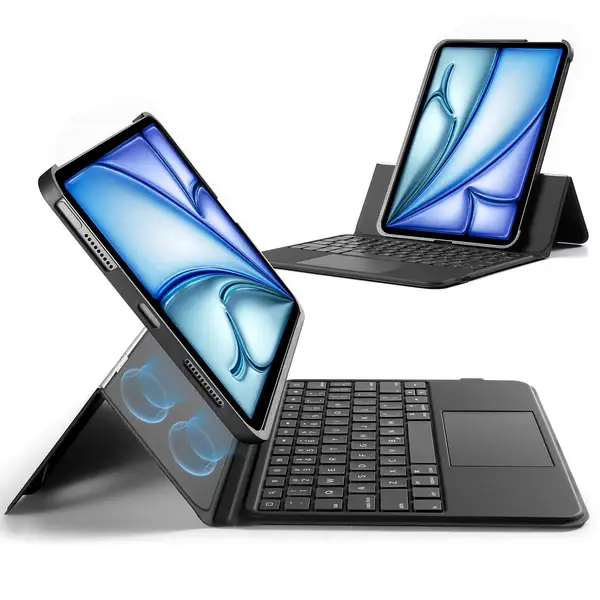
Two names come up constantly when people start shopping for iPad accessories: ESR and MOFT. They both have real fans, and for genuinely different reasons. The frustrating thing about most comparisons is that they either crown one brand across the board or present a fake balance where every MOFT advantage gets walked back two sentences later. Neither approach is actually useful. Here’s a more honest take. ESR and MOFT are solving different problems. If you understand what problem you actually have and be honest about how you use your iPad every day — picking between them gets a lot easier. Two Very Different Philosophies Pick up an ESR case and the first thing you feel is substance. The ESR Shift Magnetic Stand Case has a two-part construction: a rugged back cover with reinforced Air Guard corners snaps to a detachable magnetic stand. The whole thing is designed around the idea that your iPad is going to move around a lot, take some bumps, and needs to hold a position without sliding on whatever surface you’ve put it on. MOFT works from almost the opposite premise. Their Snap Float Folio is designed to feel like the case barely exists. The origami-fold stand is elegant and adds almost no bulk. For someone who keeps their iPad in a clean bag that goes to a clean desk in a clean office, it’s genuinely beautiful gear. The question is just which kind of person you actually are. Heavy Typing: Where ESR’s Detachable Keyboard Stands Apart For anyone who types on their iPad regularly drafting, emails, writing documents, anything over a few paragraphs the keyboard is the whole conversation. The ESR Shift Keyboard Case at $99.99 for the iPad Air 13″ (M4) 2026 has a detachable design that most keyboard cases don’t attempt. This Removable […]
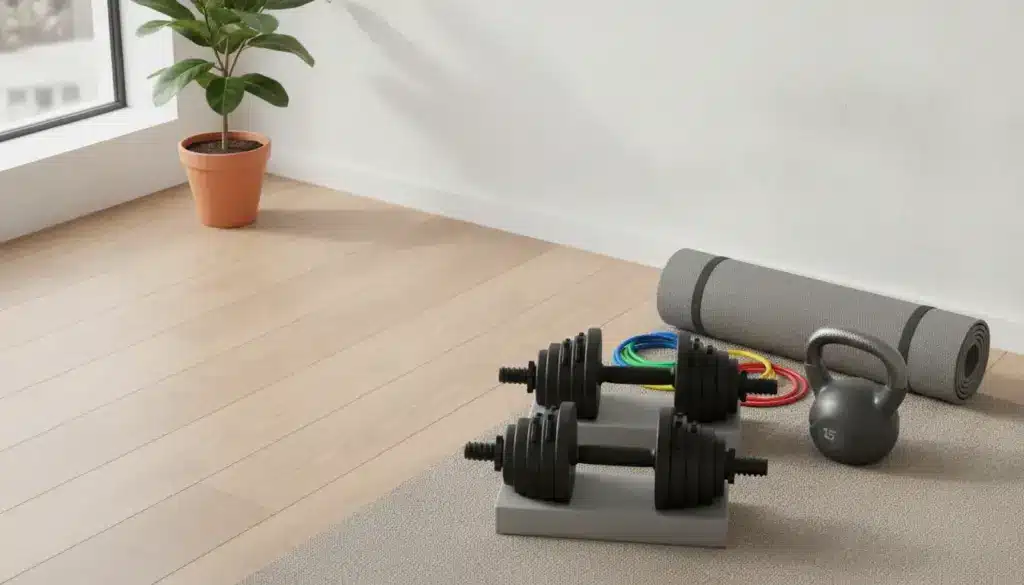
Busy schedules and overcrowded gyms can make it feel nearly impossible to find time and space for fitness. However, staying active is possible with your own training space. Whether you want to build your own fitness space or start a small gym, regular exercise can help you get stronger, boost your confidence and feel your best. Discover how the right equipment transforms any corner of your home into an effective training space. Adjustable Dumbbells Research shows that over 80% of adults do not get the suggested amount of aerobic and muscle-strengthening activity, making accessible home fitness solutions essential. The best value fitness equipment for small spaces combines versatility with a compact design, making it easy to fit effective workouts into any room. Adjustable dumbbells offer a simple solution by replacing bulky racks of traditional weights while taking up very little room. With a single pair that shifts from five to 50 pounds or more, you have a wide range of weights for steady progress. You can use them for classic strength exercises like presses, rows, curls and lunges, helping you build muscle and gain confidence as you advance your training. Functional Trainer Machines Functional trainers consolidate dozens of cable-based exercises into one corner-friendly machine. Adjustable pulleys and attachable handles enable chest movements, back, arms, legs and core. This versatility makes them excellent for developing well-rounded strength and mastering movements that translate to everyday activities. Resistance Bands Resistance bands require almost no storage space and cost less than most other training tools. They slip into drawers or bags and travel anywhere. Bands support strength training, stretching and mobility work, targeting various muscle groups through banded squats, rows, shoulder presses and lateral walks. Kettlebells A single kettlebell enables dynamic, full-body workouts that combine cardiovascular conditioning with strength development. Kettlebell training is ideal […]
Not all personal trainer certifications carry the same weight with employers. The most recognized ones come from bodies with NCCA accreditation, and that distinction matters more than most newcomers realize when they’re applying at major gym chains. Costs swing widely, accreditation bodies confuse people, and the wrong credential wastes both time and money. After reviewing the top options across employer recognition, exam structure, and career support, this guide breaks down five certifications worth your serious attention. How the Picks Were Chosen Each option was assessed using publicly available information — official websites, user reviews, rating platforms, and case studies. Only certifications with a demonstrated record of employer recognition and clear standing in the profession made the final list. → See the full research breakdown IPTA — Best for aspiring fitness professionals seeking affordable, NCCA-accredited certification with career support ACE — Best for fitness professional certification and continuing education NASM — Best for fitness professional certification and wellness education NSCA — Best for strength and conditioning education and professional certification NESTA — Best for fitness professional certification and specialization training Why a Recognized Certification Is Worth the Investment Picking the right credential isn’t just about passing an exam. It’s about whether that certificate on your wall actually opens doors at the gyms and facilities where you want to work. Employers at major chains don’t treat all certifications equally. The gap between an NCCA-accredited credential and a lesser-known one can be the gap between getting hired and getting passed over. Exam costs and renewal fees pile on real financial pressure, so choosing a credential with strong employer acceptance from the start protects that investment — no small thing when you’re weighing hundreds of dollars upfront. Certifications held by hundreds of thousands of professionals tend to carry more weight precisely because employers already know what they’re getting. The […]
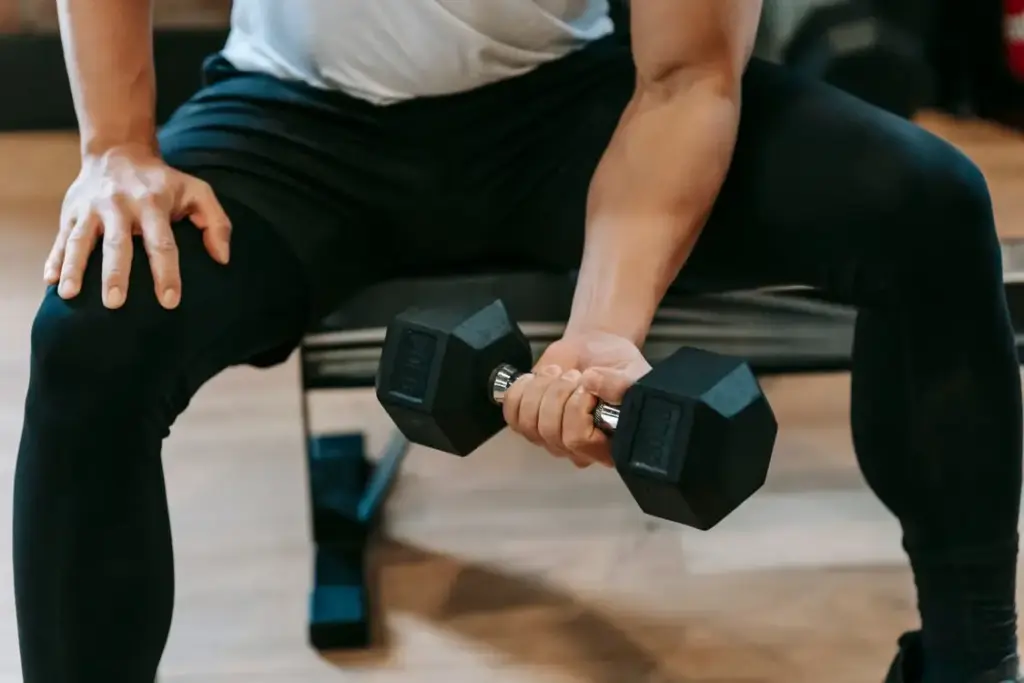
Forearms are the muscles most people forget about until something slips out of their hands. A grocery bag, a heavy pan, the last rep of a deadlift. I trained arms for years before I gave my forearms any real attention, and once I did, almost everything else got easier. Pull-ups felt more secure. Carrying stuff around the house stopped being a chore. The good news is that forearm training doesn’t need its own gym session. Most of these workouts take five to ten minutes, and a few of them can happen while you’re doing something else entirely. Here are eight that actually fit into a packed day. Best At Home Forearm Workouts Here are the top 8 of them; 1. Wrist Curls With a Dumbbell The classic, and still one of the best. Sit on a chair, rest your forearm on your thigh with your palm facing up, and let a light dumbbell roll down toward your fingers. Curl it back up slowly. That slow part matters more than the weight does. Do 3 sets of 12 to 15 per arm. If you only own one pair of dumbbells, that’s fine. Forearms respond well to lighter weight and higher reps, and you can fold these into any of the upper body dumbbell exercises you’re already doing. No dumbbell? A filled water bottle or a bag of rice works. Not glamorous, but your wrist flexors can’t tell the difference. 2. Reverse Wrist Curls Same setup, palm facing down this time. Lift the back of your hand toward you, lower it slowly, repeat. This one trains the extensors, the muscles on top of your forearm that almost nobody works directly. Skipping them is how people end up with achy wrists and elbows down the line. Go lighter than you think you need […]