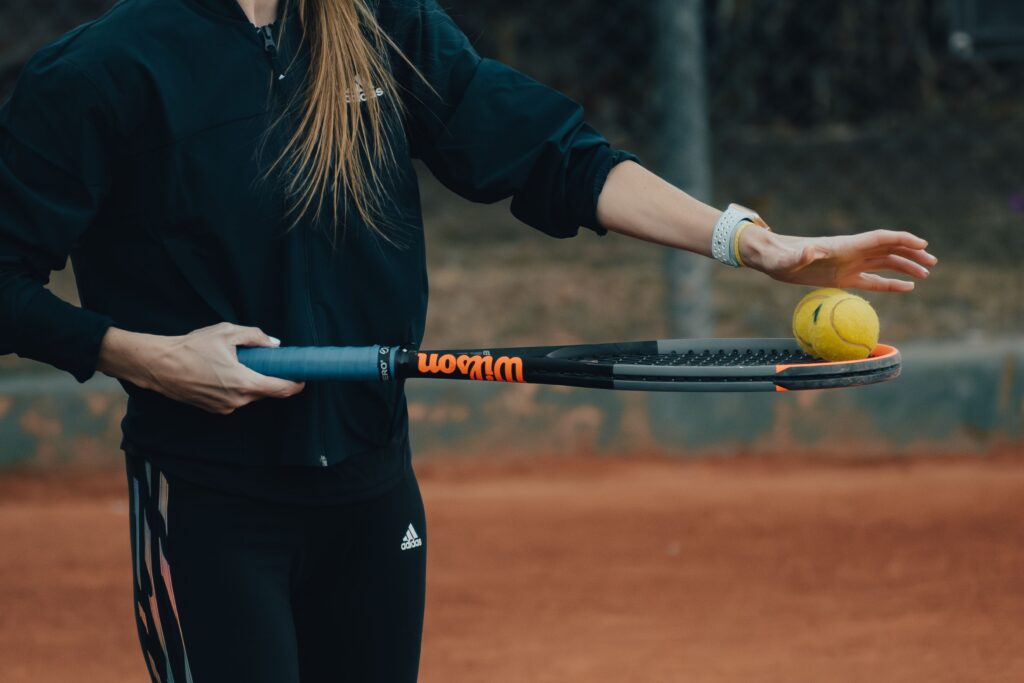
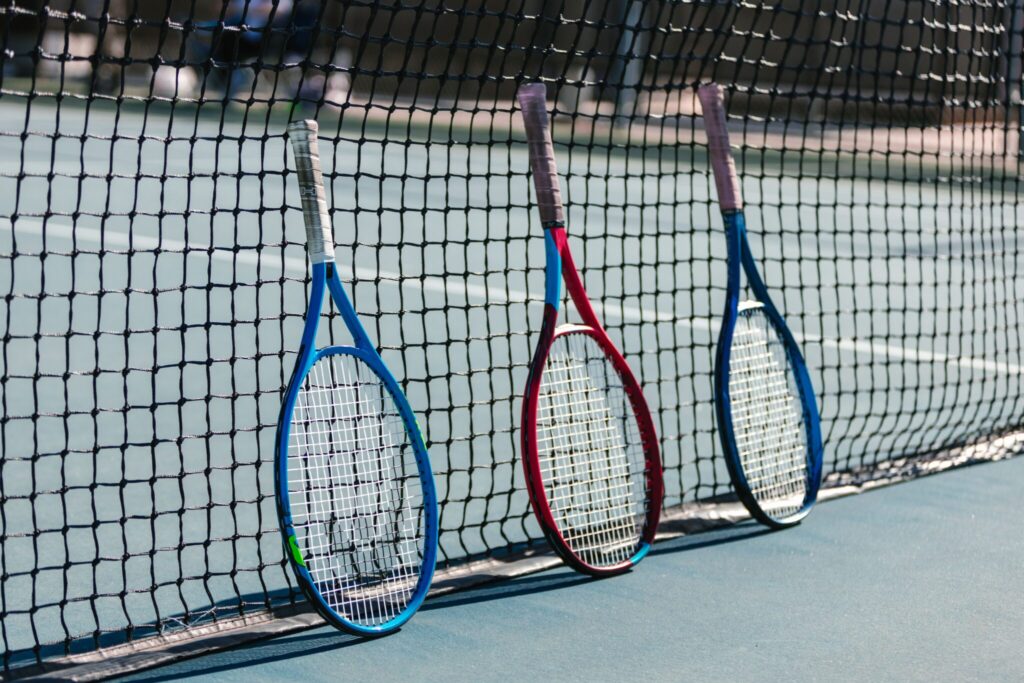
If you ask recreational tennis players what they need to improve, most will mention their serve, forehand, or backhand. Yet coaches often notice a different problem. Players are late to the ball. The issue isn’t technique. It’s movement. The truth is that tennis is won and lost with footwork long before the racquet makes contact. Even the cleanest stroke mechanics become ineffective when players arrive late, off balance, or out of position. Watch any professional match and you’ll notice something interesting. The best players seem to have more time than everyone else. They aren’t necessarily faster runners. They’re simply moving earlier, recovering more efficiently, and positioning themselves better before each shot. That’s why footwork remains one of the most important—and often overlooked—skills in tennis. Why Footwork Matters So Much Every shot in tennis begins with positioning. Good footwork allows players to: Reach balls earlier Maintain balance through contact Recover quickly after each shot Reduce physical fatigue during long rallies Improve consistency under pressure Research and coaching programs consistently emphasize movement quality as a foundation for performance because efficient movement helps players stay balanced and prepared for the next shot. When players struggle with footwork, the symptoms show up everywhere. Groundstrokes become rushed. Volleys feel uncomfortable. Timing disappears. The solution isn’t always hitting more balls. Often, it’s improving the way the body moves around the court. The Foundation: The Split Step One of the simplest yet most effective footwork habits is the split step. The split step is a small hop performed just before an opponent strikes the ball. It prepares the body to react in any direction. Without it, players are often flat-footed and slow to respond. With proper timing, the body is already loaded and ready to explode toward the next shot. Many amateur players know what a split […]
ADHD telehealth services make it easier for adults and families in California to access licensed clinicians without having to visit a physical clinic. Many platforms now offer online ADHD evaluations, ongoing care, and prescriptions for ADHD medication through secure virtual visits. If you’re searching for ADHD telehealth providers in California, several reputable platforms offer structured evaluations and ongoing treatment options. Key Takeaways Several ADHD telehealth providers in California offer online mental health assessments, treatment, and follow-up care through virtual appointments. Some platforms can prescribe ADHD medication online, including stimulants, when clinically appropriate after an evaluation. MEDvidi, Talkiatry, and ADHD Online are widely known services that differ in pricing models, insurance acceptance, and appointment availability. When choosing an ADHD telehealth service, consider wait times, medication policies, pricing structure, and patient reviews. How Did We Rank the Best ADHD Telehealth Companies in California? To identify the most reliable ADHD telehealth providers operating in California, we evaluated several practical factors relevant to what you’re looking for in online ADHD medication and treatment. Our methodology included reviewing: Provider credentials and clinician availability Ability to prescribe ADHD medication online when clinically appropriate Appointment availability and wait times Pricing models and insurance acceptance Patient reviews and platform ratings Age eligibility and treatment scope We also considered transparency, turnaround time for evaluations, and whether the platform offers ongoing treatment rather than one-time assessments. This approach helps highlight telehealth companies that provide accessible telehealth for ADHD treatment, including follow-up care. ADHD Telehealth in California: At a Glance Metric MEDvidi Talkiatry ADHD Online Best for Fast access to ADHD care and clear pricing Insurance-based psychiatric care Structured ADHD evaluations Appointment speed Same-day or next-day appointments Varies by provider availability Results are typically within 3 business days Prescribe stimulants? Prescribes stimulant and non-stimulant ADHD medications when clinically appropriate Prescribes stimulant […]
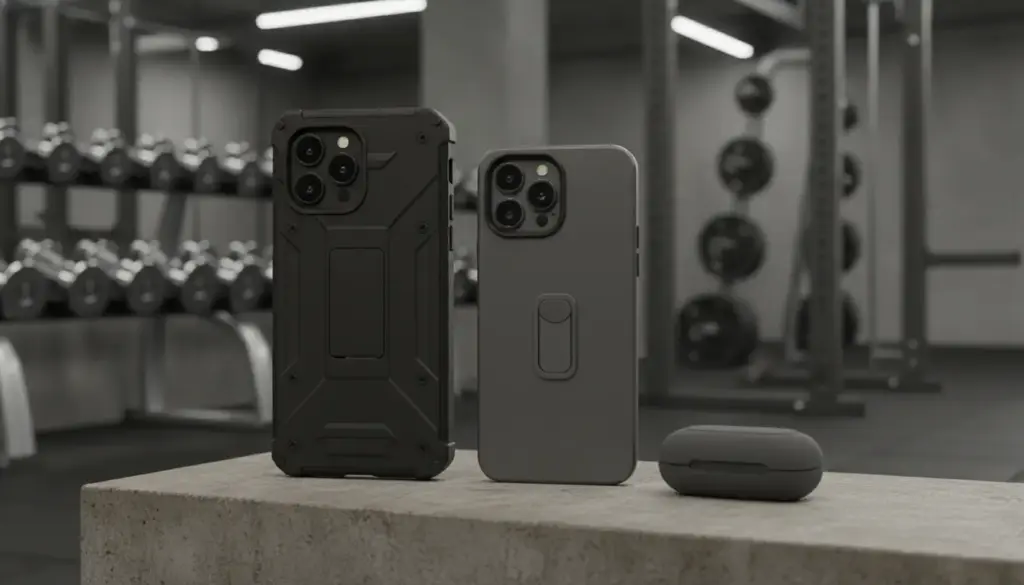
If you’re the kind of person who doesn’t put your phone away when you work out — and most of us aren’t — you’ve probably had at least one close call. Maybe your iPhone slid off a cable machine, or your AirPods case bounced across a locker room floor. Protecting your gear as an athlete comes down to two schools of thought: armor up completely, or kit out smarter. OtterBox and ESR are the clearest examples of each philosophy on the market right now. This isn’t a lab test rundown — it’s a look at how each brand’s lineup actually holds up in three settings that athletes move through constantly: the weight room, the trail, and the transition back to daily life. In the Weight Room: Protection That Pulls Its Own Weight For gym use, your phone isn’t just sitting in your pocket. It’s propped up recording a set, balanced against a bench for a form check, or mounted to a rack for a workout video. OtterBox’s Defender Series is the brand’s most recognized product — a two-piece design with a hard polycarbonate inner shell and a TPU slipcover, with port covers that block sweat and chalk dust from working into the openings. It’s genuinely solid protection, and that reputation is well-earned over decades in the market. What the Defender doesn’t do is stand up. There’s no kickstand, and no way to prop the phone without leaning it against something. For recording video mid-session, that usually means balancing the phone on a dumbbell or wedging it against gear — which works until it doesn’t. ESR’s Stash Stand series handles that problem without adding a separate accessory. The kickstand is folded into the camera ring: it disappears when it’s closed, and when you pull it out, the lens frame becomes the […]
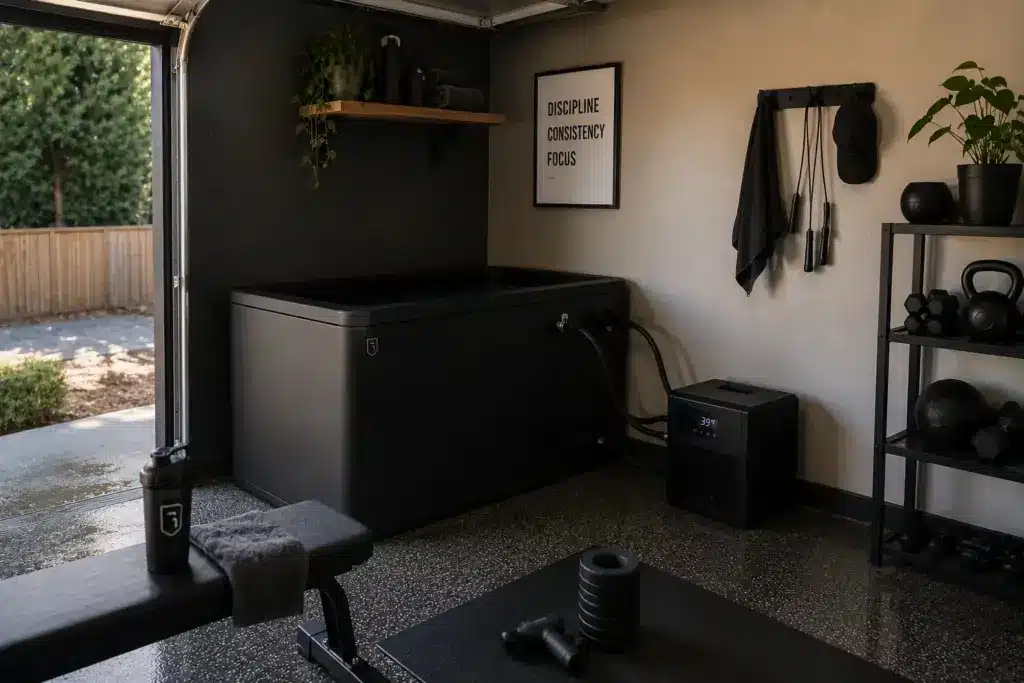
Recovery matters as much as the workout itself. Cold-water immersion has moved out of pro sports locker rooms and into home gyms across the country. Athletes at every level now use ice baths to bounce back faster, and the equipment to make that happen has evolved significantly. The days of hauling 40-pound bags of ice from the gas station are fading. Modern cold plunge chillers plug into a standard outlet, hold a set temperature automatically, and run 24/7. Persistence Market Research projects the global cold plunge tub market at $512.9 million by 2026, with Grand View Research reporting the residential segment growing at 7.4 percent annually as more athletes build recovery stations at home. This guide covers the six best cold plunge chillers for home recovery, the science behind why they work, and how to use them for the best results. Whether you’re a recreational runner or a competitive lifter, the right chiller makes consistent cold therapy possible. Why Cold Plunge Therapy Works for Athlete Recovery The science behind cold-water immersion keeps getting stronger. A 2025 network meta-analysis of 55 randomized controlled trials published in Frontiers in Physiology found that cold-water immersion at 11 to 15 degrees Celsius for 10 to 15 minutes significantly reduces delayed-onset muscle soreness and improves jump performance following exercise. The effect on DOMS was substantial, with a standardized mean difference of -1.45. A 2026 soccer-specific meta-analysis in the Scandinavian Journal of Medicine and Science in Sports confirmed similar benefits. Cold-water immersion significantly improved muscle strength recovery in trained soccer players, with an SMD of 1.02, and reduced soreness with an SMD of -1.04. Beyond muscle recovery, a 2025 PLOS One review covering 11 studies and roughly 3,200 participants found that regular cold exposure was associated with 29 percent fewer sick days and stress reduction that […]