
Athlete
Professional athletes often seem invincible on the field or court, but drug-related legal troubles have proven to be career-enders for even the most talented stars. While performance-enhancing drug scandals grab headlines, it’s often possession and distribution charges that truly derail careers. These cases serve as stark reminders that athletic ability alone can’t protect against the legal consequences of drug-related offenses. The following athletes had seemingly unlimited potential, only to see their careers crumble under the weight of drug charges. Darryl Strawberry: From MLB All-Star to Multiple Arrests Darryl Strawberry was one of baseball’s brightest young talents in the 1980s, earning eight All-Star selections and winning three World Series championships. But cocaine addiction led to a series of arrests that ultimately ended his playing career. In 1999, he was arrested for drug possession in Tampa, Florida, violating his probation from a previous cocaine charge. Over the following years, Strawberry faced multiple drug-related arrests, including possession of cocaine and solicitation charges. His baseball career, which had shown Hall of Fame potential, effectively ended as he cycled through arrests, treatment programs, and failed comebacks. Strawberry later became an advocate for addiction recovery, speaking openly about how drugs derailed what should have been one of baseball’s greatest careers. Tyreke Evans: a Promising NBA Career Cut Short Tyreke Evans burst onto the NBA scene in 2009, becoming only the fourth player in league history to average at least 20 points, 5 rebounds, and 5 assists per game as a rookie. His future seemed limitless. However, in 2019, the NBA dismissed and disqualified Evans under its anti-drug policy after he tested positive for a drug of abuse. The dismissal meant he was ineligible to play in the NBA for a minimum of two years. While the league never publicly disclosed which substance triggered the ban, the […]

Over the past decade, people have become increasingly health-conscious, prioritizing their well-being. Many have started taking better care of both their mental and physical health. As a result, people of all ages are exercising more regularly and purchasing gym memberships. With this growing interest in fitness, it may seem that gym owners have little to worry about and that sales are almost guaranteed. However, given the number of sports clubs available today, gym owners still need to highlight the advantages of their facilities and encourage people to choose their services. So, how can you achieve this and boost gym sales? That is exactly what we are going to discuss today. Let’s dive in and find out. Strategies to Increase Your Gym’s Sales When it comes to increasing your gym’s visibility and driving sales, there is no shortage of strategies. But let’s focus on the top seven. Build a Solid Business Plan Though you may think that a business plan is not connected to driving sales, it actually is. Ideally, you should clarify in your business plan exactly how you are going to grow your business and mention the approximate investment needed for each marketing campaign. Remember that you will use this business plan as a crucial document to engage potential investors. So, your strategy should look professional, realistic, and engaging. However, creating a solid business plan can be quite challenging. That is why we recommend speaking with a professional business plan maker company that can help you craft an outstanding and comprehensive plan. Build a Website Your gym needs a well-designed website with all the crucial information about your services and your gym’s mission included. You may share plenty of useful content through your website and include customer reviews or success stories to encourage people to join your club. Just […]

The 2026 FIFA World Cup has reached the stage where every remaining match carries enormous weight. The expanded tournament has showcased tactical variety, emerging stars, and several established powers that continue to justify their reputation. With only the strongest teams left in contention, discussions have shifted from who can make a deep run to who has the complete package required to lift the trophy. Championship teams rarely succeed through talent alone. Defensive organization, midfield control, squad depth, coaching decisions, and the ability to perform under pressure all separate contenders from pretenders. Looking at each remaining favorite through those factors provides a clearer picture of which nation is best positioned to become the next world champion. How to Read the Favorites For many fans following the tournament, World Cup outright odds reflect far more than public opinion. They generally respond to measurable factors like expected goals, defensive efficiency, squad availability, historical performance, and projected knockout paths. As each round concludes, markets adjust based on new information rather than reputation alone. Spain continues to attract strong support because its balanced profile produces consistent performance. Brazil remains highly rated thanks to elite attacking talent and improved defensive organization. France earns similar respect because of exceptional squad depth across every position, allowing replacements to maintain quality when injuries or suspensions occur. Argentina remains competitive through tactical discipline, experienced leadership, and efficient finishing in decisive moments. England also stays near the top thanks to a productive attack supported by one of the deepest player pools in international football. While betting markets never determine results on the field, they offer another perspective on which teams consistently meet the performance indicators associated with championship success. Combined with tactical analysis, they help explain why a small group of nations continues leading conversations throughout the knockout stage. Spain’s Midfield […]

In competitive cheerleading, music isn’t just background noise—it’s the backbone of every routine. The right track can synchronize movements, amplify energy, and turn a good performance into an unforgettable one. That’s why premade cheer music has become a staple for teams at every level, from high school squads to elite all-star programs. Unlike custom mixes that require weeks of production and significant budget, premade tracks offer professional-quality sound design at a fraction of the cost and turnaround time. These ready-to-use compositions feature precisely timed tempo changes, motivational voiceovers, and sound effects engineered specifically for cheerleading’s unique demands. But their value extends beyond competition day—coaches increasingly rely on premade music to structure warm-ups, sharpen focus, and build team cohesion during practice. This article examines how premade cheer music evolved into an industry standard, why it’s particularly effective for warm-up routines, and what teams should consider when selecting tracks. We’ll also address the legal complexities surrounding competition music and highlight emerging trends reshaping the genre. From Chants to Choreographed Soundtracks: The Evolution of Cheer Music Cheerleading’s musical journey mirrors the sport’s transformation from sideline entertainment to athletic competition. Early squads relied on simple call-and-response chants, clapping patterns, and occasional fight songs. As cheerleading gained recognition as a competitive sport in the 1970s and 1980s, teams began incorporating popular radio hits into their routines—a practice that introduced new energy but also created logistical headaches around song editing and transitions. The real shift came in the late 1990s, when specialized cheer music producers emerged to address the sport’s specific needs. This period marked cheerleading’s professionalization, with standardized competition formats demanding more sophisticated audio production. Producers developed techniques for seamless song blending, strategic tempo manipulation, and the integration of “eight counts”—the foundational timing structure for cheer choreography. Today’s premade cheer music represents decades of refinement. […]
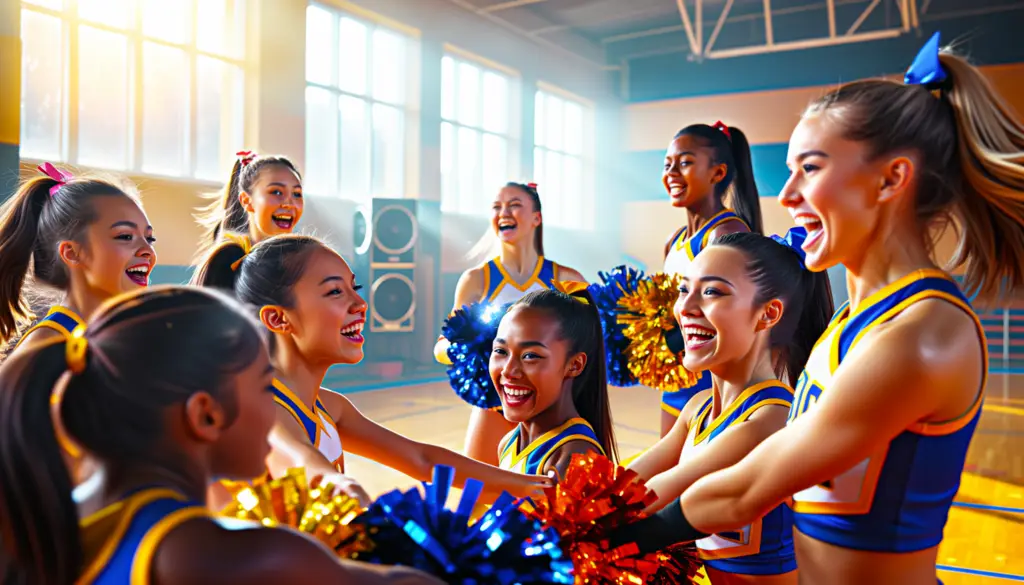

Many people love debating which sport is the hardest, and the answer isn’t always simple. Every

Wondering how many sets a table tennis match should have and what works best for your

If you’ve ever seen Tyler Reddick’s No. 45 car on TV and thought, “Wait, is that

Cristiano Ronaldo’s story isn’t just match highlights and trophy photos. Behind the superstar image are little
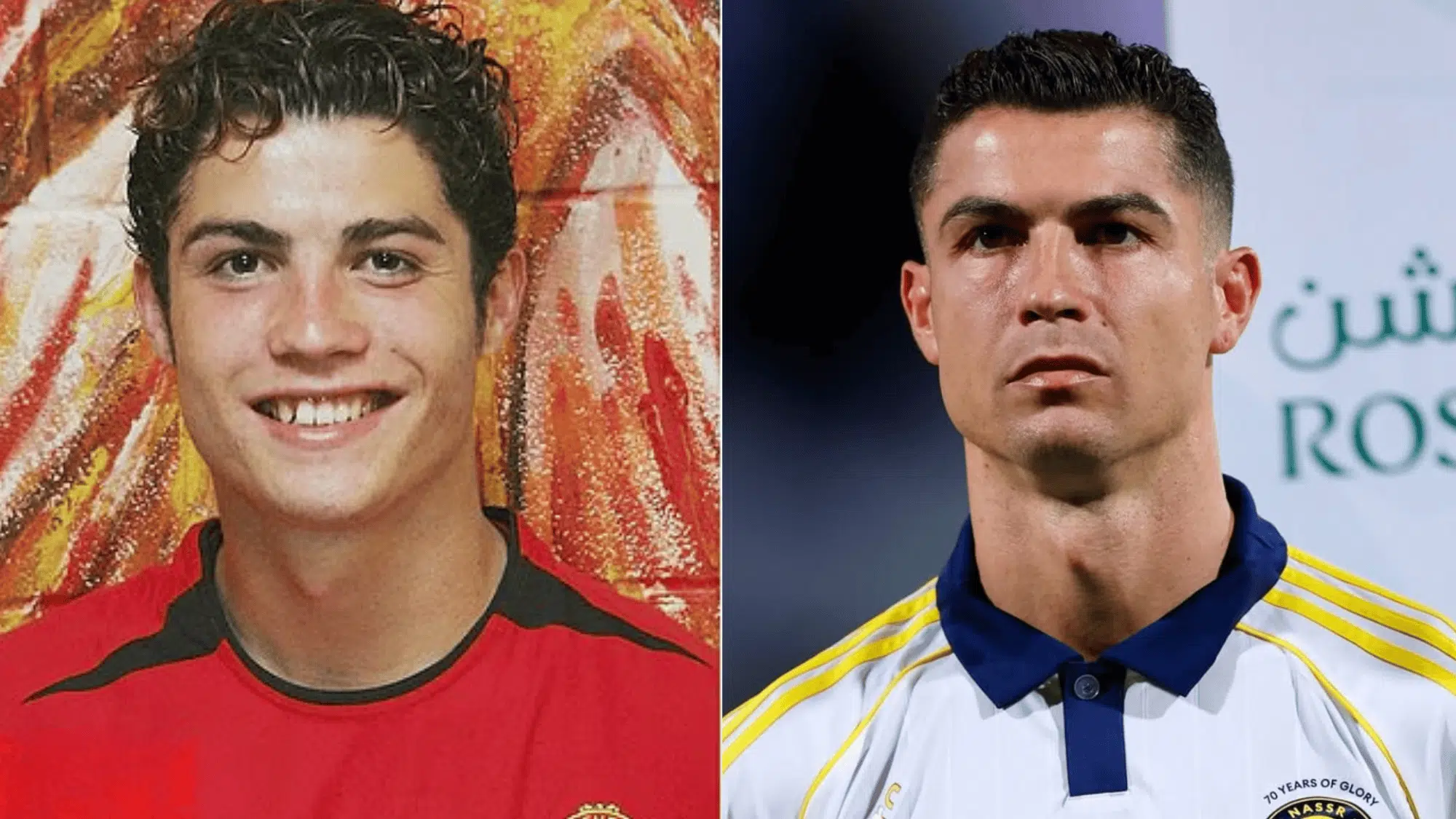
Cristiano Ronaldo’s photos from the early 2000s to today spark a lot of “before vs after”

Phil Mickelson is one of the most recognized players in golf history. Fans know him for

If the internet were a detective, it would probably solve zero crimes. Case in point: the
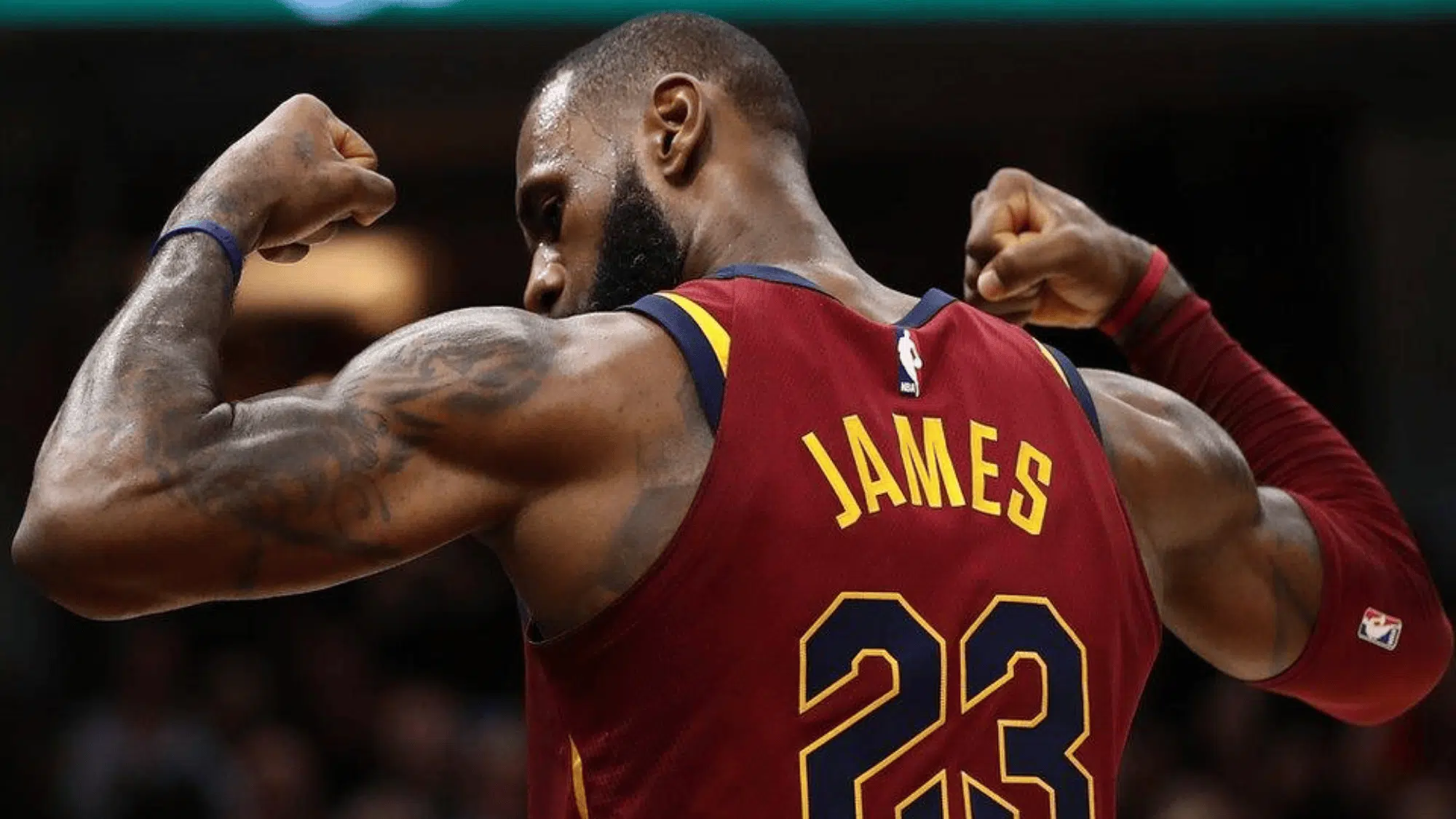
The basketball world can’t stop debating: Is LeBron James the GOAT? For over 20 years, he’s

John Cena’s height and weight have always been a big topic for wrestling fans. Is he

A blitz in football can look wild and chaotic, especially if the quarterback is getting swarmed

Jordan Spieth’s golf journey is one of the most exciting stories in modern sports. From winning

Picture this: the gym is loud, the score is tight, and everyone on the bench is