Athlete
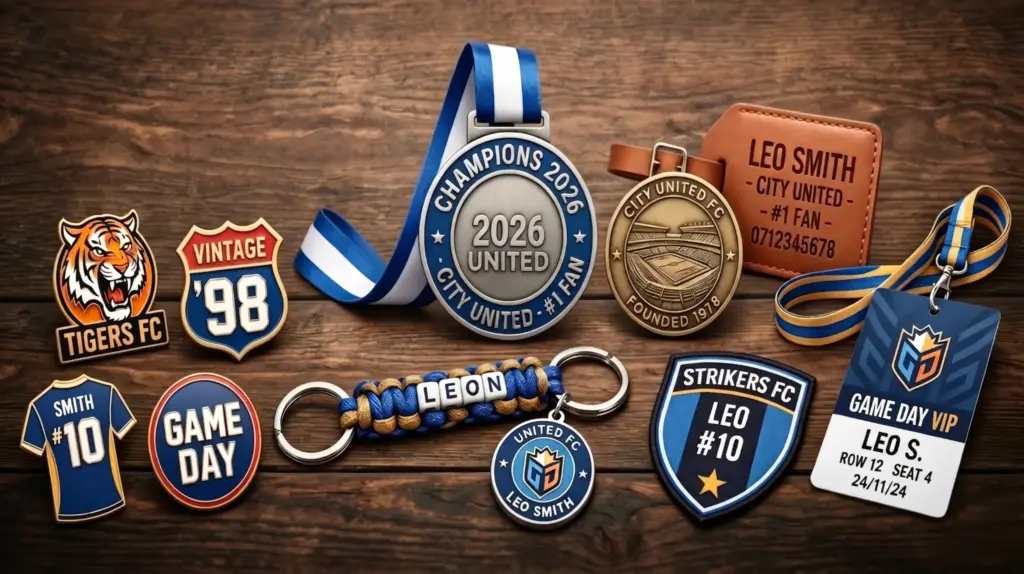
Sports merchandise trends have shifted toward personalization and limited-run collectibles. Consumer expectations for sports merchandise have gradually evolved alongside personalization trends. Basic team clothing and live game viewership alone can’t meet their expectations anymore. They tend to pick special, made-to-order items. Global sporting events like the FIFA World Cup always push up orders for custom fan goods. With fans eager to show support for national sides and join in trending fan activities, personalized items see a clear sales surge. Across these worldwide competitions, supporters rush to buy national-themed keepsakes, memorial pieces, and exclusive limited runs linked to game results and team spirit. These custom sports fan gifts work for both hobby collectibles and daily use during games. They help fans hold onto the thrilling moments of games and enjoy the collective happiness of supporting the same team. Better yet, upgraded design solutions and faster production workflows have made personalized sports gifts easy to obtain and reasonably priced, for regular fans and sports groups in general. Why Personalized Sports Gifts Matter Most fans don’t see custom sports gear as simple merchandise. Instead, they treat these items as valuable mementos. They represent each person’s individuality, deep emotional ties, and the shared experiences that define sports culture. Bulk-made goods struggle to convey personal style and special sentiments as effectively as custom pieces do. This explains why personalized sports gifts stay popular with fans, teams, and sports organizations. A few key factors are driving this ongoing trend: 1)Emotional Connection for Fans All the thrills of live matches and warm memories of cheering for a favorite team can be kept alive with custom-made gifts. These special mementos help fans keep their fond feelings toward games, teams, and classic tournament moments, long after the events end. 2)Fan Engagement Generic retail products fail to build strong group […]
Sports supplement brands building athlete-facing products face a marketing agency question that goes beyond direct-to-consumer expertise. The question is which agency understands banned-substance testing, athlete-endorsement structures, team-sponsorship deals, and the platform-policy framework that supplements operate under. The answer shapes whether the brand earns serious team and athlete partnerships or stalls in the consumer-supplement aisle. Sports brands often look at specialty agencies rather than generalist sports marketing firms. Companies such as NutraMarketers focus exclusively on the supplement and functional-food category, offering brand strategy, packaging design, digital advertising, and compliance support specific to dietary supplements. The single-vertical model suits sports brands that need partners who already know Informed-Sport certification, NSF Certified for Sport rules, and the WADA framework that affects competitive athletes. Why Has Sports-Supplement Marketing Become More Strategic? Three structural shifts have raised the stakes: Banned-substance scrutiny: Testing programs across professional sports now catch contamination at parts-per-billion levels, raising the cost of a supplement-related positive test Athlete-endorsement economics: NIL deals at the college level and direct athlete partnerships at the pro level shift more sports-supplement spend toward influencer-style deals Platform-policy specificity: Meta and Google supplement rules interact with athlete-endorsement rules in ways that catch generalist agencies by surprise Sports-supplement marketing is the brand-building work focused on athletes, teams, and sports-engaged consumers. The discipline combines dietary-supplement compliance with sports-sponsorship economics and athlete-rights frameworks. What Should Sports Supplement Brands Verify Before Hiring? Six criteria belong on every sports-brand shortlist. The table below summarises the priorities. Criterion Why It Matters What to Confirm Category specialty Speaks the language Supplement focus, not generalist sports marketing Banned-substance fluency Protects athlete partners Informed-Sport and NSF Sport experience Athlete-deal structure Avoids contract pitfalls NIL and pro-athlete deal experience Compliance review workflow Risk management Written claims-review process Team-sponsorship reach Opens partnership doors Existing team and league relationships Reporting transparency […]

There used to be an off-season. That seems almost quaint now. Between the WNBA’s expanded calendar, F1’s record 24-race schedule, and European football’s unbroken procession of cup competitions, league fixtures, and international windows, the sports calendar has become structurally continuous. Fans who once endured months of withdrawal now move from one high-stakes narrative to the next with barely a pause. That shift has done something significant to digital entertainment. The modern fan isn’t searching for a distraction from sport during quiet periods. Those periods don’t really exist anymore. They’re looking for something that matches the pace and texture of what they’ve been watching: fast, consequential, loaded with tension and visual spectacle. The gaming industry noticed. The convergence of sports culture and interactive design is most visible in gaming products like online slot games, which have moved away from generic themes toward formats that replicate the visual intensity and psychological rhythm of a live broadcast. The “Triple Threat” of F1, WNBA, and football hasn’t just influenced digital gaming. It’s given developers a working blueprint for what sustained engagement actually looks like. The F1 Influence: Precision and High-Speed Mechanics F1’s global fanbase reached 826.5 million in 2024, up nearly 90 million in a single year, according to Nielsen Sports data. That kind of growth doesn’t happen through motorsport alone. It happens through Drive to Survive, through telemetry breakdowns on social media, through a generation of fans who came to the sport via storytelling and stayed for the data. F1’s own 2025 global fan survey, drawn from over 100,000 responses across 186 countries, found that 61% of engaged fans interact with F1 content daily. The F1 fan is unusual. They want spectacle – the roar of a pit exit, the wheel-to-wheel battles through chicanes – but they also want to understand what’s underneath […]

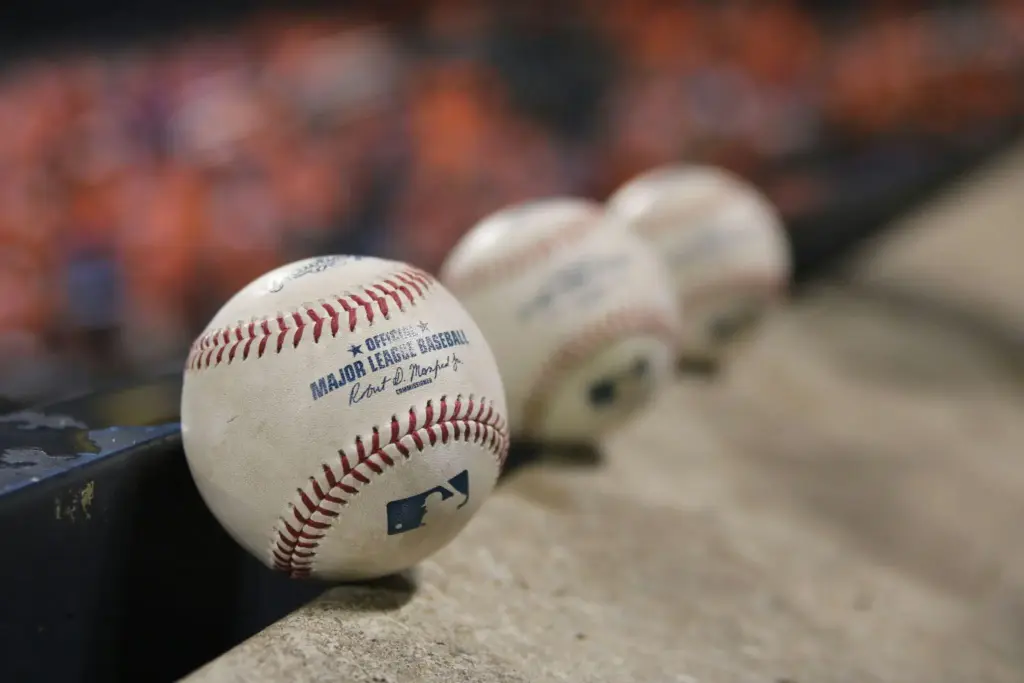
Every MLB season produces surprise contenders, disappointing starts, and franchises that evolve dramatically once they’ve navigated April and May. Early standings often create strong narratives, but experienced baseball fans know how quickly momentum can shift over a 162-game season. Several franchises entering the 2026 season have already shown signs of long-term potential that extend beyond current win-loss records. Whether fueled by elite pitching, emerging stars, or a deep and balanced roster, these teams remain fascinating to monitor throughout the summer. Some clubs appear positioned for stronger second halves, while others still have enough talent to become dangerous if they find momentum after slow starts. 1. Toronto Blue Jays Continue Building Dangerous Momentum The Toronto Blue Jays remain one of the American League’s most intriguing franchises despite facing intense competition within a difficult division. Their combination of experienced hitters and high-end pitching gives them substantial upside throughout the season. Vladimir Guerrero Jr. continues serving as the centerpiece of Toronto’s lineup, while the franchise’s rotation has shown encouraging signs of greater stability during the opening months. Strong starting pitching becomes increasingly important as playoff races tighten. Across baseball, fans monitoring postseason futures and tracking Blue Jays AL pennant odds will have noted that Toronto remains firmly in the broader American League conversation despite inconsistent stretches. Toronto’s bullpen depth also appears improved compared to recent seasons, giving the club an improved chance of late-game stability. That added reliability could prove critical during tightly contested divisional matchups and postseason races. The Blue Jays also benefit from roster flexibility and postseason experience. If their offense heats up consistently during summer months, Toronto could become one of the league’s most dangerous teams entering October. 2. Philadelphia Phillies Still Possess Championship-Level Talent The Philadelphia Phillies continue operating with one of baseball’s deepest and most battle-tested rosters. Even […]